
The allure of an all-inclusive vacation is undeniable: a single price covers your accommodation, meals, drinks, and often a range of activities, making for a truly worry-free getaway. Destinations like the Caribbean and Mexico are renowned for their abundance of such resorts, offering seamless experiences from arrival to departure. However, when considering a trip to the enchanting islands of Hawaii, the question “Does Hawaii have any all-inclusive resorts?” often arises, leading many travelers to a surprising realization.
The short answer is: no, not in the traditional sense that you might find in other popular sun-soaked destinations. Hawaii operates on a different model of hospitality and tourism, one that prioritizes local immersion, independent exploration, and supporting diverse local businesses rather than sequestering guests within the confines of a single, all-encompassing property. While you won’t find resorts offering unlimited food, drinks, and activities for one upfront price like a typical Caribbean package, this unique approach ultimately opens the door to a richer, more authentic, and often more memorable Hawaiian experience.

The Unique Landscape of Hawaiian Hospitality
Understanding why true all-inclusive resorts are a rarity in the Aloha State requires a look into the region’s distinct economic, cultural, and geographical characteristics.
Defining “All-Inclusive” in the Hawaiian Context
When travelers envision an “all-inclusive resort,” they typically picture a property where:
- Accommodation, meals, and beverages (including alcoholic drinks) are included. This often means multiple restaurants, bars, and poolside service at no extra charge.
- A wide array of activities and entertainment is provided. Think watersports, fitness classes, live shows, and kids’ clubs, all covered in the base price.
- Gratuities and taxes are often rolled into the upfront cost. This leaves little room for unexpected expenses once on site.
This model thrives in regions where local economies can support large, self-contained resorts that provide most, if not all, guest needs. It’s designed for convenience, relaxation, and minimizing decision-making during a vacation. While Hawaii certainly offers luxury, comfort, and breathtaking beauty, its hospitality philosophy diverges from this standard.
Why Traditional All-Inclusives Are Rare in Hawaii
Several compelling reasons contribute to the absence of traditional all-inclusive resorts across the Hawaiian Islands.
Economic and Cultural Considerations
Hawaii is part of the United States, which means labor costs, food prices, and operational expenses are significantly higher than in many other popular resort destinations. Running a true all-inclusive would necessitate extremely high prices to be profitable, potentially pricing out a large segment of the travel market.
More profoundly, the Hawaiian tourism model is deeply intertwined with supporting local culture and small businesses. The islands actively encourage visitors to explore beyond their resort walls, to dine at local restaurants, shop at local boutiques, hire local tour operators, and immerse themselves in the rich tapestry of Hawaiian culture. A traditional all-inclusive model, by design, tends to keep guests on-site, which could detract from this essential local economic and cultural integration. There’s a strong emphasis on malama aina (to care for the land) and pono (righteousness), which extends to sustainable tourism practices and ensuring the benefits of tourism are widely distributed among the community.
Focus on Local Immersion and Island Hopping
One of the greatest joys of a Hawaiian vacation is the opportunity for discovery. Each island—from the bustling vibrancy of Oahu to the lush tranquility of Kauai, the volcanic majesty of the Big Island to the diverse landscapes of Maui—offers unique attractions and experiences. Travelers often enjoy island hopping, moving between different islands to experience their distinct personalities. An all-inclusive model typically anchors guests to one property for their entire stay, which runs counter to the spirit of exploration that defines many Hawaiian adventures.
Visitors are encouraged to sample authentic poke from a local market, learn to surf on Waikiki Beach, hike to waterfalls on Maui, explore the Na Pali Coast of Kauai, or witness the power of a volcano at Hawaii Volcanoes National Park on the Big Island. These experiences are central to the Hawaiian travel narrative, and traditional all-inclusive resorts would inherently limit such engagement.
Crafting Your “All-Inclusive Like” Experience in Hawaii
While the concept of a traditional all-inclusive may not exist, it doesn’t mean you can’t enjoy a worry-free, amenity-rich vacation in Hawaii. Travelers can effectively create their own version of an all-inclusive experience by strategically planning and selecting accommodations and packages.
Resort Packages and Bundled Deals
Many top-tier resorts in Hawaii offer attractive packages that bundle various amenities and services, providing a similar sense of value and convenience without being a full all-inclusive.
Meal Plans and Dining Credits
Some resorts, particularly those with multiple dining options, offer meal plans or dining credits as part of their packages. These might include daily breakfast, a credit towards dinner, or even half-board options. While they don’t cover every single snack and drink, they significantly reduce the stress of budgeting for meals. This is particularly common at family-friendly resorts or those in more secluded locations.
Activity-Inclusive Options
Resorts often feature packages that include specific activities. This could range from daily spa treatments, rounds of golf, non-motorized watersports (like kayaking or paddleboarding), kids’ club access, or even cultural workshops. Look for “experience packages” or “activity bundles” when booking. For instance, resorts might offer a “romance package” with dinner, a couples massage, and a snorkeling excursion. Some premium resorts also include resort fees that cover perks like Wi-Fi, fitness center access, and cultural activities.
Vacation Rentals and Self-Catering
For those seeking ultimate control over their budget and dining, vacation rentals are an excellent alternative. Options like condos, apartments, and private villas often come with fully equipped kitchens, allowing guests to prepare their own meals.
- Cost Savings: Buying groceries from local supermarkets and farmers’ markets can significantly cut down on dining expenses, especially for families or longer stays.
- Local Flavor: Exploring local markets and cooking with fresh Hawaiian ingredients offers a unique cultural experience.
- Flexibility: You’re not tied to resort dining schedules and can eat whenever and whatever you please. This option promotes greater engagement with the local community, from grocery shopping to visiting neighborhood eateries.
Strategies for Budgeting and Planning
Creating a custom “all-inclusive like” experience in Hawaii involves a bit more planning but offers immense rewards:
- Allocate Specific Budgets: Determine a daily budget for food, activities, and transportation.
- Pre-book Activities: Purchase tours, excursions, and luau tickets in advance to manage costs and ensure availability.
- Rent a Car: While not included in an all-inclusive, a rental car is almost essential for exploring the islands. Factor this into your budget.
- Consider an Extended Stay: For longer trips, the cost per day can decrease, and you have more time to take advantage of self-catering options.
- Look for Value-Added Perks: Many travel agencies or credit card programs offer additional benefits like resort credits, complimentary upgrades, or free breakfast at participating hotels.
Top Resorts with Extensive Amenities and Packages (Not True All-Inclusive)
While not all-inclusive, several renowned resorts in Hawaii come very close to offering a comprehensive experience, boasting world-class amenities, diverse dining, and a plethora of activities. They are excellent choices for travelers seeking a luxurious and convenient stay with many elements covered.
On Maui
Maui, known for its stunning beaches, lush landscapes, and vibrant resort areas like Wailea and Kapalua, hosts some of Hawaii’s most opulent properties.
- Grand Wailea, A Waldorf Astoria Resort: This iconic Wailea resort is a playground for all ages. It features an incredible 2,000-foot-long “Wailea Canyon Activity Pool” with slides, a rope swing, and a “Tarzan pool,” alongside an adults-only pool. With multiple restaurants, a world-class spa, and a kids’ club, it offers a resort experience brimming with options. While meals and activities are à la carte, the sheer volume of amenities makes it feel incredibly comprehensive.
- Hyatt Regency Maui Resort and Spa: Located on Kaanapali Beach, this resort boasts sprawling pools, exotic wildlife (penguins and flamingos!), a luau, and stargazing programs. It’s an ideal choice for families, offering a range of dining and recreational activities on site. Packages often include breakfast or resort credits.
- The Ritz-Carlton, Kapalua: Nestled on the pristine Kapalua coastline, this luxury property offers access to two championship golf courses, a beautiful bay, and a range of cultural activities. Its spacious accommodations and refined dining provide a secluded, upscale experience. The resort occasionally offers packages that bundle room, breakfast, and resort credits.
- Four Seasons Resort Maui at Wailea: Renowned for its impeccable service and luxurious amenities, the Four Seasons offers numerous complimentary activities like outrigger canoe paddling, fitness classes, and non-motorized watersports. Dining and spa treatments are extra, but the extensive complimentary offerings give it an inclusive feel.
- Andaz Maui at Wailea Resort: A contemporary luxury resort with an emphasis on local culture and wellness. The resort fee often includes fitness classes, cultural activities, and stand-up paddleboard lessons, offering a premium “partially-inclusive” feel for those seeking an active yet relaxing escape.
On Oahu
The vibrant island of Oahu combines urban sophistication with stunning natural beauty, hosting a mix of city hotels and expansive resorts.
- Aulani, A Disney Resort & Spa: Situated in Ko Olina, Aulani is perhaps the closest you’ll get to an all-inclusive experience in Hawaii, especially for families. While meals are extra, the resort fee includes access to an incredible water park (“Waikolohe Valley”), character greetings, kids’ clubs, and a wealth of daily activities and entertainment. The level of programmed fun makes it feel exceptionally inclusive, catering to the entire family.
- Turtle Bay Resort: Located on Oahu’s famed North Shore, Turtle Bay Resort offers an expansive property with golf courses, horse riding, and stunning ocean views. It’s perfect for active travelers, with opportunities for surfing, snorkeling, and exploring pristine beaches. Packages might include breakfast or activity credits.
On Kauai
Known as the “Garden Isle,” Kauai captivates with its dramatic cliffs and lush rainforests.
- Grand Hyatt Kauai Resort & Spa: Overlooking Poipu Beach, this luxurious Hyatt property boasts an elaborate water park with a lazy river and saltwater lagoon, multiple restaurants, and an award-winning spa. Its vast grounds and extensive amenities provide a comprehensive resort experience. Packages often include breakfast or resort credits.
On the Big Island
The Big Island (Island of Hawaii) is characterized by its dramatic volcanic landscapes and pristine Kohala Coast beaches.
- Mauna Lani, Auberge Resorts Collection: Following a significant renovation, Mauna Lani has re-emerged as a pinnacle of luxury on the Kohala Coast. The resort focuses on wellness, cultural experiences, and exquisite dining. While not all-inclusive, its thoughtfully curated activities, complimentary cultural programs, and top-tier service create a highly indulgent and immersive stay.
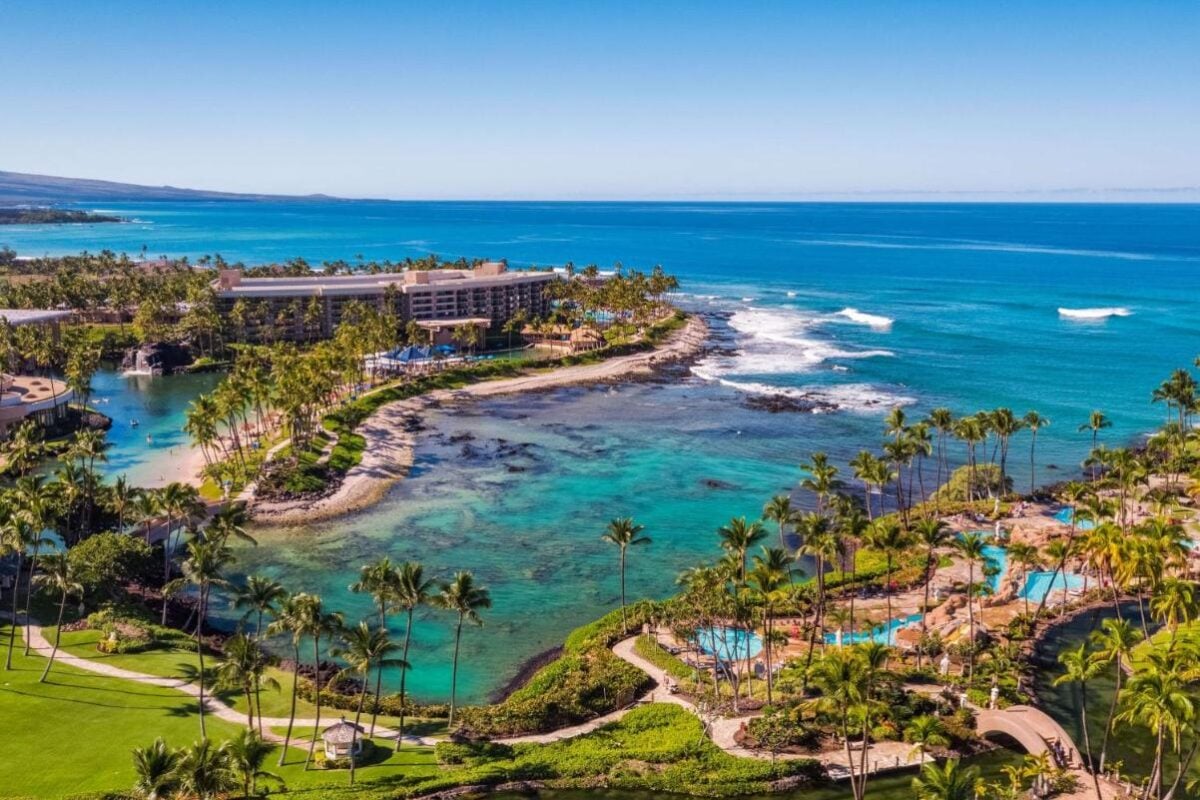
- Fairmont Orchid, Hawaii: This elegant resort on the Kohala Coast offers a truly luxurious experience with a strong emphasis on Hawaiian culture. Guests can enjoy a private beach lagoon, a 10,000-square-foot oceanfront pool, and a variety of dining options. Complimentary cultural activities, such as lei making and hula lessons, contribute to a rich and inclusive feeling, even without covering all meals.
Each of these resorts, while not strictly all-inclusive, offers an extraordinary level of comfort, amenity, and service that can make for a truly convenient and memorable Hawaiian vacation.
Maximizing Your Hawaiian Vacation: Tips and Considerations
Even without traditional all-inclusive options, a trip to Hawaii can be as relaxing or adventurous as you desire. The key lies in strategic planning and embracing the local ethos.
Embracing Local Cuisine and Activities
One of the greatest joys of visiting Hawaii is the opportunity to savor its unique culinary scene and engage in authentic cultural activities. Instead of limiting yourself to resort dining, venture out to local eateries, food trucks, and farmers’ markets. Try a traditional luau, sample fresh poke, enjoy shave ice, or visit a coffee plantation. Participate in a surfing lesson, snorkel at a vibrant reef, or hike a scenic trail. These experiences are often the highlight of a Hawaiian trip and connect you deeply with the destination.
The Benefits of Island Hopping
Don’t feel constrained to a single island. The ease of inter-island flights makes it simple to experience the diverse beauty of Hawaii. Combine the bustling city life of Honolulu on Oahu with the serene beaches of Maui or the dramatic cliffs of Kauai. Each island offers a distinct personality and a fresh set of adventures, providing a dynamic “multi-destination inclusive” experience.
Budgeting Beyond Accommodation
When planning your trip, remember to account for all potential costs beyond just your resort room. Factor in:
- Flights: Inter-island flights, if planning to island hop.
- Car Rentals: Essential for exploring most islands at your own pace. Book well in advance.
- Food and Drink: Beyond any meal plans, budget for snacks, drinks, and meals outside the resort.
- Activities and Excursions: Luau tickets, surfing lessons, snorkeling tours, helicopter rides, and national park fees.
- Resort Fees and Taxes: Many resorts charge mandatory daily resort fees, which cover various amenities but add to your overall cost.
- Gratuities: For service staff, tour guides, etc.
Booking Smart: Flights, Car Rentals, and Activities
- Book Early: Especially for peak travel seasons, booking flights, accommodations, and rental cars far in advance can secure better rates and ensure availability.
- Leverage Bundles: Look for flight + hotel packages offered by airlines or online travel agencies, which can sometimes provide savings.
- Travel Agents: A good travel agent specializing in Hawaii can help navigate the complexities, suggest suitable resorts, and often unlock special deals or perks.
- Credit Card Rewards: Utilize travel credit card points or benefits for flights, hotel stays, or to offset other travel expenses.
In conclusion, while the dream of a traditional all-inclusive resort might not fully materialize in Hawaii, the archipelago offers something arguably more profound: the freedom to curate a deeply personal and enriching vacation. By understanding the local hospitality model and leveraging the many resources available, you can design a Hawaiian getaway that provides all the convenience and luxury you desire, coupled with an unparalleled sense of discovery and connection to the heart of the Pacific.
LifeOutOfTheBox is a participant in the Amazon Services LLC Associates Program, an affiliate advertising program designed to provide a means for sites to earn advertising fees by advertising and linking to Amazon.com. Amazon, the Amazon logo, AmazonSupply, and the AmazonSupply logo are trademarks of Amazon.com, Inc. or its affiliates. As an Amazon Associate we earn affiliate commissions from qualifying purchases.