
Chicago, the vibrant “Windy City” nestled on the shores of Lake Michigan, beckons millions of visitors each year with its iconic skyline, world-class museums, diverse culinary scene, and lively entertainment. Whether you’re planning a luxurious weekend getaway, a budget-friendly family trip, or an extended business stay, understanding the local economy, particularly taxes, is crucial for effective budgeting and a seamless experience. Beyond the initial sticker price of goods and services, sales tax in Chicago can significantly impact your overall expenses. This comprehensive guide will demystify the sales tax landscape in Chicago, detailing its components, how it applies to various aspects of your trip, and providing practical tips for navigating your finances in this magnificent metropolis.
Deconstructing Chicago’s Sales Tax: What Travelers Need to Know
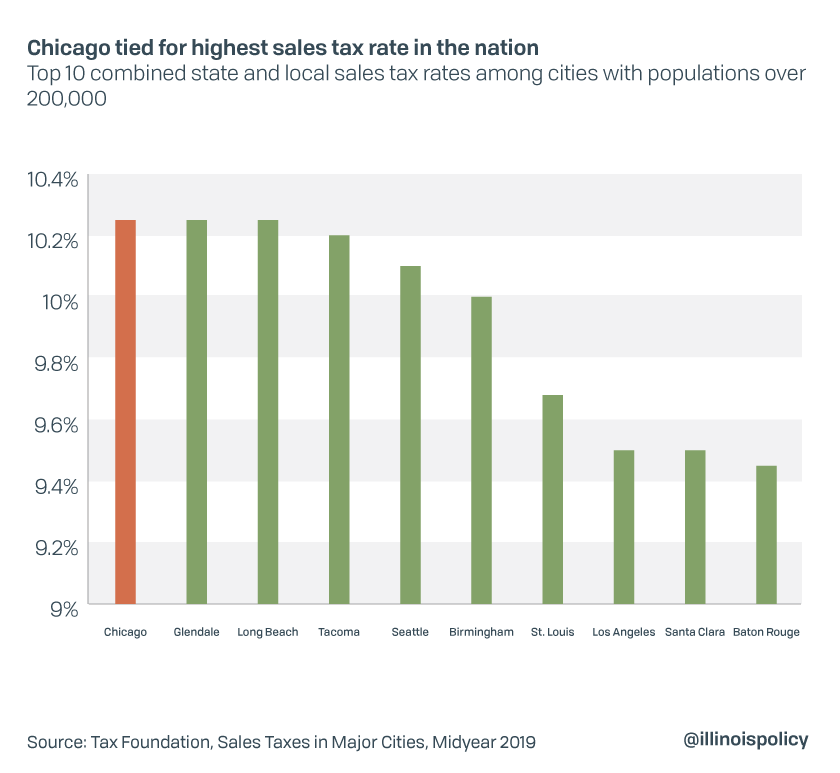
When you visit Chicago, you’re not just encountering the City of Chicago’s taxes; you’re also subject to Illinois state taxes and Cook County taxes. These layers combine to form one of the highest sales tax rates in the United States. As of the most recent figures, the general combined sales tax rate in Chicago is 10.25%. This rate is composed of:
- State of Illinois Sales Tax: 6.25%
- Cook County Sales Tax: 1.75%
- City of Chicago Sales Tax: 1.25%
- Regional Transportation Authority (RTA) Sales Tax: 1.00%
This 10.25% rate typically applies to most tangible goods purchased, from souvenirs and clothing to electronics and other retail items. However, not all purchases are treated equally under the tax code, especially concerning food, which is a significant part of any travel experience.
Sales Tax on Food: Prepared vs. Unprepared
One of the most common areas of confusion for travelers concerning sales tax involves food purchases. Illinois differentiates between prepared and unprepared food, impacting the tax rate you pay.
Dining Out: Prepared Foods and Beverages
When you dine at one of Chicago’s world-renowned restaurants, grab a quick bite from a deli, or order takeout, you will generally pay the full combined sales tax rate of 10.25% on your prepared food and non-alcoholic beverages. This includes meals served in restaurants, coffee from a café like Starbucks or a local independent coffee shop, hot food from grocery store delis, and snacks from convenience stores that are ready for immediate consumption. For instance, a classic Chicago deep-dish pizza from Lou Malnati’s Pizzeria or a gourmet meal in the West Loop will have this tax applied to the bill. Understanding this is key to budgeting for your culinary adventures, which are a cornerstone of Chicago tourism.
Grocery Shopping: Unprepared Foods
If you opt to cook some of your meals or stock up on snacks for your hotel room or apartment rental, you’ll be glad to know that unprepared foods – often referred to as groceries – are taxed at a significantly lower rate. In Illinois, most groceries, produce, and other items purchased for home consumption (e.g., from Whole Foods Market, Mariano’s, or local markets) are subject only to the state’s lower sales tax rate of 1.00%. This distinction makes a noticeable difference for budget-conscious travelers or those on longer stays who might frequent grocery stores. However, it’s important to note that alcoholic beverages sold in grocery stores are generally taxed at the full 10.25% rate. This slight variation can be a helpful tip for those considering a more budget travel approach or for family trips where meal planning might include a mix of dining out and preparing food in an accommodation with kitchen facilities.
Beyond General Sales Tax: Other Important Taxes for Visitors
While the general sales tax rate of 10.25% is crucial, travelers to Chicago should be aware of several other taxes that can impact their expenses, especially concerning accommodation, entertainment, and specific types of purchases. These additional taxes are vital for comprehensive travel planning and effective budgeting.
Hotel Occupancy Tax: A Major Consideration for Accommodation
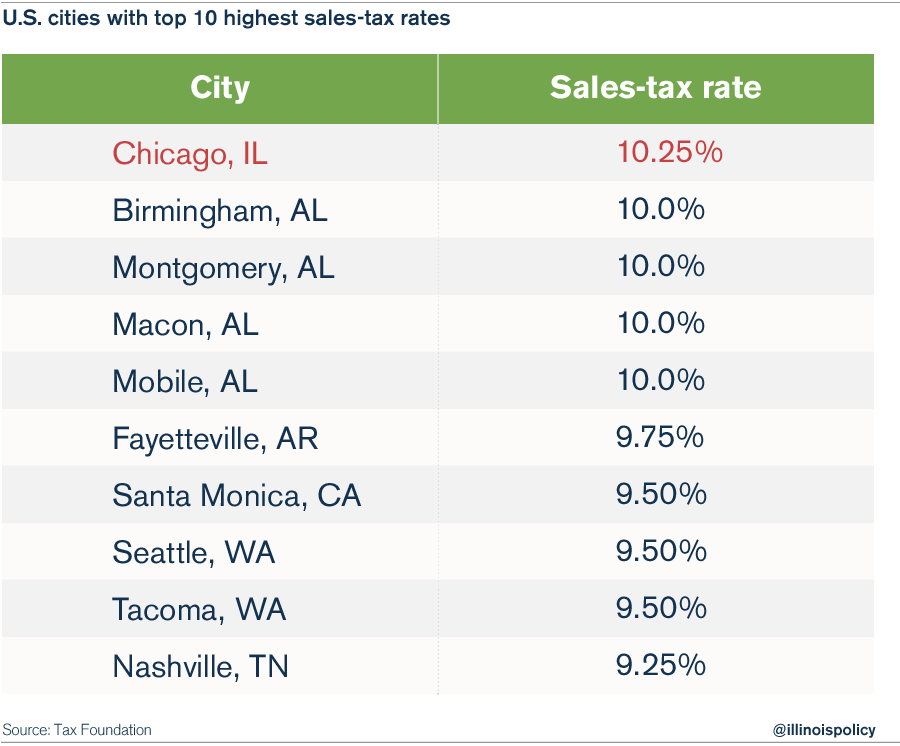
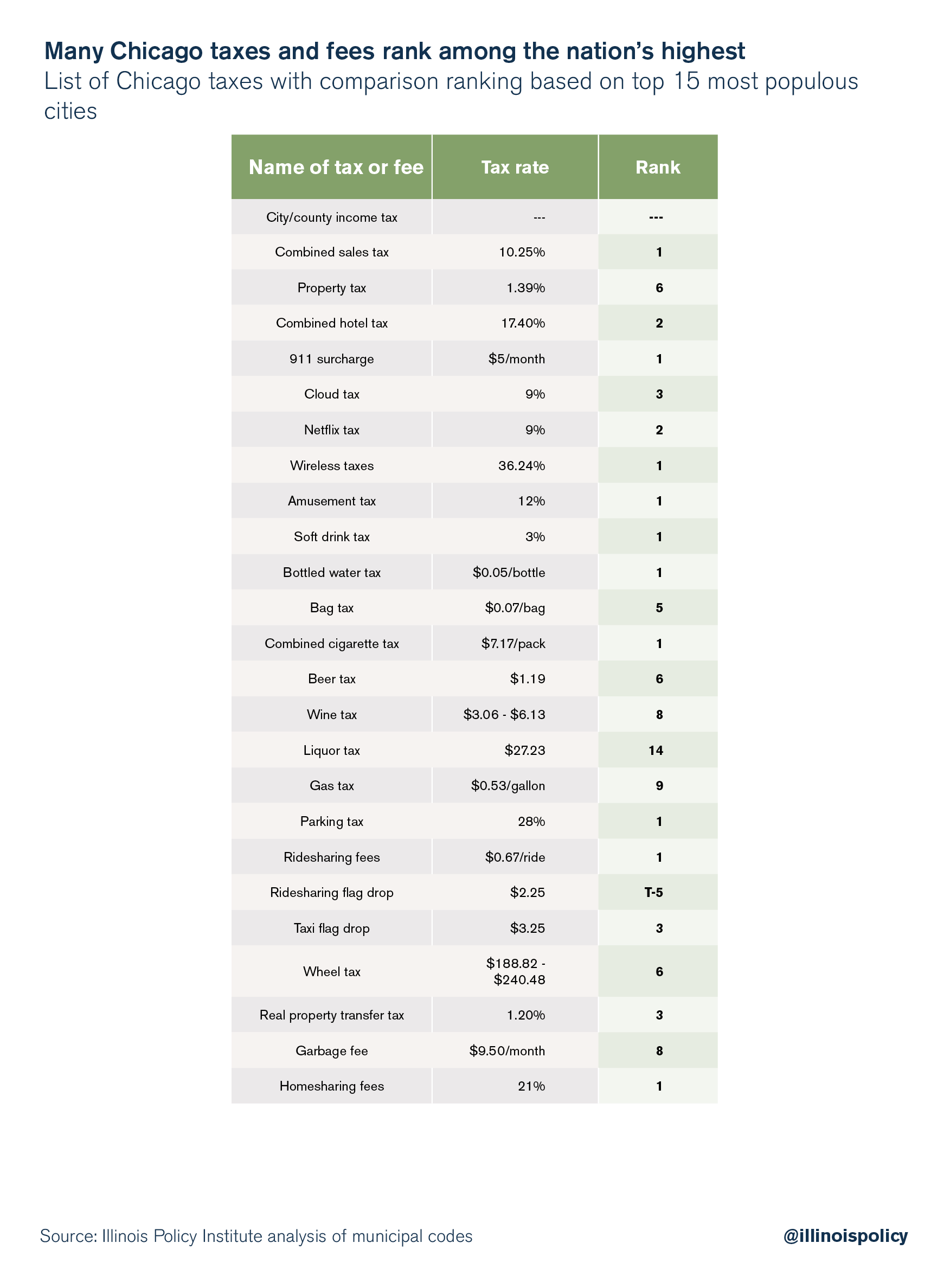
One of the most significant taxes for anyone visiting Chicago is the hotel occupancy tax, often referred to as a transient occupancy tax. This tax applies to all hotel stays, including suites, resorts, and short-term apartment or villa rentals. The combined hotel tax rate in Chicago is substantial, totaling 17.4% as of recent data. This rate comprises:
- Illinois State Hotel Occupancy Tax: 6.0%
- Cook County Hotel Occupancy Tax: 1.0%
- City of Chicago Hotel Occupancy Tax: 4.5%
- Metropolitan Pier and Exposition Authority (MPEA) Hotel Tax: 2.5%
- Chicago Hotel Tax (Additional): 3.4% (often includes local tourism and development surcharges)
This means that if you book a room at the Waldorf Astoria Chicago, the Hyatt Regency Chicago, or any other accommodation provider, you will pay an additional 17.4% on top of the advertised room rate. This is a critical factor when comparing hotel prices and finalizing your accommodation budget. For a $200 per night room, an extra $34.80 per night will be added, which can quickly accumulate over several days. Always factor this into your financial planning, especially when considering luxury travel options where base rates are already higher. Many online booking platforms and hotel reviews may show the base rate, but the final price will reflect these taxes.
Amusement Tax: Enjoying Chicago’s Attractions and Events
Chicago is brimming with cultural attractions, live music venues, sporting events, and various forms of entertainment. To support these vibrant offerings, the City of Chicago levies an Amusement Tax. This tax applies to tickets and admission fees for a wide range of activities, including:
- Museums: Such as the Art Institute of Chicago, Field Museum, and Shedd Aquarium.
- Concerts and Live Performances: From intimate jazz clubs to large venues like the United Center or Wrigley Field for concerts.
- Sporting Events: Attending a Chicago Bulls game, Chicago Blackhawks game, or Chicago Cubs baseball game.
- Theater Productions: Enjoying a show in the Chicago Theatre District.
- Tours and Boat Rides: Exploring Lake Michigan or the Chicago River with an architectural tour.
The Amusement Tax rate can vary, but it’s typically around 9% for general admissions and even higher for certain types of events or venues, such as large-capacity events which can be up to 12%. This tax is usually included in the ticket price you see, but it’s an important component to be aware of when planning your itinerary and budgeting for the many landmarks and cultural experiences Chicago has to offer. Checking the final price before purchase is always a good practice.
Rental Car Tax: Exploring Beyond the Downtown Core
For visitors who plan to explore areas outside the immediate downtown Chicago core or venture into surrounding suburbs and Illinois countryside, renting a car might be an option. Be aware that rental cars are subject to various taxes and fees in Chicago and Illinois. In addition to the standard sales tax on the rental transaction (which can be a combination of state and local rates), there is typically a daily rental car tax imposed by the City of Chicago and potentially a statewide vehicle rental tax. These fees can add several dollars per day to your rental cost, making it significantly more expensive than the base rate. Always review the full breakdown of costs when booking a rental car to avoid surprises. For many tourists focused on city attractions, Chicago’s extensive public transportation system (CTA) is often a more cost-effective and convenient alternative, helping to bypass these additional taxes.
Budgeting for Your Chicago Experience: Practical Tips
Navigating the various taxes in Chicago can seem daunting, but with a bit of foresight, you can effectively manage your travel expenses. Here are some practical tips to help you budget for your Chicago trip:
- Factor in Taxes from the Start: When calculating your estimated expenses for accommodation, dining, shopping, and attractions, always add an allowance for taxes. For hotels, remember the 17.4% occupancy tax. For most retail purchases and prepared food, assume 10.25%.
- Utilize Grocery Stores for Savings: If you’re staying in an accommodation with a kitchen, taking advantage of local grocery stores for breakfast items, snacks, and some meals can significantly reduce your food budget due to the lower 1.00% tax rate on unprepared foods.
- Explore Free and Low-Cost Attractions: Chicago offers many fantastic free attractions that are not subject to amusement tax. Stroll through Millennium Park to see “The Bean” (Cloud Gate), walk along the Magnificent Mile for window shopping (purchases still taxed, of course), relax at Lincoln Park Zoo, or enjoy the views from the Lakefront Trail. These experiences offer immense value without added tax burdens.
- Look for All-Inclusive Pricing: When booking hotels or tour packages, some providers might offer pricing that includes taxes and fees. While this doesn’t eliminate the taxes, it presents the total cost upfront, simplifying your budgeting. Always confirm what is included.
- Consider a CityPASS: For visitors planning to visit multiple major museums and attractions, a Chicago CityPASS can offer significant savings compared to purchasing individual tickets, potentially offsetting some of the amusement tax impact. Check if the listed price includes all applicable taxes and fees.
- Public Transportation Over Rental Cars: Unless absolutely necessary for specific itineraries, relying on Chicago’s efficient CTA system (trains and buses) can save you money on rental car taxes, fuel, and expensive city parking.
- Keep an Eye on Receipts: Always review your receipts to ensure that taxes are applied correctly, especially in restaurants or stores where mistakes can occasionally happen.
Enhancing Your Chicago Visit with Tax Awareness
Understanding the sales tax and other local taxes in Chicago is more than just a financial exercise; it’s an integral part of preparing for a successful and stress-free trip. By being informed, you can make more educated decisions about your accommodation choices, dining preferences, shopping habits, and entertainment plans. This knowledge empowers you to enjoy all that Chicago has to offer, from exploring architectural marvels like the Willis Tower and the John Hancock Center (now 875 North Michigan Avenue) to experiencing its vibrant local culture and world-class food scene, without unwelcome financial surprises.
Whether you’re visiting for a quick business stay or an immersive travel experience, Chicago’s charm is undeniable. With these tax insights in hand, you’re better equipped to plan your lifestyle choices during your stay, ensuring that your memories of the “Second City” are rich with experiences, not unexpected expenditures. Enjoy your journey through Chicago, a city that truly offers something for everyone.
LifeOutOfTheBox is a participant in the Amazon Services LLC Associates Program, an affiliate advertising program designed to provide a means for sites to earn advertising fees by advertising and linking to Amazon.com. Amazon, the Amazon logo, AmazonSupply, and the AmazonSupply logo are trademarks of Amazon.com, Inc. or its affiliates. As an Amazon Associate we earn affiliate commissions from qualifying purchases.