
North California, celebrated for its sun-drenched beaches, rolling vineyards, and ancient Redwood forests, also conceals a stunning secret: its strikingly cold places. Far from the mild coastal breezes of San Francisco or the warmth of the Central Valley, distinct regions within [North California] transform into genuine winter wonderlands. These areas, defined by snow-capped peaks, icy lakes, and crisp mountain air, are primarily found within the majestic Sierra Nevada mountain range and other high-elevation locales. They provide a refreshing contrast and an invigorating escape, ideal for adventure seekers, nature lovers, and anyone eager to embrace the chill. This guide explores these colder havens, detailing their unique travel experiences, accommodation options, and the distinct lifestyle they offer.
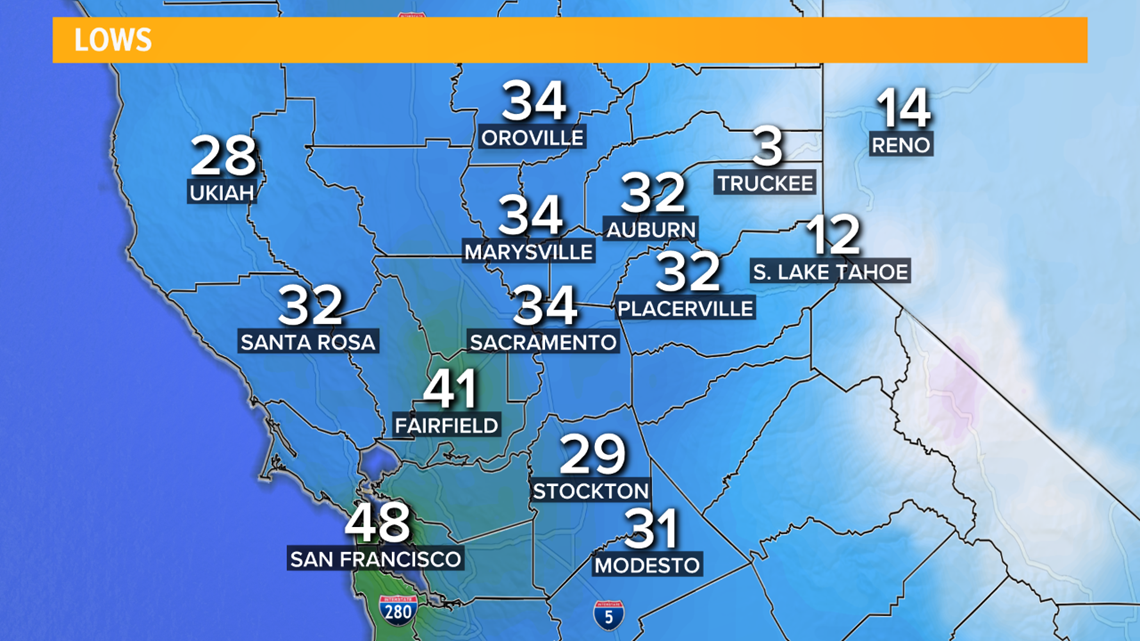
Geographical Factors Shaping North California’s Cold Zones
[North California]’s diverse geography primarily dictates its varied climates. While the Pacific Ocean moderates coastal temperatures, the interior is profoundly shaped by towering mountain ranges. The formidable [Sierra Nevada], stretching over 400 miles, acts as a crucial climatic barrier, influencing precipitation and temperature. As elevation increases, temperatures plummet, resulting in abundant snowfall, transforming landscapes into picturesque winter playgrounds. Understanding these geographical nuances is fundamental to appreciating the allure of [North California]’s coldest regions. Beyond the [Sierra Nevada], other significant cold areas include the rugged Klamath Mountains and the volcanic landscapes surrounding Mount Shasta and Lassen Peak, hosting unique ecosystems.Key Climate Influencers
Several interconnected geographical factors contribute to [North California]’s frigid conditions:
- Elevation: This is the most critical factor. Temperatures drop by approximately 3.5 degrees Fahrenheit for every 1,000 feet of elevation gain. Locations like Donner Pass (over 7,000 feet) or around Lake Tahoe (6,225 feet) are inherently much colder.
- Mountain Ranges: Ranges like the [Sierra Nevada] and Cascade Range significantly influence local weather. They block warm air masses and channel cold air, often leading to heavy snowfall on windward slopes.
- Continental Effects: The eastern [Sierra Nevada] can experience continental climate characteristics, meaning larger temperature swings and colder winters, due to distance from the Pacific Ocean.
- Microclimates: Specific valleys or high-altitude plateaus within these regions can create unique microclimates, trapping cold air and leading to even lower localized temperatures. A prime example is the high country of Yosemite National Park.
Premier Cold-Weather Destinations
For those captivated by crisp air, expansive snowy vistas, and winter activities, [North California] offers several prime destinations that truly embrace the cold. These locations provide deeply immersive experiences, from world-class skiing to tranquil snowshoeing, all set against breathtaking backdrops. Each spot offers distinct attractions, diverse accommodation styles, and ample opportunities for adventure.
Lake Tahoe: An Alpine Playground
[Lake Tahoe], one of North America’s most celebrated alpine lakes, gracefully spans the border of California and Nevada. Its elevation (over 6,000 feet) ensures generous snow, transforming the region into a premier destination for skiers and snowboarders. The lake’s deep blue waters, encircled by majestic pine forests and towering peaks, remain invigoratingly cold year-round.- Travel & Attractions: Home to resorts like Palisades Tahoe, Heavenly Mountain Resort, and Northstar California Resort, [Lake Tahoe] offers downhill skiing, cross-country skiing, snowshoeing, and ice skating. Warmer months bring cold-water swimming, kayaking, and hiking along trails like the Rubicon Trail, with views of Emerald Bay and Vikingsholm Castle.
- Accommodation & Lifestyle: Accommodation is vast. Luxury resorts like Ritz-Carlton, Lake Tahoe in Truckee offer upscale amenities and ski-in/ski-out access. Mid-range options include boutique hotels in South Lake Tahoe or family-friendly lodges in Tahoe City. Vacation rentals and cozy cabins (often with fireplaces and hot tubs) are popular for groups/longer stays. [Lake Tahoe]’s lifestyle caters to diverse interests: family trips, adventure seekers, and those desiring relaxation. Towns offer a vibrant après-ski scene.
Mount Shasta: Spiritual Peaks and Winter Sports
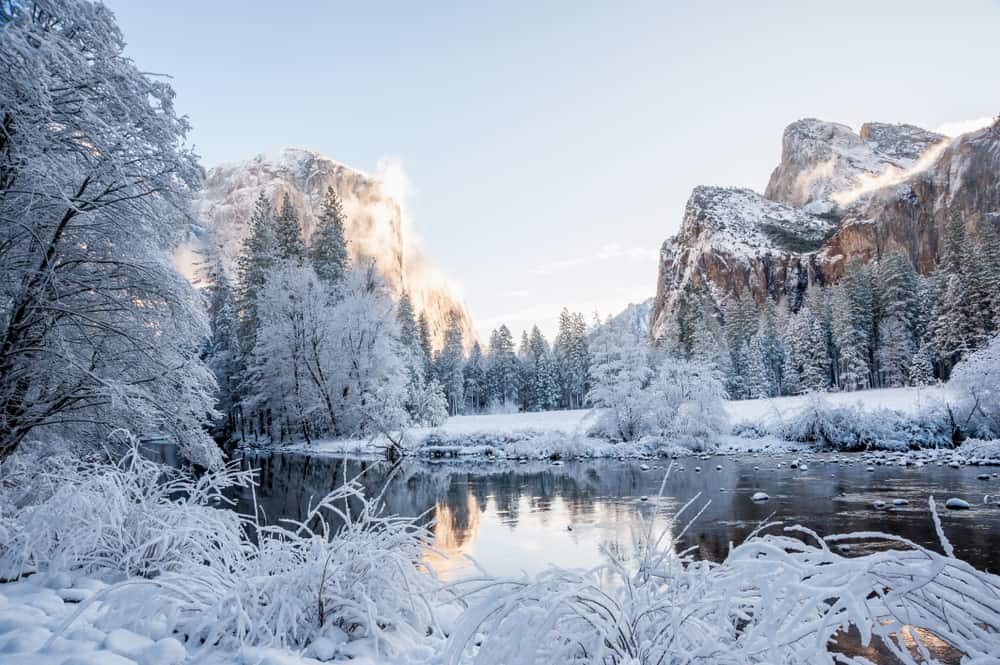
Further north, the imposing, perpetually snow-capped stratovolcano of [Mount Shasta] majestically dominates the landscape, lending its name to Mount Shasta City. This area, part of the southern [Cascade Range], is renowned for its spiritual allure, pristine wilderness, and consistently cold temperatures, particularly in winter. The mountain itself is a powerful landmark, attracting climbers, hikers, and spiritual seekers.
- Travel & Attractions: While climbing [Mount Shasta] is a serious undertaking, many hike its lower slopes. The Mount Shasta Ski Park offers downhill skiing/snowboarding. Trails provide opportunities for cross-country skiing, snowshoeing, and ice climbing. The region includes mystical sites like the Sacred Headwaters of the Sacramento River in City Park and striking waterfalls such as McCloud Falls, which often freeze dramatically.
- Accommodation & Lifestyle: [Mount Shasta City] offers quaint bed and breakfasts, small hotels, and vacation rentals, often with a rustic, lodge-like feel. Options range from the historic Mount Shasta Resort to independent inns. Budget travelers find comfortable motels. The emphasis is on cozy, nature-immersed experiences. The lifestyle around [Mount Shasta] is laid-back, focusing on nature and wellness, attracting outdoor enthusiasts and those seeking quiet retreats.
Lassen Volcanic National Park: Geothermal Wonders in the Snow
For a truly unique cold-weather experience, Lassen Volcanic National Park presents a landscape of steaming fumaroles, boiling mud pots, and picturesque lakes, all set amidst towering peaks that receive immense snowfall. As one of the few areas globally hosting all four types of volcanoes, it’s a geological marvel. Its high elevation ensures cold temperatures, making it a spectacular winter destination.
- Travel & Attractions: In winter, the park’s main road closes, creating incredible opportunities for cross-country skiing and snowshoeing to sites like Manzanita Lake and the Devastated Area. Geothermal features provide striking contrasts against the white landscape. Ranger-led snowshoe tours are often available.
- Accommodation & Lifestyle: Accommodation within [Lassen Volcanic National Park] is limited, with [Manzanita Lake Cabins] being a seasonal option. Nearby towns like Mineral and Chester offer small motels, inns, and vacation rentals. Red Bluff, further west, provides more hotel options but requires a longer drive. [Lassen] appeals to adventurous travelers and those interested in geology and wilderness, offering a more rustic and secluded experience.
Planning Your North California Cold-Weather Escape
A journey to [North California]’s colder regions requires thoughtful planning for a safe, comfortable, and enjoyable experience. From packing appropriate gear to choosing suitable accommodation and understanding local conditions, preparation is paramount to fully enjoying these stunning winter landscapes.
Essential Cold-Weather Travel Tips
- Layer Up: Crucial for cold climates. Invest in quality base layers, insulating mid-layers (fleece/down), and a waterproof/windproof outer shell. Include warm, waterproof boots, thermal socks, gloves/mittens, and a hat.
- Check Road Conditions: Mountain roads often close due to snow or require tire chains. Always consult the Caltrans website or local reports before traveling, especially during winter storms.
- Vehicle Preparedness: Ensure your vehicle is winterized: proper tires, checked fluid levels, and an emergency kit (blankets, shovel, flashlight, food/water).
- Hydrate & Fuel: Cold weather is dehydrating. Drink plenty of water and carry snacks for energy, particularly during outdoor activities.
- Sun Protection: Snow reflects sunlight, intensifying UV rays. Wear sunglasses/goggles and apply sunscreen.
- Book in Advance: Accommodation, especially in popular spots like [Lake Tahoe] during peak season, fills quickly.
- Respect Environment: Stick to marked trails, pack out all waste, and be mindful of wildlife.
Accommodation and Booking Choices
Choosing the right accommodation is vital. Options range from luxurious resorts to rustic cabins, offering varied experiences.
- Luxury Resorts: For an indulgent experience, consider [The Ritz-Carlton, Lake Tahoe] or Hyatt Regency Lake Tahoe Resort, Spa and Casino in Incline Village. They offer premium amenities and convenient access to slopes.
- Boutique Hotels & Inns: Many towns feature charming, independently owned hotels offering a personal touch, often with cozy common areas and fireplaces.
- Vacation Rentals & Cabins: Ideal for families, groups, or longer stays. Platforms like Airbnb and VRBO offer diverse options, many with kitchens and private hot tubs.
- Budget-Friendly Stays: Motels and some chain hotels are available in larger towns. Some campgrounds remain open year-round for experienced cold-weather campers.
- Key Amenities: Prioritize accommodation with good heating, hot water, and potentially a fireplace or hot tub. Check reviews for heating and insulation.
