
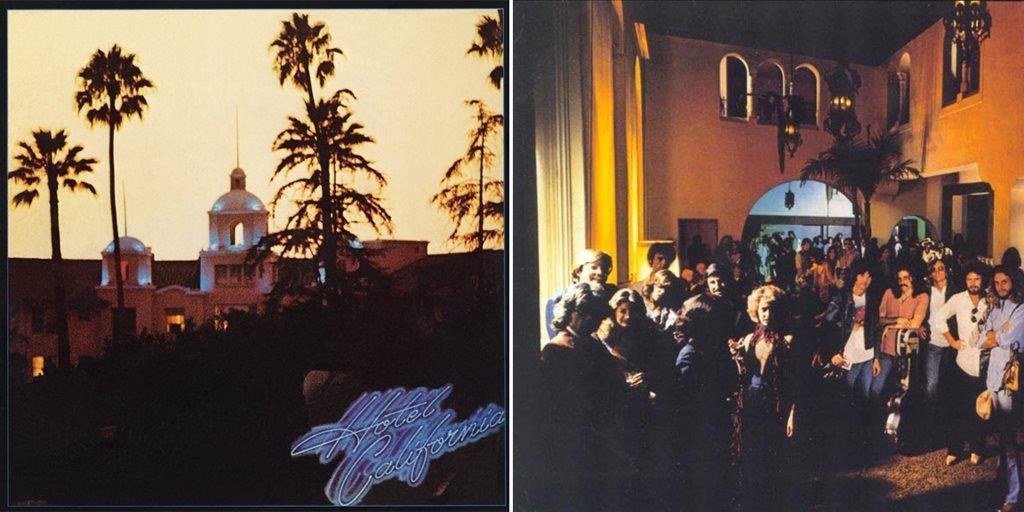
Few songs in the annals of music history have captivated imaginations and sparked as much debate as “Hotel California” by The Eagles. Released in 1976, this enigmatic masterpiece quickly transcended its musical origins to become a cultural phenomenon, a haunting melody accompanied by cryptic lyrics that invite endless interpretation. For decades, fans, critics, and academics alike have pondered its true meaning, dissecting every line and every metaphor in a quest to unlock its secrets. Yet, the beauty of “Hotel California” lies precisely in its ambiguity, allowing it to resonate on multiple levels, especially when viewed through the lens of travel, accommodation, lifestyle, and the allure of iconic destinations.

From a weary traveler pulling off a dark desert highway to the unsettling grandeur of a lavish hotel, the song paints a vivid picture that speaks volumes about the human condition, the pursuit of desires, and the often-unseen costs of perceived paradise. It’s a narrative that intertwines with the very essence of exploration – seeking new experiences, finding respite, or perhaps, unknowingly stumbling into a trap. This article delves into the various interpretations of “Hotel California,” exploring how its themes of luxury, illusion, and entrapment connect profoundly with our modern understanding of destinations, accommodations, and the lifestyles we seek, or sometimes inadvertently fall into, when we venture out into the world.
The Allure of a Destination: California Dreaming and the Golden State’s Embrace
The opening lines of “Hotel California” immediately set a scene familiar to many travelers: a long journey, the fatigue, and the sudden appearance of a welcoming beacon in the distance. This narrative arc is a fundamental aspect of any travel experience, where the destination promises solace, excitement, or a transformative encounter.
The Literal and the Lyrical Journey
The song begins with a vivid depiction of a weary traveler on a “dark desert highway,” feeling “cold wind in my hair” and smelling “the warm smell of colitas, rising up through the air.” This imagery immediately evokes the vast, often lonely, expanses of the American Southwest, leading to the dreamlike promise of California. For many, California has long represented a mythical land of opportunity, sunshine, and endless possibilities – the quintessential “Golden State.” It’s a place people travel to, seeking a new beginning, a chance at fame, or simply an escape from the mundane.
The traveler’s journey culminates in the sighting of a “flickering light” in the distance, promising rest and reprieve. This moment perfectly encapsulates the anticipation and hope that define the search for the perfect accommodation after a long day of travel. Whether it’s a cozy guesthouse, a bustling resort, or a luxurious Grand Hyatt Hotel that catches the eye, the initial impression of a place offering comfort and hospitality is incredibly powerful. The song’s initial attraction to the physical Hotel California mirrors our own desires when browsing travel guides or booking websites – we are drawn to the promise of an ideal escape, a place where our needs will be met, and our dreams might even come true.
Southern California as a Metaphorical Landscape
Beyond the literal interpretation, the setting of Southern California, particularly Los Angeles, serves as a potent metaphor within the song. In the 1970s, as now, Los Angeles was a magnet for those chasing fame, fortune, and a hedonistic lifestyle. The city, and by extension, the entire region of Southern California, represented a specific kind of “dream” – one often characterized by glitz, glamour, and excess.
The song subtly criticizes the superficiality and moral decay that The Eagles perceived beneath the glittering façade of this vibrant destination. The “pink champagne on ice” and “mirrors on the ceiling” paint a picture of opulent luxury, yet there’s an underlying current of unease. This duality reflects the broader experience of tourism: a place can be marketed as an idyllic paradise, yet beneath the surface, there might be a less appealing reality. Travelers are often drawn to destinations for their perceived culture, attractions, or “vibe,” but the authentic experience can sometimes reveal a darker, more complex truth. Hotel California, in this sense, becomes a symbol not just of a physical location but of an entire lifestyle and the cultural zeitgeist of an era, inviting us to look beyond the brochure and consider the true nature of the places we visit and the lives people lead within them.
Unpacking the Hotel: A Microcosm of Luxury, Excess, and Illusion
The heart of the song’s narrative lies within the walls of the eponymous hotel. It is here that the themes of accommodation, lifestyle, and the seductive traps of perceived luxury truly come alive, offering a rich tapestry for interpretation relevant to anyone involved in travel and hospitality.
The Hotel as an Accommodation Experience
From the moment the traveler steps inside, the Hotel California is described with an air of unsettling grandeur. The “warm smell of colitas” (often interpreted as cannabis) gives way to “her mind is Tiffany-twisted,” and she’s got “the Mercedes bends.” These details immediately establish a setting of affluence and perhaps a certain moral looseness. The imagery of “mirrors on the ceiling” and “pink champagne on ice” speaks directly to the lavish amenities and indulgent experiences offered by high-end resorts and luxury suites. Imagine a five-star property boasting opulent decor, round-the-clock service, and every conceivable comfort – the kind of place where guests are encouraged to forget the outside world and immerse themselves in extravagance.
However, the luxury presented by the Hotel California comes with an eerie undertone. The “pretty, pretty boys” and “sweet summer sweat” suggest a hedonistic atmosphere, while the declaration that “we are all just prisoners here, of our own device” hints at a deeper, more sinister truth behind the gilded façade. This serves as a cautionary tale for those seeking accommodation: while a hotel might promise a perfect escape, its true character, the people it attracts, and the experiences it facilitates can vary wildly. Booking reviews and comparisons become crucial tools for travelers to discern genuine hospitality from something more superficial or even detrimental. The song forces us to consider not just the physical comforts of our stay but the overall environment and influence of our chosen accommodation.
The Trappings of a Certain Lifestyle

Beyond a mere place to sleep, the Hotel California embodies a particular lifestyle – one often associated with the pursuit of pleasure, fame, and material wealth characteristic of Los Angeles in the 1970s. This lifestyle, while outwardly glamorous, is portrayed as ultimately consuming and empty. The lyrics paint a picture of a gilded cage where indulgence becomes a form of imprisonment. The constant availability of “pink champagne” and the “sweet summer sweat” of endless parties suggest a life steeped in excess, which, for many, is the allure of luxury travel. People book penthouse suites, all-inclusive resorts, and exclusive villas precisely for this taste of unrestrained opulence.
Yet, the song suggests that this lifestyle, when taken to extremes, leads to a loss of self and genuine connection. The hotel’s inhabitants are depicted as lost souls, caught in a cycle of gratification. This aspect of the song profoundly connects to the lifestyle choices we make, particularly when traveling. Are we seeking authentic experiences and cultural immersion, or are we chasing an idealized, perhaps even detrimental, image of luxury? The Hotel California acts as a powerful metaphor for the dangers of succumbing to the allure of a superficial existence, where the promise of eternal pleasure masks a deeper, unresolvable void. It prompts travelers and lifestyle enthusiasts to consider the true value and long-term impact of their choices, whether in selecting a holiday destination or defining their personal aspirations.
The Psychological Chains of a Long-Term Stay
The most chilling and iconic line in the song, “You can check out any time you like, but you can never leave,” succinctly captures the essence of entrapment. This isn’t just about a physical building; it’s about a psychological state, a commitment to a way of life that becomes impossible to escape. This concept resonates strongly with the idea of a long-term stay or a semi-permanent relocation, where what initially seems like a temporary arrangement becomes something more binding.
For some, the “never leave” aspect might symbolize addiction – to drugs, alcohol, or even the relentless pursuit of fame and fortune. For others, it represents the seductive grip of the music industry itself, which promised riches but often delivered isolation and burnout to artists like The Eagles. The band members, including Don Henley, Glenn Frey, Joe Walsh, Randy Meisner, and Don Felder, were very much a part of the Los Angeles scene and understood its complexities firsthand.
In the context of travel and accommodation, this line serves as a powerful metaphor for various situations. It could describe someone who moves to a new city, enchanted by its initial promise, only to find themselves unable to leave due to financial constraints, personal relationships, or simply the inertia of habit. It also speaks to the profound impact a place can have on an individual, shaping their identity and choices to such an extent that leaving feels like losing a part of themselves. This interpretation challenges the notion of easy “check-outs” and highlights the deeper psychological connections that can form with destinations and the communities within them, turning what was intended as a temporary stay into an enduring, perhaps inescapable, reality.
Deeper Meanings and Enduring Resonance: Beyond a Mere Accommodation
The enduring popularity of “Hotel California” stems from its multifaceted nature, allowing it to serve as a commentary on universal human experiences far beyond its immediate narrative. Its themes continue to resonate with travelers and lifestyle seekers today.
The American Dream’s Dark Underbelly
One of the most prevalent interpretations of “Hotel California” views it as a poignant critique of the American Dream gone awry. The dream, traditionally built on the ideals of freedom, opportunity, and the pursuit of happiness through hard work, had, by the 1970s, arguably morphed into a relentless chase for material wealth, superficial glamour, and instant gratification, particularly in places like Hollywood and Beverly Hills. The song juxtaposes the idyllic vision of California with a darker reality, where spiritual emptiness and moral decay lurk beneath a veneer of prosperity.
The hotel itself becomes a symbol of this corrupted dream: alluring and promising everything, but ultimately delivering a hollow existence. The constant pursuit of “more” – more luxury, more pleasure, more fame – leads not to fulfillment but to a state of being “prisoners of our own device.” This commentary remains highly relevant in an era where the pursuit of an aspirational lifestyle, often showcased through luxury travel and exclusive experiences, can sometimes mask a deeper search for meaning. The song serves as a landmark warning, reminding us that true happiness and freedom cannot be bought or found in material possessions or fleeting pleasures, regardless of how luxurious the setting. It encourages us to question what we are truly seeking when we travel and whether our destinations align with our deeper values.
The Music Industry as a Golden Cage
Given The Eagles‘ own experiences, it’s widely believed that “Hotel California” is also a biting allegory for the music industry itself. In the mid-1970s, the industry was a powerful, often predatory, machine, particularly in Los Angeles. It promised unimaginable fame and fortune, luring artists with the allure of a glamorous lifestyle, only to trap them in contracts, expectations, and the relentless pressure of celebrity. The hotel, with its alluring yet sinister atmosphere, perfectly encapsulates this dynamic. Artists were welcomed into a world of excess, “pink champagne on ice,” and constant parties, but found it incredibly difficult to maintain their artistic integrity or simply leave the rat race.
The line “you can check out any time you like, but you can never leave” takes on a particularly potent meaning here. Once an artist achieves a certain level of fame, their identity becomes intertwined with their public persona and the demands of their career. The spotlight, the fans, the expectations – these can become a gilded cage, making a return to a “normal” life almost impossible. This interpretation offers a unique perspective on the “lifestyle” of creative professionals and highlights the unseen struggles behind the glamorous façade. For anyone dreaming of a career in the arts or entertainment, the song serves as a powerful reminder of the potential pitfalls and the importance of understanding the landscape they are entering, much like understanding the local culture and potential challenges of a new tourist destination.
Cultural Impact and Travel Narratives
The enduring appeal of “Hotel California” lies in its ability to tap into universal anxieties and aspirations. Its themes of searching, belonging, temptation, and consequence are timeless. The song has become a cultural landmark in itself, influencing perceptions of California and the broader American Dream. It’s frequently referenced in travel literature, film, and other media, shaping a certain mystique around the idea of a destination that promises everything but may demand more than one is willing to give.
When travelers plan a trip to California, especially to Los Angeles, the lyrics of “Hotel California” often linger in the back of their minds, adding a layer of depth and contemplation to their experience. It encourages a more critical, reflective approach to travel – prompting questions about the authenticity of attractions, the impact of tourism on local culture, and the true meaning of the “experiences” we seek. Whether interpreted literally as a creepy roadside inn, metaphorically as the hedonism of the 70s music scene, or allegorically as the human struggle with temptation, “Hotel California” transcends its musical form to become a powerful narrative. It serves as a reminder that every destination, every accommodation, and every lifestyle choice carries with it a story, a potential for both wonder and disillusionment, and an invitation to look beyond the surface.
In conclusion, “Hotel California” by The Eagles is far more than just a song; it is a complex, multi-layered cultural artifact. Its haunting melody and cryptic lyrics invite listeners to interpret its meaning through personal experiences and broader societal contexts. Whether one views it as a cautionary tale about the perils of excess in Southern California, a critique of the music industry, or a universal allegory for addiction and entrapment, its relevance to themes of travel, accommodation, and lifestyle is undeniable. It reminds us that while the allure of a new destination or a luxurious stay can be incredibly powerful, it’s essential to understand the deeper implications of where we go and how we choose to live – because sometimes, you can check out any time you like, but you can never truly leave.
LifeOutOfTheBox is a participant in the Amazon Services LLC Associates Program, an affiliate advertising program designed to provide a means for sites to earn advertising fees by advertising and linking to Amazon.com. Amazon, the Amazon logo, AmazonSupply, and the AmazonSupply logo are trademarks of Amazon.com, Inc. or its affiliates. As an Amazon Associate we earn affiliate commissions from qualifying purchases.