
For travelers, remote workers, and anyone planning to connect across continents, understanding time zones is a foundational element of seamless planning. Few questions are as pertinent as “How many hours is [place] behind or ahead?” when discussing a major global destination like California. Often seen as the golden state of innovation, entertainment, and breathtaking landscapes, California’s position in the Pacific Time Zone (PT) dictates its temporal relationship with the rest of the world. Whether you’re flying in for a dream vacation, coordinating a business meeting, or simply calling family, knowing the exact time difference is crucial for avoiding missteps and maximizing your experience.
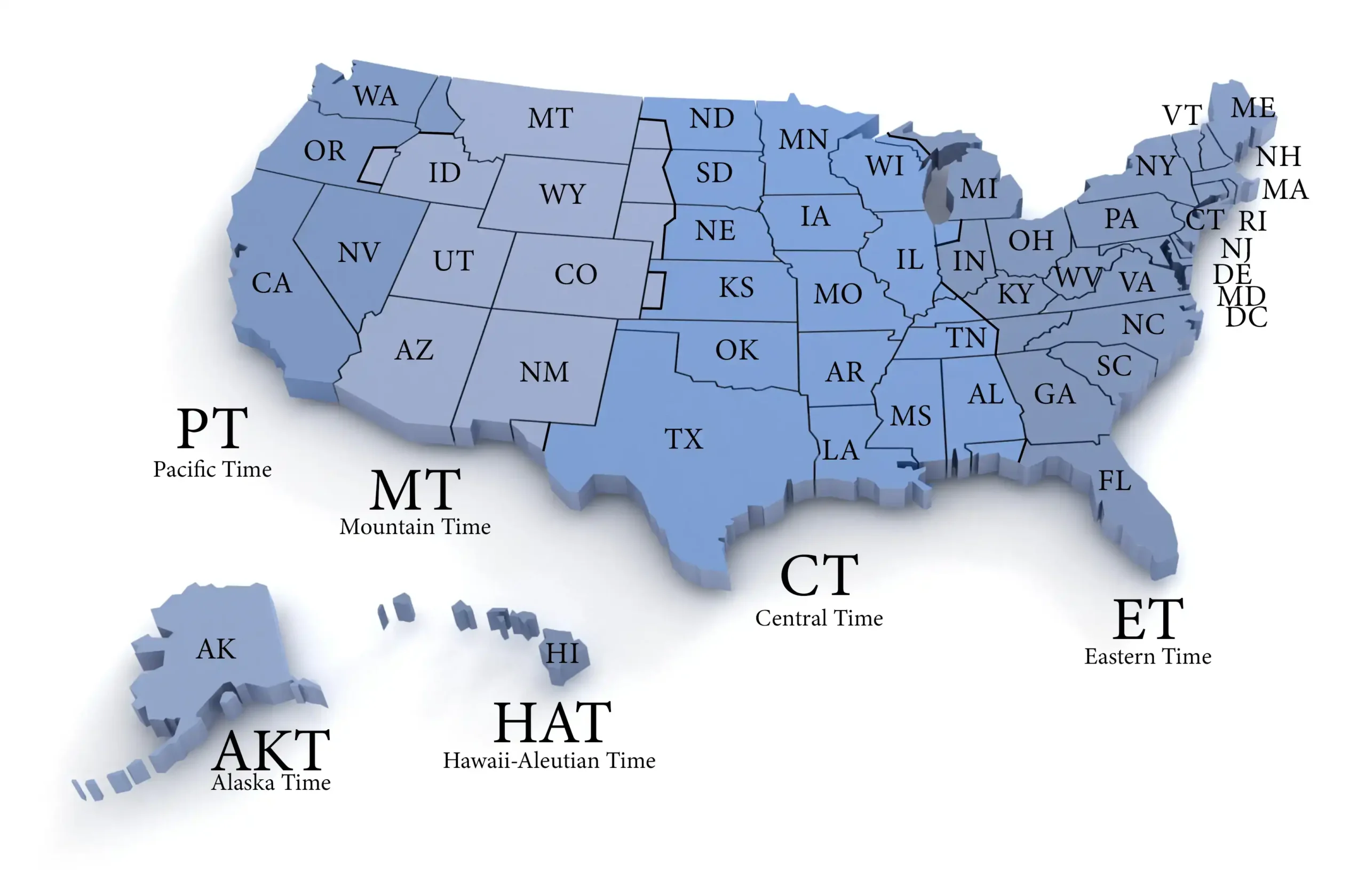
California primarily observes Pacific Standard Time (PST) during the winter months, which is UTC-8 (Coordinated Universal Time minus eight hours). When Daylight Saving Time (DST) comes into effect, typically from March to November, the state switches to Pacific Daylight Time (PDT), which is UTC-7. This shift means that for roughly half the year, California is seven hours behind UTC, and for the other half, eight hours behind. This seemingly simple fact carries profound implications for travel logistics, communication strategies, and even your body’s internal clock, especially if you’re venturing from the far reaches of the globe.
Understanding California’s time zone is more than just a trivial detail; it’s a vital piece of the puzzle for anyone looking to fully immerse themselves in the state’s vibrant culture, explore its iconic landmarks, or simply navigate its bustling cities. From coordinating hotel check-ins in Los Angeles to scheduling a sunrise hike in Yosemite National Park, a firm grasp of the time difference can make all the difference between a smooth journey and a series of frustrating delays.
Navigating California’s Time Zone: PST vs. PDT
At its core, California’s time identity is anchored to the Pacific Time Zone. This zone encompasses a significant portion of the western United States and parts of Canada and Mexico. The consistent application of Daylight Saving Time within California means that visitors and residents alike must be aware of the annual switch. This change occurs on the second Sunday in March when clocks “spring forward” one hour, and on the first Sunday in November when they “fall back.”
During PST, California operates at UTC-8. This means that if it’s noon in Greenwich Mean Time (GMT) – which is equivalent to UTC during the winter – it would be 4:00 AM in California. When the state shifts to PDT, it moves to UTC-7, meaning a noon GMT would translate to 5:00 AM in California. While this one-hour difference might seem minor, it can throw off travel plans, particularly for those arriving from distant locales who have already adjusted to significant time shifts.
For example, a business traveler from the East Coast of the United States (observing Eastern Time, ET, which is UTC-5 or UTC-4 with DST) will typically be three hours ahead of California. This means an 8:00 AM meeting in San Francisco is 11:00 AM for their New York counterpart. Similarly, someone connecting from London (observing GMT or British Summer Time, BST, which is UTC+1) will find California to be a considerable eight or nine hours behind. These differences are not just numbers on a clock; they impact the very fabric of travel.
Time Differences with Key Global Destinations
Understanding the specific time lag between California and various global hubs is essential for effective planning.
- East Coast, United States (e.g., New York City, Miami): These cities typically observe Eastern Time (ET), which is three hours ahead of California. So, if it’s 3:00 PM in Los Angeles, it’s 6:00 PM in New York. This difference is manageable for domestic travel but still requires adjustment.
- London and Western Europe (e.g., Paris, Madrid): London is usually eight hours ahead of California during winter (GMT vs. PST) and eight hours ahead during summer (BST vs. PDT, as both observe DST). Cities like Paris and Madrid observe Central European Time (CET) or Central European Summer Time (CEST), putting them nine hours ahead of California during PST and PDT. This significant gap means an early evening call in California could be the middle of the night in Europe.
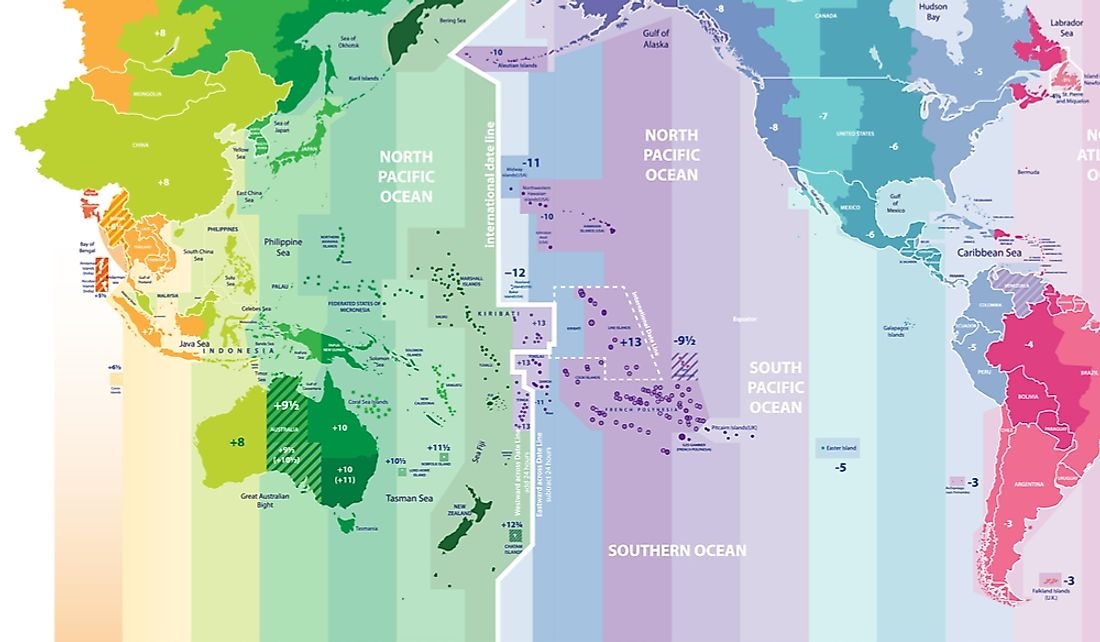
- Asia (e.g., Tokyo, Shanghai): The time difference becomes even more pronounced when crossing the Pacific Ocean. Tokyo, for instance, is sixteen hours ahead of California. This means a Monday morning in California is Tuesday evening in Tokyo.
- Australia (e.g., Sydney): Sydney, depending on Daylight Saving Time in both locations, can be between seventeen and nineteen hours ahead of California. This is almost an entire day’s difference, making cross-continental communication a delicate dance of scheduling.
The Travel Impact: From Jet Lag to Itinerary Planning
The “hours behind” question transcends mere curiosity; it’s a critical factor in the entire travel experience, influencing everything from your physiological well-being to the practicalities of your itinerary.
Battling Jet Lag: A Traveler’s Foe
The most immediate and noticeable impact of significant time differences, especially when arriving in California from the east or from across the Pacific, is jet lag. Your body’s internal clock, or circadian rhythm, struggles to adjust to the new light-dark cycle, leading to fatigue, insomnia, irritability, and even digestive issues.
- Tips for Minimizing Jet Lag:
- Gradual Adjustment: If possible, start adjusting your sleep schedule a few days before departure.
- Stay Hydrated: Dehydration can exacerbate jet lag symptoms.
- Manage Light Exposure: Seek natural light upon arrival in California during the day, and avoid bright lights before bed.
- Avoid Excessive Caffeine/Alcohol: While tempting, these can disrupt sleep patterns further.
- Prioritize Sleep: Listen to your body and rest when needed, but try to align with local sleep times. Consider booking a flexible check-in or an extra night at your hotel like the Hyatt Regency San Francisco to allow for immediate rest upon arrival.
Seamless Communication and Business Coordination
For those visiting California for business, or simply needing to stay connected with loved ones, the time difference can pose a significant challenge. Coordinating conference calls, virtual meetings, or even casual chats requires careful consideration.
- Business Travelers: A marketing executive visiting San Jose might find themselves starting their workday later or ending it later than usual to accommodate colleagues in Europe or on the East Coast. Apps and online tools that display multiple time zones simultaneously are invaluable for scheduling.
- Leisure Travelers: Keeping in touch with family back home can become a puzzle. Knowing that an evening call from Disneyland Resort might be the middle of the night for relatives in Asia helps set realistic expectations and prevent unintentional disturbances.
Optimized Travel Planning and Bookings
Every aspect of your trip, from booking flights to planning daily activities, is influenced by the time zone.
- Flight Schedules: When booking flights into Los Angeles International Airport (LAX) or San Francisco International Airport (SFO), remember that arrival times are always local. A flight departing New York at 9:00 AM ET will land in California around noon PT, even though the flight duration is closer to five or six hours. Understanding this helps manage expectations and avoid confusion.
- Hotel Check-ins/Check-outs: Most hotels, whether a boutique stay in Santa Monica or a luxury resort in Napa Valley, adhere to local time for check-in and check-out. Plan your arrival with this in mind, especially if you’re battling jet lag and require immediate access to your room. Many properties, such as the Waldorf Astoria Beverly Hills, offer early check-in options for a fee.
- Attraction Hours and Tour Bookings: From the opening hours of Universal Studios Hollywood to the timed entries for Alcatraz Island, all attractions operate on local California time. When pre-booking tours or tickets from a different time zone, double-check the time zone of the booking platform to ensure you’re reserving the correct slot. A 9:00 AM tour might mean a very early start for your body if you’ve just arrived from Europe or Asia.
Maximizing Your California Experience: Adjusting and Thriving
Beyond merely coping with the time difference, truly maximizing your California adventure means proactively integrating the time zone into your travel philosophy. California offers an unparalleled array of experiences, from the sun-drenched beaches of San Diego to the majestic redwoods near Mendocino, and each requires you to be at your best.
Strategic Itinerary Planning
Crafting an itinerary that respects your body’s adjustment period can significantly enhance your trip.
- First Few Days: Consider scheduling less strenuous activities for your initial days. Instead of immediately tackling a theme park like Six Flags Magic Mountain with its early openings and late closures, perhaps opt for a leisurely stroll along the Santa Monica Pier or a scenic drive along Highway 1.
- Embrace the Mornings/Evenings: If you’re arriving from a time zone ahead of California, you might find yourself waking up naturally very early. Use this to your advantage to experience popular attractions before the crowds, or enjoy a peaceful sunrise view over the Golden Gate Bridge. Conversely, if you’re coming from behind, late evenings might feel more natural initially, perfect for enjoying California’s vibrant nightlife or a stunning Pacific Ocean sunset from places like La Jolla Cove.
- Book Flexible Accommodations: For longer stays, especially if you’re planning to work remotely, look for accommodations that offer flexible check-in/check-out options or 24-hour concierge services, like many upscale hotels in Beverly Hills such as The Peninsula Beverly Hills. This can provide a much-needed buffer for your body to adjust.

Leveraging Technology and Local Insights
Modern technology is your best friend when dealing with time differences. Always have a world clock app on your phone, set to California time and your home time zone. When making international calls, schedule them using a time zone converter.
Beyond technology, engage with locals or travel experts. California residents are well-versed in Daylight Saving Time shifts and the quirks of coordinating across time zones. They can offer practical advice on everything from the best time to visit a particular landmark to the most effective ways to manage your schedule. Many tourism guides and travel blogs dedicated to California also provide region-specific tips that implicitly account for local time considerations.
For instance, if you’re looking to enjoy the wineries of Sonoma County, knowing that tastings typically start mid-morning means you might need to adjust your jet lag schedule to be bright-eyed and ready. Similarly, catching a performance at the Walt Disney Concert Hall in Downtown Los Angeles means planning dinner and travel time according to the local Pacific Time.
In conclusion, the question “How many hours is California behind?” unlocks a deeper understanding of efficient travel, smart communication, and a more enjoyable visit. With California observing Pacific Standard Time (UTC-8) and Pacific Daylight Time (UTC-7), it sits several hours behind most global economic and cultural centers. By recognizing this, travelers can strategically plan their journeys, mitigate the effects of jet lag, and fully embrace the diverse and dynamic experiences that await them in the Golden State. Whether it’s marveling at the natural beauty of Lake Tahoe, exploring the vibrant arts scene in San Francisco, or relaxing on the sunny beaches of Orange County, a well-prepared traveler is one who respects and plans around the flow of time.
LifeOutOfTheBox is a participant in the Amazon Services LLC Associates Program, an affiliate advertising program designed to provide a means for sites to earn advertising fees by advertising and linking to Amazon.com. Amazon, the Amazon logo, AmazonSupply, and the AmazonSupply logo are trademarks of Amazon.com, Inc. or its affiliates. As an Amazon Associate we earn affiliate commissions from qualifying purchases.