
The culinary world is a fascinating tapestry of flavors, traditions, and innovations, constantly evolving and reflecting the diverse cultures that shape it. Among the myriad dishes that have captivated palates worldwide, the California Roll stands out as a unique emblem of fusion cuisine. More than just a dish, it represents a pivotal moment in the global popularization of Japanese food, particularly sushi, in the Western world. For travelers and food enthusiasts, understanding the California Roll is not just about its ingredients but about tracing its journey from a humble kitchen in Los Angeles to becoming a ubiquitous item on menus across continents, influencing travel itineraries and local dining experiences everywhere from New York City to London and Sydney. It embodies the essence of culinary tourism, where the discovery of local flavors intertwines with the broader narrative of cultural exchange and adaptation.

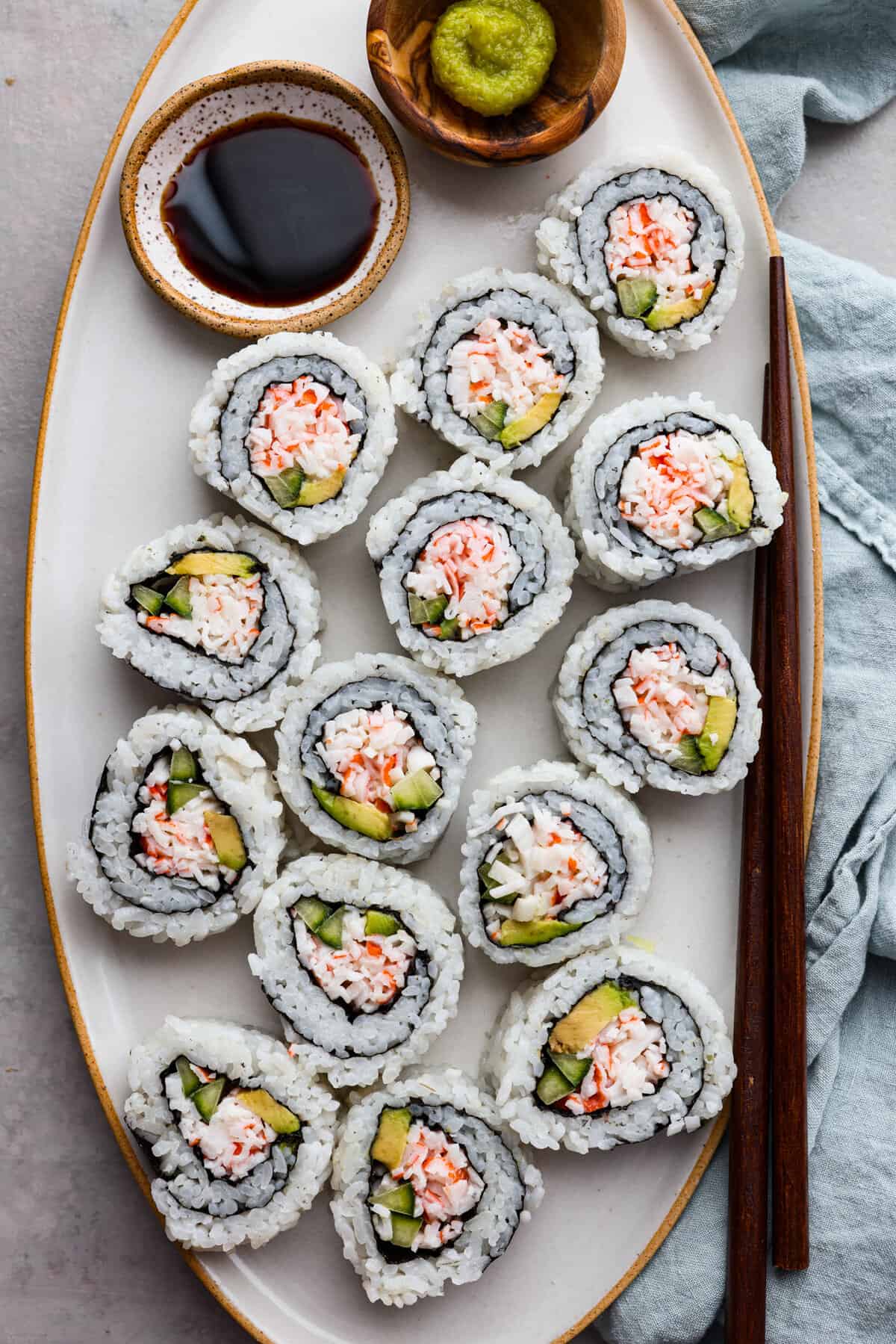
At its core, a California Roll is an uramaki, or inside-out sushi roll, characterized by its nori (seaweed) on the inside, wrapped by rice, and often coated with toasted sesame seeds or masago (capelin roe). The traditional fillings include imitation crab meat (surimi), avocado, and cucumber. This seemingly simple combination holds profound significance. It was designed to appeal to Western diners who were initially hesitant about raw fish and the unfamiliar texture of nori. Its creation marked a genius adaptation, making sushi approachable and eventually paving the way for more traditional Japanese dishes to gain acceptance. For anyone exploring the vibrant food scenes of destinations worldwide, the California Roll often serves as a comforting, familiar option, reflecting the ease and accessibility it brought to a once exotic cuisine. This article delves into the fascinating origins, global impact, and contemporary role of the California Roll, exploring how this iconic dish has shaped our understanding of food, travel, and lifestyle.
The Culinary Journey: Tracing the Origins of the California Roll
The story of the California Roll is deeply intertwined with the history of Japanese immigration and culinary innovation in the United States. It’s a tale that speaks to adaptability, cultural bridge-building, and the universal language of food. For travelers interested in the evolution of global cuisines, understanding the genesis of this roll offers valuable insights into how local ingredients and preferences can transform traditional dishes, turning them into international phenomena that define certain destinations.
A Fusion Creation: The Birth in Los Angeles
While the exact origins are debated, most culinary historians credit the invention of the California Roll to Japanese chefs working in Los Angeles in the late 1960s or early 1970s. This period was a melting pot of cultural exchange, with a growing interest in Asian cuisines but also a significant barrier for many Western palates. Raw fish, a staple of traditional sushi, was often a tough sell. Seaweed on the outside, a standard for maki rolls in Japan, was also perceived as alien and unappealing by some.
One of the most widely cited accounts attributes the invention to Ichiro Mashita, a chef at the Tokyo Kaikan restaurant in Little Tokyo, Los Angeles, in the late 1960s. Facing a shortage of fresh tuna one day, he reportedly substituted it with avocado, a creamy, readily available fruit in California, which mimicked the texture of fatty tuna. He also began placing the nori on the inside, to make the roll more appealing visually and texturally to his American clientele. This innovative “inside-out” technique, combined with the mild flavors of cooked imitation crab, avocado, and cucumber, was an instant hit. It removed the elements that Westerners found challenging – the raw fish and visible seaweed – while introducing a familiar and palatable combination of textures and flavors.
Another prominent figure in the California Roll narrative is chef Hidekazu Tojo, from Vancouver, Canada. Tojo claims to have invented a similar inside-out roll with crab, avocado, and other ingredients in the early 1970s, naming it the “Tojo-maki.” While the exact lineage might be debated, the core innovation remains the same: a brilliant adaptation that catered to local tastes while introducing a foreign cuisine. This blend of traditional techniques with local ingredients is a hallmark of global culinary trends, and travelers often seek out such fusion dishes as a way to experience the unique character of a destination’s food scene.
The Innovators and Their Vision
The chefs behind the California Roll were visionaries in their own right, recognizing the potential for sushi beyond its traditional boundaries. Their approach was not merely about selling food; it was about cultural diplomacy through gastronomy. By making sushi accessible, they inadvertently laid the groundwork for a global sushi boom. This kind of culinary innovation often occurs in major urban centers known for their diverse populations and openness to new ideas, making cities like Los Angeles and Vancouver hotspots for food tourism and exploration.
The California Roll was revolutionary because it broke down barriers. It wasn’t just a new dish; it was a new way of thinking about sushi. For American diners, it offered a gentle introduction, a “gateway drug” to the more adventurous world of nigiri and sashimi. Its success encouraged other chefs to experiment, leading to an explosion of “fusion” sushi rolls featuring everything from cream cheese to tempura shrimp, all building on the precedent set by the California Roll. This era transformed sushi from an exotic delicacy enjoyed by a niche group to a mainstream dining option, available in grocery stores, casual eateries, and upscale restaurants alike. Understanding this history helps travelers appreciate the layers of culinary development and cultural exchange embedded in the food they encounter during their journeys.
Beyond the Plate: The California Roll’s Global Impact on Travel and Tourism
The influence of the California Roll extends far beyond the dining table, weaving its way into the fabric of global travel and tourism. It’s a testament to how a single dish can become a cultural ambassador, shaping perceptions of cuisine and influencing where and how people choose to experience destinations. For avid travelers and those planning their next adventure, the ubiquity of the California Roll often provides a familiar comfort or an intriguing culinary quest, reflecting its deep integration into the world’s diverse food landscapes.
A Gateway to Japanese Cuisine for Western Palates
Perhaps the most significant impact of the California Roll was its role as a bridge between traditional Japanese cuisine and Western tastes. Before its invention, sushi was largely unknown or viewed with skepticism outside of Japanese communities. The California Roll demystified sushi, making it less intimidating and more palatable for a broader audience. Its cooked ingredients and familiar textures provided a safe entry point, encouraging diners to try other, more traditional forms of sushi. This “gateway” effect spurred a global sushi phenomenon, leading to an proliferation of Japanese restaurants in cities like Paris, Rome, Dubai, and Singapore.
This accessibility has had a direct impact on travel and tourism. As sushi became popular, so did interest in Japan itself as a destination. Travelers, having developed a taste for Japanese food through dishes like the California Roll, became more inclined to explore the authentic culinary experiences offered in Tokyo, Kyoto, and other Japanese cities. Food tours focusing on Japanese cuisine have become staples in travel guides, highlighting everything from Tsukiji Fish Market in Tokyo to local ramen shops. The California Roll inadvertently became an early influencer in destination marketing for Japan, showing how a simplified version of a national dish could pique global curiosity for the original.
Culinary Tourism: Seeking Out the Best California Rolls
For many food tourists, the search for authentic or exceptional dining experiences is a primary motivation for travel. While some might focus on traditional regional delicacies, others embark on quests for the “best” version of globally recognized dishes, and the California Roll is no exception. In cities like Los Angeles, its birthplace, visitors often seek out the restaurants credited with its invention or those that have perfected the roll over decades. This pursuit turns a simple meal into a cultural exploration, connecting travelers with the history and evolution of a destination’s food scene.
Travel guides and food blogs frequently highlight sushi restaurants in major metropolitan areas, from San Francisco to Miami and Chicago, that are renowned for their sushi, including their take on the California Roll. Tourists might find themselves dining in a Michelin-starred restaurant offering an elevated version of the roll, or a casual beachfront eatery in Honolulu serving a fresh, simple rendition. This diverse availability makes the California Roll a versatile culinary landmark, accessible across different budgets and travel styles, enriching the overall travel experience by offering both familiarity and the potential for delightful discovery in unexpected places.

Its Presence in Diverse Dining Scenes
The global proliferation of the California Roll is evident in its presence across a wide spectrum of dining establishments. It’s not just found in dedicated Japanese restaurants; it appears in general Asian fusion eateries, supermarket deli counters, airport lounges, and even the menus of high-end hotel chains like Marriott, Hilton, and Hyatt resorts around the world. This widespread adoption underscores its status as a truly international dish.
When staying at a luxurious resort in Las Vegas or a boutique hotel in Melbourne, travelers can often find a California Roll on the room service menu or at an on-site restaurant. This convenience offers a taste of home or a safe culinary adventure without needing to venture far from their accommodation. For business travelers, it provides a quick, healthy meal option, easily found in cities from Hong Kong to Frankfurt. Its adaptability means it can be served as a sophisticated appetizer in an exclusive lounge or as a casual snack during a family trip. This versatility ensures that no matter the destination or the type of travel, the California Roll remains a reliable and often comforting culinary fixture, reflecting its deep integration into the global tourism and hospitality industry.
A Lifestyle Choice: California Rolls in Modern Travel
The choices we make about food while traveling often reflect our broader lifestyle preferences, whether for health, luxury, convenience, or cultural immersion. The California Roll, with its unique blend of flavors and global presence, has seamlessly integrated into various travel lifestyles, offering options that cater to diverse needs and desires. It’s more than just a dish; it’s a representation of how modern travelers navigate their culinary journey around the world.
Healthy Eating on the Go
For many contemporary travelers, maintaining a healthy diet is a priority, even when away from home. The California Roll, with its combination of rice, vegetables (cucumber, avocado), and lean protein (imitation crab), presents itself as a relatively light and nutritious option compared to many other fast-food or convenience meals. It’s often lower in fat and calories than many traditional Western alternatives, making it a popular choice for health-conscious individuals on the move.
Its portability also contributes to its appeal for a healthy, on-the-go lifestyle. Easily found in pre-packaged trays at airport kiosks, supermarket delis like Whole Foods Market, or quick-service restaurants, the California Roll allows travelers to grab a fresh and satisfying meal without lengthy waits or heavy dining experiences. This convenience is particularly valued by solo travelers, families on busy itineraries, or business professionals attending conferences and meetings. In a world where travel often means irregular schedules and limited healthy options, the California Roll offers a reliable anchor for mindful eating, allowing travelers to feel good about their food choices while exploring new destinations.
From Casual Bites to Luxury Dining Experiences
The versatility of the California Roll is evident in its ability to transcend different dining environments, from the most casual to the most luxurious. This makes it a fascinating subject for those interested in lifestyle travel, whether they prioritize budget-friendly experiences or indulge in opulent culinary adventures.
On the more casual end, the California Roll is a staple at food courts, mall eateries, and takeout sushi counters worldwide. It’s an affordable, quick, and universally liked option for a casual lunch or a light dinner. Families traveling with children often find it to be a safe and appealing choice for younger palates who might be less adventurous with foreign cuisines. This accessibility ensures that regardless of budget, travelers can enjoy this iconic dish almost anywhere.
Conversely, the California Roll has also found its place in high-end, luxury dining establishments. Upscale sushi restaurants often offer refined versions, using premium, real crab meat instead of imitation, perfectly ripe avocados, and high-quality Japanese rice. These versions might feature artistic presentations, special sauces, or additional gourmet ingredients, elevating the humble roll into a sophisticated culinary creation. For luxury travelers seeking unique gastronomic experiences, sampling an exquisitely prepared California Roll in a renowned sushi omakase restaurant can be as memorable as any other fine dining experience, showcasing the dish’s potential for culinary excellence. This adaptability highlights how the California Roll caters to a wide spectrum of lifestyle preferences within the travel sphere.
Integrating into Hotel and Resort Offerings
For many travelers, accommodation is not just a place to sleep but an integral part of their overall experience, offering amenities that enhance their stay. Hotels and resorts, particularly those catering to international guests, have long recognized the global appeal of the California Roll and have integrated it into their food and beverage offerings.
From luxurious suites in Beverly Hills to serene resorts in Maui, the California Roll is a common sight on room service menus, in hotel restaurants, and at poolside bars. Its presence offers guests a familiar, safe, and often healthy dining option, especially after a long day of sightseeing or business meetings. This is particularly valuable for international travelers who might be unfamiliar with local cuisine or simply desire a taste of something they know and love. Many hotels recognize the need to cater to diverse palates, and the California Roll serves as a universal crowd-pleaser.
Furthermore, some destination resorts even offer sushi-making classes as part of their activities, with the California Roll often being the introductory roll taught. This allows guests to engage with culinary traditions in a hands-on way, turning a meal into an interactive and memorable experience. Whether it’s a quick bite at the Grand Hyatt Hotel lounge, a family dinner at a Club Med buffet, or a sophisticated appetizer at a Ritz-Carlton resort, the California Roll’s ubiquitous presence in the hospitality sector underscores its status as a global culinary benchmark, enhancing the convenience and enjoyment of countless travel accommodations worldwide.
Crafting Your Own Culinary Adventure: Finding and Enjoying California Rolls Worldwide
The journey of the California Roll from a creative adaptation in Los Angeles to a global phenomenon is a compelling narrative of culinary evolution and cultural exchange. It stands as a testament to the power of food to transcend borders, adapt to local tastes, and ultimately, bring people together. For travelers, its ubiquity is both a comfort and an opportunity, providing a familiar taste amidst new experiences and a benchmark for exploring the vast world of Japanese-inspired cuisine.
When planning your next travel adventure, consider incorporating a culinary quest for the California Roll. In its birthplace of Los Angeles, seek out historical sushi establishments in Little Tokyo to taste a piece of its legacy. In Vancouver, explore restaurants that claim its invention, like Tojo’s, and compare the nuances. As you traverse other major cities like Sydney, London, or New York City, observe how local chefs put their unique spin on this classic, perhaps integrating regional ingredients or catering to specific dietary preferences. From bustling food markets to Michelin-starred restaurants, the California Roll is likely to feature prominently, offering a consistent point of reference in an ever-changing culinary landscape.
Beyond its culinary appeal, the California Roll encapsulates a broader lesson for travelers: embrace fusion. The most memorable travel experiences often come from stepping outside your comfort zone while appreciating the adaptations that make new cultures accessible. Whether you’re a seasoned food critic or a casual diner, the California Roll offers a delicious entry point into the rich tapestry of global food and the profound connections between cuisine, culture, and destination. So, on your next trip, don’t just eat; explore the story behind your meal, starting perhaps with that familiar, yet remarkably innovative, California Roll.
LifeOutOfTheBox is a participant in the Amazon Services LLC Associates Program, an affiliate advertising program designed to provide a means for sites to earn advertising fees by advertising and linking to Amazon.com. Amazon, the Amazon logo, AmazonSupply, and the AmazonSupply logo are trademarks of Amazon.com, Inc. or its affiliates. As an Amazon Associate we earn affiliate commissions from qualifying purchases.