
For many contemplating a visit, a relocation, or an investment in the Sunshine State, one of the most compelling questions often revolves around its financial landscape: Is there state income tax in Florida? The answer is a resounding no. Florida stands out as one of only a handful of states in the United States that does not levy a personal state income tax on its residents. This distinctive fiscal policy plays a significant role in shaping the state’s economy, attracting a diverse demographic of travelers, retirees, businesses, and digital nomads seeking an attractive lifestyle paired with potential financial benefits.
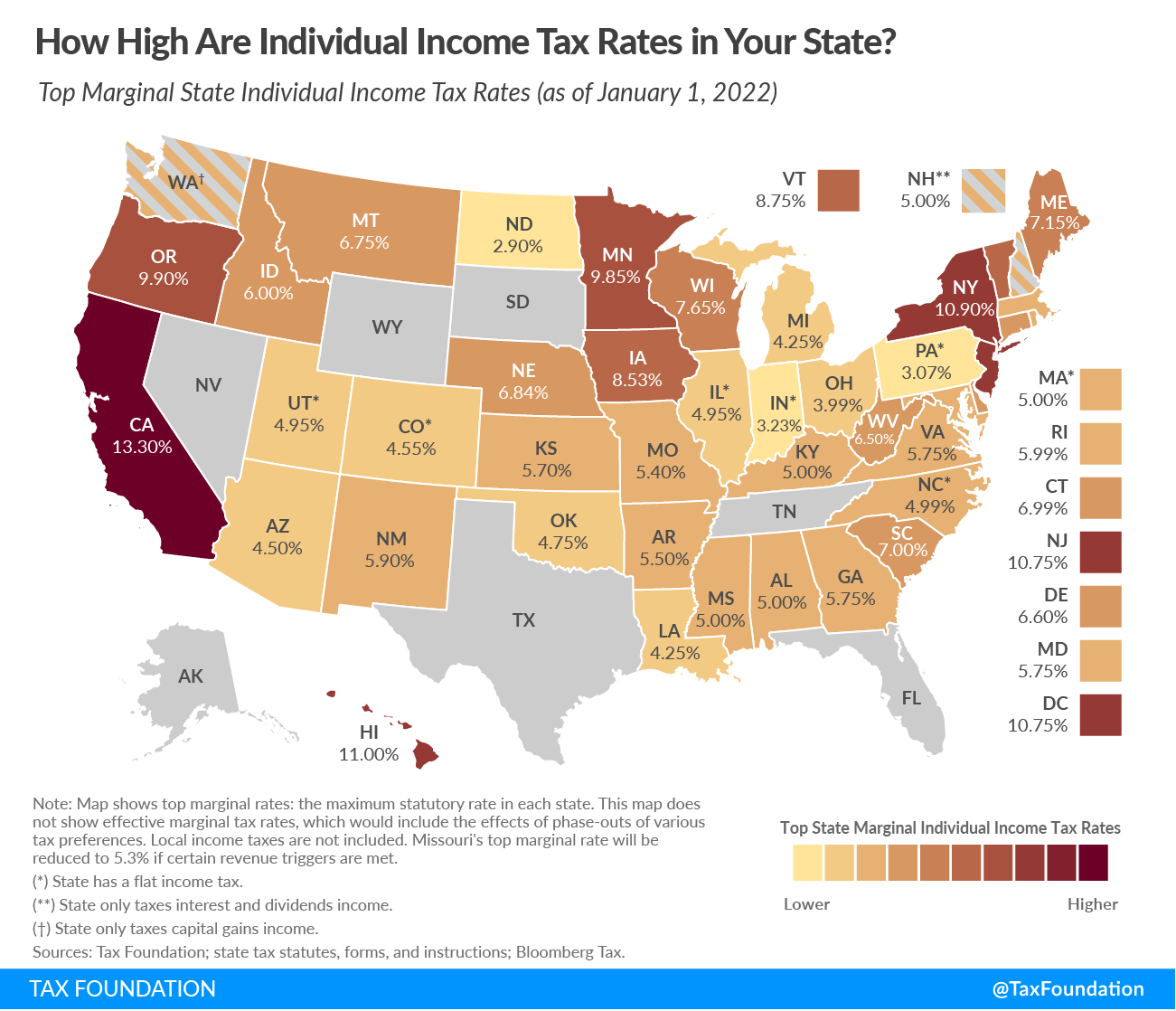
This absence of state income tax is more than just a footnote for those considering a long-term stay or even a brief visit; it’s a foundational element that influences everything from the overall cost of living and the vibrancy of the tourism industry to the types of businesses that thrive here. Whether you’re planning a lavish escape to a luxury resort in Miami, a family adventure to Walt Disney World Resort in Orlando, or dreaming of a tranquil retirement by the Gulf of Mexico, understanding Florida’s tax environment is key to unlocking the full potential of your Sunshine State experience.
This article delves into the specifics of Florida’s tax structure, exploring how its lack of state income tax contributes to its enduring appeal as a premier destination for travel, accommodation, and a coveted lifestyle. We’ll explore the broader implications for visitors and residents, examine other taxes you might encounter, and offer insights into how this unique financial setting enhances the overall Florida experience, from booking luxurious suites to exploring its iconic landmarks.
Florida’s Tax Landscape: A Welcome Relief for Residents and Visitors Alike
Florida’s fiscal philosophy is rooted in a commitment to an advantageous tax environment, a strategy that has undeniably contributed to its robust growth and enduring popularity. The cornerstone of this strategy is the absence of a personal state income tax, making it a powerful magnet for individuals and businesses alike.
No State Income Tax: Understanding the Financial Advantage
The lack of a state income tax means that Floridians do not pay taxes on their wages, salaries, investment income, or other personal earnings to the state government. This is a significant distinction when compared to the majority of United States states, which levy varying rates of income tax. For residents, this translates directly into more disposable income, which can be allocated towards savings, investments, or, indeed, enjoying the myriad attractions and experiences Florida has to offer.
Consider the impact on various groups:
- Retirees: Florida has long been a haven for retirees, and the absence of state income tax is a major draw. For those living on fixed incomes, pensions, or investment withdrawals, not having to pay state taxes on these earnings can significantly stretch their retirement savings, allowing them to enjoy a higher quality of life, whether that means securing a luxurious long-term stay in a villa in Naples or frequently dining out at fine restaurants in Sarasota.
- Working Professionals and Families: For individuals and families earning a salary, the ability to keep more of their paycheck can make a substantial difference in their financial planning. This increased purchasing power can facilitate everything from family trips to theme parks to booking more comfortable accommodations for weekend getaways within the state.
- Digital Nomads and Remote Workers: With the rise of remote work, Florida’s tax structure, combined with its attractive lifestyle, makes it a compelling option for digital nomads. The ability to work from anywhere in the state, from a beachfront apartment in Fort Lauderdale to a tranquil retreat in Gainesville, without the burden of state income tax, enhances the appeal of a long-term stay or temporary relocation.
- Businesses: While the focus is often on personal income tax, the broader tax environment also benefits businesses. The lack of state income tax fosters a business-friendly climate, encouraging companies to establish or expand operations in Florida. This, in turn, creates jobs and stimulates economic activity, directly and indirectly benefiting the tourism and hospitality sectors.
This financial advantage translates into tangible benefits for travelers as well. When residents have more disposable income, it often fuels local economies through spending on dining, entertainment, local businesses, and domestic travel, enriching the overall experience for tourists.
Other Taxes to Consider: A Holistic View
While the absence of state income tax is a significant boon, it’s crucial to understand that Florida funds its public services and infrastructure through other revenue streams. A holistic understanding of the tax landscape is essential for both residents and visitors.
- Sales Tax: Florida has a statewide sales tax rate of 6%. However, many counties add their own discretionary sales surtaxes, which can bring the total sales tax up to 7.5% in some areas. This tax applies to most goods and services purchased in the state, including retail items, restaurant meals, and various entertainment activities. For travelers, this means budgeting for sales tax on souvenirs, dining out, and tickets to attractions.
- Property Tax: Property taxes are a primary source of revenue for local governments in Florida, funding schools, emergency services, and local infrastructure. These taxes are assessed based on the value of real estate and vary significantly by county and municipality. For visitors considering purchasing a vacation home or investing in rental properties, understanding local property tax rates is vital.
- Corporate Income Tax: While individuals are exempt from state income tax, corporations operating in Florida are subject to a corporate income tax. This tax helps fund state-level services and contributes to the overall economic health that supports the tourism industry.
- Tourism Taxes (Lodging/Bed Taxes): This is perhaps the most relevant tax for visitors. Florida counties levy a “tourist development tax” or “bed tax” on short-term rentals, including hotels, motels, vacation rentals, and other accommodations. This tax typically ranges from 1% to 6% on top of the state sales tax and is specifically earmarked for tourism-related initiatives, such as promoting destinations, maintaining beaches, and funding convention centers. These funds directly contribute to enhancing the tourist experience and are a key reason why Florida can boast such well-maintained attractions and tourism infrastructure.
- Gasoline Tax and Other Excise Taxes: Like other states, Florida collects taxes on gasoline, alcohol, and tobacco products. These excise taxes contribute to state revenue and fund specific services, such as road maintenance and public health programs.
Understanding this broader tax context allows travelers and potential residents to appreciate how the state balances its lack of income tax with other revenue streams to maintain its vibrant economy and world-class tourist facilities. The absence of state income tax is a powerful differentiator, but it exists within a comprehensive fiscal framework designed to support the state’s diverse needs.
Why Florida’s Tax Structure Enhances its Appeal as a Destination
Florida’s unique tax structure is not just a policy; it’s a strategic asset that profoundly shapes its identity as a global travel and lifestyle hub. The absence of state income tax, coupled with a robust tourism infrastructure, creates a powerful synergy that attracts millions annually and encourages long-term engagement with the state.

A Magnet for Tourism and Investment
The financial advantages of Florida’s tax policy significantly amplify its allure as a destination. For many, the idea of having more disposable income, whether they are visitors or prospective residents, immediately enhances the perceived value of a Florida experience.
- Increased Travel Budgets: Tourists from states with higher income taxes might find that their travel budget stretches further in Florida, allowing for more luxurious stays, additional excursions, or an extended vacation. This can mean upgrading from a standard hotel room to a suite, indulging in a gourmet dining experience, or adding an extra day to explore Key West’s vibrant culture.
- Real Estate Investment: The tax climate encourages real estate investment, particularly in vacation rentals and second homes. Individuals seeking to escape colder climates or diversify their investment portfolios often look to Florida for its potential returns and personal enjoyment. This influx of investment supports a thriving market for rental villas, apartments, and resorts, providing diverse accommodation options for all types of travelers, from budget-conscious families to those seeking luxury travel experiences.
- Relocation and Lifestyle: Beyond short visits, the tax benefits strongly influence relocation decisions. Many individuals and families, particularly those from states with high income taxes, choose to move to Florida to improve their financial standing. This influx of new residents contributes to a dynamic and growing population, enriching local culture, expanding culinary scenes, and fostering diverse communities across cities like Tampa, St. Petersburg, and Jacksonville. The concept of “snowbirds” – individuals who spend winter months in Florida – is a prime example of how the state’s lifestyle and financial benefits converge to create unique patterns of long-term stay and seasonal residency.
The tax policy thus creates a virtuous cycle: it attracts people and investment, which in turn fuels the growth and quality of Florida’s tourism and accommodation sectors, making it even more appealing.
Impact on Lifestyle and Travel Budgets
The financial freedom afforded by no state income tax directly impacts the lifestyle choices available in Florida, whether you’re a long-term resident or a temporary visitor.
- Enhanced Travel Experiences: For many, the reduced tax burden means more money available for leisure. This can translate into taking more frequent trips, staying in higher-rated hotels, or participating in premium experiences like private boating charters, exclusive golf rounds, or VIP access at theme parks. It elevates the potential for luxury travel for a broader segment of the population.
- Diverse Accommodation Options: With a robust market for accommodations, travelers can find everything from sprawling resorts with extensive amenities to boutique hotels, charming bed-and-breakfasts, and fully equipped vacation apartments for longer stays. The economic vibrancy supported by the tax structure ensures a competitive and high-quality lodging sector, catering to every preference and budget, whether for family trips or business stays.
- Vibrant Local Economies: The extra disposable income in residents’ pockets often recirculates into the local economy. This supports a thriving restaurant scene, a wide array of local shops, and numerous activity providers. Visitors benefit from this vibrant local culture, discovering unique culinary experiences, artisan crafts, and authentic local activities that go beyond typical tourist traps.
- Accessibility for Different Budgets: While Florida is renowned for luxury, its tax structure also indirectly aids budget travelers. The overall economic health means there’s a strong demand across all price points, fostering competition that can lead to better deals on accommodations and experiences. More people choosing Florida due to financial advantages creates economies of scale, making certain travel components more affordable for everyone.
Essentially, Florida’s tax policy acts as a powerful enabler, providing both residents and visitors with greater financial flexibility to enjoy the state’s unparalleled natural beauty, world-class attractions, and diverse cultural offerings.
Navigating Florida: Beyond the Balance Sheet
While the financial aspect is a significant draw, Florida’s true essence lies in its rich tapestry of experiences, from sun-drenched beaches to exhilarating theme parks and vibrant cultural scenes. For any traveler or prospective resident, understanding the state’s attractions and how to best enjoy them is paramount.
Maximizing Your Florida Experience
Regardless of your financial strategy, making the most of your time in Florida requires thoughtful planning and an open mind to exploration. The state offers an incredible array of activities and destinations suitable for every type of traveler.
- Strategic Accommodation Choices: Florida boasts an extensive range of accommodations. For family trips centered around attractions, staying at a resort near Walt Disney World Resort or Universal Studios Florida in Orlando might be ideal, offering shuttle services and themed experiences. For a more serene, long-term stay, consider a vacation villa in Sarasota or a beachfront apartment in Clearwater Beach. Luxury travelers can indulge in high-end hotels and suites along South Beach in Miami or in Palm Beach. Utilizing online booking platforms and reading reviews can help you compare options and find the perfect fit for your travel style and budget.
- Embracing Local Culture and Food: Venture beyond the main tourist corridors to discover Florida’s diverse local culture. From the Cuban influences in Miami’s Little Havana to the historic charm of St. Augustine (the nation’s oldest city), each region offers unique experiences. Sample fresh seafood along the Florida Keys, explore the vibrant arts scene in St. Petersburg, or enjoy farm-to-table cuisine in Gainesville. Food tours and local markets are excellent ways to immerse yourself.
- Activities for Every Interest: Whether you’re an adrenaline junkie, a nature enthusiast, or seeking relaxation, Florida has it all. Beyond theme parks, you can explore the unique ecosystems of Everglades National Park, embark on a fishing charter in the Gulf of Mexico, go snorkeling in the clear waters of the Florida Keys, or witness a rocket launch from the Kennedy Space Center Visitor Complex. The Atlantic Ocean coastline offers world-class surfing in places like Cocoa Beach and Daytona Beach, while the Panhandle boasts sugar-white sands in Pensacola.

From Miami to Orlando: Diverse Destinations Awaiting Exploration
Florida is a mosaic of distinct regions, each with its own character, attractions, and lifestyle.
- South Florida: Dominated by the cosmopolitan buzz of Miami and Fort Lauderdale, this region offers a vibrant nightlife, stunning South Beach, art deco architecture, and a melting pot of Caribbean and Latin American cultures. Explore the upscale shopping of Coral Gables, the pristine waters of Biscayne Bay, or the luxurious resorts of Palm Beach. For nature lovers, the gateway to Everglades National Park is nearby.
- Central Florida: This is the heart of Florida’s theme park empire, with Orlando hosting Walt Disney World Resort and Universal Studios Florida. Beyond the magic, Central Florida offers beautiful natural springs, charming small towns, and vibrant arts communities, making it perfect for family trips and diverse experiences.
- Southwest Florida: Known for its tranquil beaches, sophisticated cities like Naples and Sarasota, and abundant wildlife, this region offers a more relaxed, upscale lifestyle. It’s ideal for those seeking luxury travel, world-class golf, and spectacular sunsets over the Gulf of Mexico.
- The Florida Keys: A string of tropical islands stretching into the Atlantic Ocean, culminating in Key West. Famous for its laid-back atmosphere, incredible snorkeling and diving opportunities, and stunning sunsets at Mallory Square, the Keys offer a unique blend of adventure and relaxation.
- The Panhandle: Often called “The Forgotten Coast” or “Emerald Coast,” this region along the Gulf of Mexico features pristine white-sand beaches, charming coastal towns like Pensacola and Destin, and a more Southern influence. It’s perfect for family vacations and outdoor activities.
- Northeast Florida: Home to Jacksonville, Florida’s largest city by area, and the historic gem of St. Augustine. This region offers a blend of urban amenities, beautiful beaches like those on Amelia Island, and rich history.
- The Treasure Coast and Space Coast: East of Central Florida, these areas offer a mix of tranquil beaches, excellent fishing, and the awe-inspiring Kennedy Space Center Visitor Complex, where you can witness space launches.
In conclusion, the question “Is there state income tax in Florida?” can be confidently answered with a no, revealing a significant advantage for anyone considering the Sunshine State for travel, relocation, or investment. This crucial aspect of Florida’s financial framework enhances its appeal, allowing both residents and visitors more flexibility in their budgets to truly experience the state’s unparalleled beauty, diverse attractions, and vibrant lifestyle. From the enchanting theme parks of Orlando to the pristine beaches of the Gulf Coast and the energetic rhythm of Miami, Florida offers a world of opportunities, made all the more accessible by its favorable tax climate. Plan your next adventure to Florida and discover firsthand how this policy, combined with its natural splendor and world-class accommodations, creates an exceptional destination for every traveler.
LifeOutOfTheBox is a participant in the Amazon Services LLC Associates Program, an affiliate advertising program designed to provide a means for sites to earn advertising fees by advertising and linking to Amazon.com. Amazon, the Amazon logo, AmazonSupply, and the AmazonSupply logo are trademarks of Amazon.com, Inc. or its affiliates. As an Amazon Associate we earn affiliate commissions from qualifying purchases.