
The Golden State, California, is synonymous with endless sunshine, iconic beaches, towering redwoods, and vibrant cities. It’s a dream destination for travelers worldwide, offering an unparalleled diversity of experiences from the bustling streets of Los Angeles and San Francisco to the serene landscapes of Yosemite National Park. However, over the past decade, a persistent question has emerged for prospective visitors and residents alike: “Are fires still burning in California?” This inquiry, while direct, delves into a complex reality that has reshaped travel planning, tourism operations, and the overall lifestyle across many parts of this magnificent state.
Wildfires are a natural, albeit devastating, part of California’s ecosystem, particularly during its hot, dry summers and autumns. While the sight of smoke plumes or news headlines about large blazes can understandably create apprehension, it’s crucial to understand the nuanced situation before cancelling that dream vacation. The vastness of California means that even when significant fires are active in one region, countless other areas, often hundreds of miles away, remain entirely unaffected and open for tourism. This article aims to provide a comprehensive guide for navigating travel in California with confidence, offering insights into understanding the wildfire landscape, planning your trip responsibly, and discovering the state’s enduring allure.

Understanding California’s Wildfire Landscape
A Recurring Challenge for the Golden State
California’s Mediterranean climate, characterized by warm, dry summers and mild, wet winters, creates prime conditions for wildfires. Factors such as prolonged droughts, an abundance of dry vegetation (fuel), and strong winds like the Santa Anas in the south and the Diablo winds in the north, contribute to an extended and often intense fire season. While wildfires have always been a part of the state’s natural cycle, climate change is intensifying these events, leading to larger, more frequent, and more destructive fires.
It’s important to recognize that wildfire activity is seasonal. Typically, the peak fire season runs from late summer through late fall, with conditions often exacerbated by strong winds. However, due to changing climate patterns, fire season can sometimes extend into earlier or later months. This doesn’t mean the entire state is ablaze; rather, it highlights specific regions that might be at higher risk during particular times of the year. For instance, forested areas and regions with dense chaparral are often more susceptible than bustling urban centers or coastal stretches. Understanding this seasonality and geographic distribution is the first step in responsible travel planning.
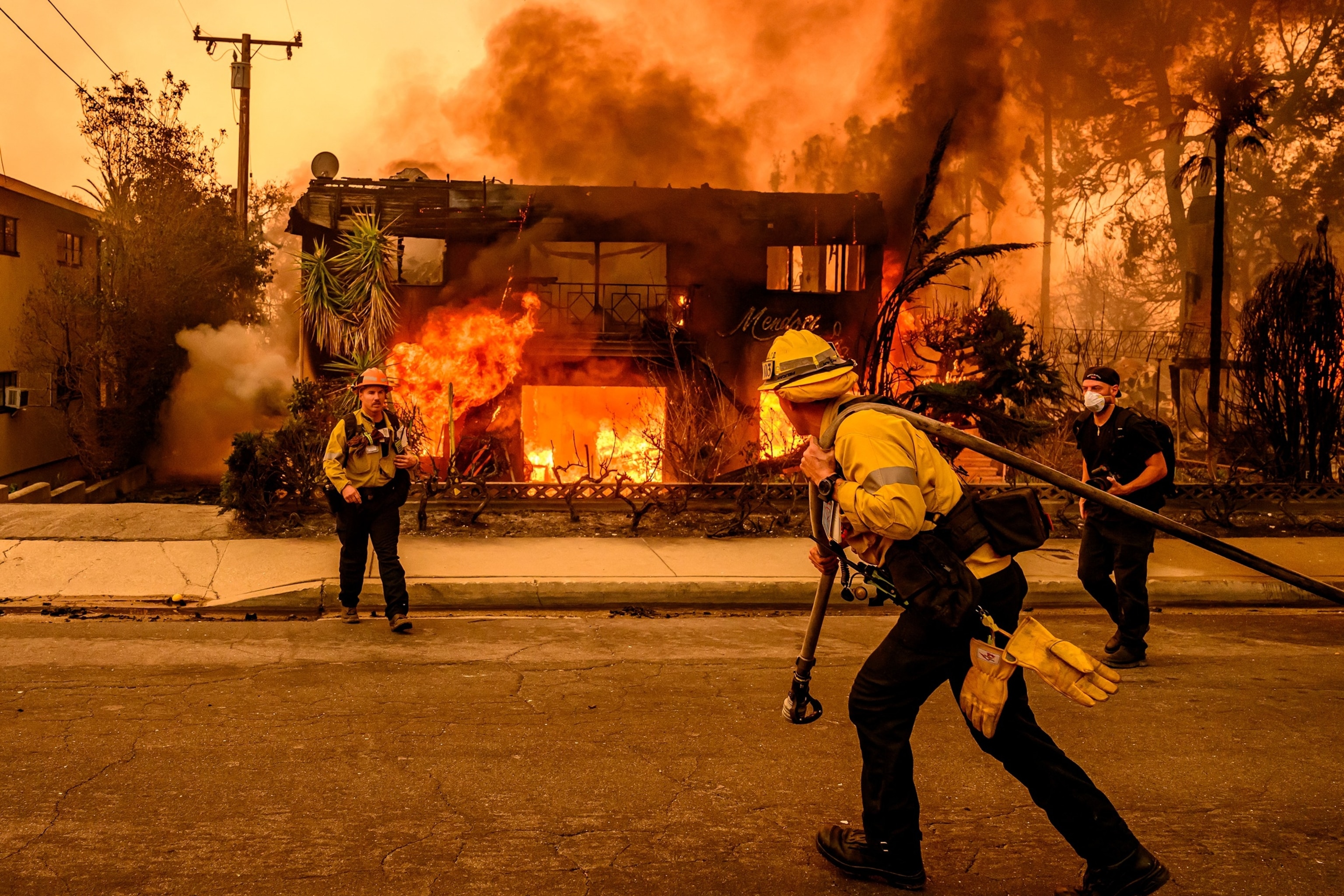
Current Wildfire Status and Monitoring Resources
For travelers, staying informed is paramount. While news cycles can sensationalize widespread destruction, pinpointing active fire zones and assessing real-time air quality is crucial. Fortunately, several reliable resources provide up-to-the-minute information:
- CalFire: The California Department of Forestry and Fire Protection (CalFire) website is the official source for wildfire incidents, containment levels, and evacuation orders. Their interactive map is an invaluable tool for identifying current fire locations.
- AirNow.gov: This federal website offers real-time air quality index (AQI) data, essential for understanding smoke impacts. Even if a fire is far away, smoke can travel, affecting air quality. Checking the AQI for your planned destination and surrounding areas can help you decide if it’s safe and pleasant to visit, especially for those with respiratory sensitivities.
- Local Emergency Services & Tourism Boards: City and county emergency services websites, as well as local tourism boards (e.g., Visit California, San Francisco Travel Association, Los Angeles Tourism & Convention Board), often provide localized updates, road closures, and specific advice for visitors.
By utilizing these resources, travelers can make informed decisions, ensuring their safety and enjoyment while navigating the dynamic conditions of California.
Navigating Travel in California Amidst Wildfire Concerns
Traveling to California doesn’t have to be daunting, even with the possibility of wildfires. With careful planning and an understanding of how to adapt, you can still enjoy a spectacular journey.
Impact on Popular Tourist Destinations
The impact of wildfires on tourist destinations varies dramatically. Many of California’s most beloved attractions, particularly those along the coast or in major metropolitan areas, are rarely directly affected by fires. Cities like San Diego, Santa Barbara, Monterey, and San Francisco typically experience minimal direct impact, though they might occasionally see hazy skies due to distant smoke.
Conversely, some inland, forested, or mountainous regions, including parts of Napa Valley and Sonoma County (wine country), or certain national parks like Sequoia National Park and Lake Tahoe, have faced direct threats or closures due to wildfires. However, even within these regions, the situation is localized. For example, if one part of Napa Valley is affected, another might be perfectly safe and open for wine tasting. It is important not to generalize. Check specific park websites (e.g., National Park Service) for up-to-date conditions and closure information before planning excursions into wilderness areas.
Planning Your California Getaway Responsibly
Responsible travel in California involves a flexible mindset and proactive research:
- Flexibility is Key: Consider booking accommodations and activities with flexible cancellation policies, especially if traveling during peak fire season. This allows you to pivot your plans if conditions change. Travel insurance that covers natural disaster disruptions can also offer peace of mind.
- Stay Informed: Before and during your trip, regularly check the aforementioned resources (CalFire, AirNow.gov, local tourism boards) for updates specific to your itinerary. Pay attention to local news.
- Have Backup Plans: Identify alternative destinations or activities within California that are further away from potential fire zones. If your planned hike in the mountains is impacted, perhaps a museum day in San Francisco or a beach day in Santa Monica could be a fantastic alternative.
- Respect Road Closures and Evacuation Orders: These are put in place for your safety and the safety of first responders. Never attempt to bypass them.
Air Quality and Health Considerations for Travelers
Smoke from wildfires contains fine particulate matter that can irritate the eyes, nose, and throat, and aggravate existing respiratory or heart conditions. When planning your trip, consider the following:
- Check AQI: Use AirNow.gov to monitor the Air Quality Index for your destination. An AQI below 100 is generally considered good to moderate. If the AQI is consistently high (e.g., above 150), especially for sensitive groups, it might be advisable to adjust plans or seek indoor activities.
- Protective Measures: If you find yourself in an area with smoke, staying indoors with windows closed, using air purifiers, and wearing N95 masks when outdoors can help reduce exposure.
- Consult Your Doctor: Travelers with pre-existing health conditions should consult their doctor before traveling to areas potentially affected by smoke.
Finding Safe and Enjoyable Accommodation Options
California’s diverse landscape offers an equally diverse range of accommodation options. Even during fire season, many areas remain unaffected, providing travelers with safe and luxurious stays.
Coastal Escapes and Urban Retreats
When considering where to stay, coastal cities and major urban centers are often excellent choices as they are typically less prone to direct wildfire threats. From the boutique hotels of Carmel-by-the-Sea to the sprawling resorts of Laguna Beach, the pacific breezes generally keep these areas clear. In Southern California, destinations like San Diego offer world-class hotels near attractions like Balboa Park and SeaWorld San Diego, while Los Angeles provides a plethora of options from Beverly Hills to Santa Monica, boasting properties like the Four Seasons or Ritz-Carlton.
In Northern California, San Francisco remains a vibrant hub, with hotels ranging from historic landmarks to modern high-rises, all offering easy access to attractions like the Golden Gate Bridge and Alcatraz Island. Even cities further inland but not in heavily forested areas, such as Sacramento or Pasadena, generally maintain good air quality and continue to operate normally.
Resilient Resorts and Hotels
Many hotel chains and independent resorts across California have robust emergency preparedness plans. Properties managed by brands like Hilton, Marriott, and Hyatt are well-versed in handling local advisories and ensuring guest safety. They often provide real-time updates to guests, have systems for communication during emergencies, and offer amenities like air filtration systems. When booking, consider properties that emphasize their commitment to guest safety and offer services that enhance comfort, especially during uncertain times. Look for resorts with comprehensive spa facilities, indoor pools, and diverse dining options on-site, providing a complete experience even if outdoor plans are altered.
Exploring Diverse Accommodation Choices
Beyond traditional hotels, California offers an array of accommodation types suitable for various travel styles and durations:
- Villas and Apartments: For families or longer stays, platforms like Airbnb and VRBO offer private villas, apartments, and homes. These can provide a sense of local living and often come with kitchens, allowing for self-catering, which can be convenient. Always check the property’s specific location and local advisories.
- Boutique Stays: Smaller, independent boutique hotels offer unique charm and personalized service. Many are located in less fire-prone areas like Solvang or Palm Springs, known for their distinct architecture and cultural experiences.
- Long-Term Stays: If you’re considering an extended visit, looking into serviced apartments or corporate housing can provide flexibility and comfort, allowing you to adapt to local conditions over time.
Regardless of your choice, reading recent reviews, especially those addressing cleanliness and air quality during previous fire seasons, can provide valuable insights. Prioritize bookings that offer free cancellation or rebooking options.
Tourism Beyond the Smoke: California’s Enduring Allure
Despite the challenges, California’s spirit remains unbroken, and its tourism sector continues to thrive in countless areas. The state’s resilience and diversity mean there are always incredible experiences to be had, regardless of the wildfire situation in specific, localized regions.
Iconic Landmarks and Natural Wonders
Many of California’s most famous landmarks and natural attractions are situated in areas largely untouched by wildfires or have implemented robust management plans.
- Coastal Gems: The stunning beauty of the Pacific Coast Highway and its breathtaking vistas, including the dramatic cliffs of Big Sur, continue to draw visitors. While certain sections can occasionally be impacted by mudslides or road closures, direct fire threats are rare along the immediate coastline.
- Urban Icons: In Los Angeles, attractions like Universal Studios Hollywood, the Hollywood Walk of Fame, Griffith Observatory, and the Getty Center operate year-round. Theme parks such as Disneyland Resort in Anaheim, home to Disneyland Park and Disney California Adventure Park, along with Legoland California and Knott’s Berry Farm, are located in developed urban areas and are meticulously maintained.
- San Francisco Wonders: San Francisco offers a trove of experiences: a ferry trip to Alcatraz Island, exploring Fisherman’s Wharf and Pier 39, or marveling at the Golden Gate Bridge. The city’s vibrant culture and diverse neighborhoods, including Chinatown and the Mission District, offer endless exploration.
- Desert Landscapes: For a different kind of natural beauty, Joshua Tree National Park and Death Valley National Park in the desert regions are typically safe during the cooler months, though extreme heat in summer can be a concern.
Always verify the operational status of specific attractions, especially national and state parks, as temporary closures can occur for various reasons, not just fires.
Experiencing Local Culture and Cuisine
California’s rich tapestry of local culture, arts, and world-renowned cuisine remains largely unaffected by wildfires. From farm-to-table restaurants in San Jose to the diverse food trucks in Oakland, the culinary scene is a vibrant part of the California experience.
- Food Tourism: Indulge in culinary tours, cooking classes, or simply explore local farmers’ markets. The impact of fires on agriculture is often localized, and many farms and vineyards continue to produce high-quality goods.
- Arts and Entertainment: The state’s numerous museums, theaters, and music venues thrive year-round. Visit the Museum of Modern Art in San Francisco, catch a show at the Hollywood Bowl, or explore the vibrant street art in various neighborhoods.
- Community Events: Check local calendars for festivals, concerts, and cultural events. These community gatherings are vital for local economies and spirits, and are usually held in safe, accessible urban or town settings.
Supporting Local Communities Through Responsible Travel
By choosing to travel to California responsibly, you contribute directly to the resilience and recovery of its communities.
- Choose Local Businesses: Patronize local restaurants, shops, and tour operators. Your tourist dollars directly support the livelihoods of residents.
- Educate Yourself: Learn about California’s efforts in wildfire prevention and recovery. Many organizations are dedicated to reforestation and community rebuilding.
- Follow Guidelines: Adhering to local fire safety guidelines (e.g., proper disposal of cigarettes, campfire restrictions) is crucial, especially when visiting natural areas.
Lifestyle and Long-Term Considerations for California Enthusiasts
The question of fires burning in California isn’t just about current conditions; it’s about a long-term shift in how people experience and relate to the state. For many, California is more than just a destination; it’s a lifestyle.
Adapting Travel Styles: From Adventure to Relaxation
The evolving landscape encourages travelers to adapt their expectations and itineraries. While backcountry hiking might be restricted in certain seasons or areas, the options for luxury travel, budget-friendly trips, family excursions, or business stays remain abundant.
- Luxury Travel: Enjoy world-class resorts, fine dining, and exclusive experiences in cities and coastal towns where the threat of wildfires is minimal. Think spa retreats in Santa Barbara or gourmet wine tours in unaffected parts of Sonoma County.
- Budget Travel: Explore free attractions like parks (e.g., Golden Gate Park in San Francisco or Lake Merritt in Oakland), beaches, and self-guided city tours. Public transport in major cities is excellent.
- Family Trips: Theme parks, children’s museums, aquariums (like the Monterey Bay Aquarium), and safe beach destinations offer endless fun for all ages.
- Business Stays: Major cities like San Francisco, Los Angeles, and San Jose remain global hubs for business and conferences, with excellent infrastructure and services.
This adaptation allows for continued exploration of California’s diverse offerings, focusing on what’s accessible and enjoyable.
The Future of California Tourism
California’s tourism industry is incredibly resilient and forward-thinking. There’s a strong emphasis on sustainable tourism, fire prevention efforts, and supporting affected communities. Research and investment in fire-resistant infrastructure, forest management, and early warning systems are ongoing.
As a traveler, your visit to California helps fuel these initiatives. By choosing responsible tourism, staying informed, and remaining flexible, you can continue to enjoy the wonders of this vibrant state while contributing to its long-term sustainability and resilience. The golden glow of California endures, offering unforgettable experiences for every kind of traveler, year after year. While the question “Are fires still burning in California?” may linger, the answer often points to a nuanced reality: pockets of concern, but an overwhelming expanse of beauty, culture, and adventure that awaits.
LifeOutOfTheBox is a participant in the Amazon Services LLC Associates Program, an affiliate advertising program designed to provide a means for sites to earn advertising fees by advertising and linking to Amazon.com. Amazon, the Amazon logo, AmazonSupply, and the AmazonSupply logo are trademarks of Amazon.com, Inc. or its affiliates. As an Amazon Associate we earn affiliate commissions from qualifying purchases.