
California, a land of sun-kissed beaches, towering redwoods, and vibrant cities, draws millions of visitors and prospective residents each year. From the iconic Golden Gate Bridge to the star-studded streets of Hollywood and the serene vineyards of Napa Valley, the Golden State offers an unparalleled array of travel experiences and lifestyle opportunities. However, for those planning a visit, considering a long-term stay, or even contemplating relocation, understanding the tax landscape is a crucial part of budgeting and financial planning. Taxes in California are multifaceted, encompassing sales tax, transient occupancy tax (TOT) on accommodations, income tax, and property tax, among others. While often perceived as high, these taxes contribute significantly to the state’s robust infrastructure, public services, and the preservation of its natural wonders, ultimately enhancing the visitor and resident experience. This comprehensive guide will break down the various taxes you’re likely to encounter in California, providing essential insights for travelers, those seeking accommodation, and individuals dreaming of a California lifestyle.
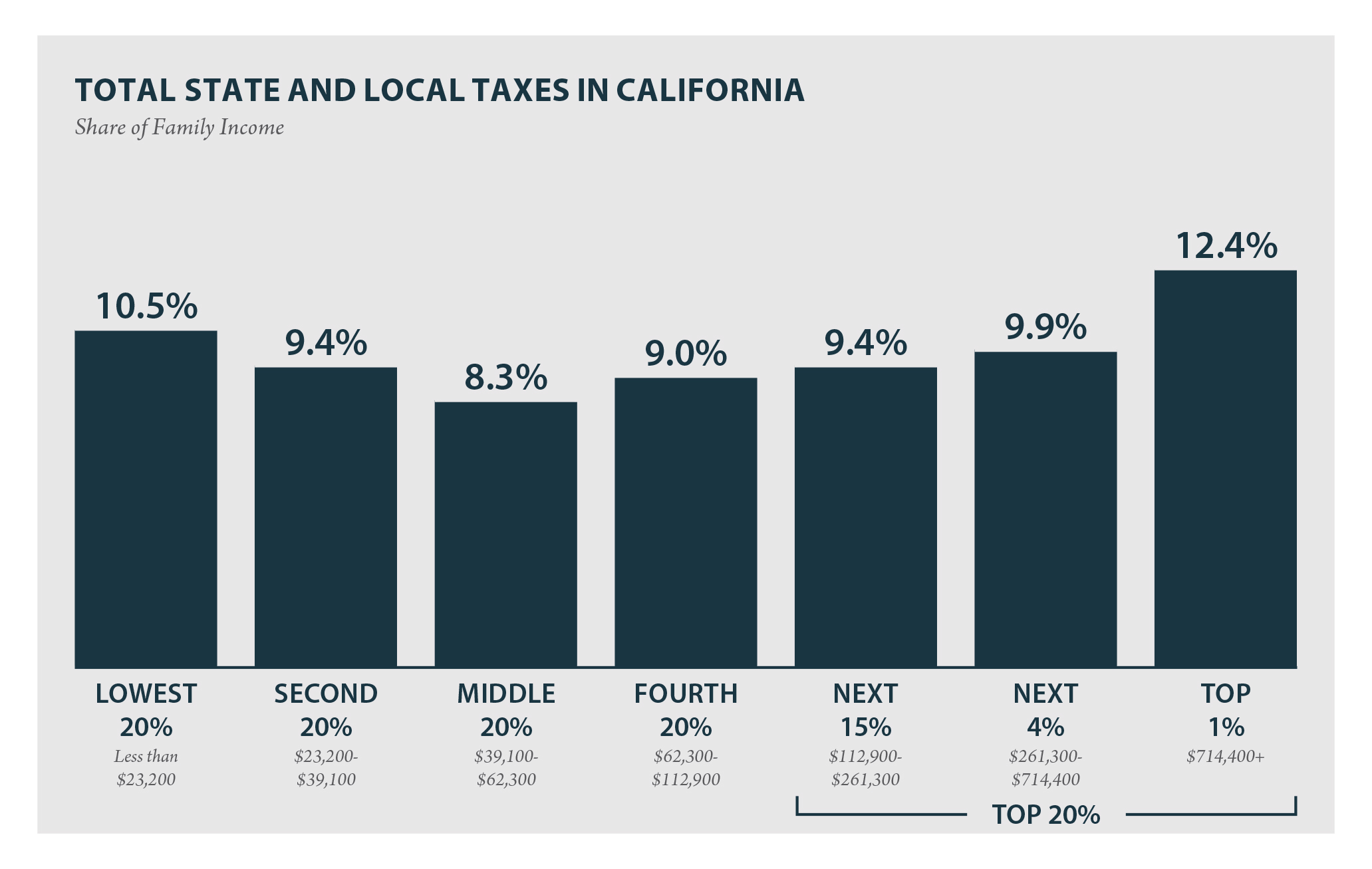
Navigating California’s Tax Landscape for Travelers and Tourists
For the vast majority of visitors, the primary taxes they will encounter revolve around their purchases and accommodation. These are straightforward, though their specific rates can vary depending on the city or county you’re exploring. Understanding these upfront can help you budget effectively for your dream California getaway, ensuring your focus remains on enjoying the destinations, attractions, and local culture.
Understanding Sales Tax: What You’ll Pay on Purchases
Sales tax is arguably the most common tax travelers will encounter. In California, the statewide base sales tax rate is 7.25%. However, this is just the starting point. Most cities and counties impose additional local sales taxes, meaning the actual rate you pay can be significantly higher. For instance, while the base rate applies, cities like Los Angeles and San Francisco often have combined sales tax rates that reach 9.5% or even higher in some areas. This tax applies to the retail sale of most tangible goods, from souvenirs and clothing to restaurant meals and groceries (though some essential groceries are exempt).
When you’re dining out in Beverly Hills, shopping for designer goods in Palm Springs, or grabbing a snack before heading to Disneyland Resort in Anaheim, remember that the price tag doesn’t always reflect the final cost. Factor in the sales tax when budgeting for your travel expenses, especially if you plan on doing a lot of shopping or enjoying California’s renowned culinary scene. Being aware of these varying rates can prevent surprises when checking out, allowing you to fully immerse yourself in the experiences California has to offer, from theme parks to historical landmarks.
The Transient Occupancy Tax (TOT): Your Hotel Stay Explained
When booking any form of accommodation in California – be it a luxury resort, a boutique hotel, a cozy apartment rental, or even a campsite – you’ll likely encounter the Transient Occupancy Tax (TOT), often referred to as a “hotel tax” or “occupancy tax.” This is a significant consideration for anyone planning their travel and accommodation budget. The TOT is levied on the rent paid for short-term lodging, typically for stays of 30 days or less. Like sales tax, the TOT rate varies widely by locality, as it is imposed by individual cities and counties.
For example, a stay in San Diego might incur a TOT of around 10.5%, plus other district assessments, whereas San Francisco’s rate can be as high as 14% or even more, depending on specific surcharges. This tax helps fund local services and tourism promotion, contributing to the upkeep of attractions and infrastructure that visitors enjoy. When comparing hotel prices or booking a vacation rental, always look for the total cost, which should include the TOT. It’s a crucial element in accurately calculating the expenses for your stay, whether you’re relaxing in a Santa Monica beachfront hotel or exploring the historic charm of Monterey. Understanding this tax ensures there are no hidden costs eating into your budget for local culture, food, or activities.
Other Taxes Affecting Your California Journey
Beyond sales and transient occupancy taxes, a few other levies might subtly impact your California travel budget. For those planning to explore the state by car, vehicle rental taxes are a common occurrence. When you rent a car from major airports like Los Angeles International Airport (LAX) or San Francisco International Airport (SFO), you’ll find a mix of sales tax on the rental fee, along with various local surcharges and airport access fees, which effectively increase the overall cost. These can include a tourism fee, a vehicle license fee, and often a convention center financing fee. It’s always wise to get a detailed quote that breaks down all taxes and fees when booking a rental car.
Additionally, some specific services or activities might have their own small taxes or surcharges. For instance, specific venues for entertainment or concerts might include a small city tax. While these might seem minor individually, they can accumulate, especially during extended trips or if your itinerary includes numerous activities. Planning ahead for these potential additions, even if they are small, ensures a smoother financial experience as you traverse the diverse landscapes and experiences that California has to offer, from the bustling streets of Oakland to the serene beauty of Big Sur.
Lifestyle and Long-Term Considerations: Beyond the Tourist Trail
While tourists primarily focus on sales and hotel taxes, those contemplating a longer stay, working remotely from California, or even considering permanent relocation will need to delve deeper into the state’s tax structure. California’s lifestyle, whether it’s luxury travel, family trips, or a business stay, often comes with a broader set of tax implications that can significantly impact budgeting and financial planning. These taxes support the extensive infrastructure, renowned educational institutions, and public services that contribute to the state’s dynamic appeal.
Income Tax: For Longer Stays and Relocation
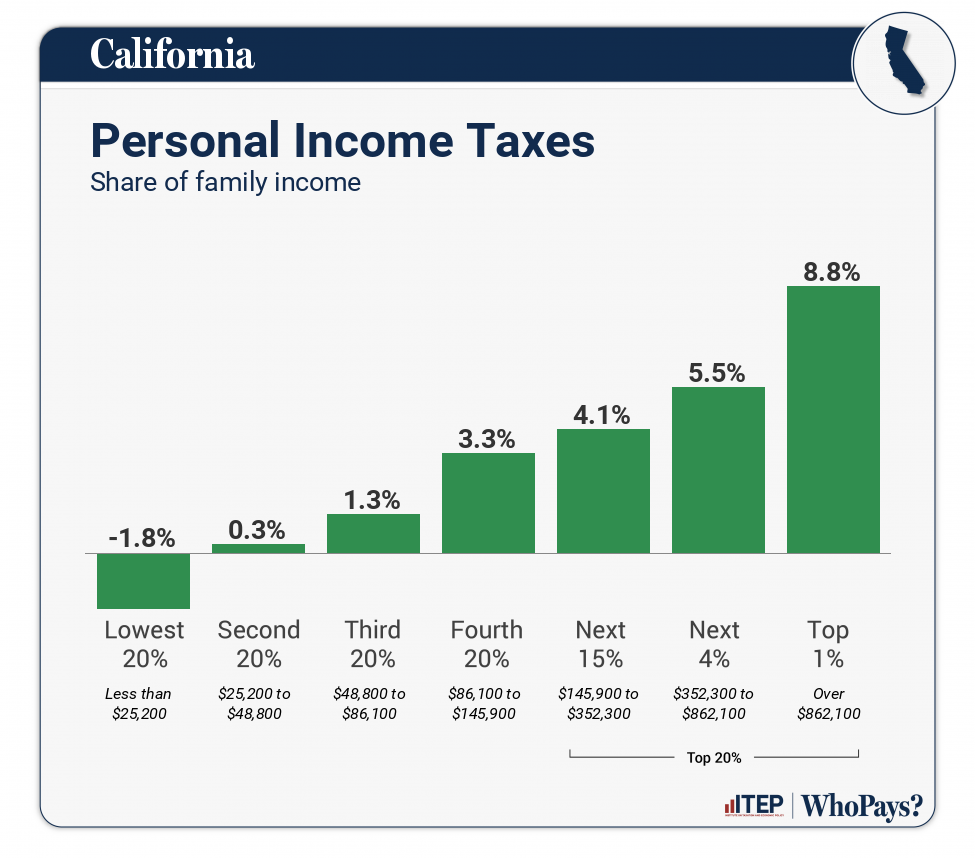
California has a progressive state income tax system, meaning higher earners pay a higher percentage of their income in taxes. The rates are among the highest in the United States, ranging from 1% to 12.3%, with an additional 1% surcharge on taxable incomes over $1 million for mental health services, bringing the top marginal rate to 13.3%. This is a critical factor for anyone considering moving to California for work, starting a business in Silicon Valley, or even those whose remote work means they are considered California residents for tax purposes.
Residency for tax purposes can be complex and isn’t solely determined by physical presence. Factors like where you register your vehicle, where your bank accounts are, and the location of your family and primary home all play a role. If you plan to spend a significant portion of the year in California, especially if you’re earning income there, it’s essential to understand the residency rules and plan for state income tax liabilities. This applies whether you’re staying in a long-term apartment rental in San Francisco or purchasing a vacation home near Lake Tahoe. Proper planning can help manage the financial aspects of embracing the California lifestyle.
Property Tax: The Real Estate Aspect
For those envisioning homeownership or a long-term investment in California real estate, property taxes are another significant consideration. While the state’s median property tax rate of around 0.73% of a property’s assessed value is lower than the national average, the high home values in many desirable California markets mean that the actual dollar amount paid can be substantial. For example, a home in Los Angeles or San Jose with a median value could easily incur annual property taxes in the thousands of dollars.
A unique aspect of California property tax is Proposition 13, which limits the annual increase in a property’s assessed value to no more than 2% until it is sold. This means that long-term homeowners often pay property taxes based on a much lower assessed value than the current market value. However, upon sale and transfer of ownership, the property is reassessed at its new market value, and the new owner will face significantly higher property tax bills. This system impacts the real estate market and the long-term cost of living, particularly in popular areas like San Diego, Santa Barbara, or the exclusive neighborhoods of Malibu. Understanding these nuances is crucial for anyone looking to invest in California accommodation, whether it’s a vacation villa or a permanent residence.
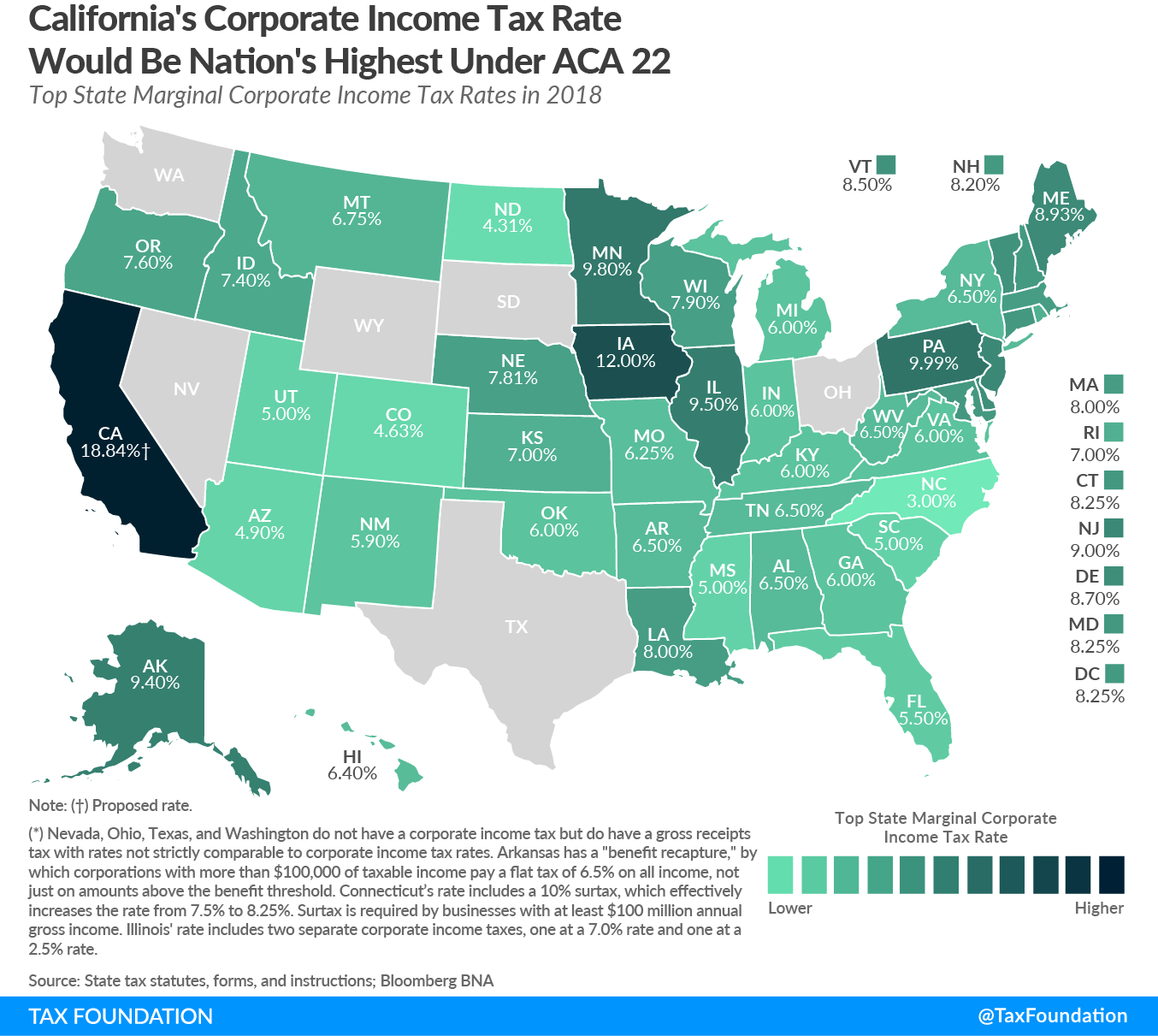
Vehicle-Related Taxes: Rentals and Ownership
Beyond the short-term rental car taxes mentioned earlier, individuals living in California or bringing their own vehicle into the state will encounter additional vehicle-related taxes. When purchasing a vehicle, California sales tax applies, which, as discussed, can be up to 9.5% or more depending on the county of sale. This can add a significant amount to the purchase price of a new or used car.
Additionally, California charges an annual vehicle registration fee, which includes a vehicle license fee (VLF) calculated based on a percentage of the vehicle’s market value, diminishing over time. While not a “tax” in the traditional sense, these fees are mandatory for operating a vehicle in the state and contribute to road maintenance and other transportation-related services. For those considering a permanent move, these ongoing costs for vehicle ownership are an important part of the broader lifestyle budget, complementing the daily travel and leisure expenses throughout the state, from the urban sprawl of Sacramento to the remote roads of Death Valley National Park.
Maximizing Your California Experience: Tax Tips for Savvy Visitors
While taxes are an unavoidable part of engaging with any economy, understanding them for California allows for smarter budgeting and a more stress-free trip. Whether you’re planning an adventurous road trip through the Sierra Nevada, a cultural immersion in San Francisco, or a relaxing retreat in Carmel-by-the-Sea, incorporating tax considerations into your financial planning is a mark of a savvy traveler.
Budgeting for Taxes: A Key to Smooth Travel
The most effective strategy for managing taxes during your California visit is to budget for them upfront. Don’t just look at the advertised price for hotels, rental cars, or expensive restaurant meals; mentally (or actually) add the expected sales tax and TOT. A good rule of thumb is to factor in an additional 10-15% on your accommodation costs and 8-10% on most retail purchases and dining to cover these taxes. For vehicle rentals, inquire about the total, all-inclusive price.
Being prepared for these additional costs means you won’t be caught off guard when the bill arrives, allowing you to allocate your funds more effectively to experiences like visiting Yosemite National Park, exploring Universal Studios Hollywood, or enjoying a gourmet meal in Laguna Beach. This proactive approach transforms potential budget stressors into manageable parts of your overall travel planning, letting you focus on creating unforgettable memories.
Understanding Exemptions and Refunds
While most purchases and short-term accommodations are subject to tax, there are some limited exemptions to be aware of. Essential groceries, for example, are generally exempt from sales tax in California, although prepared foods at grocery stores often are not. Services (like haircuts or massages) typically do not incur sales tax, but any tangible products sold during the service (e.g., shampoo) would.
For tourists, obtaining refunds on sales tax for purchases made in the U.S. and taken out of the country, as is common in some other nations, is generally not possible in California or the wider United States. The system does not support a general sales tax refund for international visitors. Therefore, it’s crucial to factor these costs into your budget, knowing they are generally non-recoverable. However, if you’re a long-term visitor or considering residency, understanding tax exemptions for certain business expenses or deductions for income tax purposes becomes more relevant, and professional tax advice would be recommended.
Local Variations: Why Your Tax Bill Differs by City
It cannot be stressed enough that tax rates, especially sales tax and TOT, vary significantly from one city or county to another within California. This means your shopping spree in Los Angeles might carry a different sales tax rate than one in San Diego. Similarly, a hotel stay in San Francisco will likely have a higher TOT than a comparable hotel in Sacramento or a resort near Mammoth Lakes.
Before traveling to a specific destination, a quick online search for the local sales tax and transient occupancy tax rates can provide precise figures for your budgeting. This is especially important for cities that rely heavily on tourism, as they often have higher TOT rates to support local amenities and infrastructure. Being informed about these local nuances allows for more accurate financial planning and helps you manage your expenditures across the diverse regions of California, from its bustling urban centers to its tranquil natural escapes.
The Impact of Taxes on California’s Tourism and Economy
While taxes might seem like an added cost, they play a fundamental role in maintaining and enhancing the very appeal that draws visitors and residents to California. These revenues are critical to the state’s economic health and directly influence the quality of the travel experience, accommodation options, and overall lifestyle.
Funding Public Services and Infrastructure
The sales tax, transient occupancy tax, income tax, and property tax collected across California are channeled into a wide array of public services and infrastructure projects. This includes everything from maintaining the scenic highways that wind along the Pacific Coast and through national parks like Joshua Tree, to funding public safety, education, and healthcare. For tourists, this translates to well-maintained roads, clean public spaces, accessible parks, and efficient emergency services, all of which contribute to a safer and more enjoyable travel experience. For residents, these taxes support schools, libraries, and local community programs that enrich the California lifestyle.
Local TOT, specifically, is often directly reinvested into tourism promotion, convention centers, and beautification projects in cities. This ensures that destinations remain attractive and competitive, continuously offering new attractions and improving existing ones. Without these tax contributions, the state’s ability to maintain its world-class amenities and preserve its natural wonders would be severely hampered, diminishing the very qualities that make California a top global destination.
How Taxes Influence Travel Decisions
The cost of travel, including taxes, is undeniably a factor in destination choice. While California’s higher tax rates might lead some to perceive it as an expensive destination, the unparalleled experiences, diverse landscapes, and vibrant culture often outweigh these considerations for many. Travelers seeking luxury travel, unique cultural immersion, or specific adventure opportunities often prioritize value over solely the lowest cost.
Savvy travelers often balance their budget by exploring a mix of popular hotspots and more budget-friendly locales, or by opting for longer stays in vacation rentals over shorter, more frequent hotel bookings. The transparency around taxes, combined with adequate budgeting, empowers visitors to make informed decisions without compromising on their desired California experience. Ultimately, the taxes in California are part of a larger ecosystem that sustains the beauty, innovation, and diverse opportunities the state offers, making it a truly exceptional place to visit, stay, and live.
LifeOutOfTheBox is a participant in the Amazon Services LLC Associates Program, an affiliate advertising program designed to provide a means for sites to earn advertising fees by advertising and linking to Amazon.com. Amazon, the Amazon logo, AmazonSupply, and the AmazonSupply logo are trademarks of Amazon.com, Inc. or its affiliates. As an Amazon Associate we earn affiliate commissions from qualifying purchases.