
The golden state of California, renowned for its sun-drenched beaches, majestic forests, vibrant cities, and world-class travel destinations, has increasingly become synonymous with another, more somber phenomenon: devastating wildfires. These recurring infernos cast a long shadow over the state’s otherwise idyllic image, prompting crucial questions about their origins and profound impact on everything from local communities to the bustling tourism industry. For travelers planning their next adventure or those simply curious about the natural forces shaping our world, understanding what truly ignites these colossal blazes is paramount. It’s a complex tapestry woven from natural conditions, human actions, and a changing climate, each thread contributing to a crisis that touches nearly every aspect of California life and its appeal as a global hub for travel and lifestyle.
A Fiery Tapestry: Unraveling the Complex Causes of California’s Wildfires
The genesis of California’s wildfires is rarely singular; it’s almost always a confluence of factors, each exacerbating the others. To truly grasp the scope of the issue, we must look at both the environmental conditions that create a tinderbox and the actions, deliberate or accidental, that often provide the spark. This duality makes prevention and mitigation a multifaceted challenge, especially for a state that boasts such diverse landscapes and a burgeoning population.
Nature’s Unforgiving Hand: The Role of Climate and Geography
California’s unique geography and Mediterranean climate are inherently prone to fire. This is not a new phenomenon; wildfires have shaped its ecosystems for millennia. However, recent decades have seen an alarming escalation in their frequency, intensity, and destructiveness, largely due to exacerbated natural conditions.
A primary natural culprit is prolonged drought. Year after year, below-average rainfall leaves vast expanses of the state parched, transforming lush vegetation into brittle fuel. Trees, shrubs, and grasses, starved of moisture, become highly combustible. This creates an environment where even a tiny spark can quickly escalate into an uncontrollable blaze. The severity of these drought cycles has been amplified by climate change, leading to hotter, drier conditions that dry out the landscape more thoroughly and for longer periods.
Compounding the drought are the infamous seasonal winds. The Santa Ana winds in Southern California and the Diablo Winds in the north are hot, dry gusts that roar down from inland deserts and mountains, often reaching hurricane-force speeds. These winds act as giant bellows, fanning nascent fires, carrying embers miles ahead, and dramatically accelerating their spread. They transform small fires into raging infernos almost instantaneously, making containment efforts incredibly difficult and dangerous. Their predictability, primarily in the fall, is a constant source of anxiety for residents and emergency services alike.
California’s natural vegetation also plays a crucial role. The state is home to dense forests of pines and firs, as well as the highly flammable chaparral shrubland. These plant communities, adapted to fire, can burn with immense intensity when conditions are right. While fire is a natural part of these ecosystems, clearing excess fuel through controlled burns has been historically suppressed, leading to an unnatural buildup of combustible material. When fires do occur, they burn hotter and faster than they would in a healthier, more naturally managed landscape.
Finally, lightning strikes are a natural ignition source, particularly in the more remote wilderness areas. While less common than human-caused ignitions, a series of dry thunderstorms during a heatwave can trigger numerous fires simultaneously, overwhelming firefighting resources and posing significant threats to national parks and untouched natural beauty.
The Human Element: Igniting Catastrophe
While nature sets the stage, human activity is overwhelmingly the direct trigger for most of California’s catastrophic wildfires. These ignitions stem from a range of sources, from accidental oversights to deliberate acts.
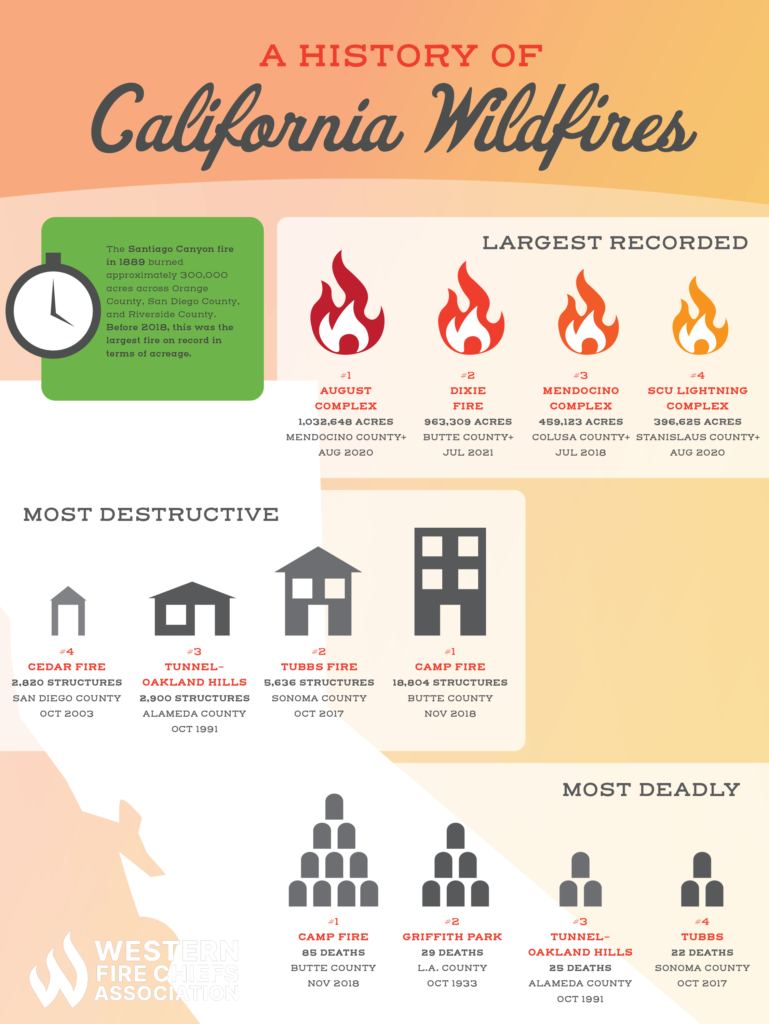
Perhaps the most scrutinized source of human-caused fires is faulty utility infrastructure. Aging power lines, transformers, and electrical equipment, especially those owned by companies like Pacific Gas and Electric Company (PG&E), have been implicated in some of the state’s deadliest and most destructive fires. Strong winds can cause power lines to sway and collide, dropping sparks. Failing equipment can short-circuit. In overgrown areas, vegetation can come into contact with live wires, igniting quickly. The notorious Camp Fire in 2018, which decimated the town of Paradise and killed 85 people, was directly attributed to a faulty PG&E transmission line. The immense liability and public outcry have forced utility companies to invest heavily in hardening their infrastructure, implementing public safety power shutoffs during high-risk conditions, and exploring innovative solutions like undergrounding power lines.
Beyond utility equipment, a myriad of accidental ignitions contribute to the annual fire toll. Discarded cigarettes flicked from car windows, sparks from machinery used in agriculture or construction, vehicle accidents, unextinguished campfires, and backyard debris burns gone awry are all common culprits. Even seemingly innocuous activities like fireworks can have devastating consequences. These incidents underscore the immense responsibility that individuals share in fire prevention, especially in a state so inherently susceptible to wildfires.
Deliberate acts of arson, though accounting for a smaller percentage of fires, can be particularly destructive and challenging to predict. Motives vary, but the impact is uniformly devastating, adding another layer of complexity to prevention efforts.
Finally, the expansion of the Urban-Wildland Interface (WUI) has significantly amplified the risk. As more people move into traditionally rural or forested areas, the boundaries between developed land and wild ecosystems blur. Homes, businesses, and critical infrastructure are built closer to fire-prone vegetation, dramatically increasing the potential for property damage, loss of life, and the complexity of evacuations. This encroachment means that even small fires have a higher chance of becoming community-destroying events, intertwining the fate of human dwellings with the natural cycle of fire.
Scorch Marks on Paradise: The Impact on California’s Travel and Tourism Sector
The beauty and diversity of California are what draw millions of visitors annually, filling hotels, resorts, and vibrant urban centers. However, the relentless scourge of wildfires leaves indelible scorch marks, not just on the landscape but on the state’s vital travel and tourism industries. These events profoundly disrupt travel plans, jeopardize accommodation businesses, and reshape the visitor experience, often for years after the flames have subsided.

Devastation of Destinations: Resorts, Hotels, and Local Economies
When wildfires rage, they don’t discriminate between natural beauty and human-made wonders. Some of California’s most cherished travel destinations have found themselves directly in the path of the flames. Iconic wine regions like Napa Valley and Sonoma County, famous for their rolling vineyards, boutique hotels, and gourmet dining, have repeatedly suffered direct hits. While many wineries show remarkable resilience, the immediate aftermath involves destroyed vineyards, damaged tasting rooms, and significant drops in visitor numbers due to road closures, evacuation orders, and pervasive smoke. This ripple effect impacts everything from luxury resorts catering to discerning palates to charming bed-and-breakfasts that form the backbone of local tourism.
Coastal gems, such as Malibu, known for its celebrity homes, stunning beaches, and upscale resorts, faced immense destruction during fires like the Woolsey Fire. The loss of homes, businesses, and infrastructure in such high-profile areas sends shockwaves through the property and accommodation markets, affecting everything from luxury travel experiences to accessible vacation rentals. The economic repercussions extend far beyond the direct damage. Flights are cancelled, bookings for hotels and tours plummet, and entire communities reliant on visitor spending face severe financial hardship. Restaurants, shops, art galleries, and other local businesses that thrive on the influx of tourists suddenly find themselves with empty tables and dwindling sales, often struggling for years during the arduous rebuilding process.
Preserving California’s Natural and Cultural Landmarks
California’s allure is deeply tied to its breathtaking natural landmarks and ecological diversity. Wildfires pose an existential threat to these irreplaceable treasures. Legendary National Parks like Yosemite National Park, Sequoia National Park, and Kings Canyon National Park have been repeatedly impacted by fires, leading to closures, significant damage to ancient groves of Giant Sequoias, and destruction of hiking trails and visitor facilities. The very essence of what makes these places global attractions — their pristine nature and monumental trees — is jeopardized.
Beyond the immediate fire lines, the pervasive smoke generated by large wildfires can blanket vast regions, turning blue skies hazy and causing significant air quality issues. This unhealthy air can reach major metropolitan areas like San Francisco and Los Angeles, forcing residents and visitors indoors, disrupting outdoor activities, and deterring even those not directly in the fire zones. For travelers seeking outdoor adventures or simply beautiful vistas, thick smoke can ruin an otherwise perfect trip, impacting everything from scenic drives to enjoying local culinary activities al fresco.
Moreover, historical sites, cultural landmarks, and cherished natural habitats are under constant threat. The erosion of these elements impacts not only the cultural heritage of California but also the unique experiences it offers to travelers. The long-term environmental consequences, including soil erosion, habitat loss, and impacts on water quality, further diminish the natural capital that underpins California’s appeal as a diverse travel destination and a desirable place for a certain lifestyle.
Towards a Resilient Future: Adapting and Rebuilding
Despite the profound challenges posed by wildfires, California is a state defined by innovation, resilience, and an unwavering spirit. The ongoing crisis has spurred monumental efforts in prevention, mitigation, and recovery, aiming to safeguard its communities, natural treasures, and cherished tourism industry for future generations. These strategies are not just about fighting fires; they are about fundamentally rethinking how humans coexist with a fire-prone landscape and ensuring the state remains a welcoming place for all types of travel, from luxury travel to more budget travel adventures.
Mitigating the Risk: Strategies for Prevention and Preparedness
A critical area of focus is the comprehensive upgrade of utility infrastructure. PG&E and other utility companies are undertaking massive projects to harden their electrical grids, which includes replacing aging equipment, insulating power lines, and in some cases, burying lines underground in high-risk areas. While costly and time-consuming, these investments are crucial for eliminating a significant source of accidental ignitions. Furthermore, Public Safety Power Shutoffs (PSPS) are implemented during periods of extreme fire weather, proactively de-energizing lines to prevent sparks, despite the inconvenience to residents and businesses.
Forest and land management practices are also undergoing a paradigm shift. Decades of fire suppression led to an unnatural accumulation of fuel in forests and wildlands. Now, there’s a renewed emphasis on ecologically sound practices such as prescribed burns, which involve intentionally setting small, controlled fires to clear out underbrush and dead vegetation. This mimics natural fire cycles, reduces fuel loads, and helps create more resilient forests that are less prone to catastrophic blazes. Fuel reduction projects, including mechanical thinning and strategic clearings, are also being implemented to create defensible space around communities and critical infrastructure.
Technological advancements are playing an increasingly vital role in early detection and rapid response. Networks of high-definition cameras, often equipped with AI to detect smoke plumes, provide real-time monitoring across vast landscapes. Satellite monitoring offers broad-scale insights into fire behavior and spread. Drones are used for reconnaissance and mapping, while advanced weather modeling helps predict fire conditions and wind patterns, allowing for more precise resource deployment and timely evacuation orders. These innovations are critical for spotting fires when they are small and containing them before they become infernos.
Finally, community preparedness and education are paramount. This includes promoting fire-resistant building codes for new constructions in the WUI, encouraging homeowners to create defensible space around their properties, and developing robust evacuation plans. Clear communication channels for emergency alerts and regular drills ensure that residents are ready to act quickly when a fire threatens, safeguarding lives and minimizing chaos.
California’s Enduring Spirit: A Call to Responsible Travel
Even as California grapples with the ongoing challenge of wildfires, the state’s spirit remains undimmed. Its diverse destinations, from the serene Sonoma County wine country to the majestic peaks of Yosemite National Park, continue to beckon travelers from around the globe. The resilience of communities affected by fires is inspiring, with rapid rebuilding efforts often fueled by a deep commitment to restoring their unique charm and functionality.
For travelers, visiting California plays a crucial role in its recovery and ongoing vitality. Supporting local businesses, staying in hotels and resorts, and engaging in local tourism activities injects much-needed funds into economies that may have been hit hard. Responsible travel means staying informed about local conditions, adhering to fire safety guidelines (e.g., proper campfire protocols, respecting burn bans), and choosing operators and accommodation providers that prioritize sustainability and community well-being. Whether you’re planning a family trip to San Francisco, a business stay in Los Angeles, or exploring the vast natural landmarks, your presence contributes to California’s enduring appeal.
The state is committed to ensuring the safety and enjoyment of its visitors. Information on air quality, park closures, and safe travel routes is readily available through official channels. While the threat of wildfires is an undeniable reality, it does not diminish the myriad reasons to explore and appreciate the golden state. Instead, it fosters a deeper appreciation for its natural beauty and the heroic efforts undertaken to protect it.
In conclusion, what started the California wildfires is a multifaceted story of natural vulnerability meeting human impact. The interplay of drought, powerful winds, and flammable vegetation creates ripe conditions, while human actions—from utility failures to accidental sparks—provide the ignition. The consequences ripple through every facet of the state, particularly its vibrant travel and tourism industries. Yet, with extensive efforts in mitigation, technological innovation, and community resilience, California continues to adapt, rebuild, and welcome the world to experience its unparalleled beauty and dynamic lifestyle, inviting visitors to be part of its resilient future.
LifeOutOfTheBox is a participant in the Amazon Services LLC Associates Program, an affiliate advertising program designed to provide a means for sites to earn advertising fees by advertising and linking to Amazon.com. Amazon, the Amazon logo, AmazonSupply, and the AmazonSupply logo are trademarks of Amazon.com, Inc. or its affiliates. As an Amazon Associate we earn affiliate commissions from qualifying purchases.