
Understanding the time zone in California is a fundamental aspect of planning any visit to the Golden State, whether for business, leisure, or an extended stay. This vast and diverse state, spanning from the scenic coastlines to the majestic mountains, observes a single primary time zone, but its nuances and relationship with daylight saving time can occasionally cause confusion for travelers and locals alike. This guide will demystify the California time zone, ensuring your arrival and activities align perfectly with the local rhythm.
The Pacific Time Zone: California’s Temporal Anchor
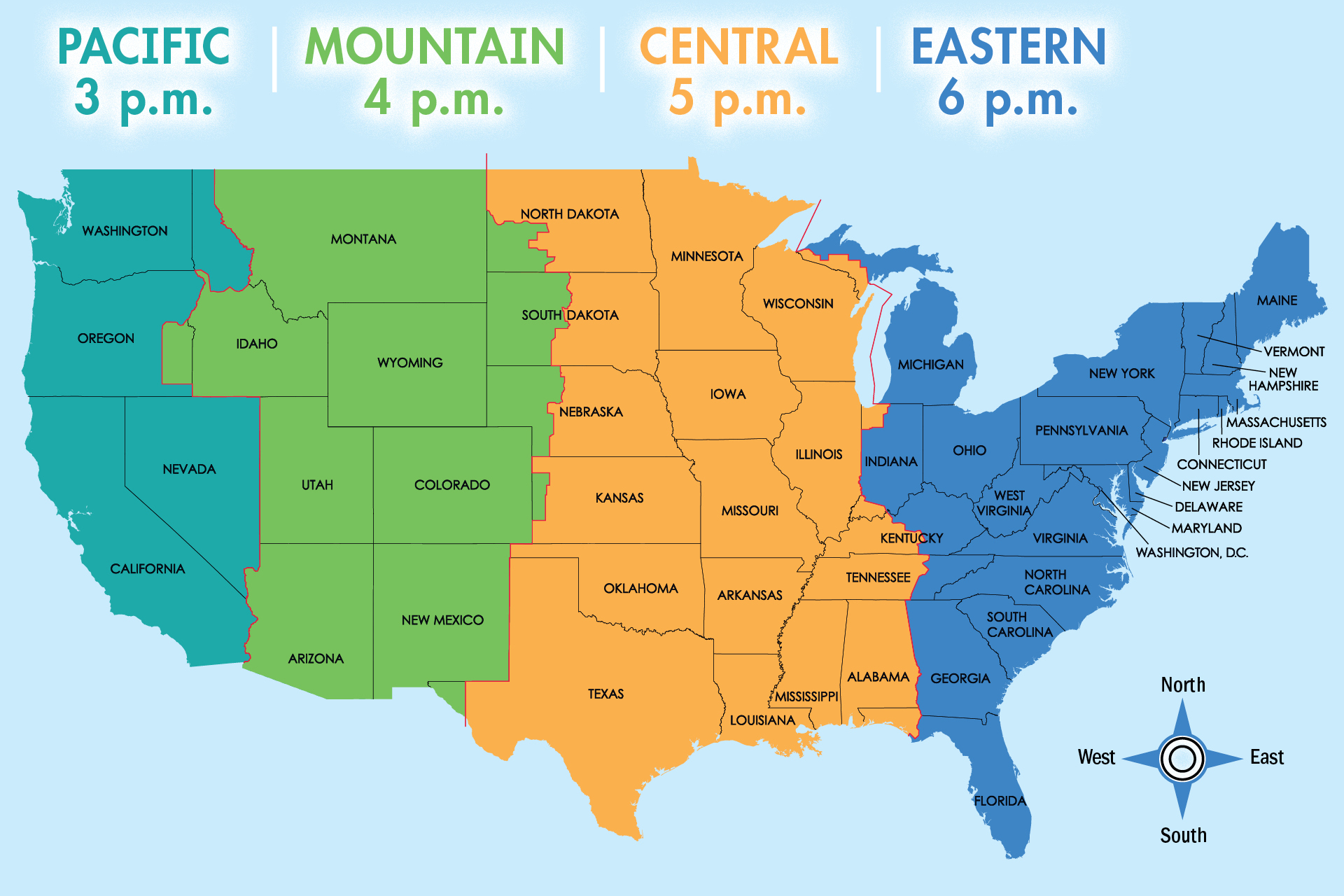
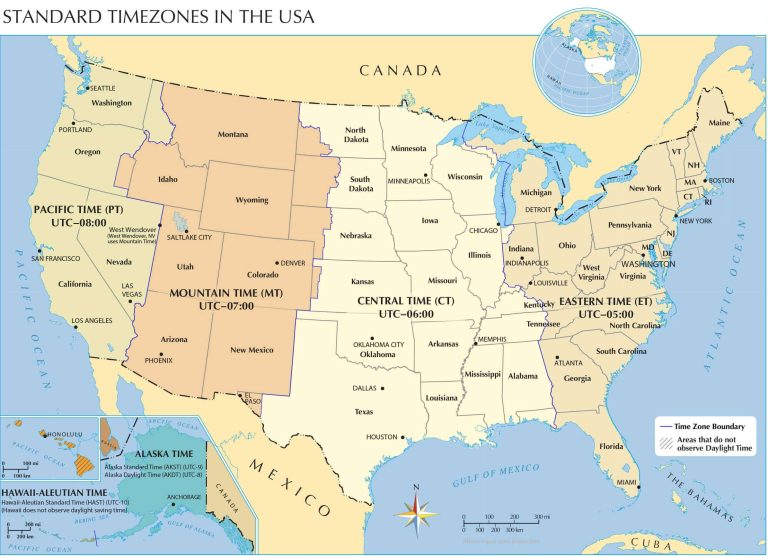
At its core, California operates within the Pacific Time Zone (PT). This zone is one of the nine standard time zones in North America, predominantly covering the western parts of the United States and Canada, as well as parts of Mexico.
Understanding Standard Time vs. Daylight Saving Time
The Pacific Time Zone observes two distinct periods throughout the year: Pacific Standard Time (PST) and Pacific Daylight Time (PDT). This shift, commonly known as Daylight Saving Time (DST), is implemented to make better use of daylight during warmer months.
Pacific Standard Time (PST)
During the fall and winter months, California observes Pacific Standard Time (PST). PST is UTC-8, meaning it is eight hours behind Coordinated Universal Time (UTC). This period typically runs from the first Sunday in November until the second Sunday in March. For instance, if it is noon UTC, it would be 4:00 AM PST in California.
Pacific Daylight Time (PDT)
As spring arrives and daylight hours lengthen, California transitions to Pacific Daylight Time (PDT). PDT is UTC-7, which is seven hours behind UTC. This period typically commences on the second Sunday in March and concludes on the first Sunday in November. So, when it is noon UTC, it would be 5:00 AM PDT in California.
The switch between PST and PDT is a synchronized event across most of North America, designed to maximize daylight in the evenings. While this system is widely adopted, it’s always prudent to confirm the current time, especially if you are coordinating with individuals in different time zones or observing different DST rules.
Geographic Boundaries and Neighboring Time Zones
While California is entirely within the Pacific Time Zone, it’s beneficial to understand its position relative to its neighbors. To the east, the state borders Arizona, which largely observes Mountain Standard Time (MST) year-round, meaning it does not switch to Mountain Daylight Time (MDT). This creates a peculiar situation where Arizona is UTC-7 year-round, making it the same as PDT during the DST period but one hour ahead of PST during the standard time period. This can be a point of confusion for those traveling between California and areas of Arizona like the Grand Canyon National Park (excluding the Navajo Nation, which does observe DST).
To the north, Oregon and Washington also observe the Pacific Time Zone. To the south, Mexico‘s Baja California peninsula is also within the Pacific Time Zone. This widespread adoption simplifies temporal coordination across a significant geographical area.
Navigating Time Differences for Travelers
For anyone planning a trip to California, understanding the time difference is crucial for coordinating flights, booking accommodations, and planning daily itineraries. Whether you’re flying into Los Angeles International Airport (LAX), San Francisco International Airport (SFO), or any other gateway, knowing the local time will prevent missed connections or early morning calls.
Coordinating International Travel
When traveling from abroad, the primary consideration will be the difference between your local time and California’s time. For example, if you are coming from London, UK, which observes Greenwich Mean Time (GMT) or British Summer Time (BST) similar to UTC, the difference will be substantial. During PST (UTC-8), California is 8 hours behind London. During PDT (UTC-7), it is 7 hours behind. Travelers from the East Coast of the United States (Eastern Time Zone, ET) will find California is 3 hours behind their local time.
Business and Communication
For business travelers, precise timekeeping is paramount. Scheduling meetings, conference calls, or any form of business communication requires a clear understanding of the Pacific Time Zone. When contacting businesses or individuals in California from another time zone, always factor in the PST/PDT offset. It’s often helpful to state the time and the specific time zone when confirming appointments, such as “3:00 PM PST” to avoid any ambiguity. Many online tools and apps can help you convert times between zones instantaneously, which is an invaluable resource for global business operations.
Leisure and Activities
Even for leisure travelers, understanding the time zone plays a role. Knowing the local time will help you maximize your daylight hours for exploring attractions like Disneyland, visiting the Golden Gate Bridge, or enjoying the beaches of San Diego. It also influences when restaurants open, when tours commence, and the general pace of daily life. For instance, catching a sunset over the Pacific can feel significantly different depending on the time of year and the DST observance.
Local Perspectives on Time
While the adherence to PST/PDT is standardized, there can be subtle local attitudes and practices that revolve around time. The relaxed “California vibe” might sometimes lead to a more flexible approach to punctuality in casual settings, though this is certainly not the case in professional environments or for scheduled events.
The Impact of Daylight Saving Time on Daily Life
The biannual shift between PST and PDT is a topic of perennial discussion in California. Some residents welcome the extra daylight in the evenings for outdoor activities, while others find the disruption to sleep patterns and the early darkness in winter inconvenient. Debates about whether California should remain on DST permanently or revert to standard time year-round are ongoing, reflecting a desire to optimize daily life around natural light.
Time Zone Etiquette
When interacting with locals, particularly in tourist areas or more laid-back settings, a little awareness of the local time can go a long way. For example, understanding when local businesses typically open and close, or when certain natural phenomena like whale watching tours are best scheduled, can enhance your experience. Most service industries, from hotels like the Beverly Wilshire, A Four Seasons Hotel to restaurants in Napa Valley, operate on standard business hours aligned with the Pacific Time Zone.
Time Zone Tools and Resources
Fortunately, in the digital age, keeping track of time zones has become significantly easier. Numerous tools and resources are available to help you stay on track.
Digital Calendars and Clocks
Most modern smartphones, computers, and smart devices automatically update to reflect the correct local time and can be configured to display multiple time zones simultaneously. Setting your calendar appointments with the correct time zone designation (PST/PDT) is a simple yet effective way to avoid confusion.
Online Time Zone Converters
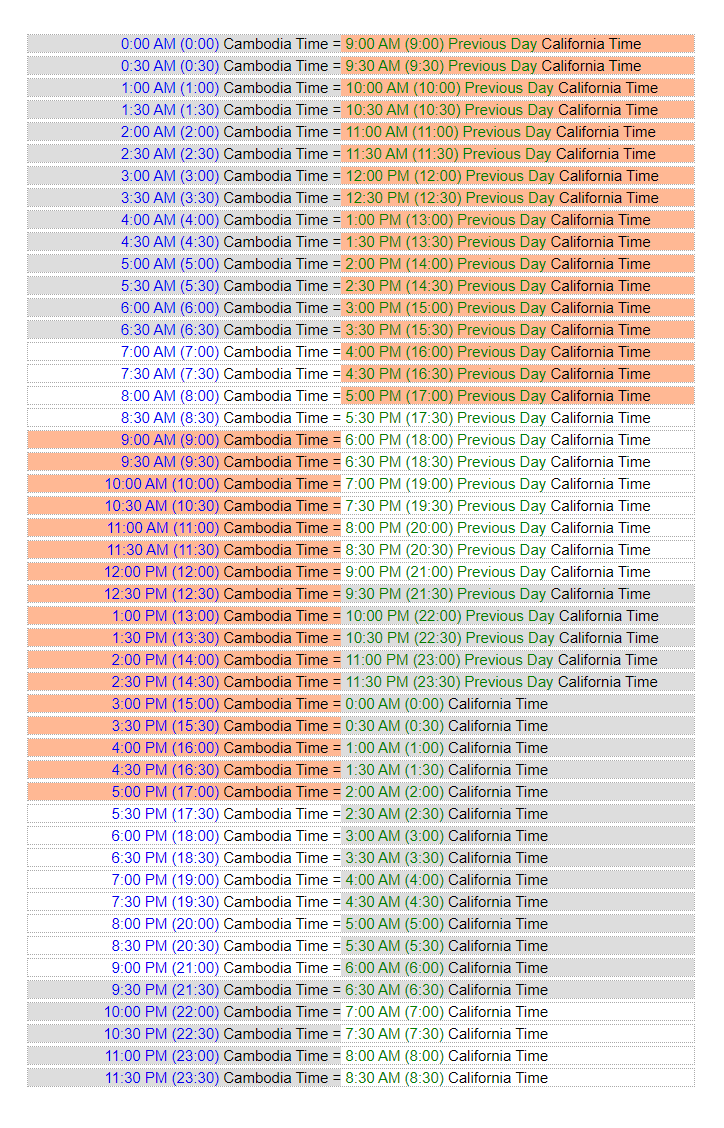
Websites and apps dedicated to time zone conversion are invaluable. By inputting a location and a time, these tools can instantly tell you what time it is in any other part of the world, including California. This is particularly useful when coordinating with friends, family, or colleagues across different continents.
Local Information Sources
When you arrive in California, local news outlets, visitor information centers, and hotel concierges can provide up-to-date information about the current time and any local time-related observances. While the core principle remains PST/PDT, understanding the local context can add an extra layer of convenience to your travel experience.
In conclusion, while the question “What time is it California time zone?” might seem simple, a comprehensive understanding involves recognizing the Pacific Time Zone, its standard and daylight saving variations, and its implications for travel and daily life. By staying informed, you can navigate your journey through the Golden State seamlessly, ensuring every moment is perfectly timed.
LifeOutOfTheBox is a participant in the Amazon Services LLC Associates Program, an affiliate advertising program designed to provide a means for sites to earn advertising fees by advertising and linking to Amazon.com. Amazon, the Amazon logo, AmazonSupply, and the AmazonSupply logo are trademarks of Amazon.com, Inc. or its affiliates. As an Amazon Associate we earn affiliate commissions from qualifying purchases.