
California is a land of unparalleled beauty, from its sun-drenched beaches and towering redwood forests to its vibrant cities and majestic mountain ranges. It consistently ranks as a top global destination for travelers seeking diverse experiences, world-class accommodation options, and unforgettable landmarks. However, the Golden State is also known for its challenging wildfire season, a recurring event that can raise concerns for residents and prospective visitors alike. For anyone planning a trip, understanding the current fire situation is paramount to ensuring a safe, enjoyable, and responsible travel experience. This comprehensive guide aims to shed light on where fires typically occur, their impact on tourism and travel, and how to navigate your California adventure with confidence, connecting you with reliable information and showcasing the state’s enduring allure.
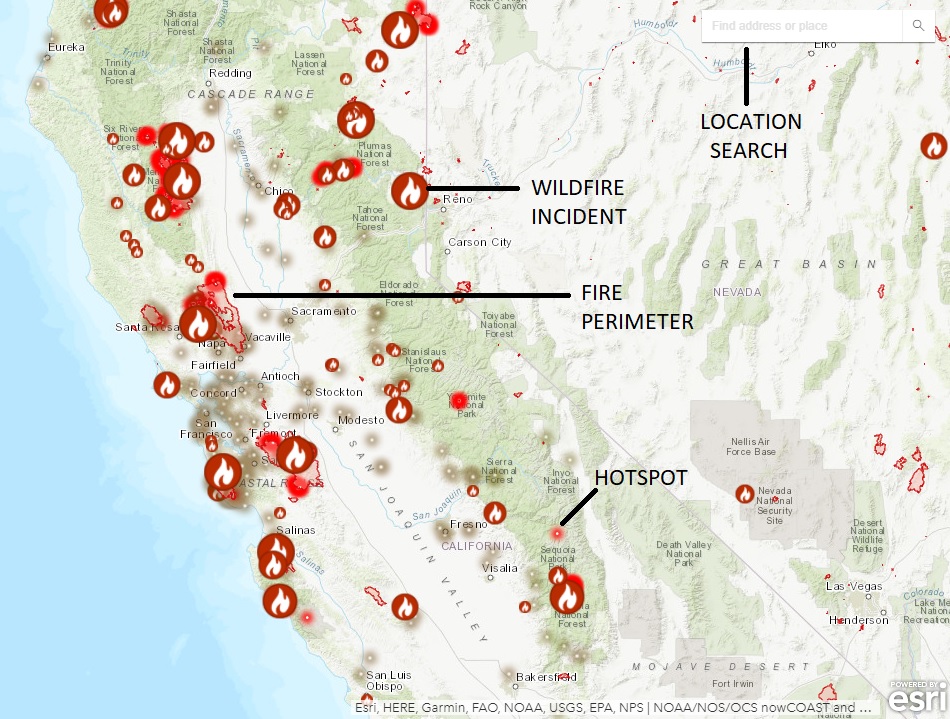
Understanding California Wildfires and Their Impact on Travel
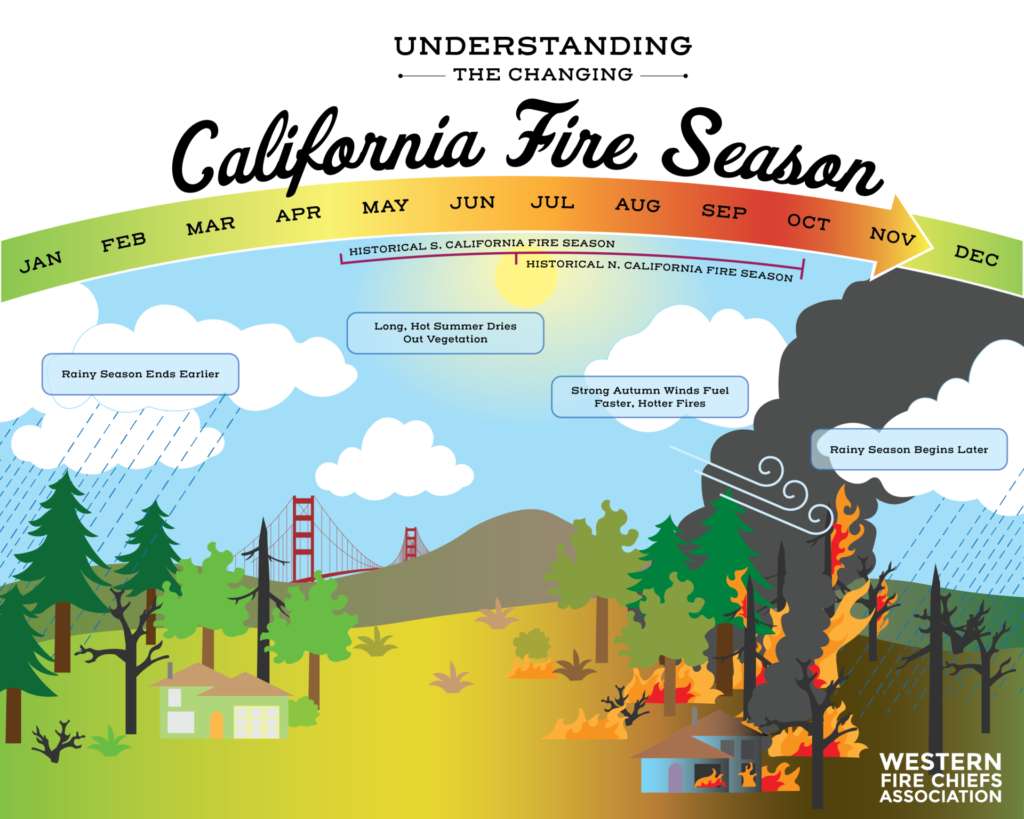
Wildfires are a natural, albeit often devastating, part of California’s ecosystem, especially during the hot, dry summer and fall months. Fuelled by dry vegetation, strong winds (like the Santa Ana winds in Southern California or the Diablo winds in Northern California), and increasingly, climate change, these fires can spread rapidly. While the scale and intensity of fires can be alarming, it’s crucial for travelers to understand that the vast majority of California remains unaffected at any given time. The state is immense, and specific fire incidents are usually localized, often far removed from major tourist hubs. Nevertheless, their presence can impact travel plans in several ways, from air quality concerns to road closures and changes in access to popular outdoor attractions.
Air Quality and Health Considerations
One of the most widespread impacts of wildfires, even those burning hundreds of miles away, is on air quality. Smoke plumes can drift far from their source, leading to hazy skies and elevated particulate matter levels, particularly in inland valleys or areas downwind. For most healthy individuals, short-term exposure might cause mild irritation, but those with respiratory conditions, the elderly, and young children should exercise greater caution. Before and during your trip, it’s advisable to check air quality reports for your intended destination. Websites like AirNow.gov or local air quality management districts provide real-time data and advisories. Many hotels and resorts in affected areas have implemented advanced air filtration systems, offering a comfortable refuge even when outdoor air quality is compromised.
Road Closures and Evacuation Orders
Wildfires often necessitate temporary road closures, particularly in rural or wilderness areas, to ensure public safety and allow emergency responders access. In severe cases, evacuation orders may be issued for communities directly threatened by a fire. For travelers, this means staying updated on local road conditions is essential. Major arteries like parts of the Pacific Coast Highway (Highway 1) or routes through national forests might be affected. Resources like Caltrans QuickMap and official county sheriff websites are invaluable for real-time updates. It’s rare for widespread road closures to impact an entire region, but specific routes to landmarks or smaller towns could be temporarily inaccessible. Always have alternative routes or destinations in mind, especially if your itinerary involves remote areas or single-access roads. Flexibility is key to a stress-free California experience during fire season.
Impact on National Parks and Outdoor Activities
California boasts an incredible array of national and state parks, from the iconic granite cliffs of Yosemite National Park to the ancient groves of Sequoia National Park and Redwood National and State Parks. These natural destinations are frequently at risk during fire season. Park authorities often close specific trails, campgrounds, or even entire sections of parks for safety reasons, not only due to active fires but also for post-fire recovery and hazard mitigation (e.g., falling trees). Before venturing into any wilderness area, always check the official park websites (e.g., NPS.gov) for current conditions, closures, and fire restrictions (like campfire bans). Many outdoor activities such as hiking, camping, and rock climbing may be curtailed. While this can be disappointing, it’s a necessary measure to protect both visitors and the delicate ecosystems. Consider visiting coastal parks or urban green spaces as alternatives during peak fire season if inland parks are affected.
Key Regions Affected and How to Stay Informed
Understanding which parts of California are historically prone to wildfires can help travelers plan more effectively. While fires can occur anywhere, certain regions experience higher frequency and intensity due to their geography, vegetation, and climate patterns. Staying informed through official channels is the best defense against unexpected disruptions.
Northern California’s Forested Mountains and Wine Country
Northern California, particularly its expansive forests in the Sierra Nevada range and the rolling hills of Napa Valley and Sonoma County wine regions, have seen significant fire activity in recent years. Areas surrounding Lake Tahoe, Shasta County, and the far northern reaches of the state are also vulnerable. While the wine regions are incredibly resilient, fires can temporarily impact access to wineries, hotels, and local attractions, as well as cause smoke-related concerns. Similarly, major national parks like Yosemite National Park, Sequoia National Park, and Kings Canyon National Park are often subject to fire-related closures during the peak season. If your travel plans include these areas, monitor conditions closely, especially from late summer through fall.
Southern California’s Chaparral and Urban Wildland Interface
Southern California faces a different, yet equally challenging, fire landscape. The chaparral-covered hillsides and mountains, combined with the urban-wildland interface where communities border natural areas, create a high-risk environment. Cities and surrounding areas like Los Angeles, San Diego, Santa Barbara, and Palm Springs can be affected. While the fires might not directly enter downtown areas, smoke and evacuation orders in nearby suburbs or canyons can disrupt local tourism and infrastructure. Destinations like Joshua Tree National Park and sections of Death Valley National Park are also susceptible to wildfires, though the desert environment presents unique challenges and different fire behaviors.
The Role of Technology and Official Resources
In today’s interconnected world, staying informed is easier than ever. The most reliable source for wildfire information is CAL FIRE (the California Department of Forestry and Fire Protection), which provides a real-time incident map, updates, and safety tips. Other essential resources include:
- National Weather Service (NWS): For red flag warnings, wind advisories, and air quality forecasts.
- County Sheriff’s Departments: For localized evacuation orders and road closures.
- Park Service Websites (NPS.gov, Parks.ca.gov): For specific park closures and conditions.
- Local News Outlets: Often provide detailed, hyper-local coverage.
- Air Quality Monitoring Websites (e.g., AirNow.gov): For current air quality indexes.
Before and during your trip, make it a habit to check these resources daily, especially if you plan to visit fire-prone regions or engage in outdoor activities. Many hotels and tourist information centers also provide local updates, ensuring you’re well-equipped to make informed decisions.
Planning Your Safe California Escape
Despite the challenges posed by wildfires, California remains an incredible destination. With careful planning, flexibility, and a commitment to staying informed, you can enjoy a safe and memorable trip. The state’s tourism industry is incredibly resilient, and many parts of California are often untouched by fire, even during peak season.
Responsible Tourism and Community Support
When visiting California, especially during or after fire season, practicing responsible tourism is more important than ever. This includes respecting fire restrictions (such as campfire bans), properly disposing of cigarettes, and being mindful of any activities that could inadvertently spark a fire. If you find yourself in an area that has recently experienced a fire, consider supporting local businesses, restaurants, and hotels that may be recovering. Your presence and patronage can be a significant boost to local economies. Many communities also offer opportunities for volunteering or donating to fire relief efforts, allowing travelers to give back to the destinations they enjoy.
Booking Flexibility and Travel Insurance
When booking your California trip, especially for accommodation or experiences in fire-prone regions, look for flexible cancellation policies. Many hotels and resorts understand the unpredictable nature of fire season and offer more lenient terms. Consider purchasing comprehensive travel insurance that covers natural disasters and trip interruptions. This can provide peace of mind in case you need to alter or cancel your plans due to fire-related issues. Always read the fine print of your policy to understand what is covered.
Exploring Alternatives and Unaffected Gems
Even if a particular region or national park is affected by fire, California offers an abundance of alternative destinations. Coastal areas like San Francisco, Monterey, Carmel-by-the-Sea, Big Sur, Santa Barbara, Los Angeles, and San Diego often remain open and clear, offering pristine beaches, world-class dining, museums, and urban attractions like Disneyland Resort or Hollywood. The Central Valley, while not a primary tourist magnet, is often unaffected and serves as a crucial agricultural heartland.
Consider shifting your focus to cultural experiences, city explorations, or lesser-known coastal towns if inland wilderness areas are experiencing challenges. Iconic landmarks like the Golden Gate Bridge, the tech marvels of Silicon Valley, or the historic missions are rarely impacted directly by wildfires, though distant smoke can occasionally be a factor. With California’s vast and varied landscape, there’s always an incredible experience waiting, often just a short drive from any potential fire zone.

Best Practices for a Worry-Free Trip
To ensure your California trip is as worry-free as possible:
- Monitor Official Sources: Regularly check CAL FIRE, NWS, and local government websites for the latest fire and air quality information.
- Stay Flexible: Have backup plans for outdoor activities or alternative destinations in mind.
- Book Flexibly: Opt for accommodation and tours with generous cancellation policies.
- Consider Travel Insurance: Invest in a policy that covers natural disaster-related disruptions.
- Be Prepared: Carry a basic emergency kit in your car, including water, snacks, and a first-aid kit.
- Respect Restrictions: Adhere to all fire bans, road closures, and park guidelines.
- Support Local Economies: If possible, patronize businesses in areas that have been affected by fires to aid in their recovery.
- Prioritize Safety: If you receive an evacuation order or feel unsafe, leave the area immediately.
In conclusion, while wildfires are a significant consideration when planning a trip to California, they do not diminish the state’s incredible appeal. By staying informed, exercising caution, and embracing flexibility, travelers can confidently explore the Golden State, supporting its communities and experiencing its many wonders. California’s spirit of resilience and its breathtaking beauty ensure that it remains a premier destination, ready to welcome adventurers from across the globe.
LifeOutOfTheBox is a participant in the Amazon Services LLC Associates Program, an affiliate advertising program designed to provide a means for sites to earn advertising fees by advertising and linking to Amazon.com. Amazon, the Amazon logo, AmazonSupply, and the AmazonSupply logo are trademarks of Amazon.com, Inc. or its affiliates. As an Amazon Associate we earn affiliate commissions from qualifying purchases.