
Alaska, often hailed as “The Last Frontier,” is a land of unparalleled beauty and dramatic contrasts. Its vastness means that discussing a single “temperature for Alaska” is akin to describing the weather for an entire continent. From the temperate rainforests of the panhandle to the icy grip of the Arctic tundra, temperatures in Alaska fluctuate wildly depending on the region, elevation, and, most significantly, the season. Understanding these climatic nuances is paramount for anyone planning to travel to this majestic state, as they dictate everything from essential packing lists to available activities, accommodation choices, and the overall experience of your Alaskan adventure.
Whether you dream of witnessing the vibrant Aurora Borealis, embarking on a summer wildlife cruise, or challenging yourself with winter sports, Alaska’s temperatures are a central character in your journey. This guide delves into the diverse climates of Alaska, exploring seasonal variations and regional differences to help you prepare for an unforgettable trip, no matter when you choose to visit. We’ll offer insights into how these temperatures influence tourism, guide your packing decisions, and shape the myriad experiences that await you in this extraordinary corner of the United States.
Understanding Alaska’s Diverse Climates: A Regional Overview
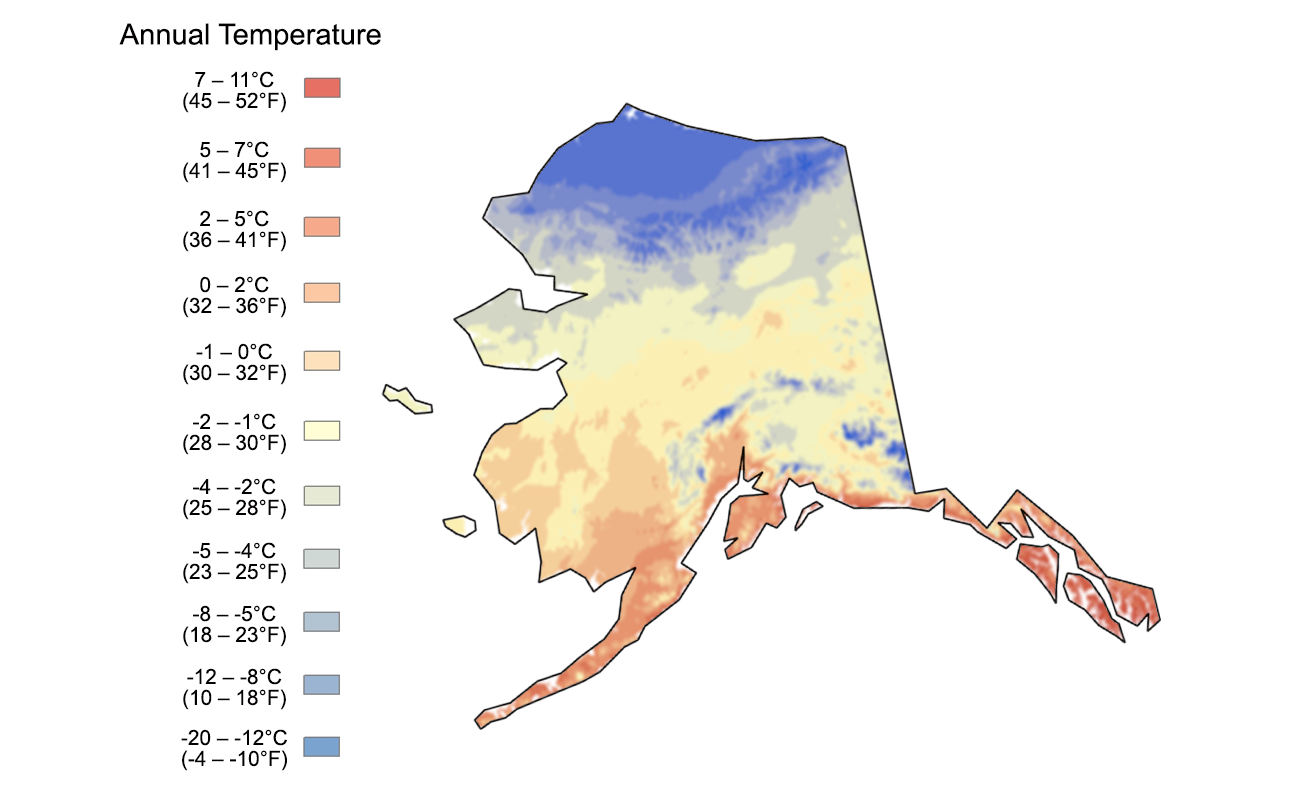
Alaska’s sheer size, spanning over 663,000 square miles, means its climate zones are as varied as its landscapes. Its proximity to the Arctic Ocean, the Bering Sea, the Gulf of Alaska, and the vast interior wilderness creates distinct microclimates. Understanding these regional differences is key to appreciating Alaska’s true thermal range.
The Southcentral Region: Anchorage and Beyond
The Southcentral region, home to Alaska’s largest city, Anchorage, experiences a relatively moderate climate influenced by the nearby Pacific Ocean and sheltered by the Chugach Mountains. Summers here are pleasantly mild, with average daytime temperatures ranging from 55°F to 78°F (13°C to 26°C). The long daylight hours, sometimes exceeding 19 hours around the summer solstice, make it an ideal time for exploring Anchorage’s urban attractions, hiking the nearby trails, or embarking on day trips to places like Seward or Talkeetna. Popular hotels and resorts in Anchorage often see peak booking during this period.
Winters in Southcentral Alaska are cold and snowy, with average temperatures falling between 5°F and 30°F (-15°C to -1°C). While cold, it’s generally not as extreme as the interior. This season transforms the region into a winter sports paradise, offering opportunities for skiing, snowboarding at places like Alyeska Resort in Girdwood, ice skating, and dog sledding. Accommodation options range from cozy lodges perfect for a winter escape to suites in downtown Anchorage offering easy access to local culture and dining.
The Interior: Extreme Seasons in Fairbanks
The Alaskan Interior, characterized by vast forests and rivers, experiences the most dramatic temperature swings. Cities like Fairbanks, located further north and away from oceanic influence, have continental climates with hot summers and intensely cold winters. Summer temperatures in Fairbanks can soar to 70°F to 90°F (21°C to 32°C), sometimes even higher, making it surprisingly warm for its latitude. These warm, long days are perfect for exploring Denali National Park, river cruises, and experiencing the midnight sun.
However, the interior is renowned for its harsh winters. Temperatures consistently drop to -20°F to -40°F (-29°C to -40°C), with extreme lows occasionally reaching -60°F (-51°C) or colder. Despite the formidable cold, winter in Fairbanks is magical, offering the best chance to witness the spectacular Northern Lights dancing across the night sky due to its prime location beneath the Auroral Oval. Tourism in winter revolves around Aurora viewing tours, ice sculpting, and hot springs. Specialized accommodation like lodges with Aurora viewing decks are popular choices, and booking in advance is highly recommended.
The Southeast Panhandle: Juneau’s Maritime Influence
The Southeast Panhandle, a narrow strip of coastline and islands bordering Canada, is part of a temperate rainforest ecosystem. Cities like Juneau, the state capital, experience a milder, wetter climate than other parts of Alaska. Summers are cool and damp, with temperatures typically ranging from 55°F to 65°F (13°C to 18°C). This is the peak season for Inside Passage cruises, glacier viewing in Glacier Bay National Park, and whale watching, making it a popular destination for those seeking wildlife and scenic beauty.
Winters are relatively mild but very wet, with average temperatures from 25°F to 40°F (-4°C to 4°C). Snowfall is common, but rain often follows, leading to slushy conditions. The humidity makes the cold feel more penetrating. Despite this, the lush evergreen forests and snow-capped peaks offer a unique charm. Hotels in Juneau remain open year-round, catering to government business stays and adventurous winter travelers.
The Arctic & Western Coasts: The Frozen Frontier
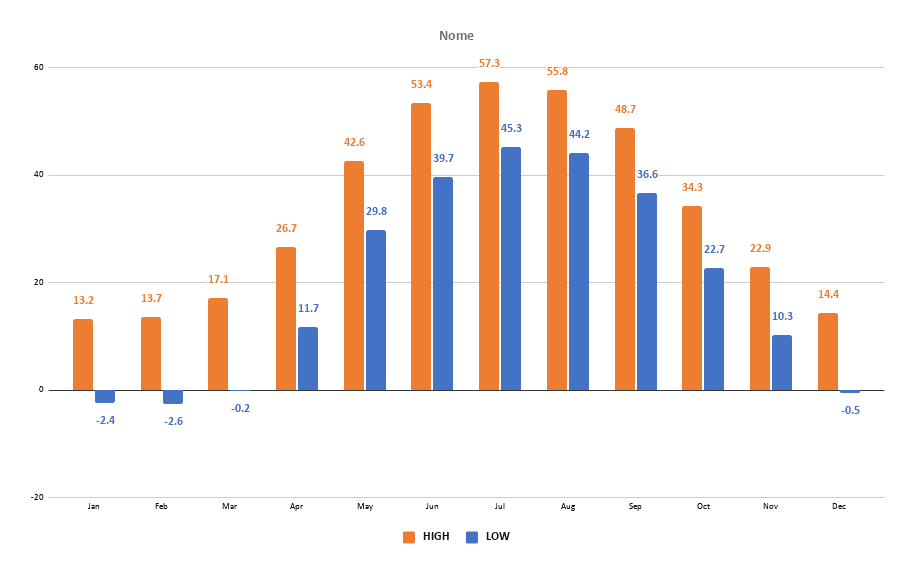
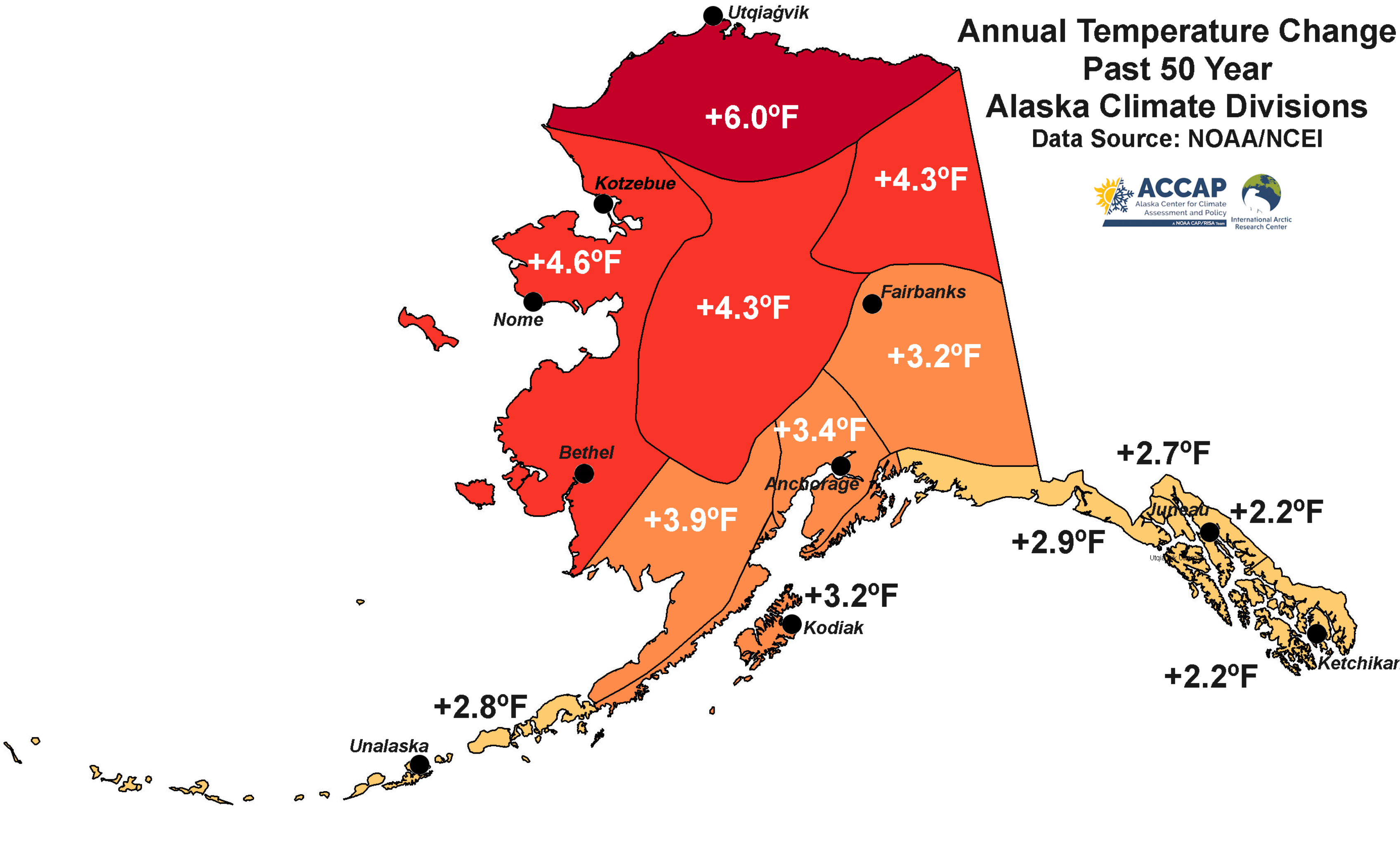
The northernmost parts of Alaska, including the Arctic Coast and communities like Utqiagvik (formerly Barrow), truly embody the image of a frozen frontier. Here, the climate is Arctic, characterized by extremely cold temperatures and long periods of darkness in winter. Summer temperatures are brief and cool, averaging around 35°F to 50°F (2°C to 10°C), with the ground remaining frozen just beneath the surface. The 24-hour daylight of summer allows for limited outdoor activities and wildlife viewing, especially for polar bears and migratory birds.
Winters are brutally cold, with average temperatures plummeting to -10°F to -30°F (-23°C to -34°C), and wind chills making it feel much colder. The sun may not rise for several weeks. Tourism here is highly specialized, catering to intrepid travelers seeking extreme experiences and a glimpse into Inupiat local culture. Accommodation options are typically simpler, focusing on functionality and warmth.
Navigating Alaska’s Seasons: What to Expect and When to Visit
The “best” time to visit Alaska is entirely dependent on what you hope to see and do. Each season offers a unique spectrum of temperatures, attractions, and experiences.
Summer (June-August): The Golden Season for Exploration
Temperatures: Generally mild, ranging from 50°F to 78°F (10°C to 26°C) across the state, with warmer pockets in the interior.
Why Visit: Summer is the peak tourist season, and for good reason. The long daylight hours (often 18-24 hours of light) maximize opportunities for sightseeing and activities. This is the ideal time for:
- Wildlife Viewing: Bears, moose, caribou, whales, and migratory birds are active and easily spotted. Popular destinations like Denali National Park and Kenai Fjords National Park are fully accessible.
- Cruises: Inside Passage and Gulf of Alaska cruises offer breathtaking glacier views and marine wildlife encounters.
- Hiking & Backpacking: Trails are clear of snow, providing access to stunning natural landscapes.
- Fishing: Salmon runs are in full swing, attracting anglers from around the world.
Travel Tips: Accommodation and tours book up months in advance, so early booking is crucial, especially for luxury travel or family trips. Prices for hotels, resorts, and flights are at their highest. Pack layers, including rain gear, as summer can still be unpredictable.
Fall (September-October): A Symphony of Colors and Cooler Air
Temperatures: Noticeably cooler, averaging 30°F to 50°F (-1°C to 10°C), with dipping temperatures and frost, especially in the interior.
Why Visit: Fall is a shoulder season offering unique advantages:
- Autumn Foliage: The tundra and birch forests ignite with vibrant reds, oranges, and golds, creating spectacular scenery, particularly along the Alaska Highway or the Seward Highway.
- Northern Lights: As nights grow longer and darker, the chances of seeing the Aurora Borealis increase dramatically, especially in Fairbanks and further north.
- Fewer Crowds & Lower Prices: Tourism begins to wane, leading to a more serene experience and potentially better deals on accommodation and tours. Many seasonal businesses start to close by mid-September.
Travel Tips: Layers are absolutely essential. Prepare for colder temperatures, especially at night, and potential early snowfall. Confirm operating hours for attractions and restaurants as some begin to close for the season.
Winter (November-March): A Wonderland of Snow and Northern Lights
Temperatures: Bitterly cold, often ranging from -30°F to 20°F (-34°C to -7°C), with extreme lows in the interior and Arctic.
Why Visit: For those who embrace the cold, Alaskan winter is a magical time:
- Aurora Borealis: This is the prime time for viewing the Northern Lights due to long, dark nights. Fairbanks is globally recognized as one of the best places.
- Winter Sports: Dog sledding, snowmobiling, cross-country skiing, ice fishing, and downhill skiing thrive.
- Unique Cultural Events: Experience events like the Iditarod Trail Sled Dog Race start in Anchorage or the World Ice Art Championships in Fairbanks.
Travel Tips: Extreme cold demands specialized gear: thermal layers, insulated jackets and pants, waterproof boots, hats, gloves, and scarfs. Many seasonal businesses are closed, but core services, hotels, and restaurants in major cities like Anchorage and Fairbanks cater to winter visitors. Booking Aurora tours in advance is advisable.
Spring (April-May): Thaw, Reawakening, and Shoulder Season Charms
Temperatures: A transition period, from 20°F to 50°F (-7°C to 10°C). Snow melts, rivers swell, and ice breaks up.
Why Visit: Spring is a time of renewal and another excellent shoulder season:
- Wildlife Emergence: Animals emerge from hibernation, and migratory birds return, offering great viewing opportunities.
- Spring Break-Up: Witness the dramatic thawing of rivers and ice, a powerful force of nature.
- Lower Prices: Similar to fall, spring offers more affordable travel and accommodation rates compared to summer.
- Still a Chance for Aurora: Early spring (April) still provides dark enough skies for Northern Lights viewing, especially in the first half of the month.
Travel Tips: Conditions can be muddy and wet due to melting snow. Waterproof footwear is crucial. Many summer attractions and businesses may not yet be open, so check schedules. This is a great time for budget travel and those seeking a quieter Alaskan experience.
Planning Your Alaskan Adventure: Temperature’s Impact on Travel & Lifestyle
Regardless of when you visit, Alaska’s temperatures will profoundly shape your trip. From what you pack to where you stay and what you do, careful consideration of the climate will enhance your Alaskan experience.
Essential Packing for Alaska’s Temperatures
The golden rule for packing for Alaska is layering. Due to rapid temperature changes, even within a single day, adaptable clothing is vital.
- Base Layers: Moisture-wicking thermal underwear (wool or synthetic) to keep you dry.
- Mid-Layers: Fleece jackets, down vests, or wool sweaters for insulation.
- Outer Layers: Waterproof and windproof jacket and pants are non-negotiable, even in summer. In winter, an expedition-grade parka is essential.
- Footwear: Waterproof hiking boots in summer/fall; insulated, waterproof winter boots with good traction for winter.
- Accessories: Hats, gloves/mittens, and scarves are crucial, especially in colder months. Sunscreen and sunglasses are also important due to UV reflection off snow and long daylight hours.
- Insect Repellent: Particularly during warmer months in specific regions, the mosquitos can be quite formidable.
Activities and Experiences Across the Thermometer
Alaska’s diverse temperatures enable a staggering array of activities and experiences:
- Warm Weather (Summer): This is prime time for hiking, backpacking, fishing, kayaking, rafting, bear viewing tours, glacier viewing, flightseeing over Mount Denali, and exploring coastal towns. Cruises dominate the southeast.
- Cool Weather (Fall/Spring): Excellent for Aurora Borealis viewing, scenic drives to witness fall foliage, photography, and late-season fishing. Wildlife viewing can still be rewarding as animals prepare for winter or emerge from it.
- Cold Weather (Winter): The domain of dog sledding, snowmobiling, cross-country skiing, downhill skiing and snowboarding, ice fishing, ice sculpting festivals, and serious Northern Lights hunting. Many lodges offer specialized winter packages, including warm accommodation and guided tours.
Accommodation Choices: From Cozy Lodges to Luxury Resorts
The type of accommodation you choose can also be influenced by the temperature and season.
- Summer: Hotels and resorts in major cities like Anchorage and Fairbanks are bustling. Remote wilderness lodges and cabins near national parks or fishing spots are popular. RV parks and campgrounds also fill up quickly. For luxury travel, unique boutique hotels or high-end resorts offering tailored experiences are available.
- Winter: Many seasonal lodges close, but year-round hotels in cities offer warm, comfortable bases for winter adventures. Hotels catering to Aurora viewing often provide wake-up calls and heated viewing areas. Cozy cabins with fireplaces become appealing. Always check reviews and amenities to ensure adequate heating and comfort during the cold season. Booking in winter might also present more budget travel options in some areas.
In conclusion, asking “What is the temperature for Alaska?” opens the door to a fascinating exploration of a truly wild and varied land. There is no single answer, but rather a rich tapestry of climates that define the Alaskan experience. By understanding these thermal dynamics and planning accordingly, you can unlock the full potential of this incredible destination and create memories that will last a lifetime, whether under the midnight sun or beneath the shimmering glow of the Northern Lights. Safe travels!
LifeOutOfTheBox is a participant in the Amazon Services LLC Associates Program, an affiliate advertising program designed to provide a means for sites to earn advertising fees by advertising and linking to Amazon.com. Amazon, the Amazon logo, AmazonSupply, and the AmazonSupply logo are trademarks of Amazon.com, Inc. or its affiliates. As an Amazon Associate we earn affiliate commissions from qualifying purchases.