
California, a state synonymous with sunshine, innovation, and diverse landscapes, often conjures images of iconic metropolises like Los Angeles or the tech hubs of San Francisco. However, beyond these well-trodden paths lies a fascinating, albeit less famous, namesake: California City. This planned community, nestled in the high desert of Kern County, presents a unique case study in urban development and a destination that offers a distinct perspective on the Golden State. Understanding where California City is situated, its ambitious origins, and its current reality is key to appreciating its place within the broader tapestry of California’s geography and human endeavor.
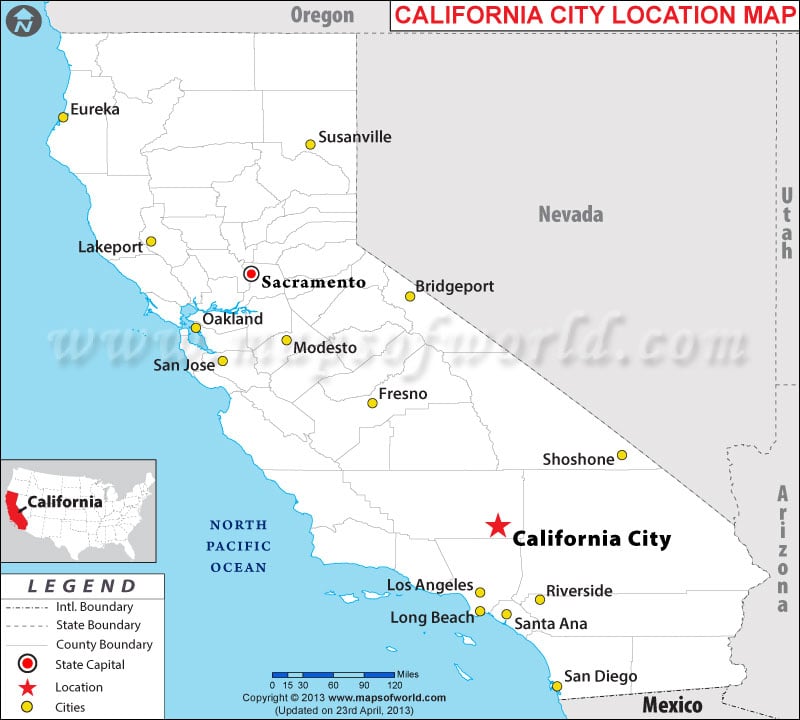
The question of “Where Is California City?” is not merely a geographical one; it also delves into the aspiration and planning that sought to create a major urban center from the desert floor. Its location is pivotal to its story, influencing its climate, its accessibility, and the challenges and opportunities it has faced.
The Geographic Heart of California City
California City’s location is its defining characteristic, placing it in a region of California often overlooked by mainstream tourism. Its placement in the high desert offers a starkly different experience from the coastal cities or the more temperate inland valleys.
High Desert Setting and Climate
Situated approximately 100 miles north of Los Angeles, California City lies within the Mojave Desert, specifically in the Antelope Valley region. This elevated desert terrain means a more arid climate with distinct temperature fluctuations. Summers are hot and dry, with temperatures frequently exceeding 100 degrees Fahrenheit, while winters are milder but can bring frost. The stark beauty of the desert landscape, characterized by Joshua trees, rugged mountains in the distance, and vast open skies, is a significant aspect of the environment. This arid environment dictates the pace of life and the types of activities that are best suited for visitors. The clear desert air also offers incredible stargazing opportunities, far from the light pollution of major urban centers.
Proximity to Other Regions and Infrastructure
Despite its remote setting, California City is strategically located relative to several key areas. Its proximity to Edwards Air Force Base, a crucial site for aerospace research and development, has historically influenced its growth. It is also within a few hours’ drive of major recreational areas like Mojave National Preserve and the bustling entertainment and cultural offerings of Southern California. Access to California City is primarily via State Route 14 and the US Route 395, major arteries that connect the region to the rest of the state. While not serviced by a major commercial airport directly within the city, it is within reasonable driving distance of airports in the Los Angeles metropolitan area and smaller regional airports.
The Ambitious Vision: A Planned City’s Genesis
California City was not an organic growth of a settlement; it was conceived as a grand vision for a future metropolis. Its story is one of bold planning, economic speculation, and the enduring human desire to build anew.
The Master Plan and Its Origins
The origins of California City can be traced back to the late 1950s and early 1960s. Developer Nat Mendelsohn envisioned a city that would rival Los Angeles in size and importance. His plan was to create a sprawling urban center with wide avenues, residential areas, commercial districts, and industrial zones. The sheer scale of the proposed city was immense, with thousands of acres meticulously laid out. The initial sales of land parcels were highly speculative, targeting individuals and businesses with the promise of future growth and value appreciation. This master-planned approach, while forward-thinking, also set the stage for the city’s unique developmental trajectory. The vision was to create a self-sufficient city, a hub of commerce and residence in the heart of the desert.
Land Sales and Early Development
The early years of California City were marked by aggressive land sales campaigns. Many parcels were sold to individuals who never intended to build, but rather as investments. The city’s infrastructure development, including roads and utilities, was implemented in stages, often in anticipation of population growth that has yet to fully materialize. The wide, empty streets and the extensive grid system are tangible remnants of this ambitious planning. While some residential communities and commercial areas did take root, the intended population density and economic activity of the original master plan have not been fully achieved. The concept of California City as an “instant city” was a powerful marketing tool, but the realities of economic cycles and urban development proved more complex.
California City Today: Reality and Potential
Decades after its ambitious inception, California City presents a picture of a community that has found its own rhythm, distinct from the original grand pronouncements, yet still holding potential. It offers a glimpse into a different facet of California living.
Residential Life and Community
Today, California City is home to a growing number of residents who appreciate the unique lifestyle it offers. It provides more affordable housing options compared to the coastal regions of California, attracting families and individuals seeking a quieter pace of life. The community is characterized by its open spaces, the friendly atmosphere, and a strong sense of local identity. While the grand avenues remain, much of the residential development has focused on creating accessible neighborhoods. Parks, local schools, and community centers form the backbone of daily life, fostering a sense of belonging. The desert environment, with its clean air and expansive vistas, is a significant draw for those who enjoy outdoor activities and a connection to nature.

Economic Landscape and Future Prospects
The economic landscape of California City is shaped by its location and the presence of entities like Edwards Air Force Base, which provides a steady source of employment. The city also serves as a logistical hub for surrounding areas and has attracted some industrial and commercial enterprises. In recent years, there has been renewed interest in California City’s potential, driven by factors such as its relatively lower cost of living, its strategic location within Southern California, and the possibility of future growth in the tech and logistics sectors. The city government has been actively working to attract new businesses and residents, leveraging its existing infrastructure and the potential for further development. The dream of a large metropolis may have been tempered by reality, but the vision of a thriving community in the desert continues to evolve.
California City, therefore, is not a mythical destination but a real place with a compelling history and a unique present. Understanding its location, its ambitious past, and its evolving reality offers a valuable insight into the diverse and often surprising landscapes of California. It stands as a testament to the enduring spirit of planning and development, a city carved out of the desert, seeking its own destiny.
LifeOutOfTheBox is a participant in the Amazon Services LLC Associates Program, an affiliate advertising program designed to provide a means for sites to earn advertising fees by advertising and linking to Amazon.com. Amazon, the Amazon logo, AmazonSupply, and the AmazonSupply logo are trademarks of Amazon.com, Inc. or its affiliates. As an Amazon Associate we earn affiliate commissions from qualifying purchases.