
California, a land of unparalleled natural beauty, diverse landscapes, and vibrant cultures, consistently ranks as a top travel destination. From the sun-kissed beaches of San Diego to the majestic redwoods of the north, and the bustling urban centers of Los Angeles and San Francisco, the Golden State offers an endless array of experiences for every type of traveler. However, like any region with expansive wildlands and a Mediterranean climate, California periodically faces the challenge of wildfires. For those planning a trip, understanding the context of these natural events is crucial, not just for safety, but for informed decision-making that allows for a smooth and enjoyable visit.
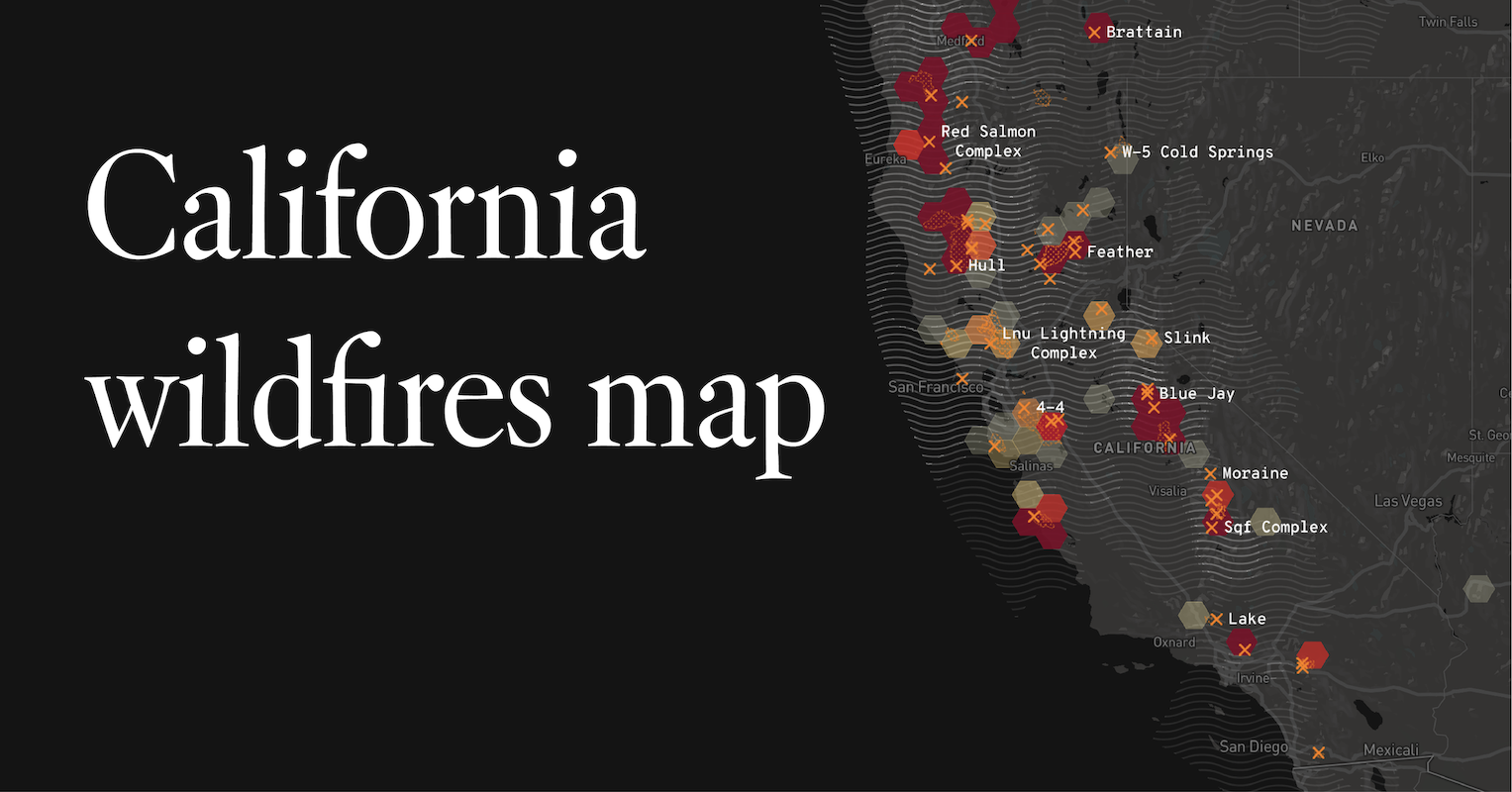
This article aims to provide a comprehensive guide for travelers concerned about wildfires in California. Rather than focusing on a real-time report of specific fire locations (which are constantly changing and best sourced from official emergency channels), we’ll explore how wildfires impact tourism, how to plan responsibly, and highlight the many resilient areas of the state that continue to welcome visitors, often untouched by fire activity. Our goal is to empower you with the knowledge to navigate your California adventure safely and confidently, ensuring your focus remains on creating unforgettable memories amidst its stunning landmarks and vibrant lifestyle.
Understanding California’s Wildfire Landscape and Its Traveler Implications
Wildfires are a natural, albeit often devastating, part of California’s ecosystem. Decades of fire suppression, coupled with climate change-induced droughts and an increase in high-density wildland-urban interface, have intensified their impact. For travelers, this means being aware, not alarmed, and understanding how these events might factor into their plans.
The Seasonal Nature of Wildfires
California’s wildfire season typically runs from late spring through late fall, peaking in the hottest and driest months, often between July and November. Factors such as prolonged drought, low humidity, high temperatures, and strong winds – like the infamous Santa Ana winds in Southern California – create conditions conducive to rapid fire spread. The state’s diverse vegetation, from chaparral and brush to dense forests, can become highly flammable. While some years are worse than others, being prepared for the possibility of fire activity during these months is a sensible approach for any visitor.
Impact on Travel and Tourism
When wildfires do occur, their effects on travel can range from minor inconveniences to significant disruptions. The most direct impacts include:
- Road Closures: Major highways and local roads may be closed for safety or to facilitate emergency services, potentially affecting access to certain destinations or creating detours.
- Air Quality: Smoke from distant fires can travel hundreds of miles, leading to poor air quality even in areas far from the active burn zones. This can affect outdoor activities and may be a concern for individuals with respiratory conditions.
- National and State Park Closures: Iconic natural attractions like Yosemite National Park, Sequoia National Park, or Big Sur can experience temporary closures to ensure visitor safety and allow fire crews to operate.
- Evacuations: In severe cases, residents and visitors in threatened areas may be subject to mandatory evacuation orders. Accommodation providers, including hotels, resorts, and villas, might need to cancel bookings or provide alternative arrangements.
- Psychological Impact: Even without direct threat, the pervasive news of wildfires can understandably cause anxiety and diminish the enjoyment of a trip.
It’s crucial to remember that California is a vast state. While a fire might be burning in one region, the majority of its expansive territory, including many popular tourist destinations, remains unaffected. The challenge is often discerning which areas are safe and open.
Resources for Real-Time Information
Staying informed is the best defense against unexpected disruptions. Before and during your trip, leverage official and reliable sources:
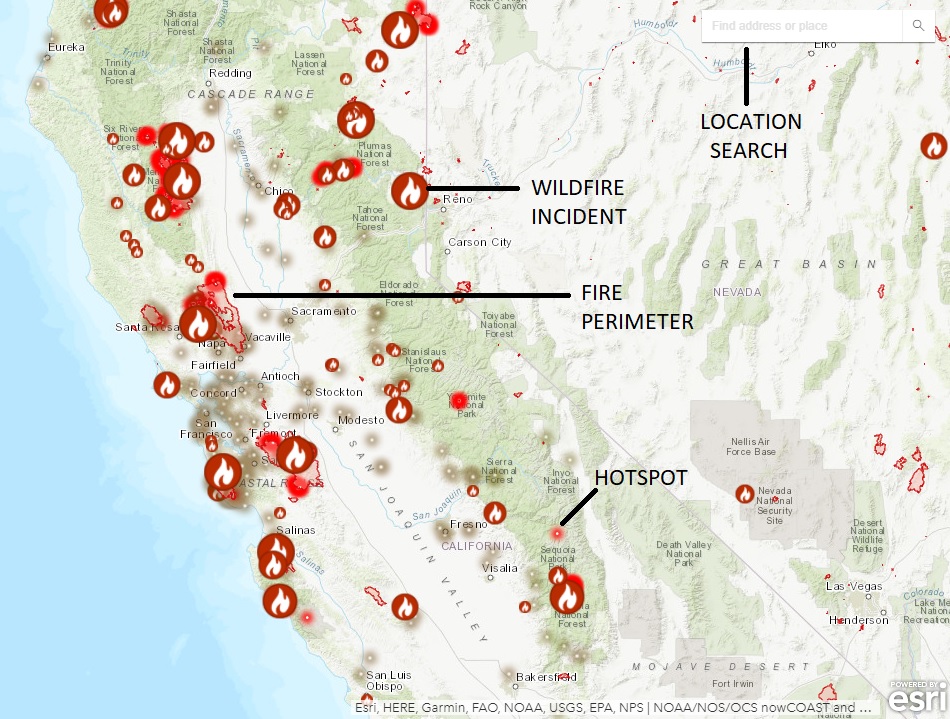
- CalFire: The California Department of Forestry and Fire Protection is the primary agency for wildfire response and information. Their website provides maps of current incidents and comprehensive updates. While not a direct travel link, it’s essential for traveler awareness.
- Air Quality Monitoring: Websites like AirNow.gov provide real-time air quality index (AQI) data, allowing you to check conditions in your planned destination.
- Local Emergency Services: City and county emergency management websites, as well as local news outlets, offer specific information about localized threats, road closures, and evacuation orders.
- National Park Service & California State Parks: Check their official websites for status updates on closures or restrictions in specific parks.
- Hotel and Accommodation Providers: Contact your hotel, resort, or apartment directly for localized conditions and any potential impacts on your stay. Many hotels will have information readily available for guests.
Navigating Travel Safety and Planning in Fire Season
Planning a trip to California during wildfire season doesn’t mean canceling your adventure; it means planning smarter and with greater flexibility. A proactive approach ensures your safety and maximizes your enjoyment.

Prioritizing Personal Safety
Your safety is paramount. Always heed official warnings, evacuation orders, and guidance from local authorities.
- Stay Informed: Regularly check the resources mentioned above. Consider signing up for local emergency alerts in the areas you plan to visit.
- Emergency Kit: If undertaking remote travel or road trips, having a basic emergency kit in your vehicle can be beneficial. This includes water, non-perishable food, a first-aid kit, and a flashlight.
- Know Your Routes: Be aware of multiple routes to and from your destination and keep an eye on road conditions. Mapping apps can provide real-time traffic and closure information.
- Firewise Practices: When in natural areas, follow all fire safety regulations. This includes proper disposal of cigarettes, never leaving campfires unattended, and being mindful of sparks from vehicles or equipment. These small tips contribute to the safety of everyone.
Flexible Booking and Travel Insurance
Flexibility is your best friend when planning travel to areas prone to natural events.
- Understand Cancellation Policies: Before booking hotels, flights, or tours, carefully review their cancellation and change policies. Look for options with generous flexibility, especially if you’re comparing different providers.
- Consider Travel Insurance: Comprehensive travel insurance can be a wise investment. Policies vary, so read the fine print to understand what is covered in case of wildfire-related disruptions, such as mandatory evacuations, flight cancellations, or accommodation changes. Some policies require purchase before a named event.
- Alternative Plans: Have backup destinations or activities in mind. If your planned hike in a national park is curtailed by smoke, could you pivot to an urban museum experience or a coastal drive instead?
Supporting Affected Communities (and Finding Alternatives)
If a community has been directly impacted by wildfires, tourism can play a vital role in its recovery once it’s safe to visit. However, during an active event, it’s best to avoid areas under threat to allow emergency services to operate unimpeded.
- Research Post-Fire Travel: After a fire is contained and safe, research how you can contribute to local recovery efforts by visiting and supporting businesses in those areas. This could be months or even years later, as recovery is a long process.
- Explore Unaffected Regions: California is vast. If one area is affected, countless others remain open and vibrant. Consider shifting your plans to a different part of the state, perhaps focusing on coastal cities or desert landscapes that may be less susceptible to the same types of fires. For example, if forest regions are impacted, a shift to the beaches of Orange County or the deserts near Palm Springs might offer a completely different, yet equally rewarding, experience.
Exploring California Beyond the Smoke: Resilient Destinations and Experiences
Despite the occasional challenges, the overwhelming majority of California remains pristine and accessible, offering an incredible range of attractions and experiences. For travelers, the key is knowing where to look and what to expect.
Coastal Escapes and Urban Adventures
California’s extensive coastline and vibrant cities are often less directly impacted by major wildfires compared to its forested inland areas.
- San Francisco: Famous for the Golden Gate Bridge, Alcatraz Island, Fisherman’s Wharf, and its iconic cable cars, San Francisco is a world-class urban destination. Its often foggy, cool climate typically keeps it distinct from wildfire zones. Enjoy diverse cuisine, explore Golden Gate Park, or delve into the city’s rich history. Numerous hotels, from luxury suites to budget-friendly accommodations, cater to every preference.
- Los Angeles: The sprawling metropolis of Los Angeles offers a universe of attractions. From the glamour of Hollywood and Beverly Hills to the beaches of Santa Monica and Malibu, visitors can enjoy Universal Studios Hollywood, the Griffith Observatory, and an unparalleled culinary scene. While some surrounding hills can be prone to fires, the vast urban core and coastal areas often remain clear.
- San Diego: Known for its year-round pleasant weather, pristine beaches, and vibrant culture, San Diego is a fantastic choice. Explore Balboa Park, home to the famous San Diego Zoo, stroll through the historic Gaslamp Quarter, or relax in La Jolla. The city’s geography typically offers a buffer from major inland wildfires.
- Central Coast Gems: Destinations like Santa Barbara, Monterey, and Carmel-by-the-Sea provide breathtaking coastal beauty, world-class wineries (e.g., in Paso Robles), and charming towns. These areas offer stunning drives, marine wildlife experiences, and unique accommodation options, including boutique hotels and oceanfront resorts.
Northern California’s Charms (Beyond the Wildfire Zones)
While parts of Northern California’s forests can be susceptible, many areas offer incredible experiences with mindful planning.
- Napa Valley & Sonoma Valley: These world-renowned wine regions, while having experienced fires in the past, have shown remarkable resilience and continue to be premier destinations. Many wineries have robust recovery plans, and the region’s culinary and hotel scenes thrive. Visitors are encouraged to check local conditions, but these areas typically rebound quickly and welcome visitors. Luxury travel experiences here are abundant.
- Lake Tahoe: A jewel of the Sierra Nevada mountains, Lake Tahoe offers stunning alpine scenery and year-round activities, from hiking and water sports in summer to skiing in winter. While surrounding forest fires can occasionally impact the area, the lake itself and its vibrant communities like South Lake Tahoe and Tahoe City remain popular. Always check local fire conditions before visiting, but Lake Tahoe is a resilient destination.
- Redwood National Park and the Mendocino Coast: The cool, moist climate of the far northern coast and its ancient redwood forests can sometimes provide a buffer. These areas offer awe-inspiring nature experiences with towering trees and rugged coastline.
Southern California’s Diverse Offerings
Beyond its major cities, Southern California boasts unique destinations that often present different wildfire profiles.
- Palm Springs and the Desert Cities: This desert oasis, known for its mid-century modern architecture, vibrant arts scene, and golf courses, is generally less prone to the types of large forest fires seen elsewhere. Visitors can explore Joshua Tree National Park (checking for local conditions), enjoy stylish resorts with excellent amenities, and experience a distinctive desert lifestyle.
- Orange County Beaches and Disneyland: The coastal cities of Orange County like Laguna Beach, Newport Beach, and Huntington Beach offer beautiful sandy shores and a relaxed Southern California vibe. Inland, Anaheim is home to Disneyland Resort, a world-famous theme park attraction that operates independently of surrounding wilderness concerns. These areas typically remain unaffected by distant wildfires, making them reliable choices for family trips.
- Catalina Island: A short ferry ride from the Southern California coast, Catalina Island offers a unique island escape with outdoor activities, charming towns, and beautiful coves. Its island nature means it is largely isolated from mainland fire concerns.
Responsible Tourism and Supporting California’s Recovery
Traveling responsibly in California means more than just staying safe; it means being a mindful visitor who contributes positively to the state and its communities, particularly during challenging times.
Eco-Conscious Travel Practices
Every traveler has a role to play in protecting California’s natural beauty:
- Leave No Trace: Follow “Leave No Trace” principles, especially when visiting natural landmarks or parks. Pack out everything you pack in, stay on marked trails, and minimize your environmental impact.
- Respect Fire Bans and Regulations: Always adhere to any local fire restrictions, such as campfire bans or restrictions on certain equipment that can spark fires.
- Support Sustainable Businesses: Choose hotels, tour operators, and restaurants that prioritize sustainability and local sourcing. Many accommodations are actively working towards eco-friendly practices.
The Role of Local Businesses and Community Spirit
Tourism is a vital economic engine for many California communities. When you visit, your choices directly support local economies.
- Shop Local, Eat Local: By frequenting local restaurants, shops, and attractions, you help sustain jobs and inject much-needed revenue into communities, especially those recovering from disruptions. This applies to your choice of hotels or boutique apartments over larger, less local chains.
- Volunteer or Donate (When Appropriate): If you feel compelled to help communities impacted by fires, consider donating to reputable local charities or volunteer organizations involved in recovery efforts, rather than attempting to self-deploy to affected areas.
Planning Future Visits
Even if you encounter disruptions or choose to postpone a trip due to wildfire concerns, remember California’s enduring appeal.
- Long-Term Stays and return visits are encouraged once an area has recovered. The resilience of California’s communities and natural areas is remarkable, and many regions bounce back stronger than ever.
- Explore Different Seasons: Consider visiting during the spring or early summer when wildfire risk is typically lower, and the state is vibrant with wildflowers and lush landscapes. This might offer a different perspective and reduce concerns about air quality.
California’s allure is undeniable, and its spirit is one of resilience and beauty. While wildfires are a serious concern, they represent a localized and often seasonal challenge within a vast and diverse state. By approaching your travel plans with awareness, flexibility, and a commitment to responsible tourism, you can confidently explore the Golden State’s countless attractions, enjoy its luxurious resorts or quaint villas, and contribute positively to its vibrant lifestyle. Stay informed, plan wisely, and prepare to discover why California remains an extraordinary destination year after year.
LifeOutOfTheBox is a participant in the Amazon Services LLC Associates Program, an affiliate advertising program designed to provide a means for sites to earn advertising fees by advertising and linking to Amazon.com. Amazon, the Amazon logo, AmazonSupply, and the AmazonSupply logo are trademarks of Amazon.com, Inc. or its affiliates. As an Amazon Associate we earn affiliate commissions from qualifying purchases.