
The question of whether depression can be considered a danger to oneself within the context of California is complex, delving into legal, psychological, and societal considerations. While California, like other states, has specific laws and protocols regarding mental health crises, understanding depression as a potential danger requires a nuanced perspective that goes beyond a simple yes or no. It necessitates exploring the multifaceted ways in which depression can manifest, its potential for escalating into self-harm, and the frameworks in place to mitigate these risks. This exploration will focus on the intersection of mental well-being and personal safety, emphasizing the importance of recognizing depression as a serious condition that warrants attention and care.
Understanding Depression as a Risk Factor
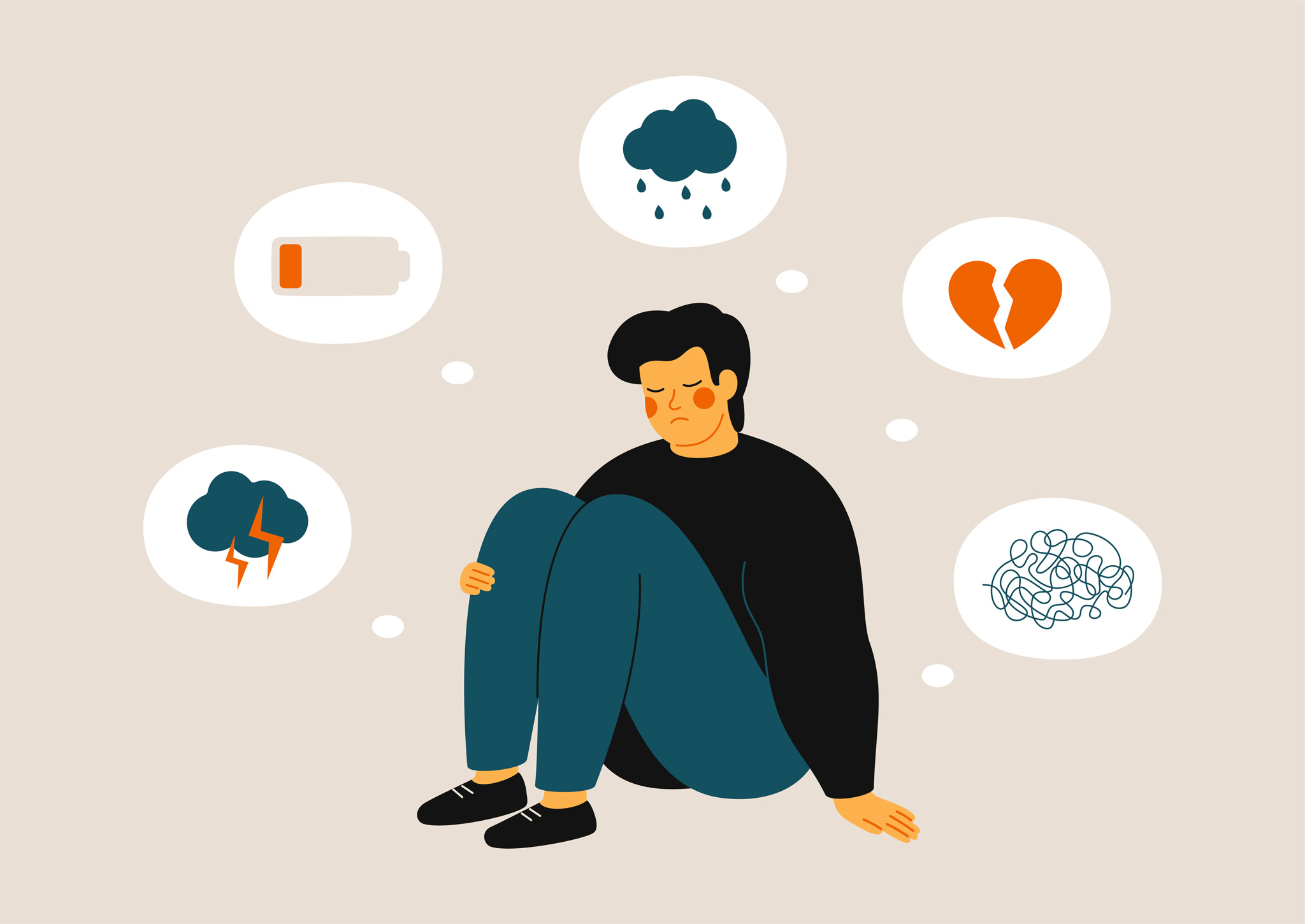
Depression, a mood disorder characterized by persistent sadness, loss of interest, and a range of emotional and physical problems, can significantly impact an individual’s ability to function and perceive their own safety. It’s crucial to differentiate between the general experience of sadness and clinical depression, which is a diagnosable condition with potentially severe consequences. The danger arises not from the emotion itself, but from the profound disruption it can cause to a person’s thoughts, motivations, and capacity for self-preservation.
The Spectrum of Depression and its Impact
Depression exists on a spectrum, ranging from mild, situational sadness to severe, incapacitating forms that can lead to suicidal ideation. In its milder forms, depression might manifest as a prolonged period of low mood, fatigue, and difficulty concentrating. While these symptoms can certainly diminish quality of life and impact daily responsibilities, they may not immediately present as a direct danger to oneself. However, even in these instances, the individual’s resilience and coping mechanisms are often compromised, making them more vulnerable to external stressors.
As depression deepens, its effects become more pronounced and potentially perilous. Feelings of hopelessness, worthlessness, and emptiness can become overwhelming. Individuals may lose all motivation, neglect basic self-care, and withdraw from social interactions. This isolation, coupled with a distorted perception of reality, can create an environment where thoughts of ending one’s life may begin to surface. It’s during these more severe stages that depression undeniably becomes a danger to oneself, as the internal struggle can lead to impulsive or planned acts of self-harm.
Recognizing Warning Signs and Risk Escalation
Identifying the warning signs of escalating depressive symptoms is paramount in preventing harm. These signs can vary greatly from person to person, but common indicators include:
- Increased talk of death or suicide: This can range from direct statements like “I want to die” to more indirect expressions such as “I wish I wasn’t here” or “I’m a burden to everyone.”
- Increased substance use: Some individuals may turn to alcohol or drugs to cope with their emotional pain, which can further impair judgment and increase impulsivity.
- Engaging in reckless behavior: This can include impulsive spending, unsafe sexual practices, or driving under the influence, indicating a disregard for personal safety.
- Giving away prized possessions: A sign that someone is preparing for their absence or feels they will no longer need their belongings.
- Sudden mood swings: While depression is often associated with persistent sadness, individuals can also experience periods of intense agitation, anger, or anxiety.
- Withdrawal from friends and family: Social isolation can exacerbate feelings of loneliness and despair.
- Changes in sleep or appetite: Significant increases or decreases in sleep or eating patterns can be indicators of worsening depression.
It is crucial to understand that these signs are not exhaustive, and their presence does not automatically mean an individual is in immediate danger. However, their cumulative effect, especially when accompanied by suicidal thoughts, indicates a significant risk that requires professional intervention. The California legal and mental health systems are designed to address such situations, recognizing the critical need for timely support and intervention.
Legal and Societal Frameworks in California
California, like other jurisdictions, has established legal frameworks and societal support systems to address individuals experiencing mental health crises, including those where depression poses a danger to oneself. These frameworks are built upon the principle of protecting individuals while respecting their rights and autonomy as much as possible.
Involuntary Commitment and Mental Health Holds

In situations where an individual is deemed an imminent danger to themselves due to their depression, California law allows for intervention through mechanisms such as an involuntary psychiatric hold, often referred to as a 5150. A 5150 is a section of the California Welfare and Institutions Code that permits a qualified peace officer or clinician to involuntarily confine a person suspected of having a mental disorder that makes them a danger to themselves, or others, or gravely disabled. This hold typically lasts for up to 72 hours and is intended to allow for assessment, stabilization, and development of a treatment plan.
The criteria for initiating a 5150 are specific: the individual must be suffering from a mental disorder and, as a result, be a danger to themselves or others, or be gravely disabled. “Danger to themselves” is a critical component here, encompassing suicidal intent or behavior. During the 72-hour hold, the individual is evaluated by mental health professionals. If the need for further treatment is identified, additional steps can be taken, such as a certification for intensive treatment (CIT) for a longer period. It is important to note that these interventions are meant to be temporary and are coupled with efforts to connect individuals with ongoing mental health services.
Role of Mental Health Professionals and Support Systems
Beyond emergency interventions, California has a robust network of mental health professionals and organizations dedicated to providing support for individuals struggling with depression. These include therapists, psychiatrists, counselors, and various non-profit organizations that offer a range of services, from crisis counseling to long-term therapy and support groups. Access to these resources can significantly mitigate the risk associated with depression.
When depression is recognized as a danger to oneself, mental health professionals play a crucial role in assessment, diagnosis, and treatment planning. They are trained to identify the severity of the condition, assess suicidal risk, and implement evidence-based therapeutic interventions such as cognitive behavioral therapy (CBT) or dialectical behavior therapy (DBT). Medication management by psychiatrists can also be a vital component of treatment, helping to alleviate the biochemical imbalances associated with depression.
Furthermore, community-based support systems, such as local mental health clinics and crisis hotlines, provide accessible avenues for individuals to seek help. The National Suicide Prevention Lifeline, now accessible by dialing 988, is a critical resource that connects individuals in distress with trained counselors. In California, numerous local crisis lines and mental health services are available, ensuring that support is within reach for those in need. These systems are designed not only to intervene during acute crises but also to provide ongoing support for recovery and relapse prevention, thereby addressing the long-term danger that untreated depression can pose.
Navigating Depression: A Path Towards Safety and Well-being
Recognizing depression as a potential danger to oneself in California is not about stigmatizing mental illness but about understanding its serious implications and mobilizing appropriate resources. The state’s legal and mental health infrastructures are in place to offer a safety net for those at risk, but individual awareness and proactive help-seeking are equally vital.
The Importance of Early Intervention and Destigmatization
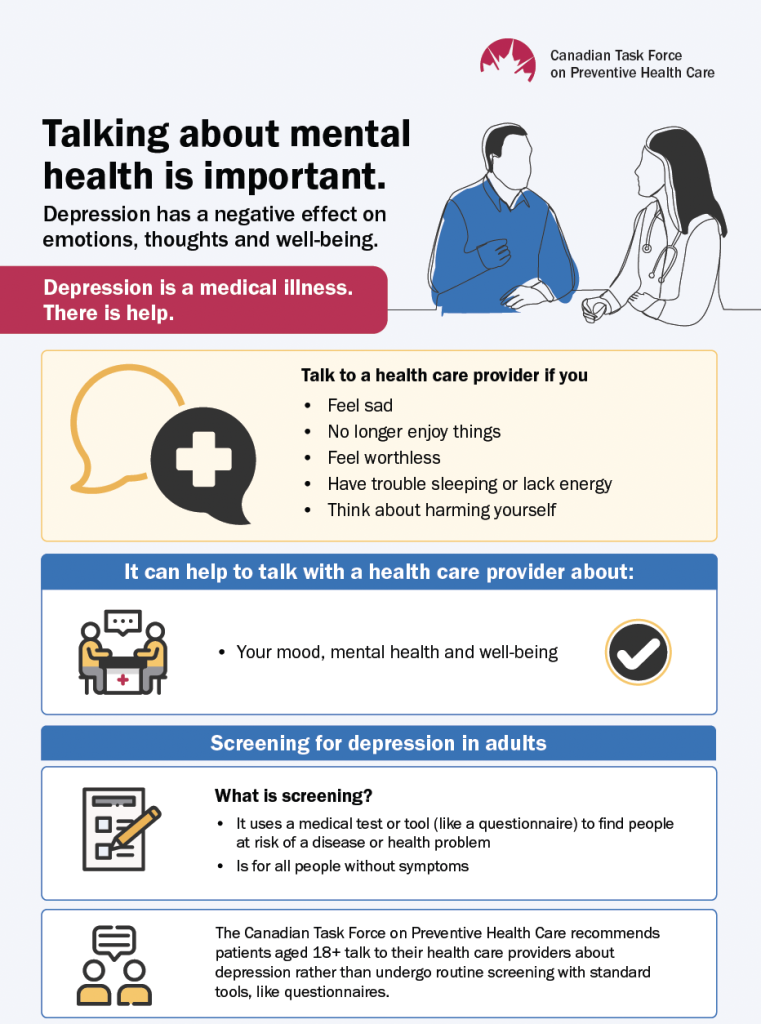
Early intervention is key in managing depression and preventing it from escalating into a dangerous situation. When individuals are encouraged to seek help at the first signs of persistent sadness, loss of interest, or changes in behavior, the chances of successful treatment and recovery are significantly higher. Destigmatizing mental health issues plays a crucial role in fostering an environment where people feel comfortable discussing their struggles and seeking professional assistance without fear of judgment.
Open conversations about mental health, from personal relationships to public discourse, help to normalize the experience of seeking help. Educational initiatives that explain the nature of depression and its treatability are essential. When individuals understand that depression is a medical condition, much like diabetes or heart disease, and not a personal failing, they are more likely to engage in treatment. This shift in perception is vital for both individuals experiencing depression and for those around them, enabling them to offer support and encourage help-seeking behavior.
Resources for Support and Recovery
California offers a wide array of resources for individuals grappling with depression and suicidal thoughts. These resources are designed to provide immediate crisis support, ongoing therapeutic care, and long-term recovery strategies.
- Crisis Hotlines: As mentioned, dialing 988 connects individuals to the Suicide & Crisis Lifeline, offering immediate confidential support. Local crisis intervention teams are also available throughout California.
- Mental Health Services: County mental health departments provide a range of services, often on a sliding scale based on income. These can include therapy, psychiatric evaluations, and case management.
- Therapists and Counselors: A vast network of licensed mental health professionals can be found through online directories, insurance provider lists, and referrals from primary care physicians.
- Support Groups: Peer support groups offer a valuable space for individuals to share experiences, learn coping strategies, and find solidarity with others who understand their struggles. Organizations like Depression and Bipolar Support Alliance (DBSA) often have local chapters.
- Online Resources: Reputable websites offer information, self-assessment tools, and directories of mental health providers.
Ultimately, the question of whether depression can be considered a danger to oneself in California is answered with a resounding yes, underscoring the critical need for awareness, early intervention, and accessible support systems. By understanding the multifaceted nature of depression, recognizing its warning signs, and leveraging the available resources, individuals can navigate these challenges and find a path towards safety and lasting well-being. The commitment to mental health in California, both legally and societally, aims to ensure that no one has to face the profound dangers of depression alone.
LifeOutOfTheBox is a participant in the Amazon Services LLC Associates Program, an affiliate advertising program designed to provide a means for sites to earn advertising fees by advertising and linking to Amazon.com. Amazon, the Amazon logo, AmazonSupply, and the AmazonSupply logo are trademarks of Amazon.com, Inc. or its affiliates. As an Amazon Associate we earn affiliate commissions from qualifying purchases.