
For travelers, tourism professionals, and lifestyle enthusiasts looking to explore the dynamic landscape of the United States, understanding the leadership of its most populous state, California, offers unique insights. While the question “Who is the California Governor?” might seem like a simple query for a political science class, on a platform dedicated to travel, hotels, tourism, accommodation, landmarks, and lifestyle, it takes on a far greater significance. The policies and vision of the state’s chief executive profoundly influence everything from the preservation of iconic landmarks and the development of sustainable tourism initiatives to the economic vitality that underpins the state’s vast hospitality sector.
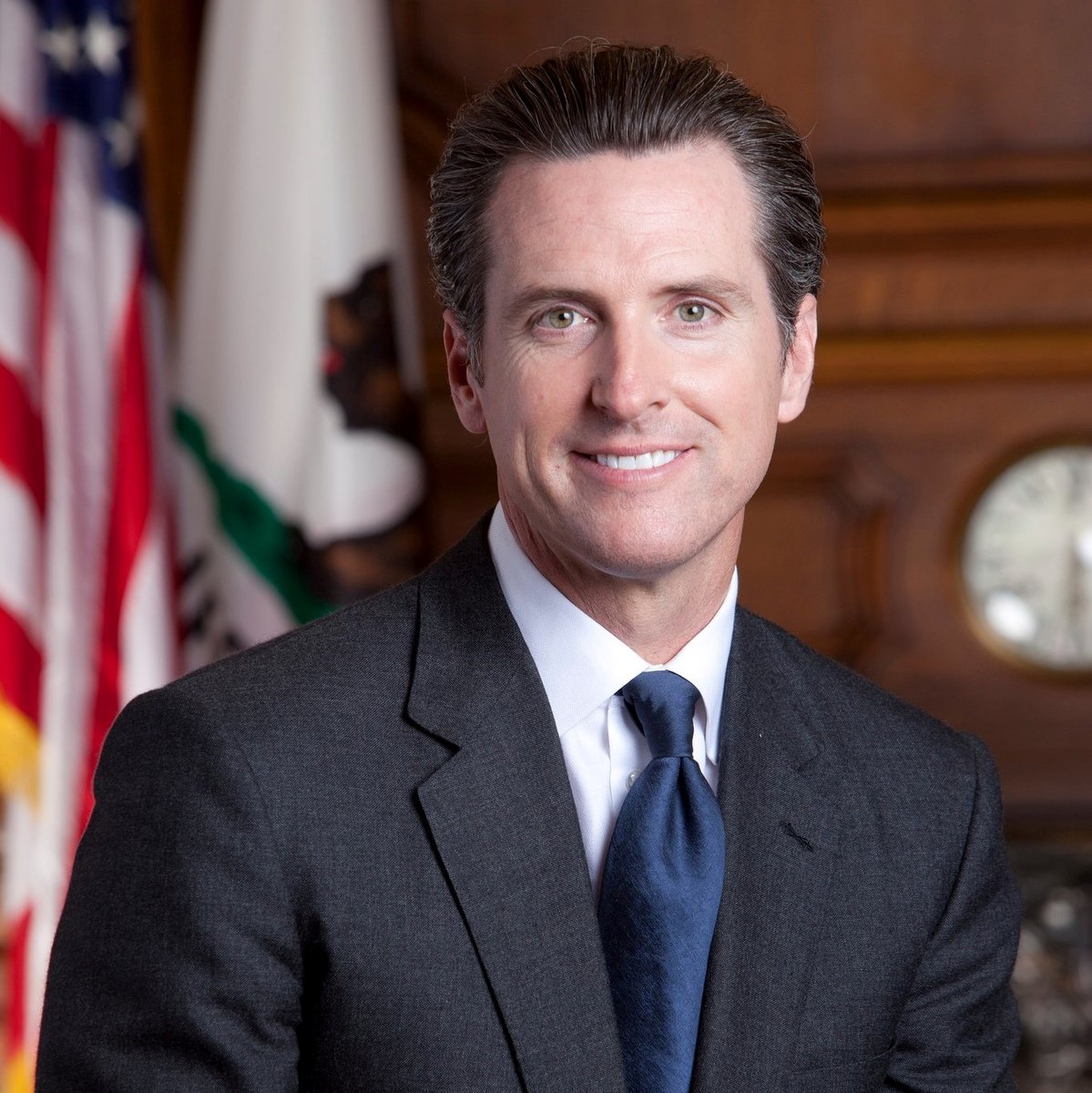
Currently, the Governor of California is Gavin Newsom. Since taking office in January 2019, Newsom has presided over a period of both unprecedented challenges and remarkable growth for the Golden State. His administration’s decisions on infrastructure, environmental protection, economic development, and public health have directly shaped the experience of millions of visitors and residents alike. From the pristine beaches of San Diego to the majestic peaks of Yosemite National Park, and from the bustling urban centers of Los Angeles to the tech hubs of Silicon Valley, every facet of California’s allure is, in some way, touched by the state’s leadership.
This article delves into how the governor’s role extends beyond mere politics, influencing the very essence of what makes California a world-class destination for travel, accommodation, and a coveted lifestyle.
The Golden State’s Leader: An Overview
At the helm of the fifth-largest economy in the world, the California Governor holds immense power and responsibility. The decisions made in Sacramento, the state capital, reverberate across industries, impacting directly the travel and tourism sectors that are vital to California’s identity and economy.
The Governor’s Influence on California’s Landscape
Gavin Newsom, a former Mayor of San Francisco and Lieutenant Governor, brings a perspective rooted in urban development and environmental advocacy to his role. His administration has championed initiatives aimed at combating climate change, investing in renewable energy, and preserving California’s natural wonders. For travelers, this translates into a commitment to maintaining the breathtaking beauty of places like Big Sur, Lake Tahoe, and the state’s numerous national and state parks. Policies that protect coastlines, reduce pollution, and manage natural resources ensure that future generations can continue to enjoy the diverse landscapes that make California so special.
Furthermore, infrastructure development is a key area where the governor’s leadership is palpable. Investments in transportation networks, including airports, highways like the scenic Pacific Coast Highway, and public transit systems, directly enhance accessibility for tourists. Improved roads mean easier access to remote attractions, while modernizing airports like Los Angeles International Airport (LAX) or San Francisco International Airport (SFO) streamlines the arrival and departure experience for millions of international and domestic visitors. These are not merely political projects; they are foundational elements of a thriving tourism ecosystem.
Economic Drivers and Tourist Appeal
California’s economy is an engine of innovation, entertainment, and agriculture, all of which fuel its robust tourist appeal. The governor’s economic policies, whether related to business regulations, workforce development, or technological advancements, indirectly support the travel industry. A strong economy means more resources for cultural institutions, better funding for public amenities, and a vibrant private sector that invests in new hotels, attractions, and experiences.
The state’s prosperity allows for the continuous growth of luxury travel options in destinations like Beverly Hills and Napa Valley, as well as sustained development in budget-friendly family destinations such as Anaheim, home to the Disneyland Resort. When the state economy thrives, it creates jobs across the hospitality sector—from hotel staff and tour guides to chefs and entertainment professionals. This stable environment encourages innovation in tourism, leading to new attractions, culinary trends, and unique cultural experiences that continually draw visitors. The governor’s role in fostering this economic dynamism is therefore crucial to the health and attractiveness of California as a global travel destination.
Navigating California: A Traveler’s Perspective
California offers an unparalleled diversity of experiences, from sun-drenched beaches and towering redwood forests to world-class cities and serene wine regions. The governor’s vision and state policies play a critical role in preserving these experiences and ensuring they remain accessible and enjoyable for all.

Iconic Destinations Shaped by State Vision
Many of California’s most famous landmarks are directly impacted by state-level decisions. The protection of vast wilderness areas, such as Yosemite National Park, Joshua Tree National Park, and Redwood National Park, falls under the purview of state and federal collaboration, often initiated or supported by the governor’s office through environmental policies and funding for park services. These actions ensure that the natural beauty remains pristine and that infrastructure within and around these parks can support millions of visitors annually. Similarly, the preservation and maintenance of state parks, beaches, and historic sites are often state-funded initiatives.
In urban centers, the governor’s office often supports initiatives that bolster cultural institutions and public spaces. For instance, maintaining the grandeur of the Golden Gate Bridge in San Francisco or ensuring the safety and cleanliness of the Hollywood Walk of Fame in Los Angeles are indirect beneficiaries of state-level funding and administrative oversight. The state’s commitment to arts and culture, often articulated through gubernatorial addresses and budget allocations, also enriches attractions like museums, theaters, and music venues across cities like San Diego and Santa Barbara, making them more appealing for tourists seeking diverse experiences. Even major entertainment complexes like Universal Studios Hollywood operate within a framework of state regulations that affect everything from safety standards to labor practices, indirectly influencing the visitor experience.
Accommodation Choices and the State of Hospitality
The diversity and quality of accommodation options in California are unmatched, ranging from ultra-luxury resorts to charming boutique hotels, family-friendly apartments, and secluded villas. The governor’s policies on housing, labor, and economic development have a direct bearing on this sector. For example, policies that promote affordable housing can indirectly influence the availability of workers for the hospitality industry, impacting service quality. Regulations on short-term rentals, often debated at the state level, can affect the supply of unique accommodation options in popular areas.
Luxury travelers can find world-class amenities at properties like The Ritz-Carlton, Laguna Niguel or the Waldorf Astoria Beverly Hills. These establishments thrive in an economic climate fostered by state leadership that encourages investment and tourism. Conversely, the growth of more budget-friendly hotels and long-term stay options in cities like Santa Monica or around Death Valley National Park is also influenced by state efforts to promote economic diversity and accessibility. The governor’s commitment to business-friendly policies, while balancing environmental and labor protections, helps create an environment where the accommodation sector can flourish, offering diverse choices for every type of traveler. This dynamic ensures that whether one is seeking a five-star resort experience or a quaint guesthouse, the options are plentiful and of high quality, a testament to a well-regulated and economically stable environment.
California Living: Beyond the Tourist Trail
Beyond its surface as a top tourist destination, California embodies a lifestyle sought after by many. This lifestyle, characterized by innovation, wellness, cultural richness, and a connection to nature, is significantly shaped by the vision emanating from Sacramento.
The California Lifestyle: Culture, Cuisine, and Community
The California lifestyle is an intricate tapestry woven from diverse cultures, innovative cuisine, and a strong sense of community. The state’s governor often champions policies that support the arts, education, and cultural preservation, which in turn enrich the lifestyle for residents and visitors alike. From world-class museums in Los Angeles to vibrant theater scenes in San Francisco, the state’s cultural landscape is constantly evolving.
The culinary scene is another hallmark of the California lifestyle, with its emphasis on fresh, local, and sustainable ingredients. The state’s commitment to agriculture and farm-to-table initiatives, often supported by gubernatorial policies, ensures a bounty of produce that fuels innovative restaurants across regions like Napa Valley and Sonoma County. These regions are not just about wine; they represent a complete gastronomic experience that highlights the state’s agricultural prowess. Towns like Carmel-by-the-Sea exemplify the blend of natural beauty, artistic community, and exceptional dining that defines the Golden State’s appeal. The governor’s approach to public health and education also contributes to the general well-being and open-mindedness that define California communities, making them welcoming and vibrant places to explore.

Sustainable Tourism and Future Ventures
A significant aspect of Gavin Newsom’s administration has been its strong stance on environmental protection and climate change. This commitment directly translates into initiatives for sustainable tourism. The state actively promotes eco-tourism, encourages responsible travel practices, and invests in renewable energy solutions that reduce the environmental footprint of the tourism industry. For travelers, this means a growing number of hotels and resorts that adopt green practices, as well as an emphasis on preserving the natural integrity of landmarks.
The governor’s focus on future-oriented ventures, from high-speed rail projects to technological innovation, also shapes the long-term sustainability of California’s appeal. These efforts ensure that the state remains at the forefront of innovation not just in tech, but also in how it manages its resources and welcomes visitors. The emphasis on sustainability ensures that the iconic landscapes, vibrant cities, and unique cultural experiences that draw millions to California today will continue to thrive for generations to come, securing its position as a global leader in travel and lifestyle. This forward-thinking approach is not just about policy; it’s about safeguarding the very essence of what makes the Golden State a dream destination.
In conclusion, understanding “Who is the California Governor?” is more than a civic lesson; it’s a key to unlocking the intricate relationship between governance and the vibrant tapestry of travel, hospitality, and lifestyle that defines the state. Gavin Newsom’s leadership, through his policies on the environment, economy, infrastructure, and social programs, directly shapes the experiences of visitors and residents alike. From the majestic natural landmarks to the bustling urban attractions and the world-class accommodation options, every aspect of California’s allure is, in some way, influenced by the vision and decisions emanating from the state capital. For anyone planning a trip or considering a long-term stay, recognizing this connection provides a deeper appreciation for the multifaceted charm of the Golden State.
LifeOutOfTheBox is a participant in the Amazon Services LLC Associates Program, an affiliate advertising program designed to provide a means for sites to earn advertising fees by advertising and linking to Amazon.com. Amazon, the Amazon logo, AmazonSupply, and the AmazonSupply logo are trademarks of Amazon.com, Inc. or its affiliates. As an Amazon Associate we earn affiliate commissions from qualifying purchases.