
Texas, the Lone Star State, is a land of vast distances and diverse landscapes, from the arid western plains to the piney woods of the east. Nestled within its expansive borders are two of its most vibrant and historically significant cities: Dallas, a bustling metropolis of modern commerce and culture, and San Antonio, a city rich with colonial heritage and a distinct cultural flair. For many travelers, whether planning a road trip, a business visit, or a leisurely exploration of Texas culture, a fundamental question often arises: “How far is Dallas from San Antonio, Texas?”
Beyond a simple mileage count, the journey between these two iconic Texas destinations offers a fascinating glimpse into the state’s character. It’s a route that connects two different facets of the Texas experience, each offering unique attractions, accommodation options, and lifestyle possibilities. Understanding the distance and various travel methods is crucial for planning an efficient and enjoyable trip, allowing you to maximize your time exploring everything from the glittering skyscrapers of Dallas to the historic River Walk in San Antonio. This guide will delve into the specifics of the distance, explore popular travel routes, and highlight the distinct tourism and lifestyle experiences awaiting you at each end of this quintessential Texas journey.
The Core Distance: Miles and Minutes
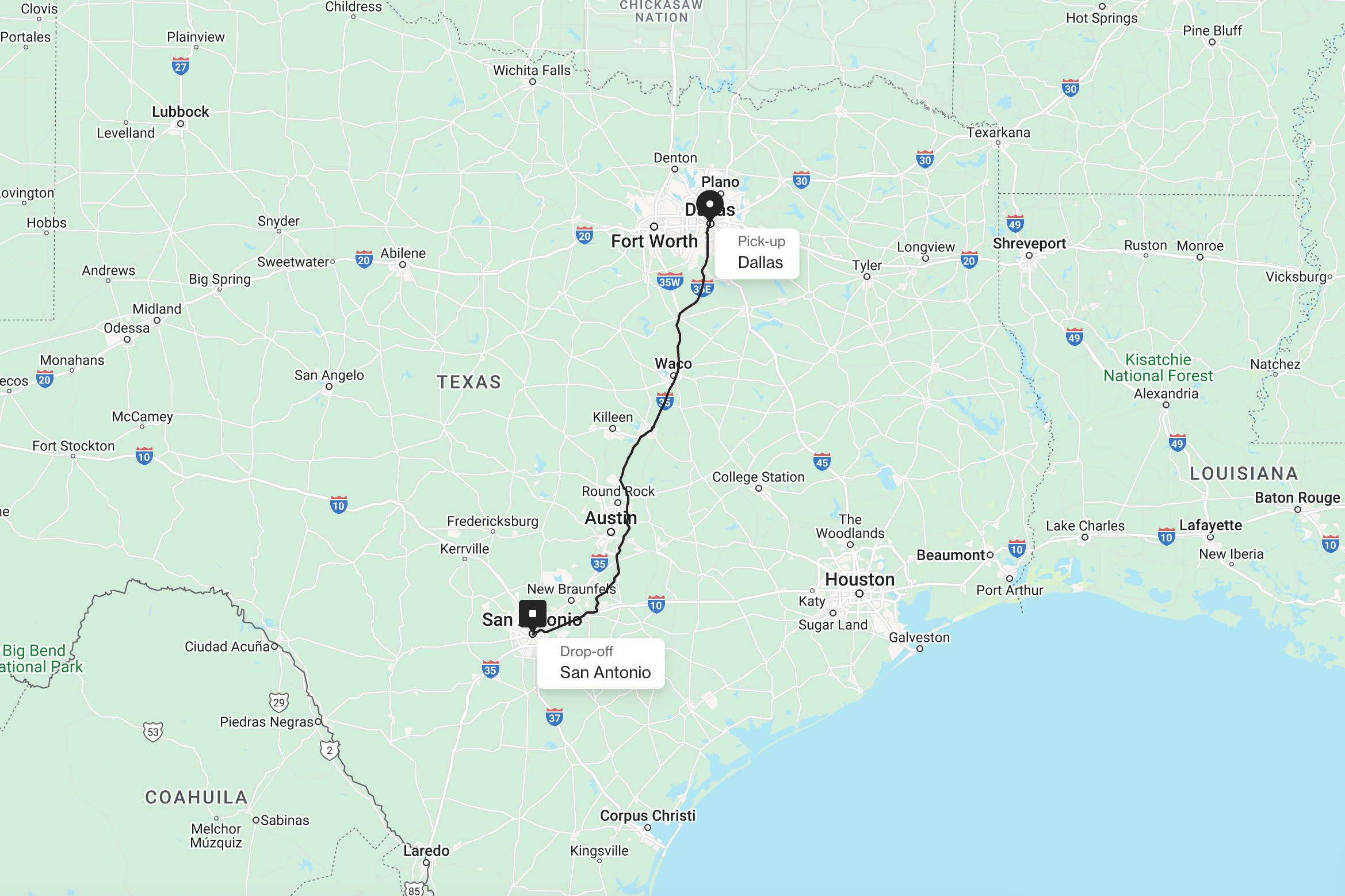
When considering the distance between Dallas and San Antonio, the primary mode of travel for most is by car, which makes understanding the driving distance and time paramount. The two cities are located approximately 270 to 280 miles apart, depending on the exact starting and ending points within each metropolitan area. This distance translates to an average driving time of about 4 to 5 hours under normal traffic conditions.
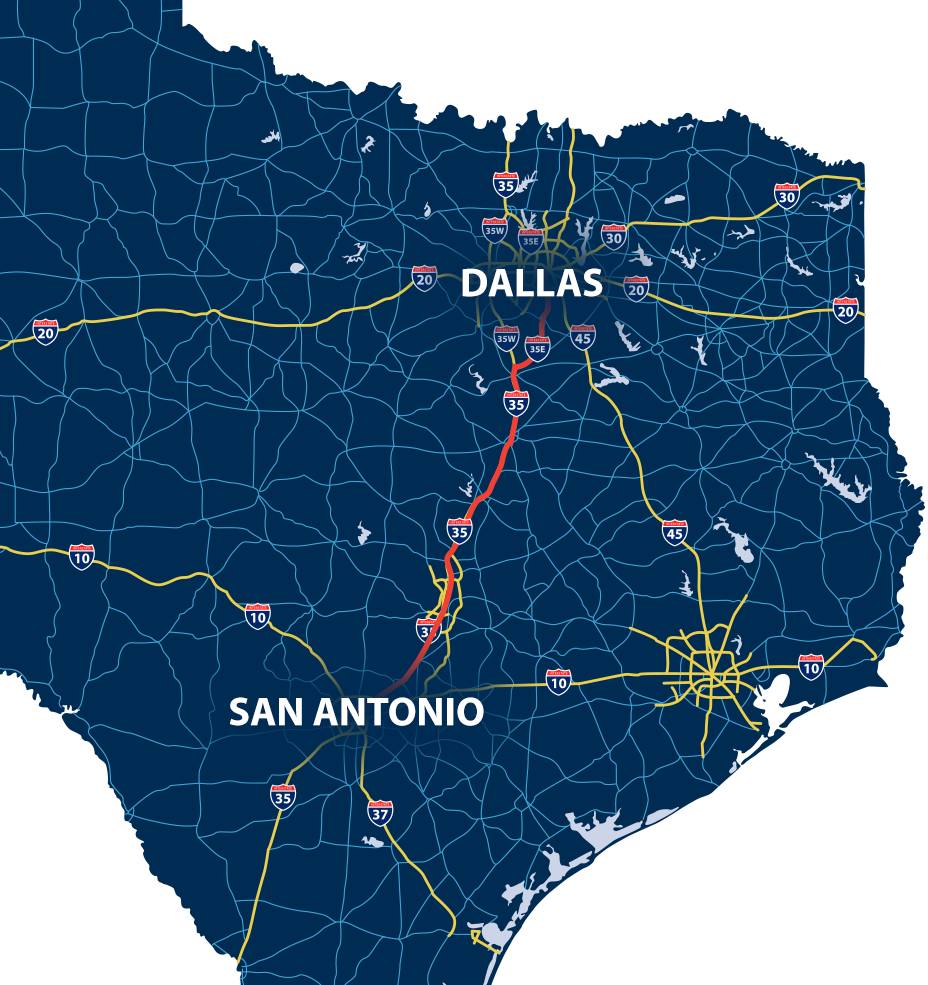
The most direct and commonly used route connecting Dallas and San Antonio is Interstate 35 (I-35). This major north-south artery traverses the heart of Texas, providing a relatively straightforward journey. While I-35 is efficient, travelers should be prepared for varying traffic conditions, particularly when passing through or near major urban centers like Waco and especially Austin, the state capital, which sits roughly midway between Dallas and San Antonio. Rush hour in these cities can add significant delays to the estimated travel time.
Geographically, the journey takes you from North Texas down into Central and South Central Texas. The landscape subtly shifts from the flatter, more urbanized sprawl around Dallas to the undulating terrain and charming small towns characteristic of the Texas Hill Country as you approach San Antonio. For those who prefer a more scenic drive, there are alternative, albeit longer, routes that might take you through smaller towns or along state highways, offering a different perspective of the Texas countryside. However, for sheer efficiency, I-35 remains the undisputed champion for navigating this corridor.
Planning your drive to avoid peak traffic times, particularly around Austin, can significantly improve the experience. Weekday mid-mornings or early afternoons generally offer the smoothest travel. Regardless of the exact duration, the drive itself is a quintessential Texas experience, connecting two of its most celebrated cities and laying the groundwork for unforgettable travel and tourism adventures.
Journey Options: Getting From Dallas to San Antonio
Traveling between Dallas and San Antonio offers a variety of options, each catering to different preferences for speed, cost, comfort, and flexibility. From hitting the open road to soaring through the skies or enjoying a more relaxed ground journey, there’s a method for every traveler.
Driving: The Most Popular Choice
For many, driving is the preferred way to traverse the distance between Dallas and San Antonio. The flexibility it offers is unparalleled, allowing travelers to set their own schedule, make spontaneous stops, and carry as much luggage as they need. Car rentals are readily available in both cities from major providers like Hertz, Enterprise, and Budget, catering to various needs from budget-friendly compacts to spacious SUVs ideal for family trips.
The journey predominantly takes place on I-35, offering a well-maintained and generally direct route. While largely a smooth drive, it’s worth noting that some stretches, particularly around metropolitan areas, may have toll roads or managed lanes that can expedite travel but incur additional costs. Fuel stops and rest areas are plentiful along the interstate, ensuring a convenient journey. Driving also presents the opportunity to explore charming towns along the way or venture slightly off the main route into the scenic Texas Hill Country, enhancing the overall travel experience.
Air Travel: Quick but Not Always Direct
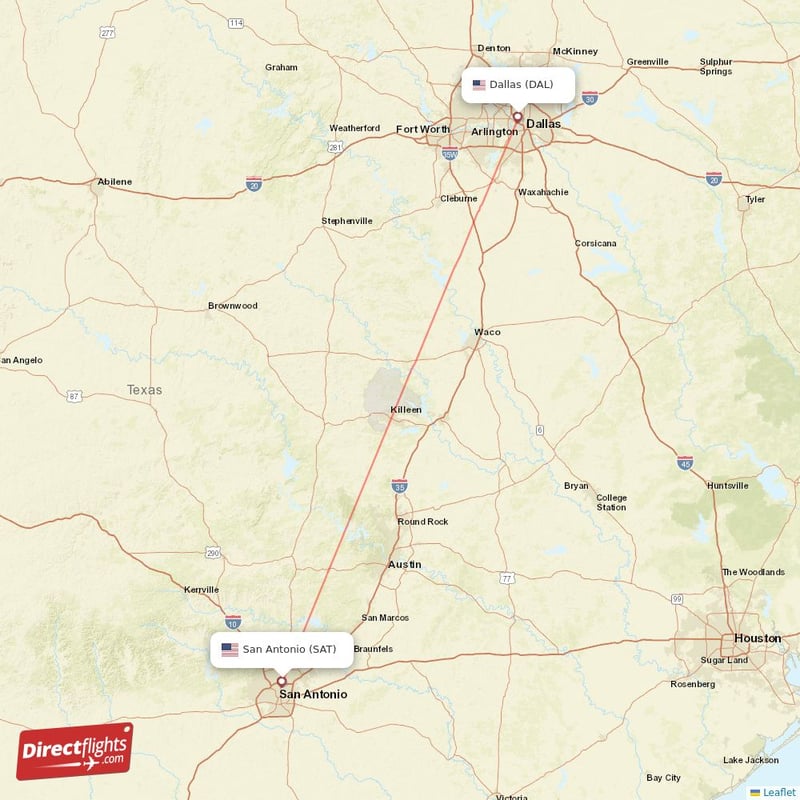
For those prioritizing speed, air travel is an option, though it requires a nuanced understanding of its true efficiency. Direct flights between Dallas and San Antonio are available, typically from Dallas/Fort Worth International Airport (DFW) or Dallas Love Field (DAL) to San Antonio International Airport (SAT). Major airlines like American Airlines and Southwest Airlines operate these routes. The flight time itself is remarkably short, often around 1 hour.
However, the total travel time can quickly add up when factoring in the journey to and from the airports, security checks, boarding procedures, and baggage claim. For example, getting from downtown Dallas to DFW or Love Field can take 30-60 minutes, and the same applies at SAT. Consequently, a 1-hour flight can easily become a 3.5- to 4-hour endeavor when considering the entire process. Air travel is typically more expensive than driving, especially when booking last minute, but it can be a convenient choice for business travelers on a tight schedule or those who prefer to avoid long drives.
Bus and Train Services: Budget-Friendly Alternatives
For travelers seeking more economical options or those who prefer not to drive, bus and train services provide viable alternatives.
Bus services, offered by companies like Greyhound and Megabus, connect Dallas and San Antonio with multiple daily departures. Bus journeys typically range from 4.5 to 6 hours, depending on the number of stops and traffic conditions. While generally the most budget-friendly option, they offer a comfortable ride with amenities like Wi-Fi and power outlets on many modern coaches. This mode of transport is popular with students, budget travelers, and those who enjoy watching the scenery unfold without the stress of driving.
Train travel provides a unique, relaxing way to experience the journey. Amtrak operates the Texas Eagle route, which connects the two cities. The train ride is typically longer than driving or taking the bus, often ranging from 6 to 8 hours due to slower speeds and multiple stops. However, it offers a different level of comfort with more spacious seating, dining car options, and the ability to move around during the trip. For those who appreciate a more leisurely pace and a chance to truly unwind, the train can be a charming choice, transforming the transit into part of the travel experience itself. Both bus and train services also eliminate the hassle of parking, making them appealing for urban exploration.
Beyond the Miles: Exploring What Awaits
The journey from Dallas to San Antonio isn’t just about covering distance; it’s about transitioning between two distinct Texan experiences. Each city offers a rich tapestry of attractions, diverse accommodation, and unique lifestyle insights, making the destination as important as the journey itself.
Dallas: The Modern Metropolis
Dallas, often seen as the epitome of modern Texas ambition, is a glittering hub of commerce, fashion, and sophisticated urban life. Travelers arriving in Dallas will find a dynamic city brimming with cultural landmarks and entertainment options. The Dallas Arts District is a cultural jewel, home to world-class museums like the Dallas Museum of Art and the Nasher Sculpture Center, alongside stunning performance venues. History buffs will find the Sixth Floor Museum at Dealey Plaza a poignant and essential visit, offering deep insights into President John F. Kennedy’s assassination. For panoramic city views, the observation deck of Reunion Tower provides an unforgettable experience. Green spaces like Klyde Warren Park offer urban oases for relaxation and community events.
Accommodation in Dallas caters to every taste and budget, reflecting its status as a major travel destination. Luxury hotels such as The Ritz-Carlton Dallas or the Omni Dallas Hotel offer exquisite amenities and prime downtown locations, perfect for business stays or a lavish lifestyle retreat. Boutique hotels in areas like Uptown provide unique character and personalized service, while a wide array of mid-range hotels, suites, and vacation apartments ensures comfortable and convenient stays for families and budget-conscious travelers.
The Dallas lifestyle is characterized by upscale dining, high-end shopping (especially in areas like Highland Park Village), and a vibrant nightlife. From authentic Tex-Mex to innovative fine dining, the city’s culinary scene is diverse and thriving. Sports enthusiasts can catch a Dallas Cowboys game at AT&T Stadium or cheer for the Dallas Mavericks and Dallas Stars at the American Airlines Center.
San Antonio: A City Steeped in History and Culture
In stark contrast to Dallas’s modern sheen, San Antonio is a city that proudly wears its history and unique blend of Mexican and American cultures on its sleeve. Upon arrival, visitors are immediately drawn to its iconic landmarks. The most famous, of course, is The Alamo, a symbol of Texas’s fight for independence and a must-visit for any traveler. Just as central to San Antonio’s charm is the historic River Walk (Paseo del Río), a network of picturesque waterways lined with restaurants, shops, and entertainment venues. Taking a barge cruise or simply strolling along its banks is an essential San Antonio experience.
Beyond The Alamo, the San Antonio Missions National Historical Park, a UNESCO World Heritage Site, offers a deeper dive into the region’s Spanish colonial past with four other impressive missions: Mission Concepción, Mission San José, Mission San Juan Capistrano, and Mission Espada.
Accommodation in San Antonio often capitalizes on its unique ambiance. Many hotels are located directly on or near the River Walk, offering charming views and easy access to attractions. From luxury resorts like Hotel Emma at Pearl Brewery or the Mokara Hotel & Spa to boutique inns and family-friendly hotels, there’s a wide range of options. Apartments and villas also provide excellent long-term stay opportunities for those wanting to immerse themselves in the local culture.
The lifestyle in San Antonio is laid-back yet vibrant, deeply influenced by its Hispanic heritage. The food scene is legendary, with an abundance of authentic Tex-Mex restaurants, often found nestled along the River Walk or in historic districts. The city hosts numerous festivals throughout the year, celebrating its diverse culture and history. Family trips will find plenty to do, from visiting Six Flags Fiesta Texas to exploring the San Antonio Zoo and the Witte Museum. San Antonio truly offers a rich blend of history, culinary delights, and family-friendly activities, making it an ideal destination for tourism and cultural exploration.
Making the Most of Your Texas Journey
Traveling between Dallas and San Antonio is more than just covering nearly 300 miles; it’s an opportunity to experience the breadth of Texas’s appeal. To ensure a seamless and enriching experience, consider these tips for planning your trip.
Firstly, plan your travel method carefully, factoring in budget, time constraints, and desired level of flexibility. If you value spontaneity and the freedom to explore at your own pace, driving is likely your best bet, perhaps with a rental car to avoid putting miles on your personal vehicle. For those with tight schedules, domestic flights offer speed, albeit with the added complexities of airport logistics. If relaxation and cost-effectiveness are priorities, bus or train services can provide a pleasant alternative. Booking flights or train tickets well in advance, especially during peak travel seasons or holidays, can secure better rates and availability.
Secondly, consider extending your trip to include other captivating Texas destinations. Austin, the live music capital of the world, is conveniently located along the I-35 corridor between Dallas and San Antonio, making it an ideal stopover. A detour into the scenic Texas Hill Country can reveal charming small towns like Fredericksburg with its wineries and German heritage, or offer opportunities for outdoor adventures. Incorporating such stops transforms a simple transit into a multi-destination travel experience, showcasing even more of Texas’s diverse attractions and local culture.
Lastly, pre-book your accommodation, especially if traveling during peak times or to specific popular hotels like those along the San Antonio River Walk or luxury resorts in Dallas. Researching and comparing options, whether for suites, resorts, or unique boutique hotels, will ensure you find the perfect fit for your lifestyle and preferences, from luxury travel to budget-friendly stays. Whether it’s a business trip requiring a comfortable hotel with excellent amenities or a family vacation seeking spacious apartments, early planning is key to securing the best choices and potentially better rates.
In essence, the distance between Dallas and San Antonio is easily navigable, opening up a world of discovery. With careful planning and an adventurous spirit, your journey across this vibrant stretch of Texas will undoubtedly be filled with memorable experiences, from historical landmarks to modern marvels and everything in between.
LifeOutOfTheBox is a participant in the Amazon Services LLC Associates Program, an affiliate advertising program designed to provide a means for sites to earn advertising fees by advertising and linking to Amazon.com. Amazon, the Amazon logo, AmazonSupply, and the AmazonSupply logo are trademarks of Amazon.com, Inc. or its affiliates. As an Amazon Associate we earn affiliate commissions from qualifying purchases.