
Understanding the current time in Los Angeles, California is far more than a simple matter of checking a clock; it’s a fundamental aspect of seamless travel planning, effective communication, and truly immersing oneself in the vibrant rhythm of this global city. Whether you’re an international traveler meticulously planning your arrival, a business professional coordinating a cross-continental meeting, or simply a curious individual trying to connect with friends and family on the West Coast, knowing the precise local time is indispensable. Los Angeles, a sprawling metropolis renowned for its diverse culture, iconic landmarks, and boundless opportunities, operates on a specific time zone that shifts with the seasons.
This comprehensive guide delves into the intricacies of Los Angeles time, exploring its designation, the impact of Daylight Saving Time, and most importantly, why this knowledge is crucial for anyone venturing into or connecting with the City of Angels. From optimizing your accommodation check-ins to scheduling visits to world-famous attractions and managing the notorious effects of jet lag, mastering LA time is your first step towards a successful and stress-free Los Angeles experience.
Understanding Los Angeles Time: PST and PDT Explained
At its core, understanding the time in Los Angeles revolves around two key acronyms: PST and PDT. These designate the standard and daylight saving variants of the time zone observed across much of the western United States, including California. Grasping the distinction between these two is vital for accurate timekeeping throughout the year.
The Foundation: Pacific Standard Time (PST)
During the colder months of the year, typically from early November to early March, Los Angeles observes Pacific Standard Time (PST). This is the baseline time for the region, defined as UTC-8. The “UTC” refers to Coordinated Universal Time, the primary time standard by which the world regulates clocks and time. Being UTC-8 means that Los Angeles time is eight hours behind UTC.
For travelers arriving in Los Angeles during PST, this offset is critical for synchronizing their internal clocks and devices. If you’re coming from the East Coast of the United States, for example, you’ll need to turn your watch back three hours. For those journeying from Europe or Asia, the time difference will be significantly larger, often necessitating careful jet lag mitigation strategies, which we will discuss later. This standard time provides a consistent reference point for everything from flight arrivals at Los Angeles International Airport (LAX) to the operating hours of local businesses and tourism operators.
The Shift: Pacific Daylight Time (PDT)
As spring arrives, Los Angeles, along with most of California and many other regions, transitions to Daylight Saving Time. During this period, the time zone switches from PST to Pacific Daylight Time (PDT). This change involves “springing forward” by one hour, meaning the clock moves ahead. Consequently, PDT is designated as UTC-7, making Los Angeles seven hours behind Coordinated Universal Time.
The shift to PDT typically occurs on the second Sunday in March and reverts to PST on the first Sunday in November. This annual adjustment is designed to make better use of daylight, pushing sunsets later into the evening. For visitors and residents alike, it means lighter evenings perfect for enjoying Los Angeles’ outdoor attractions and vibrant nightlife. However, it also means a necessary adjustment to schedules and awareness of the change, especially for those making international calls or arriving from areas that do not observe Daylight Saving Time. Always double-check whether Los Angeles is currently observing PST or PDT to ensure accurate planning.
Why Knowing LA Time Matters for Travelers and Beyond
For any visitor to Los Angeles, understanding the current local time isn’t just a nicety; it’s a practical necessity that impacts virtually every aspect of their trip. From the moment you begin planning your journey until your departure, time zone awareness contributes significantly to a smooth, enjoyable, and efficient experience.
Seamless Travel Planning and Logistics
Effective travel planning hinges on precise timing, and Los Angeles’ time zone plays a pivotal role in this. Miscalculating the time difference can lead to missed flights, inconvenient hotel bookings, and a host of avoidable complications that can detract from your travel experience.
Flights, Airports, and Connections
Your journey to Los Angeles almost certainly involves flying into Los Angeles International Airport (LAX), one of the busiest airports in the world. All flight schedules, arrival, and departure times listed for LAX will be in local Los Angeles time (PST or PDT depending on the season). For international travelers, understanding the significant time difference is paramount for planning connecting flights, arranging airport transfers, and notifying family or hotel staff of your expected arrival. Being aware of the time helps you confirm your gate information, manage layovers efficiently, and ensure you’re at the right place at the right local time. An early morning arrival from an overseas flight might feel like the middle of the night to your body, making time vigilance even more critical.
Hotels, Accommodation, and Reservations
When it comes to accommodation in Los Angeles, whether you’re staying in a luxury hotel in Beverly Hills, a boutique hotel in Downtown LA, or a cozy apartment rental, check-in and check-out times are strictly observed according to local time. Arriving too early might mean waiting hours for your room, while checking out late could incur additional fees. Knowing the exact time also helps you make reservations for dining experiences, spa treatments at your resort, or local tours. Many popular restaurants and activities in Los Angeles require advance booking, and being mindful of the time allows you to secure your preferred slots without confusion or disappointment. This also extends to communicating with hotel staff or property managers, especially if you have specific requests or need to arrange airport pickups.
Jet Lag Management
Perhaps one of the most significant impacts of time zone differences for travelers, particularly those crossing multiple time zones, is jet lag. This physiological condition can severely disrupt your initial days in Los Angeles, affecting energy levels, sleep patterns, and overall enjoyment. By understanding the time difference before you travel, you can proactively begin to adjust your sleep schedule, gradually shifting your body clock closer to LA time. Upon arrival, immediately setting your watch to local time and trying to follow the local schedule for meals and sleep, even if you don’t feel tired, is a proven strategy. Knowing the actual time helps you avoid napping at inappropriate hours and helps you acclimate more quickly, ensuring you maximize your precious vacation days.
Maximizing Your Los Angeles Experience
Beyond logistical concerns, being time-aware is crucial for truly experiencing all that Los Angeles has to offer. The city’s pulse is dictated by its clock, from the opening hours of world-class museums to the curtain calls of Broadway-caliber shows.
Attractions, Landmarks, and Activities
Los Angeles is home to an incredible array of landmarks and attractions, each with its own operating hours. Imagine planning a visit to the iconic Griffith Observatory for sunset views of the city skyline and Hollywood Sign, only to arrive after closing because of a time miscalculation. Or perhaps you’ve booked tickets for a thrilling day at Universal Studios Hollywood or a magical adventure at Disneyland Park; their gates open and close at specific local times.
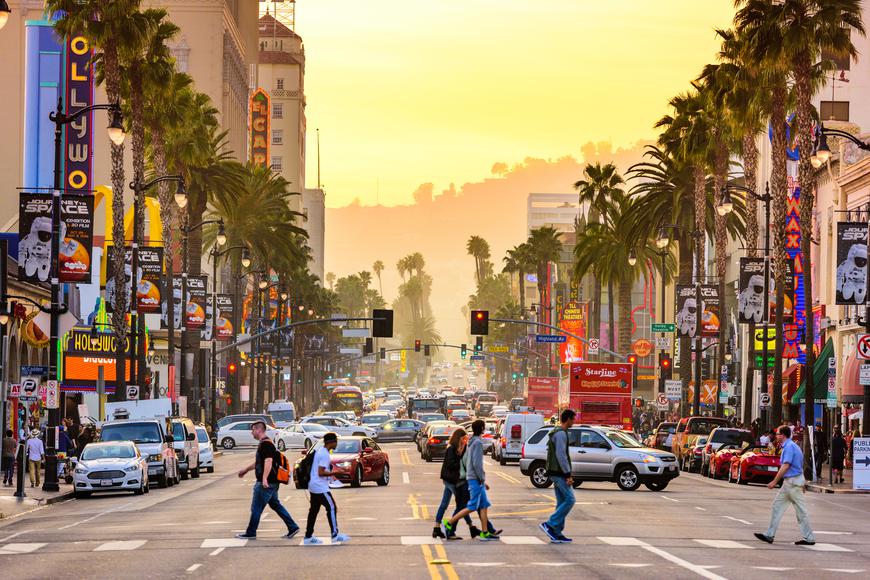
Other famous spots like the Santa Monica Pier, the Hollywood Walk of Fame, and the Getty Center all adhere to strict schedules. For travelers, building an itinerary that respects these timings is key to a productive and enjoyable tourism experience. Many popular tours, such as bus tours of celebrity homes in the Hollywood Hills or visits to the beaches of Malibu, also run on precise schedules that demand punctuality, based on local Los Angeles time.
Dining, Entertainment, and Lifestyle
The vibrant lifestyle of Los Angeles extends to its diverse dining and entertainment scenes. From Michelin-starred restaurants on Rodeo Drive to trendy cafes on Melrose Avenue and lively bars on Sunset Boulevard, reservation times and opening hours are always local. If you’ve planned a special dinner or tickets to a concert or show at the Walt Disney Concert Hall or the Staples Center, arriving on time is paramount.
For those interested in the city’s nightlife, knowing when bars open for happy hour or when clubs get lively can help you make the most of your evenings. Even casual activities like catching a film premiere or visiting a farmer’s market have specific operating hours. Understanding the time ensures you’re not missing out on the unique experiences that define the Los Angeles lifestyle.
Business and Communication
For professionals visiting for business or individuals maintaining connections with contacts in Los Angeles, time zone awareness is a cornerstone of effective communication. Scheduling virtual meetings, conference calls, or client appointments requires careful calculation to avoid early morning calls for one party and late-night calls for another. A misstep here can reflect poorly on professionalism and disrupt crucial engagements. International businesses with offices or clients in Los Angeles consistently navigate these time differences to ensure smooth operations and timely responses, emphasizing the global importance of LA’s clock.
Practical Tools and Tips for Checking LA Time
In today’s interconnected world, determining the current time in Los Angeles has never been easier. A variety of tools and simple strategies can help you stay synchronized, ensuring your travels and interactions are always perfectly timed.
Digital Resources at Your Fingertips
Modern technology offers an abundance of convenient ways to check the time in any location around the globe, including Los Angeles.
Smartphones and Computers
Your smartphone is arguably the most powerful and readily available tool for timekeeping. Most modern smartphones and computers come with built-in “World Clock” features that allow you to add multiple cities and instantly see the current time in each. When you land at LAX and your phone connects to the local network, it will automatically update to Los Angeles local time, making it incredibly convenient. This automatic adjustment also accounts for Daylight Saving Time shifts, eliminating the need for manual corrections. Similarly, your laptop or desktop computer’s operating system usually includes a time and date setting that can display multiple time zones or automatically adjust when you change your location settings.
Online Time Converters and Weather Apps
Numerous websites and applications are dedicated specifically to time zone conversion. A quick search for “current time in Los Angeles” will yield accurate results from reputable sources that account for PST or PDT. These online time converters are particularly useful for planning ahead from a different time zone. Additionally, many popular weather apps or travel planning applications integrate local time information alongside their primary functions, offering a consolidated source for relevant travel data. Always ensure you are checking a reliable source that updates in real-time and considers Daylight Saving Time changes.
Adjusting to the LA Rhythm
Beyond simply knowing the time, it’s about embracing and adapting to the local rhythm of Los Angeles.
Tips for Travelers: Embrace the Local Schedule
Upon arrival, the most effective tip is to immediately set your watch and all portable devices to local Los Angeles time. Even if your body feels out of sync, consciously try to adopt the local eating, sleeping, and activity schedule. If it’s daytime in LA, try to stay awake and expose yourself to natural light; if it’s evening, prepare for sleep. This mental and behavioral shift is crucial for mitigating jet lag and quickly settling into your vacation or business trip. Schedule your earliest attractions for slightly later in the morning on your first day to give yourself time to adjust.
Consider the Time Difference for Communication
When communicating with friends, family, or colleagues in other time zones, always keep the Los Angeles time difference in mind. A quick calculation can prevent inadvertently calling someone at an inconvenient hour. For instance, if you’re in Los Angeles at 9 AM and want to call someone on the East Coast, remember they are three hours ahead, so it would be noon for them – a perfectly reasonable time. Conversely, calling London at 9 AM LA time would mean it’s 5 PM in London (during PST and GMT/BST depending on the season), still manageable, but illustrating the need for awareness. Thoughtful consideration of time zones shows respect for others’ schedules and ensures smoother, more productive interactions.
In conclusion, while the question “What is the time now in Los Angeles, California?” seems straightforward, its implications for travelers and those connecting with the city are extensive. By understanding the nuances of PST and PDT, utilizing readily available digital tools, and consciously adapting to the local schedule, visitors can ensure a seamless and enriching experience in one of the world’s most dynamic destinations. Whether you’re exploring Hollywood, relaxing on a Santa Monica beach, or conducting business, being in sync with LA time is your essential guide to navigating this extraordinary city.
LifeOutOfTheBox is a participant in the Amazon Services LLC Associates Program, an affiliate advertising program designed to provide a means for sites to earn advertising fees by advertising and linking to Amazon.com. Amazon, the Amazon logo, AmazonSupply, and the AmazonSupply logo are trademarks of Amazon.com, Inc. or its affiliates. As an Amazon Associate we earn affiliate commissions from qualifying purchases.