
The Lone Star State, Texas, is a land of superlatives: vast landscapes, rich history, and a culture as diverse as its geography. From the arid deserts of West Texas to the humid shores of the Gulf Coast, this monumental state offers an incredible array of experiences for travelers. However, one aspect that consistently captures attention, and sometimes apprehension, is its famously unpredictable weather. Visitors often arrive prepared for scorching summers, only to be surprised by sudden hailstorms, flash floods, or even unexpected winter freezes. This wild variability isn’t random; it’s a fascinating dance of geography, atmospheric forces, and unique climatological phenomena that make Texas weather truly one-of-a-kind. Understanding these elements is key to planning your perfect Texas adventure, ensuring you can embrace its wonders, come rain or shine.
The Geographic Cocktail: Where Air Masses Collide
At the heart of Texas weather’s volatility lies its unparalleled geographical position within the United States. Sitting at a meteorological crossroads, the state is a battleground where different air masses from various regions frequently converge and clash. This unique setup is the primary driver behind the state’s dramatic shifts and extreme conditions, offering a perpetual lesson in atmospheric dynamics. For those planning their travel or considering long-term accommodation in the region, grasping these underlying factors can provide valuable insight into what to expect and how to prepare.
The Gulf’s Humid Embrace
One of the most significant influences on Texas weather is its proximity to the warm waters of the Gulf of Mexico. This immense body of water acts as a perpetual humidifier and heat source, constantly pumping warm, moist air northward into the state. This warm, unstable air mass is a critical ingredient for severe weather. It fuels the powerful thunderstorms that roll across the plains, contributing to heavy rainfall and creating the energy needed for tornadoes.
The maritime tropical air from the Gulf is particularly dominant during the spring and summer months, leading to high humidity levels that make the already hot temperatures feel even more intense. This tropical influence also means that Texas is susceptible to tropical depressions, tropical storms, and hurricanes, particularly along its lengthy coastline, impacting cities like Houston, Galveston, and Corpus Christi. Hotels and resorts in these coastal areas, such as the historic Hotel Galvez & Spa on Galveston Island, are well-versed in hurricane preparedness, often providing guests with comprehensive safety information during storm season.
Rocky Mountains’ Rain Shadow Effect
To the west, the towering peaks of the Rocky Mountains play an indirect but crucial role in shaping Texas weather. While the mountains themselves are located outside the state, their presence creates a “rain shadow” effect that significantly impacts the western and panhandle regions of Texas. As moist air from the Pacific travels eastward, it’s forced to rise over the Rockies, where it cools, condenses, and releases much of its moisture as rain or snow on the western slopes.
By the time this air descends into Texas, it’s significantly drier and warmer, contributing to the arid to semi-arid climate found in regions like Big Bend National Park and the Panhandle. This effect creates a stark contrast between the humid eastern parts of the state and the drier west, making Texas a state where you can experience lush greenery and desert landscapes within the same day’s drive. Tourism in West Texas often centers around its unique natural beauty, from the mountains of Guadalupe Mountains National Park to the Chihuahuan Desert, where understanding the dry conditions is crucial for outdoor activities.
Northerly Cold Fronts and the Panhandle
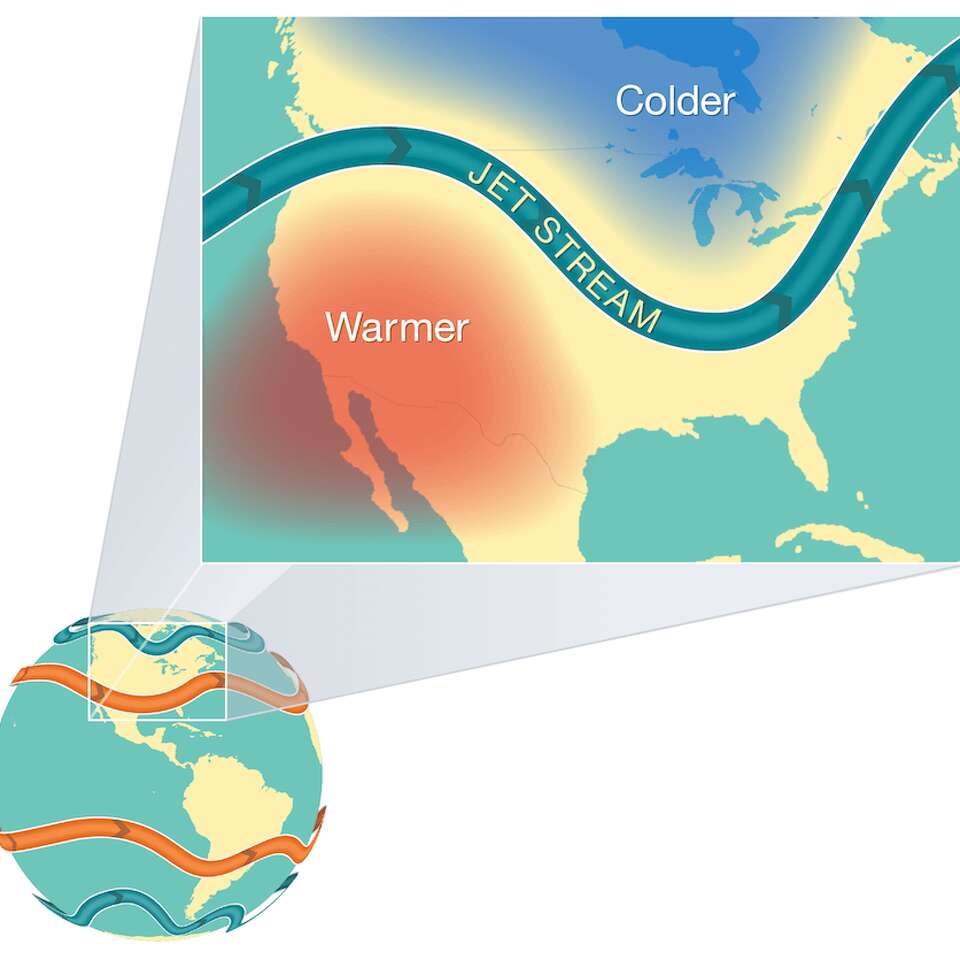
Adding another layer of complexity are the powerful cold fronts that sweep down from the north, originating from the Arctic regions of Canada or the central plains of the United States. These cold, dense air masses frequently plunge south, especially during the fall and winter, often colliding dramatically with the warm, moist air from the Gulf of Mexico.
This collision is a classic recipe for severe weather. The rapid uplift of warm, moist air by the incoming cold front generates intense thunderstorms, hailstorms, and, most notably, tornadoes. The Texas Panhandle and North Texas regions, including cities like Amarillo and Dallas, are particularly vulnerable to these frontal systems, sitting squarely within the infamous Tornado Alley. These fronts can cause temperature drops of 20-30 degrees Fahrenheit in a matter of hours, leading to what Texans call “blue northers.” Such swift changes demand adaptability from both residents and travelers, making packing versatile clothing a key lifestyle tip for visiting the state.
A Symphony of Extremes: From Blizzards to Bushfires
Given its geographic position, Texas is not merely exposed to diverse weather patterns; it often experiences them in their most extreme forms. The state is a stage where various atmospheric phenomena perform a dramatic and often intense symphony, ranging from the fury of tropical cyclones to the silent devastation of prolonged droughts. This spectrum of extremes defines the wild nature of Texas weather, impacting everything from agriculture to urban infrastructure and, significantly, the rhythm of tourism and daily life.
Tornado Alley’s Heartbeat
Texas lies at the southern edge of Tornado Alley, making it one of the most tornado-prone states in the United States. The clash of warm, moist Gulf air with cool, dry air from the north, combined with strong upper-level winds, creates the perfect conditions for supercell thunderstorms capable of spawning powerful tornadoes. While tornadoes can occur anywhere in Texas, the greatest frequency is in the North Texas and Panhandle regions, particularly during the spring months of April and May.
Cities like Dallas and Fort Worth have experienced significant tornado events, leading to a strong culture of weather awareness and preparedness. Travelers visiting during spring should monitor local weather forecasts closely. Many hotels and public accommodations have designated shelters or safety protocols for severe weather, which are important to understand upon check-in. Landmarks and attractions like the Dallas Arts District or Fort Worth Stockyards continue their vibrant operations, but always with an eye on the sky.
Hurricane Season’s Coastal Fury
From June through November, the Texas Gulf Coast braces for hurricane season. The warm waters of the Gulf of Mexico provide the energy for tropical systems to develop and strengthen, sometimes making landfall with devastating force. Historically, hurricanes like Hurricane Harvey (2017) and Hurricane Ike (2008) have caused widespread damage, particularly to coastal cities and infrastructure.
Coastal destinations such as Galveston, South Padre Island, and Corpus Christi are popular for their beaches and vibrant tourism scenes, but visitors during these months must be aware of hurricane risks. Many coastal hotels and resorts offer flexible cancellation policies during hurricane threats, and local authorities provide clear evacuation routes and guidelines. Staying informed via official weather channels, like the National Weather Service, is paramount for a safe coastal experience.
Droughts, Deluges, and Flash Floods
Texas swings between periods of extreme dryness and intense rainfall. Prolonged droughts are a common feature, especially in the western and central parts of the state, fueled by the rain shadow effect and high summer temperatures. These droughts can lead to significant water shortages, impact agriculture, and increase the risk of devastating wildfires, particularly in areas with dense vegetation like the Texas Hill Country.
Conversely, when rain does come, it often comes in deluges. The flat terrain, especially in urban areas like Houston which sits on a coastal plain, combined with rapid urbanization, makes Texas highly susceptible to flash floods. Even seemingly minor storms can quickly turn roadways into rivers, posing significant dangers. Rivers like the Colorado River and the Brazos River can swell rapidly. Travelers should never drive through flooded roads. Many landmarks and attractions might have temporary closures during heavy rain events for safety.
Unexpected Winters and Scorching Summers
While famously known for its heat, Texas can also experience surprisingly harsh winters. Cold fronts from the Arctic can push deep into the state, bringing freezing rain, ice storms, and even snow, particularly in the Panhandle and North Texas. The infamous Winter Storm Uri in February 2021, which brought unprecedented freezing temperatures and widespread power outages, served as a stark reminder of this vulnerability. Even cities as far south as San Antonio and Austin can see occasional snowfall or ice.
Summers, on the other hand, are reliably scorching. Triple-digit temperatures are common across much of the state from June to September. This intense heat, especially when combined with high humidity from the Gulf, poses health risks and influences travel plans. For tourism, it means planning indoor activities during peak heat hours, enjoying swimming pools at hotels, or exploring attractions with air conditioning, such as the Space Center Houston or the Sixth Floor Museum at Dealey Plaza in Dallas.
Navigating Texas Weather: Tips for Travelers and Residents
Embracing the wild weather of Texas is part of its unique charm. For anyone planning a visit or considering making the Lone Star State their home, understanding how to navigate its atmospheric extremes is essential. Whether you’re on a luxury travel excursion or a budget-friendly family trip, a little preparation and awareness can transform potential challenges into memorable experiences.
Planning Your Texas Adventure
Timing is everything when it comes to planning your Texas travel. For those interested in outdoor exploration, like hiking in Big Bend National Park or enjoying the Riverwalk in San Antonio, spring (March-May) and fall (October-November) offer the most pleasant temperatures, though spring does come with the increased risk of severe thunderstorms and tornadoes. If you’re heading to the Gulf Coast for beach activities, the shoulder seasons can also be ideal to avoid the intense summer heat and the peak of hurricane season.
Always check the long-range forecast for your specific destinations before you pack. Layering clothing is a practical tip regardless of the season, allowing you to adapt to sudden temperature swings. Consider booking accommodation with flexible cancellation policies, especially during hurricane season if your plans include the coast. Many premium hotels and suites across Texas offer excellent amenities like indoor pools, robust Wi-Fi, and generators, which can be invaluable during unexpected weather events, ensuring your business stays or leisure trips remain comfortable.
Staying Safe and Informed
One of the most crucial aspects of dealing with Texas’ wild weather is staying informed. Utilize modern technology: download a reliable local weather app that provides real-time alerts for severe thunderstorms, tornado watches/warnings, and flood advisories. Local news channels and radio stations are also excellent resources for up-to-the-minute weather updates and emergency information.
If you’re driving, be particularly cautious during heavy rain. “Turn Around, Don’t Drown” is a vital mantra in Texas; never attempt to drive through flooded roads, as water depth can be deceptive and currents strong. During tornado watches, know where the nearest shelter is, whether it’s within your hotel or a public facility. Most tourism operators and attraction staff are well-trained in emergency procedures and will provide guidance if severe weather threatens. Don’t hesitate to ask for local tips from your hotel concierge or local residents.
Experiencing Texas, Come Rain or Shine
Despite its dramatic weather, Texas remains an extraordinary place to visit and live. The wild weather often contributes to the state’s vibrant character and the resilience of its people. Iconic landmarks like The Alamo in San Antonio, the bustling Sixth Street in Austin, or the sprawling beauty of Palo Duro Canyon State Park continue to draw millions. The key is to be prepared and adaptable.
Embrace the unexpected; a sudden downpour might lead you to discover a charming local cafe or a fascinating indoor museum. A cold snap might make a warm bowl of authentic Texas chili taste even better. The dramatic skies before a storm can offer breathtaking photographic opportunities. From budget travel to indulging in luxury resorts, Texas provides a rich tapestry of experiences. By understanding why its weather is so wild and how to navigate it, you can ensure your journey through the Lone Star State is not just safe, but truly unforgettable.
LifeOutOfTheBox is a participant in the Amazon Services LLC Associates Program, an affiliate advertising program designed to provide a means for sites to earn advertising fees by advertising and linking to Amazon.com. Amazon, the Amazon logo, AmazonSupply, and the AmazonSupply logo are trademarks of Amazon.com, Inc. or its affiliates. As an Amazon Associate we earn affiliate commissions from qualifying purchases.