
The Chicago River, a sinuous waterway winding through the heart of Chicago, Illinois, is far more than just a body of water; it’s a living, breathing artery that has shaped one of the United States’ most iconic cities. For many visitors and even long-time residents, a common question arises amidst the bustling activity of river cruises, kayakers, and the vibrant Chicago Riverwalk: “How deep is the Chicago River?” While the simple answer might seem straightforward, the true depth of this historic waterway extends beyond mere measurements, delving into its complex engineering, ecological transformation, and profound cultural significance.
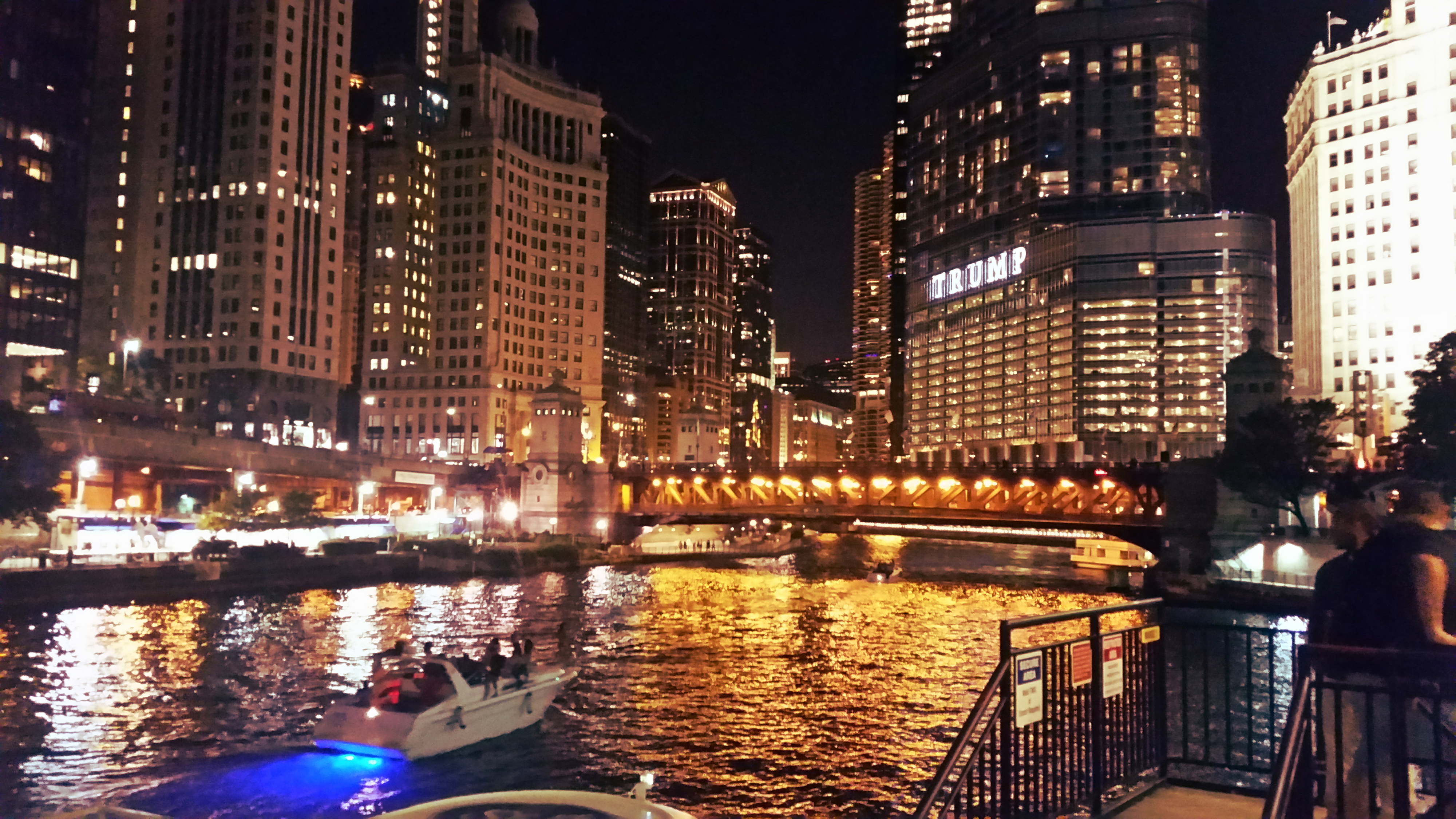
The Chicago River isn’t uniformly deep. Its depth varies significantly along its three main branches – the Main Stem, North Branch, and South Branch – and is influenced by a century of human intervention, designed to accommodate navigation, manage floodwaters, and even reverse its flow. Understanding this dynamic depth helps us appreciate the monumental engineering feats that have allowed Chicago to flourish as a global hub for travel, tourism, and innovation.
Unveiling the Depths: More Than Just a Number
The question of the Chicago River’s depth is a fascinating entry point into understanding its character. It’s not a natural river in the pristine sense, but rather a testament to human ingenuity, meticulously managed and maintained to serve the needs of a thriving metropolis.
The Average and the Extremes
Generally, the navigable portions of the Chicago River maintain an average depth of about 21 feet (6.4 meters). This depth is crucial for allowing various vessels, from sightseeing boats to industrial barges, to traverse its waters safely. However, this average masks significant variations. At its shallowest, particularly in some stretches of the North and South Branches, the depth can drop to as little as 3-5 feet (0.9-1.5 meters). These shallower areas are often less trafficked by larger boats and are more characteristic of its original, natural state before extensive dredging.
Conversely, the deepest parts of the Chicago River can plunge to nearly 40 feet (12 meters). These profound depths are typically found at the confluence of its branches, near critical bridge abutments, or in heavily dredged navigation channels. For example, areas near the DuSable Bridge (Michigan Avenue Bridge) and where the river meets the Chicago Sanitary and Ship Canal are meticulously maintained to accommodate heavier traffic and ensure smooth passage for commercial and recreational vessels alike. These deeper sections are vital for the continuous flow of goods and people, reflecting the river’s enduring role as a working waterway. The constant monitoring and maintenance, often overseen by organizations like the Army Corps of Engineers, ensure that the river remains a dependable artery for navigation and recreation.
Engineering Feats and Navigational Necessity
The depths of the Chicago River are not merely a result of natural erosion or sediment deposition; they are a direct consequence of one of the most ambitious and transformative civil engineering projects in American history: the reversal of the river. Originally, the Chicago River flowed into Lake Michigan, posing severe sanitation problems for the burgeoning city. In an audacious move at the turn of the 20th century, engineers reversed its flow, directing it away from the lake and towards the Mississippi River basin via a newly constructed system of canals and locks. This monumental project required extensive dredging, channelization, and the construction of numerous hydraulic structures, fundamentally altering the river’s profile and depth.
Today, the river’s depth is meticulously managed to support diverse activities. For commercial vessels, consistent depth is essential for freight transport, connecting Chicago to broader national and international waterways. For the booming tourism industry, a reliable depth ensures that the many sightseeing boats, architecture cruises, and water taxis can operate smoothly, offering unparalleled views of Chicago’s skyline. The precise control over the river’s water levels and depths also plays a critical role in flood control, protecting the city’s valuable infrastructure and preventing urban inundation. This delicate balance of depth management highlights the Chicago River’s dual identity as both a natural feature and a man-made marvel.
The Chicago River: A Ribbon of History and Innovation
Beyond its depths, the Chicago River tells a compelling story of urban development, architectural innovation, and environmental resurgence. It is a landmark in its own right, a central character in Chicago’s narrative.
A Legacy of Industrial Might and Urban Transformation
From its earliest days, the Chicago River was a lifeline for Indigenous peoples and early European settlers, serving as a vital transportation route. As Chicago rapidly grew in the 19th century, the river became an indispensable artery for commerce, facilitating the movement of lumber, grain, and other goods. Its strategic connection between the Great Lakes and the Mississippi River system propelled Chicago to become a major railway hub and an economic powerhouse in the United States.
The infamous reversal of the river’s flow was a transformative moment, showcasing Chicago’s bold vision and engineering prowess. It not only solved a dire public health crisis but also laid the groundwork for the city’s continued expansion. Figures like Daniel Burnham, whose “Plan of Chicago” envisioned a city with grand boulevards and open spaces, recognized the river’s potential as a focal point for urban beauty and recreation, a vision that is being fully realized today with the development of the Chicago Riverwalk. The river, once primarily a gritty industrial corridor, has been painstakingly rehabilitated into a vibrant urban amenity, a testament to the city’s commitment to sustainable development and enhancing the quality of urban life.
Architectural Wonders Along the Waterway
The banks of the Chicago River serve as a breathtaking canvas for some of the world’s most innovative and iconic architecture. Cruising down the river offers a unique, ground-up perspective on the city’s towering achievements in design and engineering. This unparalleled vantage point is why architectural boat tours are consistently ranked among Chicago’s top attractions, drawing millions of visitors each year.
As you glide along, you’ll witness a stunning array of architectural styles, from the Art Deco elegance of the Wrigley Building and the Tribune Tower to the mid-century modernism of Marina City with its distinctive “corn cob” towers. The imposing presence of the Merchandise Mart, once the world’s largest building, speaks to the city’s commercial might. Further downstream, the sleek glass facades of more contemporary skyscrapers like Trump International Hotel & Tower Chicago and LondonHouse Chicago reflect the sky and the water, creating a dazzling urban mosaic. Even the distant silhouette of the Willis Tower (formerly Sears Tower), a symbol of Chicago’s dominance in skyscraper design, seems to greet you from beyond the riverbanks. These buildings aren’t just structures; they are monuments to Chicago’s pioneering spirit in urban architecture, making a river tour an essential experience for anyone interested in the city’s unique architectural heritage.
Experiencing the Chicago River: A Visitor’s Guide

The Chicago River is not just for viewing; it’s an active playground and a tranquil escape, offering a myriad of experiences for every type of traveler.
Iconic Riverwalk: Urban Oasis and Cultural Hub
The Chicago Riverwalk has transformed the riverfront into a dynamic urban oasis. Stretching for 1.25 miles along the Main Stem of the river, this pedestrian promenade is a vibrant cultural and recreational hub. Divided into distinct “rooms” or sections – The Marina, The Cove, The River Theater, and The Water Plaza – it offers diverse experiences. Visitors can enjoy al fresco dining at charming riverside cafes, sip cocktails at upscale bars, or simply stroll and soak in the breathtaking views of the city’s architecture. Public art installations, lush landscaping, and opportunities for kayaking or even fishing add to its appeal.
The Chicago Riverwalk serves as a perfect starting point for exploration, connecting to other major attractions like Millennium Park, the Art Institute of Chicago, and the bustling shopping district of the Magnificent Mile. It’s a place where locals and tourists converge, demonstrating how thoughtful urban planning can revitalize neglected spaces into world-class destinations, epitomizing the best of urban tourism.
Cruising the Currents: Unforgettable Perspectives
Without a doubt, a boat tour on the Chicago River is the quintessential Chicago experience. Numerous companies offer a variety of cruises, but the architectural tours are particularly renowned. Expert guides provide engaging narratives about the city’s history, its innovative architects, and the stories behind the towering structures that line the riverbanks. From the historic DuSable Bridge to the modern marvels, each building tells a part of Chicago’s ambitious journey.
Beyond architecture, evening cruises offer a magical perspective as the city lights twinkle, creating a romantic ambiance. Special event cruises, often featuring live music and dining, provide unique entertainment experiences. For those seeking a more active adventure, kayaking and paddleboarding allow for an intimate, eye-level connection with the river and its surrounding cityscape. These river-based activities cater to diverse preferences, solidifying the Chicago River as a central pillar of Chicago’s travel and tourism offerings.
Seasonal Spectacles and Unique Traditions
The Chicago River is also the stage for some of Chicago’s most beloved traditions and seasonal events. Perhaps the most famous is the dyeing of the river green for St. Patrick’s Day. This annual spectacle draws crowds from all over the world, transforming the usually blue-green waters into a vibrant emerald hue, a tradition that perfectly captures Chicago’s festive spirit and unique charm.
Throughout the warmer months, the river hosts various festivals, regattas, and cultural performances. Fireworks displays, often launched from Navy Pier but beautifully visible from parts of the river, light up the night sky, creating memorable experiences for families and couples alike. The seasonal changes bring different charms: from vibrant spring blooms along the Riverwalk to the crisp air of autumn architectural tours. These events add layers to the river experience, making it a year-round destination for engaging local culture and unforgettable activities.
Staying by the River: Premier Accommodation and Lifestyle Choices
For travelers looking to fully immerse themselves in the vibrancy of Chicago, choosing accommodation near the Chicago River offers unparalleled access to attractions, dining, and breathtaking views.
Hotels with a View: Luxury and Convenience
Chicago boasts an impressive array of hotels that capitalize on the scenic beauty and prime location of the Chicago River. For those seeking luxury travel experiences, properties like The Langham Chicago and LondonHouse Chicago offer exquisite rooms, world-class amenities, and, most importantly, stunning panoramic views of the river and the city skyline. Imagine waking up to the sight of boats gliding by or enjoying a sunset cocktail on a rooftop bar overlooking the twinkling lights reflecting off the water.
Other notable hotels like the Trump International Hotel & Tower Chicago, with its prime riverfront location, or the Hyatt Regency Chicago, a sprawling complex offering diverse dining options and excellent connectivity, provide both luxury and convenience. Hotel Monaco Chicago and Kinzie Hotel also offer stylish stays within easy walking distance, often featuring unique design elements and personalized service. These establishments are more than just places to sleep; they are integral parts of the Chicago experience, offering guests a luxurious vantage point from which to enjoy the city’s energy. Whether it’s a suite with a private balcony overlooking the Riverwalk or a resort-style amenity that provides direct access to river activities, accommodation choices cater to discerning tastes.

Tailored Experiences for Every Traveler
The area around the Chicago River caters to a wide spectrum of travelers, from those on a budget travel adventure to families seeking engaging activities and business professionals on business stays. While luxury hotels abound, there are also plenty of mid-range and boutique hotels slightly removed from the immediate riverfront that offer excellent value without sacrificing accessibility. Many hostels and apartment rentals can also be found in nearby neighborhoods, providing affordable alternatives for longer stays or groups.
For family trips, the proximity to attractions like the Art Institute of Chicago, Millennium Park (home to the famous Cloud Gate, or “The Bean”), and Navy Pier (with its Ferris wheel and children’s museum) makes the river area an ideal base. Families can easily embark on boat tours, enjoy the open spaces of the Riverwalk, and access public transportation to explore further afield.
Business stays are also exceptionally well-served by the river’s central location. Its proximity to the financial district, major convention centers, and corporate offices makes it a strategic choice. Hotels often offer dedicated business amenities, meeting spaces, and easy access to executive dining and networking opportunities. The picturesque views from riverside accommodations can also provide a serene backdrop after a busy day of meetings. The versatility of accommodation options around the Chicago River ensures that every visitor can find a stay that perfectly complements their travel style and budget, making Chicago an accessible and appealing destination for all.
In conclusion, the depth of the Chicago River is much like Chicago itself: multifaceted, engineered, and continuously evolving. It’s a testament to human ambition, a stage for architectural brilliance, and a vibrant hub for tourism and local life. Whether you’re cruising its waters, strolling its Riverwalk, or simply admiring it from a luxurious hotel suite, the Chicago River offers a profound experience that truly captures the spirit of the Windy City.
LifeOutOfTheBox is a participant in the Amazon Services LLC Associates Program, an affiliate advertising program designed to provide a means for sites to earn advertising fees by advertising and linking to Amazon.com. Amazon, the Amazon logo, AmazonSupply, and the AmazonSupply logo are trademarks of Amazon.com, Inc. or its affiliates. As an Amazon Associate we earn affiliate commissions from qualifying purchases.