
Humboldt Park, nestled on Chicago’s vibrant West Side, is a neighborhood and an expansive urban park that often sparks curiosity, particularly regarding its safety. For travelers planning a visit to the Windy City or considering accommodation in this diverse area, understanding the local landscape is paramount. Like many historic urban neighborhoods across the United States, Humboldt Park has undergone significant transformations, evolving from its early days as a grand leisure destination for turn-of-the-century Chicagoans to a community grappling with socioeconomic challenges, and more recently, experiencing a resurgence of interest and investment. This article delves into the various facets of safety in Humboldt Park, offering insights into its current environment, travel tips, and what visitors can expect from this unique Chicago gem.

For those venturing beyond Chicago’s more well-known downtown and North Side attractions, Humboldt Park presents an authentic glimpse into the city’s rich cultural tapestry. The neighborhood is particularly renowned for its strong Puerto Rican heritage, visible in its vibrant murals, local businesses, and annual cultural celebrations like the Puerto Rican Day Parade. Understanding the balance between enjoying these cultural riches and maintaining personal safety is key to a rewarding visit. Our goal is to provide a comprehensive guide that addresses both the perceptions and realities of safety, helping you make informed decisions for your next Chicago adventure.
Understanding Safety in Urban Environments: A Broader Perspective
When evaluating the safety of any urban area, it’s crucial to move beyond outdated stereotypes and consider the dynamic nature of city life. Humboldt Park, much like other large urban parks such as New York City’s Central Park or San Francisco’s Golden Gate Park, experiences varying levels of activity and oversight. Historically, certain areas within Humboldt Park and its surrounding neighborhood faced higher crime rates compared to more affluent parts of Chicago. This reputation, while rooted in past realities, often overshadows significant improvements and community efforts that have transformed the area over recent decades.
Today, Humboldt Park is experiencing a wave of gentrification and revitalization, influenced by its proximity to rapidly developing neighborhoods like Logan Square and Wicker Park. This influx of new residents, businesses, and investments has brought about visible changes, including enhanced public services, increased commercial activity, and a greater police presence in certain corridors. However, this transformation is not uniform, and visitors should still exercise the same level of caution they would in any large city. General urban safety practices—such as being aware of your surroundings, avoiding dimly lit or deserted areas at night, and keeping valuables out of sight—are always advisable. The park itself is a popular destination, especially during daylight hours, drawing families, joggers, and nature enthusiasts. The areas immediately surrounding the main park grounds are generally considered safer due to higher foot traffic and visibility.
Demystifying Crime Statistics
It’s natural for travelers to consult crime statistics when assessing a destination. While specific crime rates for Humboldt Park neighborhood might appear higher than some of Chicago’s most exclusive areas, it’s important to interpret these figures with nuance. Much of the reported crime in urban environments is often concentrated in specific blocks or at particular times, and rarely targets tourists who are following basic safety guidelines. Violent crime, while a serious concern everywhere, is typically not random and often involves individuals known to each other. Petty crime, such as pickpocketing or theft from vehicles, is more common and can occur anywhere, including popular tourist spots like Millennium Park or Navy Pier.
The Chicago Police Department actively works with community organizations in Humboldt Park to address safety concerns, and local residents are deeply invested in their neighborhood’s well-being. Walking through the park during the day, attending events, or visiting the National Museum of Puerto Rican Arts and Culture are generally safe activities. As with any travel destination, especially one with a diverse socioeconomic makeup, staying informed through recent local news and exercising common sense are your best defenses.
Exploring Humboldt Park: Attractions and Activities
Beyond safety considerations, Humboldt Park offers a rich tapestry of experiences for travelers interested in local culture, history, and nature. The park itself, designed by the famed landscape architect Jens Jensen, spans over 200 acres and is a designated Chicago Landmark. It offers a peaceful retreat from the urban bustle, making it a worthy addition to your Chicago itinerary.
Main Attractions Within and Around the Park:
- The Humboldt Park Boathouse: A stunning Beaux-Arts structure that once offered boat rentals on the park’s lagoon. While its original function has changed over time, it remains an iconic architectural feature and a popular spot for photography.
- The National Museum of Puerto Rican Arts and Culture: Housed in the historic Humboldt Park Stables, this museum is a testament to the community’s vibrant Puerto Rican heritage. It offers exhibitions, educational programs, and events that celebrate Puerto Rican art and traditions.
- The Humboldt Park Beach: One of Chicago’s only inland beaches, offering a unique opportunity to relax by the water during warmer months without leaving the city. It’s particularly popular with families.
- Formal Gardens and Green Spaces: The park boasts beautiful formal gardens, including a historic rose garden and natural prairie landscapes, providing ample opportunities for leisurely strolls, picnics, and nature observation.
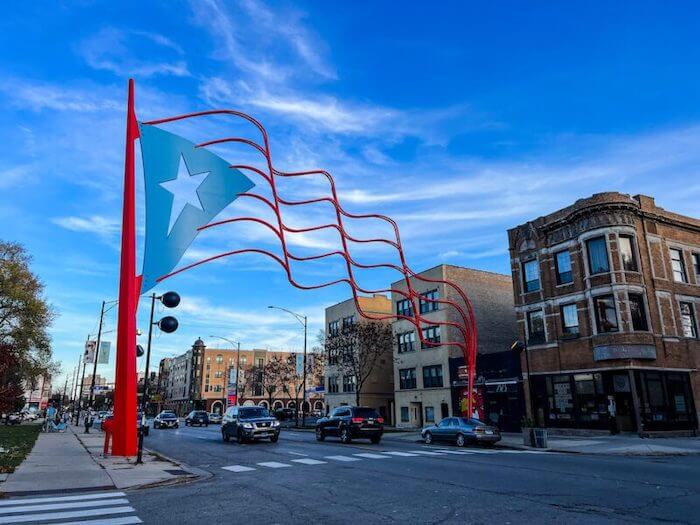
- The “Paseo Boricua” Cultural Strip: Just east of the park, along Division Street, this vibrant section is marked by two massive Puerto Rican flags spanning the street. It’s a hub of Puerto Rican restaurants, shops, and community organizations, offering an immersive cultural experience.
Visiting these attractions during daylight hours and sticking to well-trafficked areas will ensure a pleasant and safe experience. The energy of the community and the beauty of the park itself make it a compelling destination for those looking to explore a different side of Chicago.
Practical Safety Tips for Visitors
To ensure a safe and enjoyable visit to Humboldt Park and its surrounding areas, here are some practical tips tailored for travelers:
During the Day:
- Be Aware of Your Surroundings: This is the most crucial tip for any urban environment. Avoid distractions like constantly looking at your phone.
- Stick to Well-Trafficked Areas: The main pathways of the park, around the Boathouse, Museum, and Beach, are generally busy and safe.
- Secure Valuables: Keep wallets, phones, and cameras out of plain sight. Use cross-body bags or internal pockets.
- Travel in Groups: If possible, explore the park with a companion or group.
- Utilize Public Transportation Wisely: The Chicago Transit Authority (CTA) operates buses that service the Humboldt Park area. Plan your route in advance using reliable apps and be mindful of your belongings on crowded buses.
After Dark:
- Avoid the Park After Sunset: Like many large urban parks, Humboldt Park is generally not recommended for visits after dark, especially for tourists unfamiliar with the area. Lighting can be inconsistent in some areas, and foot traffic significantly decreases.
- Use Ride-Sharing Services or Taxis: If you’re out in the surrounding neighborhoods for dinner or an event, opt for services like Uber or Lyft or a reputable taxi service for door-to-door transportation, rather than walking long distances.
- Stay in Well-Lit, Populated Areas: If you find yourself in the neighborhood at night, stick to main commercial streets with active businesses and good lighting.
General Travel Safety Advice:
- Trust Your Instincts: If a situation or area feels unsafe, remove yourself from it.
- Emergency Services: Know how to contact local emergency services (dial 911 in the United States).
- Stay Informed: Check local news for any specific safety advisories during your visit.
By following these simple guidelines, travelers can minimize risks and enjoy all that Humboldt Park has to offer.
Accommodation and Lifestyle: Is Humboldt Park the Right Fit for Your Stay?
When considering Humboldt Park for accommodation, it’s important to weigh its unique character against your travel style and preferences. The neighborhood offers a different lodging experience compared to the bustling downtown or the upscale Gold Coast.
Hotels and Alternative Stays:
While traditional large-scale hotels are not abundant directly within Humboldt Park, the surrounding areas, particularly Logan Square and Wicker Park, offer a growing number of boutique hotels and stylish apartments. Options like The Robey Chicago, a JdV by Hyatt Hotel or Hyatt Place Chicago / Wicker Park provide modern amenities and convenient access to the Blue Line, which can connect you to Humboldt Park via a short bus ride or ride-share. For those seeking a more local immersion, vacation rentals through platforms like Airbnb are available, offering apartments and villas that provide a taste of neighborhood life. When booking such accommodation, always prioritize properties with good reviews, clear communication from hosts, and consider locations that are well-lit and close to public transit or main streets.
Lifestyle Considerations:
- Budget Travel vs. Luxury: Humboldt Park and its immediate vicinity can offer more budget-friendly accommodation options compared to downtown. However, the emerging boutique hotels in nearby gentrifying areas can cater to those seeking a more upscale, albeit still locally-flavored, experience.
- Family Trips: During the day, the park itself is very family-friendly, with playgrounds, green spaces, and the Humboldt Park Beach. If planning a family trip, consider accommodation in adjacent, slightly more established neighborhoods like parts of Logan Square or Ukranian Village for easier access and a wider array of dining options.
- Cultural Immersion: For travelers keen on cultural tourism and experiencing Chicago beyond the typical tourist traps, Humboldt Park offers a profound dive into the city’s Puerto Rican and Latino communities. The authentic local food, music, and art scene provide a vibrant backdrop for an enriching visit.
- Accessibility and Transportation: While Humboldt Park doesn’t have a direct CTA ‘L’ train station, it is well-served by several bus routes. The nearest ‘L’ stations are typically along the Blue Line (at Division, Chicago, or Western avenues) or the Green Line (at California or Kedzie), requiring a transfer to a bus or a ride-share. This connectivity is important to consider for daily commuting to other Chicago attractions.
- Business Stays: For business travelers, Humboldt Park might not be the most conventional choice due to its distance from the Loop. However, if your business is conducted on the West Side or you prefer a unique, quieter base after work, it could be an intriguing option, especially with modern accommodation in nearby gentrifying areas.
Ultimately, whether Humboldt Park is “safe” enough for your stay depends on your comfort level with urban environments and your willingness to adhere to basic safety precautions. For adventurous travelers seeking a genuine Chicago experience and rich cultural immersion, the rewards often outweigh the perceived risks.

Conclusion: A Balanced Perspective on Humboldt Park’s Safety
“Is Humboldt Park Chicago safe?” The answer, like with many vibrant urban areas, is nuanced. It is not an inherently dangerous place, especially during the day, and for visitors who practice common-sense urban safety. The neighborhood and its namesake park offer a wealth of cultural, historical, and recreational opportunities that are often overlooked by mainstream tourism guides. Its Puerto Rican heritage, beautiful green spaces, and unique landmarks make it a compelling destination for those seeking an authentic Chicago experience.
While Humboldt Park has historically faced challenges and some areas still require vigilance, significant community efforts and ongoing development have contributed to its increasing vitality and safety. Travelers who stay aware of their surroundings, particularly after dark, utilize reliable transportation, and stick to well-populated areas will find their visits to be largely trouble-free. Choosing accommodation in well-reviewed properties, whether directly in Humboldt Park or in its rapidly developing neighboring districts, further enhances peace of mind.
For those eager to explore the true diversity of Chicago, Humboldt Park presents an opportunity to connect with a thriving community, witness remarkable public art, and enjoy expansive green spaces. By approaching your visit with respect for local customs and an informed perspective on urban safety, your Humboldt Park experience can be both enriching and secure. Plan your travel wisely, embrace the local culture, and discover another captivating facet of this incredible city.
LifeOutOfTheBox is a participant in the Amazon Services LLC Associates Program, an affiliate advertising program designed to provide a means for sites to earn advertising fees by advertising and linking to Amazon.com. Amazon, the Amazon logo, AmazonSupply, and the AmazonSupply logo are trademarks of Amazon.com, Inc. or its affiliates. As an Amazon Associate we earn affiliate commissions from qualifying purchases.