
Embarking on a journey to the diverse and dynamic state of New York promises an unforgettable experience, whether you’re drawn to the iconic cityscape, the serene beauty of its natural wonders, or the charming allure of its historic towns. From the vibrant streets of New York City to the majestic peaks of the Adirondacks and the picturesque vineyards of the Finger Lakes region, New York offers a kaleidoscope of destinations waiting to be explored. While many travelers opt for public transportation in the bustling metropolis, a New York road trip is often the best way to uncover the state’s hidden gems and sprawling landscapes.

However, a key consideration for any travel budget, especially for those planning to drive, is the cost of fuel. Understanding “How Much Is The Gas In New York?” is crucial for seamless trip planning and ensuring your adventure remains enjoyable and within budget. Gas prices can be a significant variable in your travel expenses, influencing everything from the total cost of your trip to your choice of destinations and activities. This comprehensive guide will delve into the intricacies of gas prices across New York State, explore the factors that influence them, and provide practical tips for managing fuel costs to optimize your travel experience.
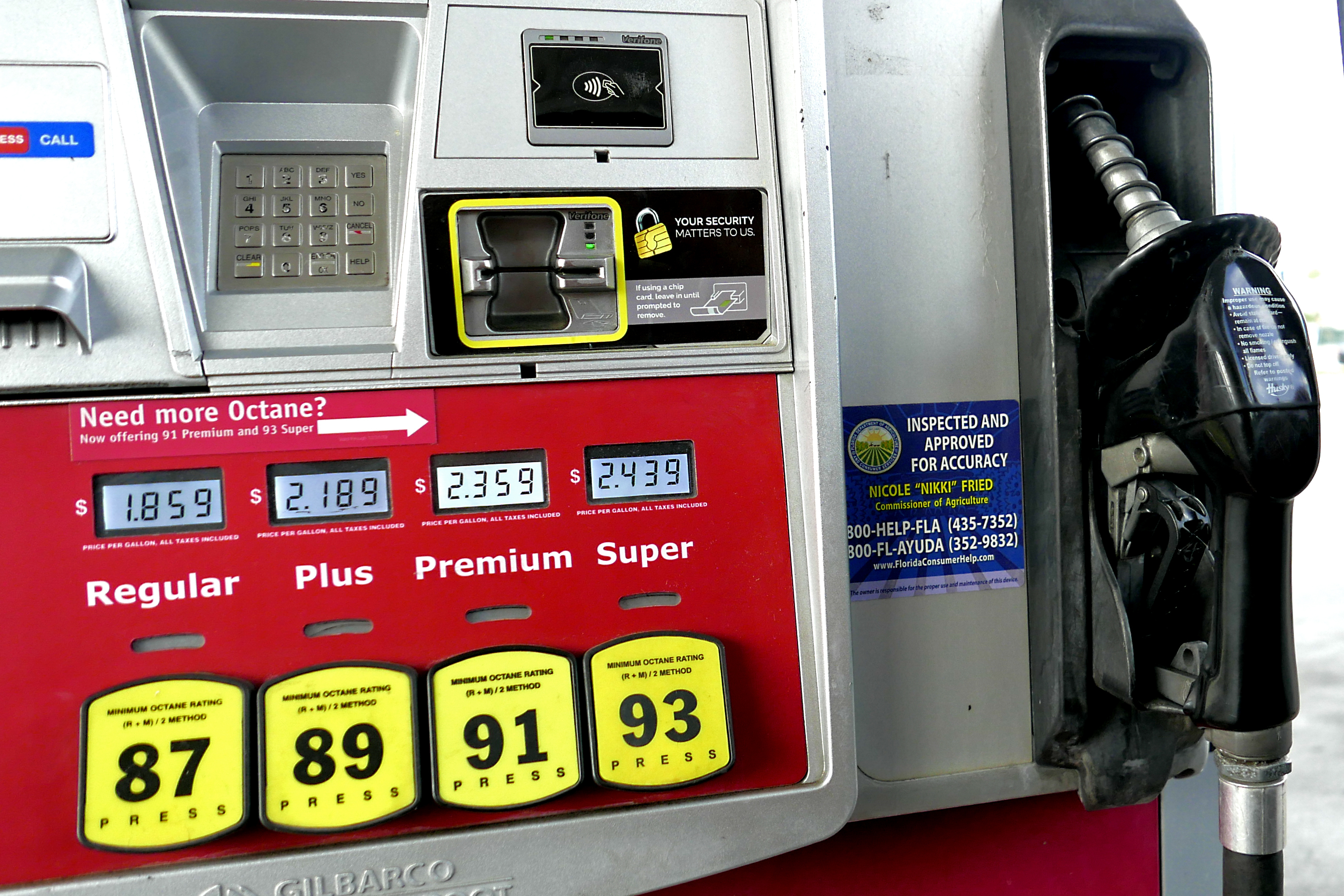
As of early 2024, gas prices in New York typically fluctuate, generally ranging from $3.50 to $4.50 per gallon for regular unleaded, depending on the specific location and current market dynamics. This range can see spikes or dips based on global oil prices, seasonal demand, and local taxes, making it essential for travelers to stay informed.
Understanding Gas Prices Across New York State
The cost of gasoline in New York is not uniform; it varies significantly depending on where you are in the state. Factors such as population density, local competition, and regional tax structures all play a role in determining pump prices.
New York City vs. Upstate Regions
Unsurprisingly, gas prices in New York City and its immediate surroundings tend to be among the highest in the state, and often the nation. This is primarily due to several factors: the high cost of real estate for gas stations, limited space, stringent environmental regulations, and a generally higher cost of living. Areas like Manhattan and Brooklyn can see prices soar well above the state average, sometimes by as much as $0.50 to $1.00 per gallon more than in rural areas. While driving in Manhattan is often impractical due to traffic and parking costs, many visitors still drive into the outer boroughs or use rental cars to explore neighborhoods further afield.
As you venture away from the metropolitan area and into upstate New York, prices generally become more palatable. Cities like Albany, Buffalo, Rochester, and Syracuse typically offer more competitive gas prices. Even lower prices can often be found in the less populated regions, such as the Catskills or the vast expanses of the Adirondacks, though gas stations might be fewer and farther between in these remote areas. Long Island, while part of the broader metropolitan area, often falls somewhere in the middle, with prices generally higher than upstate but slightly lower than the core of New York City. Understanding these regional differences is the first step in budgeting for your fuel costs.
Factors Influencing New York Gas Prices
Several overarching factors contribute to the fluctuation and generally elevated cost of gasoline in New York:
- State and Federal Taxes: New York imposes some of the highest state fuel taxes in the country. These taxes, combined with federal taxes, add a significant chunk to the per-gallon price you see at the pump. This revenue often contributes to infrastructure maintenance, which is essential for smooth travel across the state.
- Crude Oil Prices: The price of crude oil on the global market is the single largest factor influencing gasoline prices. Geopolitical events, supply and demand dynamics, and the decisions of major oil-producing nations can all send ripples through the market, affecting what you pay at the pump in New York.
- Refinery Capacity and Distribution Costs: The Northeast region has specific fuel formulations for environmental reasons, and its refinery capacity can sometimes be limited. The cost of transporting refined gasoline from refineries to stations across the state, especially to remote areas or congested cities, also adds to the final price.
- Seasonal Demand: Gas prices tend to climb during peak travel seasons, particularly in summer and around major holidays. More people hitting the road for vacations and road trips increases demand, which often translates to higher prices. Conversely, prices might dip slightly during the colder months when travel is less frequent.
- Local Competition: The level of competition among gas stations in a given area can impact prices. In areas with many stations close together, competition might drive prices down. In more isolated areas with fewer options, stations might have less incentive to offer lower prices.
- Brand Differences: While often marginal, there can be slight price differences between major brand stations (e.g., Shell, Exxon, Mobil) and independent stations or discount retailers. Premium fuels, designed for certain vehicle types, will always carry a higher price tag.
Navigating Fuel Costs for Your New York Trip
Armed with an understanding of gas price variations and influences, you can now strategize to manage these costs effectively during your New York adventure. Smart planning and mindful driving habits can make a substantial difference in your overall travel budget.
Planning Your Route and Budget
Before you even hit the road, meticulous planning can lead to significant savings. When mapping out your New York road trip itinerary, estimate your total mileage and factor in the anticipated gas costs early in your budget planning. This falls under the realm of Lifestyle: Budget Travel, ensuring you allocate sufficient funds without surprises.
- Vehicle Choice: If you’re renting a car, consider opting for a model known for its fuel efficiency, especially if you plan extensive driving. A hybrid or a smaller compact car can offer substantial savings over an SUV or a less economical vehicle.
- Utilize Gas Price Apps: Technology is your friend here. Download popular gas price comparison apps like GasBuddy or Waze. These apps provide real-time information on gas prices at stations near your current location or along your planned route, allowing you to identify the cheapest options and fill up strategically. A few minutes of checking can save you dollars per tank.
- Strategic Fill-Ups: As mentioned, prices are generally lower upstate than in New York City. If you’re driving into or out of the city, plan to fill up your tank before entering the most expensive areas or immediately after leaving them.
Tips for Saving on Gas While Exploring New York

Once on the road, your driving habits and attention to your vehicle’s condition can further reduce your fuel consumption and costs.
- Drive Smart: Aggressive driving — rapid acceleration, sudden braking, and excessive speeding — significantly increases fuel consumption. Adopt a smooth, consistent driving style. Maintaining steady speeds, especially on highways, can improve your fuel economy by 15-30%. Using cruise control when appropriate is a great way to achieve this.
- Vehicle Maintenance: Ensure your vehicle is well-maintained. Properly inflated tires can improve gas mileage by up to 3%. Regular oil changes, air filter replacements, and engine tune-ups also contribute to optimal fuel efficiency. A car in good shape runs more economically.
- Travel Light: Every extra pound in your car requires more fuel to move. Remove unnecessary items from your trunk or back seats. If you have a roof rack, consider removing it when not in use, as it can create aerodynamic drag and reduce fuel efficiency.
- Loyalty Programs and Discounts: Many gas station chains offer loyalty programs that provide per-gallon discounts. If you frequent a particular brand, sign up for their program. Some credit cards also offer cash back or rewards points on gas purchases, which can indirectly lower your costs.
- Combine Errands: Plan your daily outings to combine multiple stops into one efficient route. This minimizes extra driving and reduces overall fuel usage.
- Consider Alternatives in Urban Centers: In highly urbanized areas like New York City, the cost of gas often pales in comparison to the cost and hassle of parking. Factor in alternatives to driving in these areas.
Beyond the Pump: Alternative Transportation in New York
While driving offers unparalleled flexibility, especially for exploring the wider state, it’s worth remembering that New York boasts an impressive array of alternative transportation options. Integrating these into your itinerary can not only save you money on gas and parking but also enhance your travel experience, allowing you to soak in the local culture and landscapes without the stress of navigating traffic.
Public Transit in New York City and Beyond
New York City’s public transportation system is world-renowned and exceptionally efficient, making it the preferred mode of travel for both residents and visitors.
- MTA (Subways and Buses): The Metropolitan Transportation Authority (MTA) operates an extensive network of subways and buses covering all five boroughs. A MetroCard allows seamless transfers and affordable travel. For instance, exploring iconic attractions like Times Square, Central Park, or the city’s myriad museums is best done by subway, saving you from traffic jams, parking fees, and fuel expenses.
- Commuter Rail: For travel to and from the suburbs, the Metro-North Railroad serves areas north of the city up to Albany, while the Long Island Rail Road (LIRR) connects New York City with Long Island. These are excellent options for day trips or staying in more affordable accommodations outside the immediate city center.
- Intercity Buses: Companies like Greyhound and Trailways offer extensive routes connecting New York City with various cities and towns throughout New York State and beyond. This can be a cost-effective way to travel longer distances without a car.
- Amtrak: For comfortable long-distance travel within the state (e.g., from New York City to Buffalo or Albany), Amtrak provides a scenic and relaxing alternative to driving.
- Ridesharing Services: Services like Uber and Lyft are readily available in urban and many suburban areas, offering convenient on-demand transportation, especially useful for short distances or when public transit isn’t feasible.
Exploring New York on Foot or Bike
For the adventurous traveler focused on immersive experiences, exploring New York by foot or bicycle can be incredibly rewarding.
- Walkability: Many of New York City’s most famous neighborhoods and attractions are incredibly walkable. Strolling through Central Park, exploring the galleries of Chelsea, or wandering the streets of Greenwich Village allows for discovery at a leisurely pace.
- Bike Rentals: New York City offers extensive bike-sharing programs like Citi Bike, which provides access to thousands of bicycles across the city. This is an excellent way to cover more ground than walking while still enjoying the outdoors. In upstate areas, many towns and state parks offer bike rental services, perfect for exploring scenic trails.
- Hiking and Nature Trails: Upstate New York is a paradise for hikers and cyclists, boasting countless trails from easy strolls to challenging treks. Exploring these natural landmarks on foot is not only free of fuel costs but also offers an intimate connection with New York’s stunning natural beauty.
Integrating Gas Costs into Your Overall New York Travel Budget
While gas prices are an important consideration, it’s vital to view them within the larger context of your overall travel budget. A memorable trip to New York involves various expenses, and intelligently balancing these can lead to a more fulfilling experience.
The Bigger Picture of New York Travel Expenses
When budgeting for your New York getaway, remember to account for:
- Accommodation: This often constitutes the largest portion of a travel budget. New York offers a spectrum of choices, from luxury hotels and boutique suites in Manhattan to charming bed and breakfasts upstate or budget-friendly hostels. Consider booking well in advance, especially during peak season, and explore options like vacation rentals for longer stays.
- Food: From Michelin-starred restaurants to street food vendors and local diners, New York’s culinary scene is vast. Budget for a mix of dining experiences, perhaps enjoying a few splurge meals and balancing them with more economical options or preparing some of your own meals if your accommodation allows.
- Attractions and Activities: Entrance fees for museums, tickets to Broadway shows, guided tours, or passes for specific landmarks can add up. Prioritize what you want to see and do, and look for discount passes or free activities where available.
- Shopping: Whether you’re hunting for designer brands, unique local crafts, or souvenirs, shopping can be a significant expense.
- Overall Transportation: Beyond gas, factor in flights, train tickets, rental car fees (if applicable), and public transit passes.
Making Smart Choices for an Unforgettable Trip
The key to a successful and budget-friendly New York trip lies in making informed choices that align with your travel style and financial plan.
- Balance Driving vs. Public Transport: For a trip centered around New York City, minimize driving and rely heavily on public transport. If you’re exploring the wider state, embrace the road trip experience but be mindful of the fuel-saving tips discussed earlier.
- Accommodation Location: Your choice of accommodation can impact your daily transportation costs. Staying in Brooklyn or Queens might offer more affordable hotel options than Manhattan and still provide excellent subway access, reducing the need for driving or expensive rideshares.
- Prioritize Experiences: Don’t let the concern about gas prices overshadow the incredible experiences New York has to offer. By being strategic with your fuel usage and exploring alternative transport, you can free up funds for truly unforgettable moments, whether it’s a gourmet meal, a Broadway show, or a scenic boat tour.
In conclusion, understanding “How Much Is The Gas In New York?” is a valuable component of planning your travels to this remarkable state. While gas prices can fluctuate and be higher in certain regions, particularly New York City, they are a manageable expense with thoughtful planning and smart choices. By staying informed about current prices, adopting fuel-efficient driving habits, and leveraging New York’s excellent public transportation networks, you can navigate your journey smoothly and focus on creating lasting memories. New York’s diverse landscapes and vibrant cities await, offering a world of adventure for every traveler.
LifeOutOfTheBox is a participant in the Amazon Services LLC Associates Program, an affiliate advertising program designed to provide a means for sites to earn advertising fees by advertising and linking to Amazon.com. Amazon, the Amazon logo, AmazonSupply, and the AmazonSupply logo are trademarks of Amazon.com, Inc. or its affiliates. As an Amazon Associate we earn affiliate commissions from qualifying purchases.