
The question of when cannabis was legalized in California isn’t just about a date on a calendar; it’s a narrative woven into the fabric of the state’s progressive spirit, its economic landscape, and its burgeoning tourism industry. For travelers, residents, and businesses alike, understanding this timeline is crucial to appreciating the Golden State’s unique position in the global conversation around cannabis. What began as a bold move for medical access transformed into a comprehensive framework for adult recreational use, creating new opportunities in travel, lifestyle, and commerce that continue to evolve. This journey has not only reshaped California’s legal framework but has also significantly influenced how visitors experience its vibrant culture and diverse attractions.
A Landmark Shift: California’s Path to Cannabis Legalization
California has historically been at the forefront of social and legal reform within the US. Its approach to cannabis legalization is a testament to this pioneering spirit, unfolding in two significant legislative milestones that paved the way for the industry as we know it today. These moments not only marked legal shifts but also reflected a deeper change in public perception and policy priorities, setting a precedent that many other states would eventually follow.
The Dawn of Medical Marijuana: Proposition 215
The first major turning point arrived in 1996 with the passage of Proposition 215, also known as the Compassionate Use Act. This groundbreaking initiative made California the first state in the nation to legalize cannabis for medical purposes. The Compassionate Use Act allowed seriously ill patients, with a physician’s recommendation, to possess and cultivate marijuana for their personal medical use.
At the time, this was a revolutionary step, challenging decades of federal prohibition and laying the groundwork for a regulated medical cannabis industry. Proposition 215 was a direct response to the suffering of patients dealing with conditions like cancer, AIDS, and chronic pain, who found relief in cannabis where conventional treatments fell short. Its passage created a new paradigm, signaling a shift from viewing cannabis purely as an illicit drug to recognizing its potential therapeutic value. For many, it represented a victory for patient rights and an acknowledgment of the evolving scientific understanding of the plant. This initial move not only provided relief to countless individuals but also fostered the nascent stages of a legal cannabis supply chain, including medical dispensaries and cultivation sites, which would eventually expand and transform with subsequent legislative changes.
The Pivotal Moment: Proposition 64 and Adult-Use Legalization
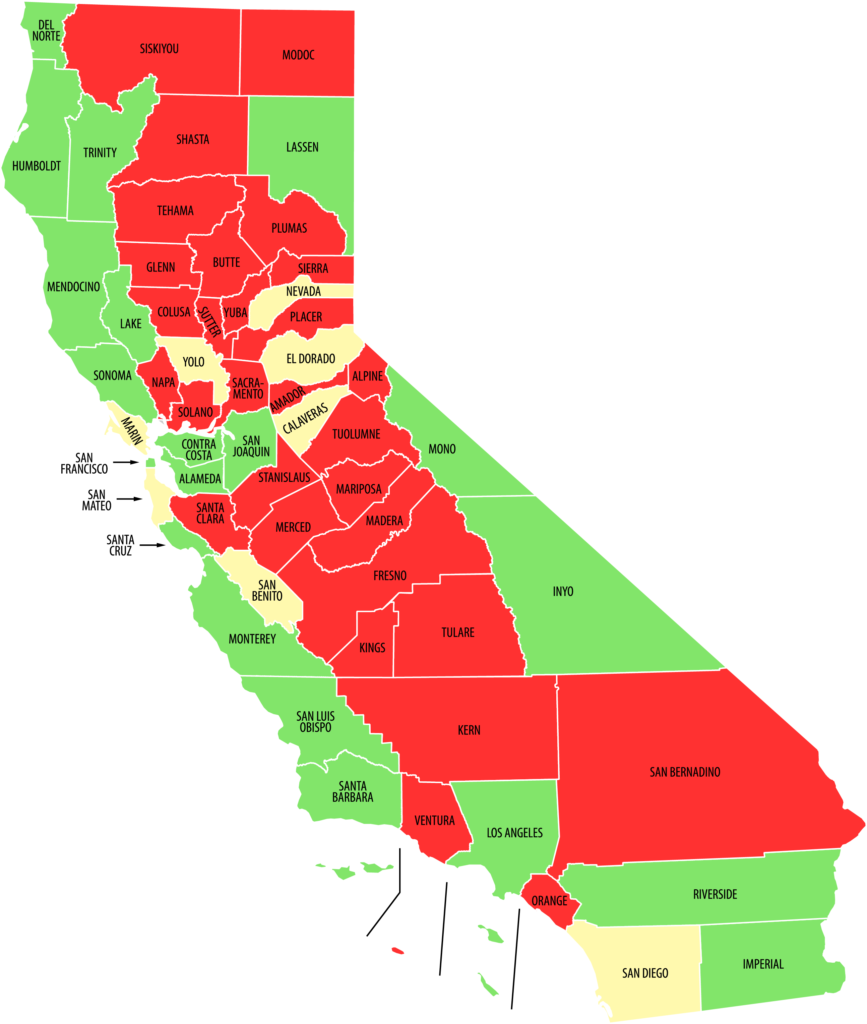
Two decades later, the momentum for broader reform culminated in the passage of Proposition 64, the Adult Use of Marijuana Act. This pivotal initiative was approved by voters on November 8, 2016, marking the date when recreational cannabis officially became legal for adults aged 21 and over in California. While the vote in 2016 legalized possession and cultivation, the state embarked on the complex task of establishing a robust regulatory framework for commercial sales. This meticulous process involved licensing cultivators, manufacturers, distributors, testing labs, and retailers, ensuring product safety and market integrity.
The commercial sale of recreational cannabis officially commenced on January 1, 2018. This date ushered in a new era, transitioning from a solely medical market to one that encompassed adult recreational use, complete with licensed dispensaries across the state. The implementation of Proposition 64 was not merely about allowing adults to purchase cannabis; it was a comprehensive effort to regulate the entire supply chain, from seed to sale, with a strong emphasis on public health, safety, and generating significant tax revenue for the state. For travelers, this meant a dramatic change in how they could experience California, opening doors to a novel form of tourism and lifestyle integration that was previously unimaginable. It solidified California’s status as a global leader in cannabis policy, influencing discussions and reforms far beyond its borders.
Beyond the Dates: The Historical Tapestry of Cannabis in California
Understanding the exact dates of legalization in California provides the factual framework, but to truly grasp the significance of these milestones, it’s essential to delve into the deeper historical and societal currents that propelled these changes. California’s journey with cannabis is not an isolated event but rather a microcosm of a larger national and global debate, characterized by shifts in public opinion, scientific understanding, and political will.
A Legacy of Prohibition: From Federal Bans to State Advocacy
The history of cannabis in the US is largely defined by decades of prohibition. Beginning in the early 20th century, a wave of anti-cannabis sentiment, often fueled by xenophobia and misinformation, led to widespread bans. Landmark federal legislation, such as the Marihuana Tax Act of 1937, effectively criminalized cannabis nationwide by imposing prohibitive taxes on its sale. Later, the Controlled Substances Act of 1970 classified cannabis as a Schedule I drug, placing it alongside heroin and LSD, implying no accepted medical use and a high potential for abuse—a classification that persists at the federal level to this day, creating ongoing tension with state laws.
Despite federal prohibition, California emerged as a pioneer in challenging the status quo. Its counter-culture movements in the 1960s and 70s, coupled with a strong tradition of direct democracy through ballot initiatives, created fertile ground for reform. Advocacy groups and medical professionals increasingly highlighted the plant’s therapeutic benefits and the social injustices of its criminalization. This enduring spirit of challenging norms and advocating for individual liberties was crucial in positioning California as the undeniable leader in the state-level legalization movement. It wasn’t just about changing a law; it was about reversing a deeply ingrained social stigma and rectifying historical wrongs, particularly those disproportionately affecting minority communities through drug enforcement policies.

Driving Forces: The Social and Economic Catalysts
The push for cannabis legalization in California was driven by a powerful confluence of social and economic factors. Socially, there was a growing recognition of the failures of the “War on Drugs,” which had led to mass incarceration, particularly among minority populations, without effectively curbing drug use. Proponents argued that legalization would allow law enforcement to focus on more serious crimes, reduce gang activity, and provide a legal, regulated alternative to the illicit market. Concerns about public health and safety were also central, with advocates believing that a regulated market would ensure product quality and safety, something impossible under prohibition.
Economically, the potential for significant tax revenue was a powerful incentive. States grappling with budget challenges saw cannabis as a new, substantial income stream that could fund public services like education, infrastructure, and drug treatment programs. Furthermore, legalization promised job creation across various sectors—from cultivation and processing to retail and tourism. The prospect of an entirely new, legitimate industry with thousands of jobs and billions in economic activity presented an undeniable appeal. These dual forces—the moral imperative for criminal justice reform and the pragmatic benefits of economic development—created an unstoppable momentum that ultimately led to the comprehensive legalization framework now in place in the Golden State.
Navigating the Golden State: Cannabis for Travelers and Locals
With the legalization of recreational cannabis, California has opened up new avenues for tourism and lifestyle experiences. For both seasoned travelers and curious locals, understanding the nuances of this new landscape is key to responsible and enjoyable engagement. The state has quickly adapted, creating a unique “cannabis tourism” niche that blends traditional travel with novel cannabis-centric activities, offering a distinct lifestyle component to visitors.
Experiencing Cannabis Tourism: A New Frontier
The advent of legal recreational cannabis has transformed California into a premier destination for “cannabis tourism” or “weed tourism.” This emerging sector offers a diverse array of experiences that go far beyond simply purchasing products. Visitors can explore state-of-the-art Dispensaries, which often resemble high-end boutiques or wellness centers, offering a wide selection of cannabis flower, edibles, concentrates, and topicals, accompanied by knowledgeable staff.
Beyond retail, the industry is innovating with unique attractions designed to enhance the travel experience. Cannabis lounges are beginning to emerge in various cities, providing designated, legal spaces where adults can consume cannabis in a social setting, similar to a bar or café. Some tours now include visits to cultivation facilities, offering insights into the farming and processing of cannabis, akin to vineyard tours in wine country. Infused dining experiences are also gaining popularity, with chefs creating gourmet meals incorporating cannabis, providing a sophisticated culinary adventure. From cannabis-friendly accommodations to wellness retreats integrating CBD and THC products, the Golden State offers a dynamic and evolving landscape for those interested in exploring the plant’s cultural and experiential dimensions. This represents a significant shift in lifestyle and travel, allowing visitors to engage with cannabis as part of a broader, curated experience.
Essential Regulations for Responsible Enjoyment
While California’s cannabis laws are among the most progressive in the US, it’s crucial for both residents and tourists to understand and adhere to the regulations to ensure a safe and legal experience. These rules are designed to balance individual liberties with public safety and order.
- Age Limit: The most fundamental rule is that you must be 21 years or older to purchase, possess, or consume recreational cannabis. A valid government-issued ID is required for all purchases at licensed dispensaries.
- Possession Limits: Adults 21 and over are legally permitted to possess up to 1 ounce (28.5 grams) of dried cannabis flower or up to 8 grams of concentrated cannabis (e.g., vapes, edibles, tinctures).
- Cultivation: Individuals can legally cultivate up to 6 cannabis plants per household for personal use, whether indoors or outdoors, as long as they are not visible to the public.
- Public Consumption: This is a critical point for travelers. Consuming cannabis in public places—including sidewalks, parks, beaches, and even vehicles (whether parked or in motion)—is illegal. Consumption is generally restricted to private residences or state-licensed consumption lounges, where available.
- Driving Under the Influence (DUI): Operating a vehicle under the influence of cannabis is strictly illegal and carries penalties similar to those for alcohol DUIs. It’s essential to arrange for a designated driver or use rideshare services if you plan to consume cannabis.
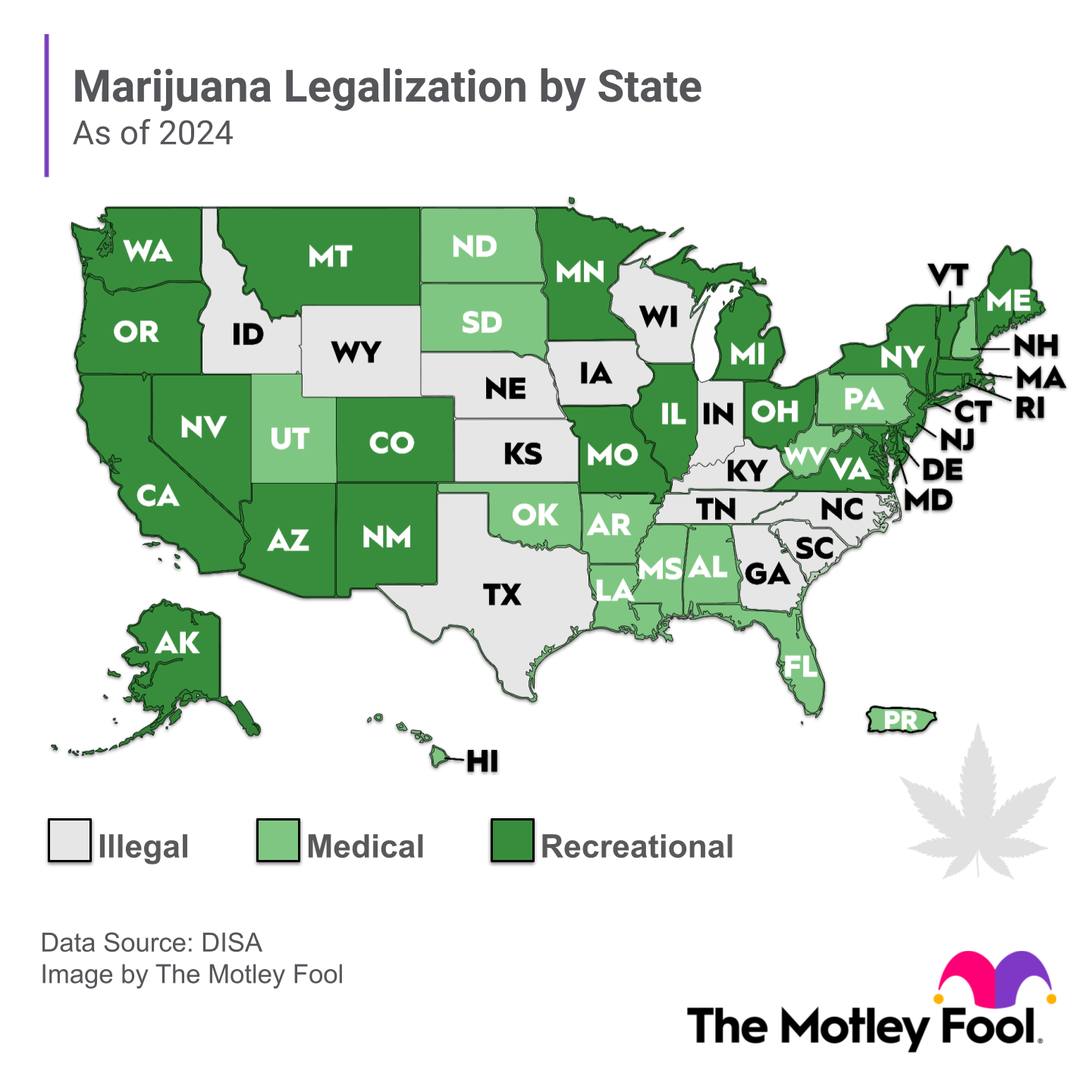
- Crossing Borders: Despite California’s state laws, cannabis remains federally illegal. This means it is illegal to transport cannabis across state lines or international borders, even if you are traveling to another state where cannabis is legal. Attempting to do so can result in severe federal penalties.
- Accommodation Policies: If you are staying in a hotel, resort, or rental property, it’s vital to check their specific cannabis policies. Many hotels, even in California, prohibit cannabis smoking on their premises, often due to fire safety concerns or to maintain a smoke-free environment for other guests. Respecting these private property rules is essential for a hassle-free stay.
Adhering to these regulations ensures a positive and lawful experience for all, allowing the cannabis industry to thrive responsibly within the broader tourism and lifestyle sectors of the Golden State.
The Broader Impact and Future Horizons
The legalization of cannabis in California is more than a legal reform; it’s a dynamic societal experiment with far-reaching implications across economic, social, and cultural landscapes. Its impact continues to be analyzed and understood, shaping not only the state’s future but also influencing national and global conversations on drug policy and responsible consumption.
Economic and Societal Transformations
Since the implementation of Proposition 64, California’s legal cannabis market has become a significant economic engine. The state has generated billions of dollars in tax revenue, which is earmarked for various public services, including youth programs, environmental protection, and public safety initiatives. This revenue stream provides a substantial boost to the state’s budget, demonstrating the economic viability of a regulated cannabis market.
Beyond taxes, the industry has fueled considerable job creation. Thousands of new positions have emerged in cultivation, manufacturing, distribution, retail, security, and ancillary services like marketing, legal, and financial support. This has provided stable employment opportunities across diverse skill sets, contributing to local economies and fostering career growth in a nascent industry.
Societally, legalization has had profound effects. It has led to a reduction in cannabis-related arrests and convictions, contributing to criminal justice reform and allowing individuals to move forward from past offenses. Public health initiatives have focused on responsible consumption, educating the public on safe practices and potential risks, similar to alcohol education. While challenges remain, particularly in competing with the illicit market and ensuring equitable access, the overall trend points towards a more controlled, transparent, and economically beneficial approach to cannabis. The integration of cannabis into mainstream society reflects a significant cultural shift, moving away from stigma towards acceptance and regulated enjoyment as part of a modern lifestyle.
What Lies Ahead: Evolving Trends in California’s Cannabis Landscape
The journey of cannabis legalization in California is far from over; it is a continually evolving landscape marked by innovation, policy adjustments, and growing integration into everyday life and the tourism sector. Several key trends are expected to shape its future:
One of the most anticipated developments is the potential for federal legalization in the US. If cannabis were to be descheduled or legalized at the federal level, it would dramatically simplify interstate commerce, allow cannabis businesses access to traditional banking services, and remove the lingering legal complexities that state-legal industries currently face. This would undoubtedly unlock even greater economic potential and normalize cannabis as a consumer product nationwide.
Another significant trend is the expansion of cannabis consumption lounges. While these licensed spaces are slowly emerging, their widespread availability would revolutionize cannabis tourism and local social life. Imagine a future where social consumption lounges are as common as bars, offering safe and legal environments for adults to enjoy cannabis products, perhaps even paired with live entertainment, food, or other recreational activities. This would greatly enhance the lifestyle offerings for both residents and visitors seeking unique experiences beyond private homes.
The integration of cannabis into health and wellness is also gaining traction. Beyond medical applications, products infused with CBD, THC, and other cannabinoids are increasingly being incorporated into spas, wellness retreats, and personal care routines. As scientific understanding expands, personalized cannabis-based wellness solutions are likely to become more sophisticated and widely available, merging with California’s already strong wellness tourism sector.
Finally, a growing emphasis on sustainability in cultivation is becoming paramount. As the industry matures, there’s an increasing demand for environmentally friendly practices, including organic farming, water conservation, and renewable energy sources. This focus on ethical and sustainable production aligns with California’s broader environmental goals and will likely become a key differentiator for premium cannabis brands and a draw for eco-conscious travelers.
In essence, California’s path to cannabis legalization has not only redefined its legal standing but has also carved out new dimensions for travel, lifestyle, and economic prosperity, setting a progressive example for the world to observe and perhaps, to follow.
LifeOutOfTheBox is a participant in the Amazon Services LLC Associates Program, an affiliate advertising program designed to provide a means for sites to earn advertising fees by advertising and linking to Amazon.com. Amazon, the Amazon logo, AmazonSupply, and the AmazonSupply logo are trademarks of Amazon.com, Inc. or its affiliates. As an Amazon Associate we earn affiliate commissions from qualifying purchases.