
Chicago, a jewel of the Midwest and a beacon of culture and commerce in the United States, beckons millions of travelers each year. From the architectural marvels of the Loop to the vibrant nightlife of River North and the culinary delights of the West Loop, the Windy City offers an unparalleled experience. As you plan your itinerary, whether it’s a luxurious escape or a meticulously budgeted adventure, understanding the local economic landscape can significantly enhance your trip. One often-overlooked yet incredibly impactful aspect for travelers, particularly those focusing on budget, local culture, and the true cost of experiences, is the city’s minimum wage.
While it might seem like a topic more suited for economics journals than travel guides, Chicago’s minimum wage directly influences everything from the price of your morning coffee and a deep-dish pizza to the cost of your hotel stay and the overall quality of service you receive. It shapes the livelihoods of the hospitality professionals who make your visit seamless and memorable, and it underpins the vibrant local businesses that give Chicago its unique character. For the savvy traveler, understanding these dynamics isn’t just about saving a few dollars; it’s about appreciating the city’s intricate social fabric and making informed choices that support a thriving local economy.
This comprehensive guide will delve into Chicago’s minimum wage, exploring its current figures, historical context, and – most importantly – its tangible impact on tourism, accommodation, and the overall lifestyle experience for visitors. Whether you’re considering a short visit, a long-term stay, or even contemplating moving to this dynamic metropolis, grasping the nuances of its minimum wage policy is an essential piece of the puzzle for any truly informed traveler.
Understanding Chicago’s Minimum Wage Landscape
Chicago stands out in the United States for its proactive approach to minimum wage legislation, often setting its standards higher than both federal and state mandates. This commitment to a living wage for its workers has significant implications across various sectors, especially those vital to tourism.
The Current Figures and Recent Changes
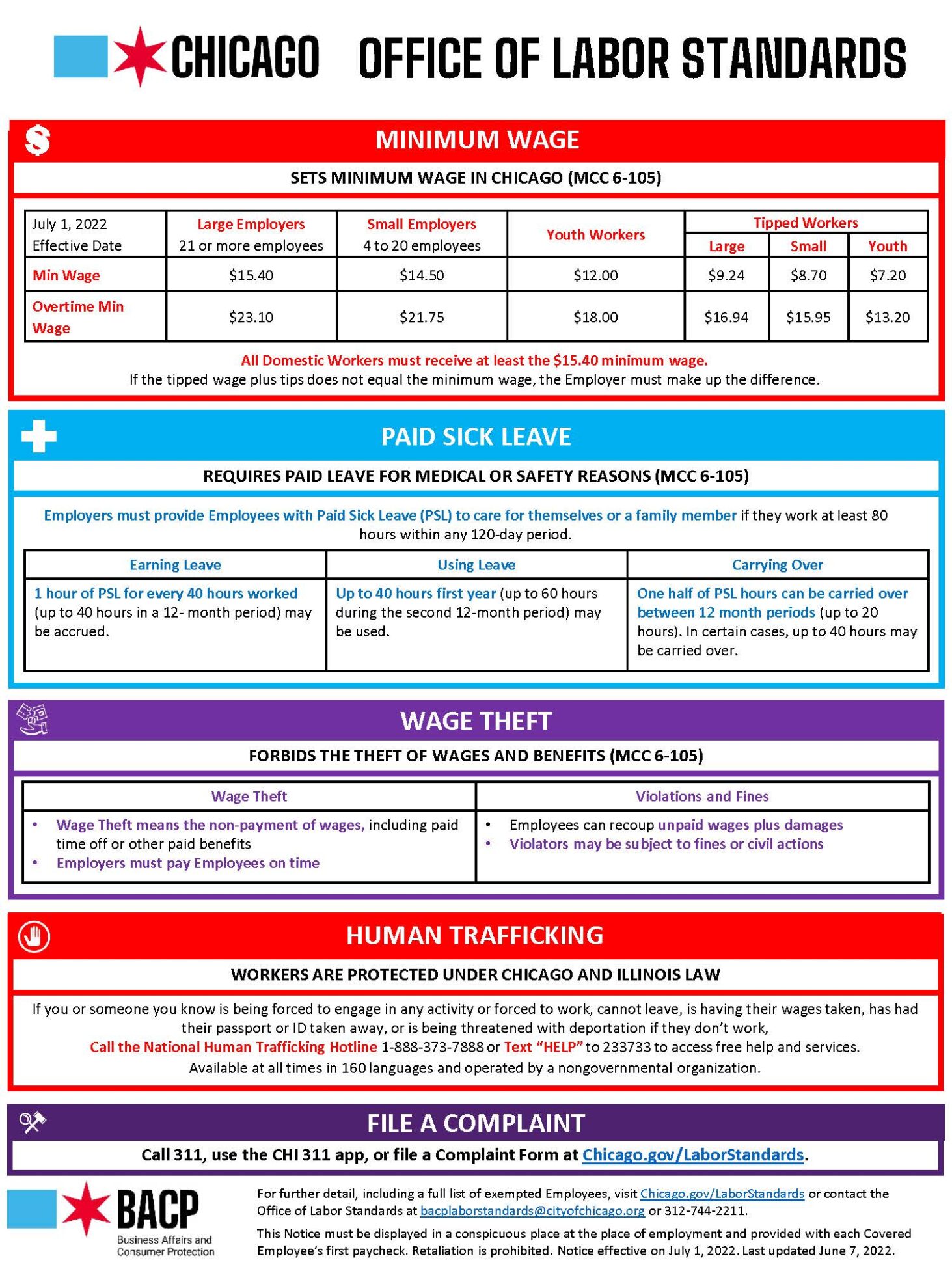
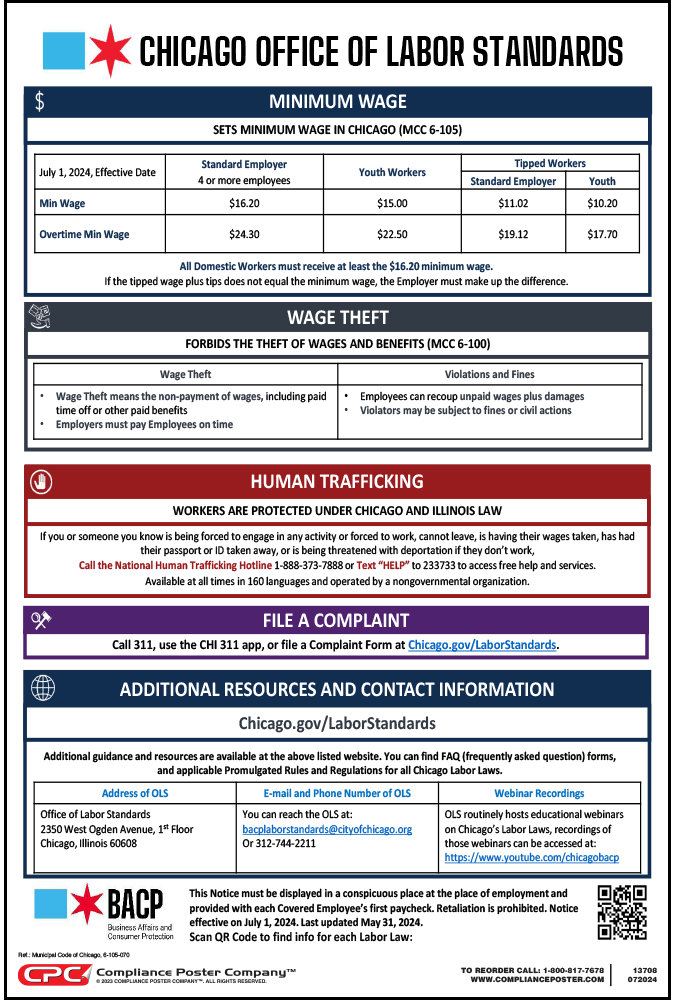
As of July 1, 2024, Chicago’s minimum wage is set at $16.20 per hour for non-tipped workers employed by large businesses (those with 21 or more employees). For small businesses (4-20 employees), the minimum wage is $15.60 per hour. This tiered system aims to balance the economic realities of businesses of different sizes while ensuring workers receive a fair wage. It’s crucial to note that this is notably higher than the state-wide minimum wage for Illinois, which stands at $14.00 per hour as of January 1, 2024, and significantly above the federal minimum wage of $7.25 per hour.
The city also has specific regulations for tipped employees, such as those working in restaurants and bars. Historically, tipped workers had a much lower minimum wage, with the expectation that tips would bring their total earnings up to or beyond the standard minimum. However, Chicago is on a path to eliminate the subminimum wage for tipped workers by 2028. Starting July 1, 2024, the minimum wage for tipped workers increased to $10.20 per hour for large employers and $9.60 per hour for small employers. This represents a significant step towards wage equity, with employers still obligated to ensure that tips bring the worker’s total hourly earnings up to the city’s standard minimum wage.
These figures are not static. Chicago’s minimum wage ordinance includes an annual adjustment, typically taking effect on July 1st of each year. These adjustments are usually tied to the Consumer Price Index (CPI), or a set percentage, whichever is lower, ensuring that wages keep pace with the cost of living and inflation. This predictability allows businesses and employees to plan, and for travelers, it signals a consistent, upward trend in operational costs for local establishments.
Historical Context and Future Projections
Chicago has been at the forefront of the “Fight for $15” movement, gradually increasing its minimum wage over several years. This progressive approach reflects a broader philosophical commitment to reducing income inequality and boosting the economic stability of its residents. The journey to the current rates involved incremental increases, allowing businesses time to adapt to rising labor costs.
Looking ahead, the trajectory suggests continued commitment to maintaining a competitive minimum wage, potentially even moving towards a “living wage” benchmark that goes beyond the current figures. The elimination of the subminimum wage for tipped workers is a significant policy shift that will continue to reshape the economics of the restaurant and service industries over the next few years. For travelers, this means a likely continuation of the trends we’ll discuss – a generally higher cost of services and goods, but also a potentially higher quality of service due to better-compensated staff and a more stable local economy. Staying informed about these annual adjustments is wise, especially for those planning future visits or considering extended stays in Chicago.
The Ripple Effect on Your Chicago Travel Budget
The minimum wage isn’t just a number on a payslip; it’s a foundational element that reverberates throughout the local economy, directly influencing the prices and experiences available to travelers. For visitors, understanding this impact is key to smart budgeting and appreciating the value behind the city’s offerings.
Dining and Entertainment Costs
Chicago is a world-renowned culinary destination, boasting everything from Michelin-starred restaurants to iconic deep-dish pizzerias and vibrant street food scenes. A higher minimum wage for non-tipped and increasingly for tipped employees directly translates into increased labor costs for restaurants, bars, cafes, and entertainment venues. Businesses often absorb some of these costs through increased efficiency or reduced profit margins, but a portion is inevitably passed on to the consumer through menu prices.
This means that while a casual meal or a craft cocktail might be slightly more expensive in Chicago compared to cities with lower minimum wages, you are contributing to a system where service staff, cooks, and other essential workers are earning a more livable wage. For diners, this can lead to:
- Higher Menu Prices: Expect main courses, appetizers, and beverages to be priced to reflect the cost of labor.
- Reduced Tipping Pressure (for some): As the tipped minimum wage increases, some establishments might adjust their service charge policies or move towards service-inclusive pricing. However, traditional tipping is still very much the norm, and generous tips are always appreciated for exceptional service.
- Enhanced Service Quality: While not guaranteed, fairly compensated staff often exhibit higher morale, lower turnover rates, and a greater commitment to providing excellent service. This can lead to a more pleasant dining or entertainment experience for visitors.
Similarly, entertainment venues – from jazz clubs in Lincoln Park to theaters in the Loop – also face higher labor costs for ticket takers, ushers, cleaners, and security personnel. This might influence ticket prices for shows, concerts, and attractions like the Art Institute of Chicago, the Shedd Aquarium, or the Field Museum. When planning your activities, factor in these potentially higher costs and consider purchasing passes like the Chicago CityPASS or booking attractions in advance to secure better rates.
Shopping and Local Businesses
The allure of Chicago extends beyond its iconic landmarks; its shopping districts, from the luxury boutiques of the Magnificent Mile to the eclectic shops in neighborhoods like Wicker Park, offer unique retail therapy. Here too, the minimum wage plays a role. Retail employees, from sales associates to stockroom staff, benefit from the city’s higher wage standards.
For shoppers, this means:
- Slightly Higher Retail Prices: Small local businesses, in particular, may adjust prices on goods, souvenirs, and specialty items to account for increased payroll. Larger chains may have more flexibility to absorb costs.
- Quality and Expertise: Well-paid retail staff are more likely to be knowledgeable, engaged, and provide superior customer service, enhancing the shopping experience. This is particularly noticeable in high-end stores or specialized boutiques where personalized assistance is valued.
- Supporting Local Economy: Every purchase in Chicago‘s shops contributes to a cycle where local workers are fairly compensated, bolstering the city’s overall economic health and vibrancy. This is an important consideration for travelers who wish to engage ethically with the destinations they visit.
Understanding these dynamics allows travelers to make more conscious choices. While a higher minimum wage might slightly increase the cost of certain goods and services, it also often contributes to a more stable, equitable, and generally pleasant experience, with higher quality service across the board.
Accommodation and the Hospitality Sector
When considering travel, accommodation is typically one of the most significant expenses. Chicago’s minimum wage policies have a profound and direct influence on the operational costs of hotels, resorts, and various accommodation providers, subsequently impacting booking prices and the quality of your stay.
Hotel Pricing and Service Quality
The hospitality industry is incredibly labor-intensive, relying on a vast workforce including front desk staff, housekeepers, concierges, bellhops, maintenance crew, and many others. A higher minimum wage directly increases the payroll expenses for these establishments. Consequently, these increased costs are typically factored into room rates.
For travelers, this translates to:
- Potentially Higher Room Rates: While numerous factors influence hotel pricing (location, season, demand, brand, amenities), Chicago’s higher minimum wage contributes to a baseline cost that can be higher than in cities with lower labor costs. This applies across the spectrum, from budget-friendly hostels to luxury resorts.
- Value for Money: Despite potentially higher sticker prices, there’s an argument for better value. Hotels that pay competitive wages tend to attract and retain experienced, motivated staff. This often results in a higher standard of cleanliness, more attentive service, and a more pleasant overall guest experience. Imagine checking into a beautifully maintained room or receiving genuinely helpful advice from a concierge – these are often the direct benefits of a well-compensated workforce.
- Diverse Accommodation Options: Chicago offers a wide array of accommodation, from upscale hotels near Millennium Park to serviced apartments and boutique hotels in trendy neighborhoods. While the minimum wage impacts all of them, the varying business models mean you can still find options to fit different budgets. Budget-conscious travelers might explore hostels, guesthouses, or look for deals outside peak season, while understanding that even these options factor in labor costs.
Long-term stay options, such as extended-stay hotels or furnished apartments, also fall under this umbrella. For digital nomads or business travelers considering an extended stay, factoring in these labor costs when comparing monthly rates is crucial for accurate budgeting.
The Local Workforce
Beyond the tangible impact on prices, understanding the minimum wage offers a glimpse into the lives of the people who make your travel experience possible. The hotel and tourism industry employs a significant portion of Chicago’s workforce, many of whom are minimum wage earners.
- Economic Stability: A higher minimum wage provides greater economic stability for these individuals, allowing them to better afford housing, food, transportation, and other necessities in a major metropolitan area. This, in turn, can reduce poverty and boost local spending, contributing to a more robust local economy that benefits everyone, including local businesses and attractions frequented by tourists.
- Community and Culture: When you interact with hotel staff, restaurant servers, or attraction guides, you’re engaging with members of the local community. Knowing that they are compensated fairly can enrich your appreciation of Chicago’s local culture and its commitment to social equity. It fosters a sense of shared well-being that can permeate the interactions you have during your trip.
- Sustainable Tourism: For travelers interested in sustainable and responsible tourism, supporting businesses that adhere to fair wage practices aligns with ethical travel principles. Choosing hotels or dining establishments that value their employees’ contributions, even if it means a slightly higher cost, can be a conscious decision to support a more equitable and sustainable tourism ecosystem within Chicago.
Ultimately, the minimum wage in Chicago creates a backdrop against which the city’s renowned hospitality thrives. It’s a testament to the city’s values and directly influences the quality of service and the overall experience you can expect as a visitor.
Navigating Chicago as a Savvy Traveler
Armed with an understanding of Chicago’s minimum wage and its economic implications, you can now approach your travel planning with greater insight. Being a savvy traveler isn’t just about finding the cheapest deals; it’s about maximizing value, making informed choices, and engaging meaningfully with the destination.
Budget-Friendly Strategies
While Chicago’s higher minimum wage might suggest a generally higher cost of living and thus, higher travel expenses, there are still numerous ways to enjoy the city without breaking the bank. Smart planning can help you experience the best of Chicago while respecting its economic realities.
- Dining Smart:
- Lunch Deals: Many high-end restaurants offer more affordable lunch menus.
- Happy Hour: Take advantage of happy hour specials for drinks and appetizers.
- Street Food and Markets: Explore local markets or food trucks for delicious and budget-friendly options. Chicago’s diverse neighborhoods offer countless hidden gems.
- Picnics: Grab ingredients from a local grocery store and enjoy a picnic in Millennium Park or along the lakefront.
- Accommodation Alternatives:
- Off-Peak Travel: Visit during the shoulder seasons (spring or fall) or winter for potentially lower hotel rates.
- Consider Neighborhoods Outside the Immediate Downtown: Areas slightly outside the central Loop or Magnificent Mile, like Lincoln Park or Wicker Park, might offer more affordable boutique hotels or guesthouses, often with excellent public transport links.
- Vacation Rentals: Platforms offering short-term apartment rentals can sometimes be more cost-effective for longer stays or groups, especially if you plan to cook some of your meals.
- Transportation:
- Public Transit (CTA): Chicago’s L train and bus system are efficient and affordable. Purchase a Ventra Card for easy travel.
- Walking: Many of Chicago’s key attractions, especially in the downtown core, are within walking distance of each other. Strolling the streets is also an excellent way to soak in the architecture and vibrant atmosphere.
- Free and Low-Cost Attractions:
- Parks and Public Art: Explore Millennium Park (home to Cloud Gate, or “The Bean”), Lincoln Park Zoo (free admission), and the extensive lakefront trails.
- Museum Free Days: Check if any museums, like the Art Institute of Chicago or the Field Museum, offer free admission days for Illinois residents or special promotions.
- Window Shopping: Enjoy the spectacle of the Magnificent Mile or the unique boutiques without the pressure to buy.
- Architectural Boat Tours: While not free, these offer exceptional value for money, providing a comprehensive overview of Chicago’s famed skyline.
Supporting Local and Sustainable Tourism
Being aware of Chicago’s minimum wage also empowers you to be a more conscious and responsible tourist. Your choices can directly support the city’s efforts towards a more equitable economy.
- Patronize Local Businesses: Seek out independent restaurants, cafes, shops, and tour operators. These businesses often have a deeper connection to the local community and are more likely to reinvest profits locally, supporting the very workers who make your trip enjoyable.
- Recognize the Value of Service: When you receive excellent service, understand that it’s often the product of a well-trained and fairly compensated workforce. Acknowledging this can shift your perspective from simply seeking the lowest price to appreciating the overall value and ethical underpinnings of your experience.
- Engage with Local Culture: By understanding the economic fabric of Chicago, you gain a deeper appreciation for its people and their daily lives. This nuanced understanding transforms your trip from a mere consumption of attractions into a richer, more immersive cultural experience. Visiting neighborhoods beyond the typical tourist hotspots allows you to see the true impact of these policies on the local populace and economy.
In conclusion, knowing what Chicago’s minimum wage is and how it functions provides a valuable lens through which to view your travel experience. It’s not merely a financial detail but a key component of the city’s identity, influencing everything from the cost of your stay to the quality of service and the vibrancy of its local communities. By embracing this knowledge, you can navigate Chicago more effectively, budget wisely, and contribute to a more sustainable and appreciative form of tourism. Enjoy the stunning architecture, the world-class museums, the iconic food, and the spirited people of Chicago with a newfound understanding that will enrich every moment of your journey.
LifeOutOfTheBox is a participant in the Amazon Services LLC Associates Program, an affiliate advertising program designed to provide a means for sites to earn advertising fees by advertising and linking to Amazon.com. Amazon, the Amazon logo, AmazonSupply, and the AmazonSupply logo are trademarks of Amazon.com, Inc. or its affiliates. As an Amazon Associate we earn affiliate commissions from qualifying purchases.