
Embarking on a journey from the sun-drenched shores of California to the captivating land of Japan is an adventure that promises a rich tapestry of experiences, from ancient traditions to cutting-edge technology. While the destination itself is the ultimate reward, understanding the practicalities of the journey – particularly the flight duration – is crucial for seamless travel planning. This guide delves into the various factors that influence the length of your trans-Pacific flight, offers tips for a comfortable journey, and provides a glimpse into what awaits you upon arrival in this mesmerizing East Asian nation.
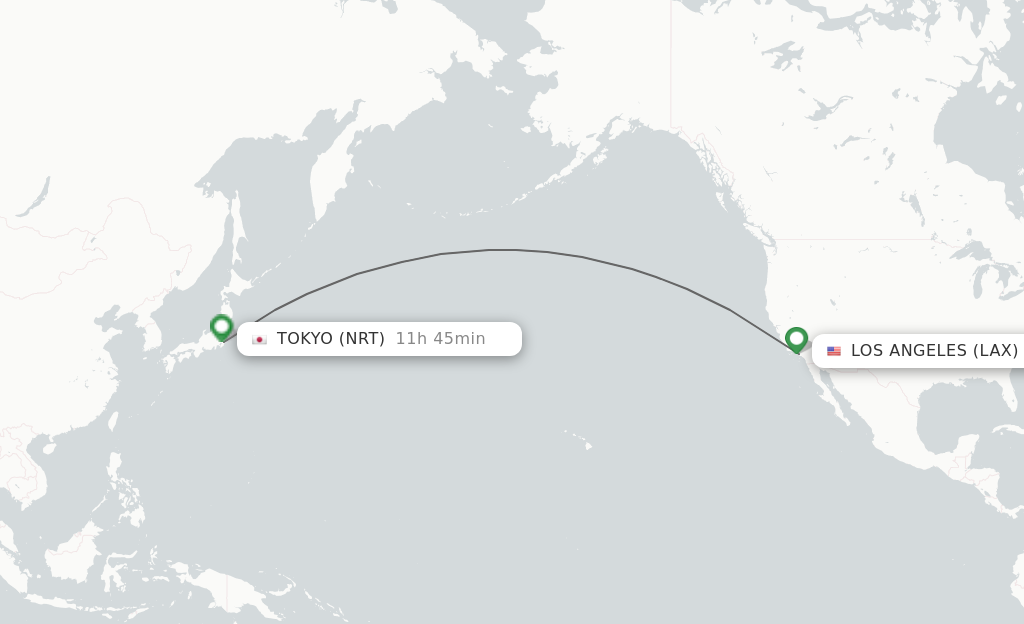
Understanding the Trans-Pacific Journey: Factors Influencing Flight Duration
The vast expanse of the Pacific Ocean separates California from Japan, making this a significant long-haul flight. The duration can vary considerably based on whether you opt for a direct route or a connecting flight, as well as several other environmental and logistical factors.
Direct Flights: The Fastest Route Across the Pacific
For travelers prioritizing speed and convenience, direct flights offer the most straightforward path from California to Japan. These non-stop journeys typically connect major metropolitan areas in California with the primary international airports in Japan, predominantly serving the Tokyo region.
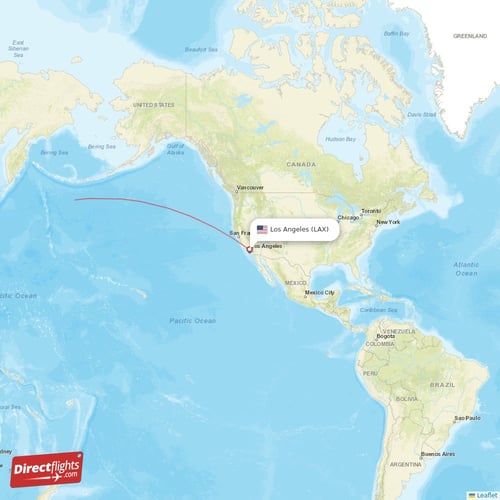
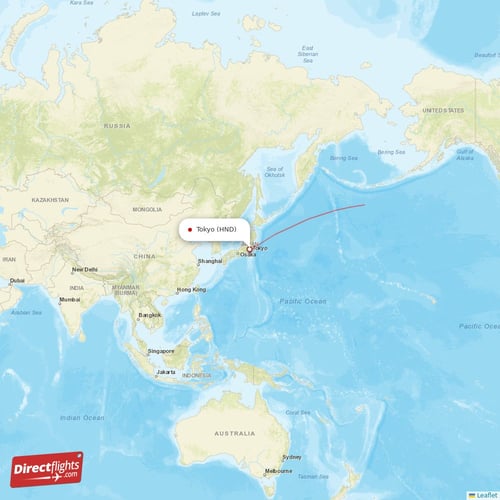
- From Los Angeles (LAX) to Tokyo (Narita/Haneda): Direct flights from Los Angeles International Airport (LAX) to either Narita International Airport (NRT) or Tokyo International Airport (Haneda Airport – HND) generally range from 10 to 11.5 hours. Haneda Airport often offers slightly shorter flight times due to its closer proximity to the city center and optimized flight paths.
- From San Francisco (SFO) to Tokyo (Narita/Haneda): Similarly, direct flights departing from San Francisco International Airport (SFO) typically fall within the 9.5 to 11-hour bracket. San Francisco can sometimes offer marginally shorter flights than Los Angeles due to its more northerly latitude, which can align more favorably with optimal jet stream routes.
- From San Diego (SAN) to Tokyo (Narita/Haneda): While less common for direct routes, some airlines do offer non-stop service from San Diego International Airport (SAN), with flight times generally similar to those from Los Angeles, averaging around 10.5 to 12 hours.
- To Osaka (KIX): Direct flights from California to Kansai International Airport (KIX) in Osaka are also available, often taking around 10.5 to 12 hours from LAX or SFO.
It’s important to note that westbound flights (from California to Japan) are generally shorter than eastbound flights (from Japan to California). This phenomenon is primarily due to the prevailing jet stream, a fast-flowing, narrow air current found in the atmospheres of certain planets, including Earth. When traveling westward, aircraft fly against the jet stream, which can slightly increase flight duration, though pilots expertly navigate these currents. Eastbound flights, however, benefit from the tailwind effect of the jet stream, often shaving an hour or more off the journey.
Connecting Flights: Exploring Longer Travel Times
While direct flights are ideal, connecting flights are a common and often more affordable option, especially for travelers departing from smaller California airports or those seeking specific airline preferences. The duration of connecting flights can vary widely based on the layover time and the efficiency of the connection.
- Total Travel Time: A connecting flight from California to Japan can range anywhere from 13 to 20+ hours, including the layover.
- Common Hubs: Layovers often occur in other major California hubs (like LAX or SFO if you start from a smaller airport), or sometimes in other international gateways like Vancouver, Canada, or even within Asia (though less common for this specific route).
- Impact of Layovers: A short, efficient layover of 1-2 hours might only add a minimal amount to your total travel time. However, longer layovers, whether intentional for sightseeing or due to scheduling, can significantly extend the journey. When booking, consider the trade-off between cost savings and the additional time spent in transit.
Beyond the Clock: Variables Affecting Your Flight Time
Several other variables, often unseen by the passenger, play a role in the precise duration of your flight:
- Aircraft Type: Modern, fuel-efficient aircraft like the Boeing 787 Dreamliner or the Airbus A350 are designed for long-haul routes and can sometimes achieve slightly faster cruising speeds or more direct routing.
- Air Traffic Control (ATC): Busy air corridors and airport congestion can lead to minor delays, adding a few minutes to the flight time, particularly during takeoff and landing.
- Weather Conditions: While extreme weather can cause significant delays or reroutes, even typical atmospheric conditions, such as headwinds or tailwinds, influence the actual flight duration. As mentioned, the jet stream is a major factor.
- Airline Efficiency: Each airline has its own operational protocols, which can subtly impact departure and arrival punctuality.
Navigating the Skies: Key Airports and Airlines
Understanding which airports serve these routes and which airlines operate them is fundamental to planning your journey.
Major Departure Hubs in California
California boasts several world-class international airports, providing ample options for flights to Japan.
- Los Angeles International Airport (LAX): As one of the busiest airports in the world, LAX offers the most frequent and diverse range of direct flights to Japan, serving as a major gateway for the entire Southwestern United States.
- San Francisco International Airport (SFO): A primary hub for Northern California and the Pacific Northwest, SFO is another excellent option with numerous direct flights to Tokyo and Osaka.
- San Diego International Airport (SAN): Though smaller than LAX and SFO, SAN provides direct service to Japan, catering to travelers in the San Diego area.
- Other Airports: While less common for direct international flights to Japan, airports like Oakland International Airport (OAK) and San Jose International Airport (SJC) may offer connecting flights through LAX or SFO.
Primary Arrival Gateways in Japan
Japan’s sophisticated airport infrastructure ensures a smooth arrival and onward travel experience.
- Narita International Airport (NRT): Historically Tokyo’s main international gateway, Narita is located further outside the city center but is exceptionally well-connected by express trains like the Narita Express and various Limousine Bus services.
- Tokyo International Airport (Haneda Airport – HND): Much closer to Tokyo’s city center, Haneda has increasingly become a preferred international airport, offering quicker access to urban attractions and business districts. Many airlines now operate direct flights from California to Haneda.
- Kansai International Airport (KIX): Serving the Kansai region, which includes major cities like Osaka, Kyoto, and Nara, KIX is an excellent choice for travelers whose itinerary focuses on central or western Japan.
Leading Airlines on the California-Japan Route
Several reputable airlines offer direct and connecting services between California and Japan, each providing a unique travel experience.
- Japan Airlines (JAL): A premier Japanese carrier known for its exceptional service, comfort, and extensive network within Japan.
- All Nippon Airways (ANA): Another top-tier Japanese airline, frequently lauded for its cabin cleanliness, dining options, and on-time performance.
- United Airlines: A major U.S. carrier with a strong presence at SFO and LAX, offering numerous direct flights.
- Delta Air Lines: Another prominent U.S. airline providing direct connections from California hubs.
- American Airlines: Offers direct flights, primarily from LAX.
- Other Airlines: While not always direct, carriers like Singapore Airlines, Korean Air, and Cathay Pacific offer connecting flights, often through their respective hubs in Seoul, Singapore, or Hong Kong, which can be good options for combining a stopover experience.
When choosing an airline, consider not just the flight duration but also factors like baggage allowance, in-flight amenities, loyalty programs, and overall customer service, all of which contribute to the quality of your long-haul journey.
Mastering the Long-Haul Experience: Tips for a Comfortable Journey
A flight spanning 10 to 12 hours can be daunting, but with the right preparation and mindset, it can be a comfortable and even enjoyable part of your travel experience.
Preparing for Your Flight: Pre-Departure Checklist
Effective planning begins long before you step onto the plane.
- Booking Strategy: Book your tickets well in advance, especially during peak travel seasons, to secure better fares and preferred seats. Consider flying during off-peak times or mid-week for potentially shorter lines and fewer crowds.
- Seat Selection: For a long flight, seat choice is paramount. Aisle seats offer freedom of movement, window seats provide a view and a wall to lean against, while exit row or bulk-head seats offer extra legroom (often for an additional fee).
- Essential Packing: Your carry-on should be a sanctuary of comfort. Include a good neck pillow, eye mask, earplugs or noise-canceling headphones, and a light blanket or shawl. Don’t forget any necessary medications, toiletries, and entertainment (downloaded movies, books, podcasts).
- Comfortable Attire: Dress in loose-fitting, layered clothing. Compression socks are also highly recommended to promote circulation and prevent swelling.
In-Flight Comfort: Making the Most of Your Time Aloft
Once airborne, proactive measures can significantly enhance your comfort.
- Hydration is Key: The cabin air is notoriously dry. Drink plenty of water throughout the flight and limit caffeine and alcohol, which can contribute to dehydration and disrupt sleep.
- Movement Matters: Combat stiffness and the risk of deep vein thrombosis (DVT) by getting up and walking the aisles every few hours. Perform simple in-seat stretches for your neck, shoulders, and legs.
- Sleep Strategy: Adjust your sleep schedule to your destination’s time zone a few days before departure. On the plane, try to sleep during what would be nighttime in Japan. Your neck pillow, eye mask, and earplugs will be invaluable.
- Entertainment & Relaxation: Leverage the in-flight entertainment system, or bring your own loaded devices. Engage in activities that relax you, such as reading, listening to music, or meditating.
- Mindful Eating: While airline meals are provided, they might not always align with your preferences. Consider bringing healthy snacks like nuts, fruit, or energy bars. Avoid overeating heavy, greasy foods.
Conquering Jet Lag: Arriving Refreshed in Japan
The time difference between California and Japan (16-17 hours, depending on Daylight Saving Time) means jet lag is almost inevitable. However, you can mitigate its effects.
- Pre-Adjustment: A few days before your trip, try to shift your sleep schedule by an hour or two each day toward Japan’s time zone.
- Immediate Actions Upon Arrival: As soon as you land, try to adapt to the local time. If it’s daytime, expose yourself to natural light and stay active. If it’s evening, wind down and aim for a full night’s sleep.
- Light Exposure: Sunlight is a powerful regulator of your circadian rhythm. Seek natural light during the day and avoid bright lights in the evening.
- Stay Active (But Don’t Overdo It): Light exercise can help, but don’t exhaust yourself.
- Melatonin: Some travelers find melatonin supplements helpful for resetting their sleep cycle, but consult a doctor before use.
Beyond Arrival: Planning Your Japanese Adventure
Once you’ve successfully navigated the long flight, a world of wonder awaits. Knowing what to expect upon arrival and having a basic plan for your initial days can make your transition into Japanese culture even smoother.
First Impressions and Initial Steps
Landing at a Japanese airport is an experience in efficiency and hospitality.
- Immigration and Customs: Japanese airports are renowned for their streamlined processes. Have your passport and arrival card ready. The staff are typically very helpful, even if language is a barrier.
- Transportation from the Airport: All major airports are excellently connected to city centers. From Narita, the Narita Express is a popular, comfortable choice to Tokyo Station and other major hubs. From Haneda, the Keikyu Line and Tokyo Monorail offer rapid access to central Tokyo. From KIX, the JR Haruka Express or Nankai Rapit Express will take you to Osaka and Kyoto.
- Getting Connected: Pick up a pre-booked pocket Wi-Fi device or a local SIM card at the airport to ensure you have internet access for navigation and communication.
Exploring Japan: From Bustling Cities to Serene Landscapes
Japan offers an incredibly diverse range of experiences, catering to every type of traveler.
- Tokyo: The Metropolis of Contrasts: Dive into the electric energy of Shibuya Crossing, marvel at the panoramic views from the Tokyo Skytree, explore the historic Asakusa district and Senso-ji Temple, or indulge in world-class dining and shopping in Ginza.
- Kyoto: A Glimpse into Ancient Japan: Immerse yourself in tradition among the golden walls of Kinkaku-ji, wander through the iconic vermilion torii gates of Fushimi Inari-taisha, or stroll through the serene Arashiyama Bamboo Grove.
- Osaka: Culinary Capital and Lively City: Savor the vibrant street food scene in Dotonbori, visit the impressive Osaka Castle, and enjoy the lively nightlife.
- Beyond the Major Cities: Venture to Hakone for stunning views of Mount Fuji and relaxing onsen experiences, or explore the spiritual tranquility of Nara’s deer park and ancient temples.
Accommodation and Lifestyle in Japan
Japan offers a spectrum of accommodation options, from opulent luxury resorts to traditional ryokans (traditional Japanese inns) and budget-friendly boutique hotels.
- Hotels: Major cities boast international chains and local Japanese hotels, ranging from opulent five-star properties like the Park Hyatt Tokyo to comfortable business hotels. Booking in advance is highly recommended, especially during popular seasons like cherry blossom (spring) or autumn foliage.
- Ryokans: For a truly authentic Japanese experience, consider staying in a ryokan, particularly in more traditional areas or hot spring towns. These offer tatami rooms, futon beds, and often exquisite multi-course meals.
- Budget vs. Luxury Travel: Japan can cater to various budgets. While it has a reputation for being expensive, careful planning and utilizing options like local eateries, public transport, and smaller, well-located hotels can make it an affordable destination. For those seeking a luxury travel experience, Japan delivers with world-class service, gourmet dining, and exclusive experiences.
- Long-Term Stays: For longer trips, exploring options like serviced apartments or guesthouses might be more economical and provide a local lifestyle experience.
In conclusion, the flight from California to Japan is a journey of approximately 10 to 12 hours for direct flights, with connecting routes naturally taking longer. By understanding these durations, preparing effectively for the long-haul, and planning your Japanese adventure with insights into its incredible attractions and accommodation options, you are setting the stage for an unforgettable experience in the Land of the Rising Sun.
LifeOutOfTheBox is a participant in the Amazon Services LLC Associates Program, an affiliate advertising program designed to provide a means for sites to earn advertising fees by advertising and linking to Amazon.com. Amazon, the Amazon logo, AmazonSupply, and the AmazonSupply logo are trademarks of Amazon.com, Inc. or its affiliates. As an Amazon Associate we earn affiliate commissions from qualifying purchases.