
California, a land celebrated for its breathtaking natural beauty, diverse landscapes, and vibrant lifestyle, is also a region intimately familiar with the phenomenon of wildfires. For those planning a visit or considering a longer stay, understanding the origins and patterns of these fires is crucial. It’s not a question of if California experiences fires, but when and where. The history of fires in the Golden State is as old as the landscape itself, deeply intertwined with its ecology, but modern factors have dramatically altered their frequency and intensity, impacting everything from pristine national parks to bustling cities, and fundamentally reshaping the travel and tourism industries.
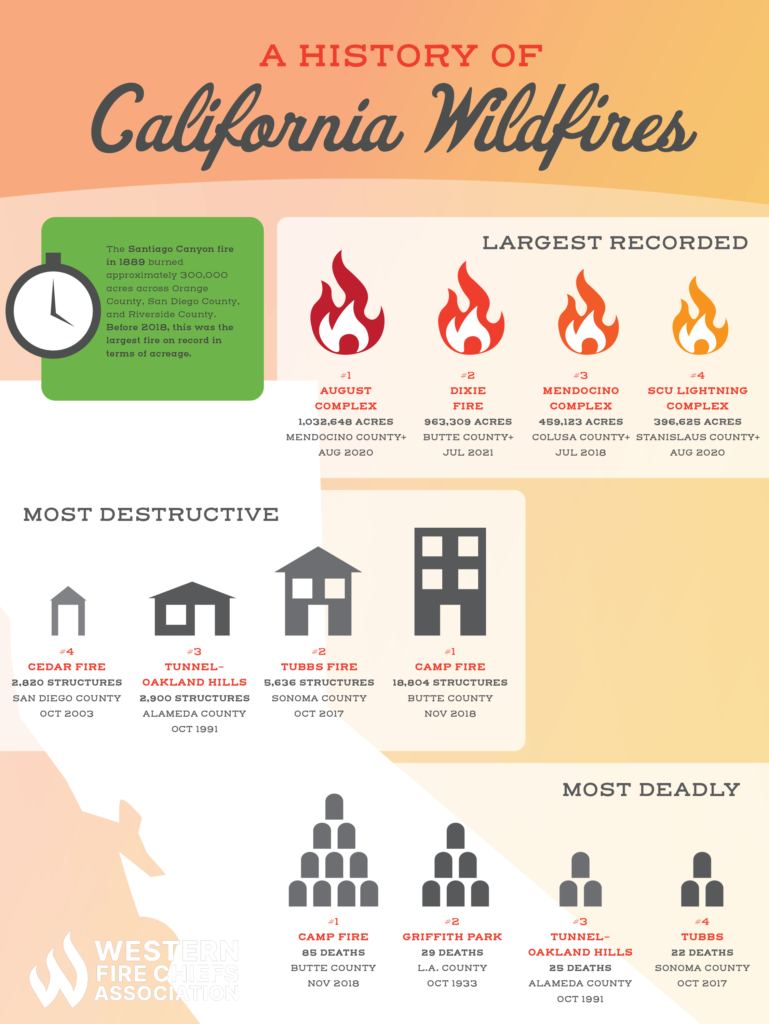
Our exploration will delve into the historical context of California’s wildfires, their seasonal prevalence, and the multifaceted ways they influence everything from selecting destinations and accommodation to the broader tourism economy and local lifestyles. We’ll also provide essential tips for responsible travel and a deeper appreciation of this resilient state.
Understanding California’s Fire History: A Long-Standing Challenge
To answer “When did California fire start?” we must look beyond recent headlines and into the deep ecological past. Wildfires are not new to the United States and certainly not to California; they are a natural and integral component of many ecosystems, particularly in regions with Mediterranean climates like much of California.
The Natural Cycle: Before Human Intervention
For millennia, fires played a vital role in shaping California’s diverse flora and fauna. Indigenous peoples, for example, expertly used prescribed burns to manage landscapes, promote new growth, enhance hunting grounds, and reduce dense underbrush, effectively preventing larger, more catastrophic blazes. These were often low-intensity fires, clearing forest floors without destroying the canopy, allowing fire-adapted species like the Giant Sequoias to thrive, whose cones often require heat to release their seeds.
The natural cycle of fire was typically governed by lightning strikes during dry summer months, followed by periods of growth and accumulation of fuel. This natural rhythm ensured a healthier, more resilient ecosystem. Forests were less dense, with a patchwork of varying ages and compositions, making them less susceptible to widespread, destructive conflagrations. This historical perspective is critical for understanding that fire, in itself, is not inherently negative, but rather its modern manifestation has become a significant challenge.
A Modern Escalation: Factors Contributing to Increased Fires
The narrative of California fires shifted dramatically with European settlement. A century of aggressive fire suppression policies, initially aimed at protecting timber and expanding development, led to an unnatural accumulation of dense vegetation and dead organic material on forest floors. This “fuel load” transformed many of California’s wildlands into tinderboxes.
Compounding this legacy are a confluence of contemporary factors:
- Climate Change: Perhaps the most significant accelerator, climate change contributes to hotter temperatures, prolonged droughts, and earlier snowmelt, extending the fire season and desiccating vegetation. The warming trends mean that fuel dries out faster and more thoroughly, creating ideal conditions for fires to ignite and spread rapidly.
- Drought Conditions: California has experienced increasingly severe and frequent droughts, leading to widespread tree mortality and dry vegetation that acts as perfect kindling for fires.
- Urban-Wildland Interface (WUI): As population centers expand, more homes and communities are built directly adjacent to wild areas. This increases both the risk of human-caused ignitions and the potential for devastating property loss, creating complex challenges for emergency services. Many beautiful resorts, villas, and suburban developments now sit in zones highly susceptible to wildfire.
- Forest Management Practices: While efforts are underway to restore traditional fire regimes and implement prescribed burns, decades of mismanaged forests have left them vulnerable. Addressing these issues requires extensive resources and time.
- Wind Events: California’s notorious seasonal winds, such as the Santa Ana winds in Southern California and the Diablo winds in Northern California, are powerful, dry gusts that can fan small fires into raging infernos, pushing them through communities and across vast distances at alarming speeds. These winds are a critical factor in the rapid spread and intensity of major fire events.
These factors together explain why what was once a natural ecological process has evolved into an annual crisis, profoundly impacting the lives of residents and the experience of travelers alike.
The Seasonal Impact on California Travel and Tourism
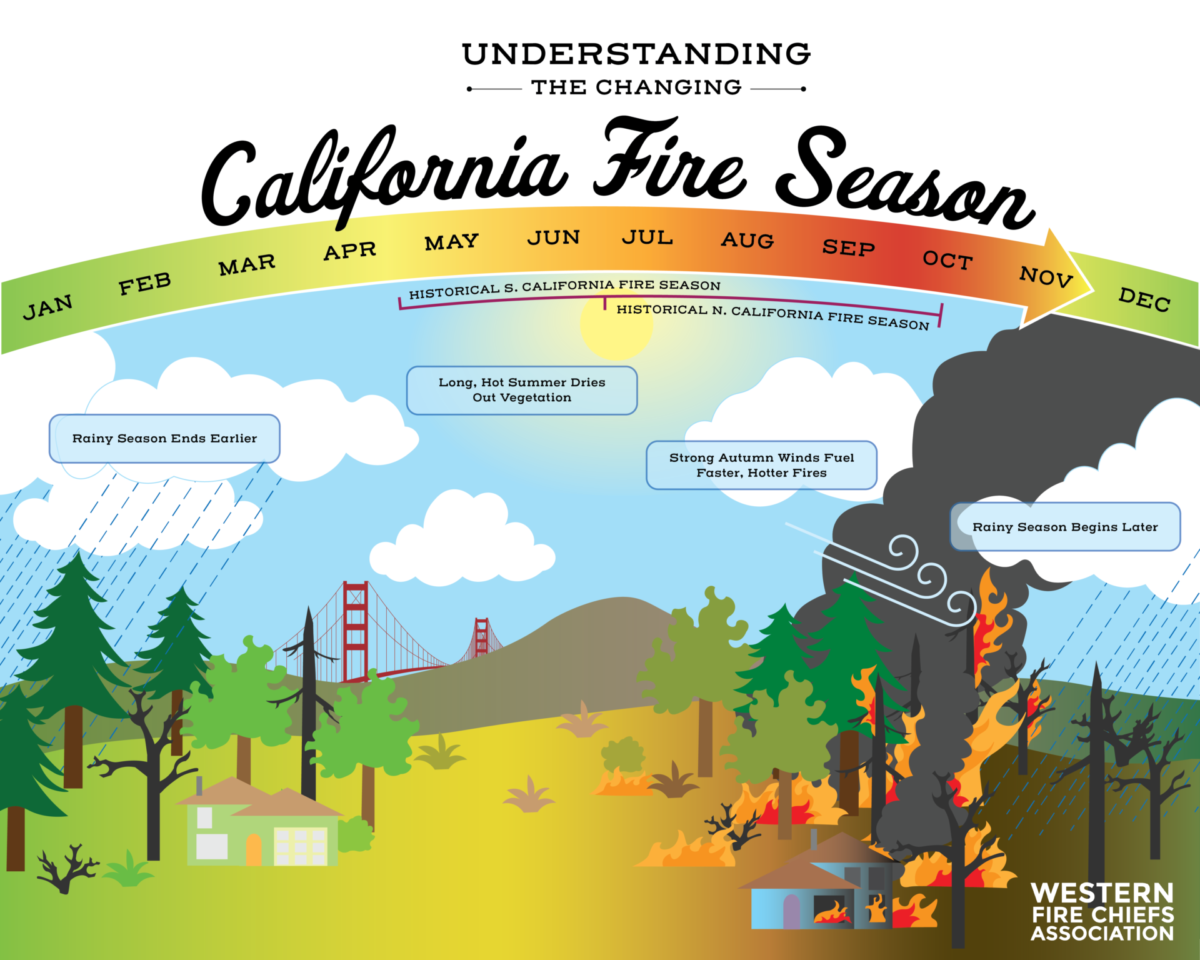
The altered fire landscape has undeniable implications for anyone considering travel to California. The “fire season,” once largely confined to late summer and fall, has grown longer and more unpredictable, sometimes stretching through much of the year. This shift necessitates a more informed approach to planning any trip to the Golden State.
Navigating Fire Season: Planning Your California Vacation
For many, a California vacation conjures images of sun-drenched beaches, towering redwoods, and scenic drives. While these remain quintessential California experiences, understanding the rhythm of fire season is key to a smooth and enjoyable journey.
- Timing is Key: While summer is peak travel season, it can also be the start of heightened fire risk, particularly in inland and mountainous areas. The late fall, often celebrated for its pleasant weather, can also be a time of significant wind-driven fires. Spring offers lush landscapes and generally lower fire risk, making it an ideal time for outdoor activities and exploring the state’s natural attractions like Yosemite National Park or the wildflowers of the Mojave Desert.
- Stay Informed: Before and during your trip, regularly check official sources for fire updates, air quality alerts, and road closures. Websites from Cal Fire, the National Park Service, and local county emergency services are invaluable guides. Many apps also provide real-time information.
- Flexibility and Alternatives: Have a backup plan. If your intended destination is affected by fire or smoke, be prepared to adjust your itinerary. California is vast and offers countless alternative destinations. For example, if parts of the Sierra Nevada are impacted, coastal cities like San Francisco or San Diego might be unaffected.
- Focus on Coastal Areas: Generally, coastal regions benefit from cooler, moister air from the Pacific Ocean and are less prone to large-scale wildfires, making them relatively safer bets during fire season. Santa Cruz, Carmel-by-the-Sea, and parts of Orange County remain popular choices.
Impact on Hotels, Resorts, and Accommodation
The accommodation sector is particularly sensitive to wildfires.
- Closures and Evacuations: Hotels, resorts, and rental properties in or near fire zones may face mandatory evacuations or voluntary closures for safety. This directly impacts bookings, leading to cancellations and significant revenue losses for businesses. Areas like Napa Valley and Sonoma County, famous for their luxury resorts and boutique hotels, have repeatedly experienced this challenge.
- Air Quality: Even if an area isn’t directly threatened by fire, smoke plumes can drift hundreds of miles, causing poor air quality. This can deter travelers from outdoor activities and impact the appeal of destinations like Lake Tahoe or Palm Springs, affecting the overall guest experience and leading to cancellations. Hotels might need to offer air purifiers in suites and common areas, adding to their operational costs.
- Booking Flexibility: Many hotels and accommodation providers in California have adapted by offering more flexible cancellation policies during fire season. When making bookings for apartments or villas, it’s advisable to inquire about these policies and consider travel insurance.
- Support for Evacuees: Sometimes, hotels play a crucial role as temporary shelters for evacuees, highlighting their integral place within local communities during crises.
- Post-Fire Recovery: After a fire, hotels and other businesses are essential to the recovery of tourism, providing places for aid workers, construction crews, and returning residents to stay. Their sustained operation is vital for economic revitalization.
Protecting California’s Landmarks and Natural Attractions
California’s allure lies heavily in its iconic landmarks and unparalleled natural attractions. These treasures, from ancient forests to vibrant urban parks, are increasingly vulnerable to the threat of wildfires.
Iconic National Parks and Forests at Risk
Many of California’s most cherished destinations are nestled within wildlands and frequently face the direct threat of fire:
- Yosemite National Park: Home to majestic granite cliffs and giant sequoias, Yosemite has seen numerous fires impact its surrounding areas, leading to temporary closures of sections of the park and significant smoke impacts, affecting millions of visitors who come to experience its natural beauty and outdoor activities.
- Sequoia National Park and Kings Canyon National Park: These parks, famous for their ancient groves of giant sequoias, have been at the epicenter of several devastating fires. Efforts to protect these irreplaceable trees include proactive measures like wrapping them in fire-resistant material, illustrating the extreme measures required.
- Big Sur: The stunning coastal stretch of Big Sur has experienced multiple large fires, often leading to road closures (like parts of Highway 1), destroying structures, and impacting the region’s famed luxury resorts and boutique hotels. The dramatic landscape of cliffs meeting the Pacific Ocean is breathtaking, but also particularly susceptible due to steep terrain and dense chaparral.
- Redwood National Park: While often benefiting from a moister climate, even these ancient forests face fire risks, particularly in drier years.
- Joshua Tree National Park and Death Valley National Park: Even desert ecosystems are not immune, with fires posing a threat to unique desert flora and fauna, and altering the landscape for visitors seeking unique natural experiences.
Urban landmarks such as the Golden Gate Bridge in San Francisco or the Hollywood sign in Los Angeles are typically at lower direct fire risk, but can still be impacted by smoke, affecting visibility and air quality, diminishing the visitor experience. The widespread nature of smoke and ash affects many of California’s famous places and their accessibility.
The Resilience of California’s Tourism Sector
Despite the challenges, California’s tourism sector demonstrates remarkable resilience. Communities impacted by fires often rebound with incredible speed and spirit.
- Rebuilding and Recovery: Many areas, such as sections of Malibu or Mendocino that have faced devastating fires, have shown immense dedication to rebuilding both homes and tourism infrastructure. New hotels, restaurants, and attractions often emerge, incorporating fire-resistant design and sustainable practices.
- Community Support: Local businesses and residents often rally to support each other, and tourism plays a vital role in these recovery efforts, bringing much-needed economic activity back to affected regions. Choosing to travel to areas recovering from fires, once it is safe to do so, is a powerful way to contribute to their economic revival.
- Innovation in Hospitality: The hospitality industry, including hotels, resorts, and private accommodations like apartments and villas, is continuously adapting. This includes improving emergency communication, implementing advanced fire-prevention measures, and offering unique packages or experiences that highlight California’s enduring beauty, even amidst ecological shifts. Many properties are investing in state-of-the-art amenities for safety and guest comfort.
Lifestyle Adaptations and Responsible Tourism in a Fire-Prone State
Living and traveling in California means embracing a lifestyle that acknowledges and adapts to the realities of fire. For both residents and visitors, this means prioritizing safety and engaging in responsible practices.
Safety First: Tips for Travelers and Residents
Being prepared is paramount when fires are a possibility.
- Monitor Air Quality: Check air quality indexes (AQI) daily, especially if you have respiratory sensitivities. Sites like AirNow.gov provide real-time updates for cities across California. Poor air quality can impact outdoor activities and overall health.
- Know Your Evacuation Routes: If staying in a wildland-urban interface area, familiarize yourself with local emergency plans and evacuation routes. Many rental accommodations and hotels provide this information.
- Be Fire-Aware: Simple actions can make a huge difference. Avoid parking vehicles on dry grass, ensure campfires are completely extinguished (or opt for propane stoves during fire bans), properly dispose of cigarettes, and never engage in activities that could spark a flame during high-risk periods.
- Emergency Kit: For residents, having an emergency kit with essentials like water, food, medications, and important documents is standard practice. Travelers on long-term stays might consider a simplified version.
- Follow Official Guidance: Always adhere to instructions from local authorities, including mandatory evacuation orders or prohibitions on certain activities like open flames.
Supporting California’s Tourism During and After Fire Season
Responsible tourism can play a significant role in mitigating the long-term impacts of wildfires and supporting affected communities.
- Choose Wisely: When planning your trip, consult official resources to ensure your chosen destination is safe and open for tourism. Respect closures and advisories.
- Support Local Businesses: After a fire, local businesses, including restaurants, hotels, and shops, are often the hardest hit. Your patronage is vital for their recovery and the economic health of the community.
- Volunteer or Donate: If you are passionate about California’s wildlands, consider supporting reputable organizations dedicated to reforestation, fire prevention, or community relief efforts. Many environmental organizations rely on donations and volunteers.
- Educate Yourself: Learn more about California’s ecology, the role of fire, and how human actions impact the environment. Understanding the history and nature of the land contributes to a more mindful travel experience.
- Appreciate Resilience: Witness the incredible ability of nature to regenerate and communities to rebuild. The spirit of California is one of innovation and resilience, a compelling aspect of its unique local culture.
In conclusion, the question “When did California fire start?” reveals a complex narrative spanning millennia of natural ecological processes to a modern era marked by intensifying climate change and human impact. While wildfires pose a significant challenge, California’s spirit remains vibrant. By being informed, respectful, and adaptable, travelers can continue to explore and enjoy the unparalleled beauty, diverse attractions, and unique lifestyle that make California one of the world’s most captivating destinations. Whether you’re seeking luxury travel in Napa Valley or a budget travel family trip to Disneyland, responsible planning ensures a rewarding and safe adventure.
LifeOutOfTheBox is a participant in the Amazon Services LLC Associates Program, an affiliate advertising program designed to provide a means for sites to earn advertising fees by advertising and linking to Amazon.com. Amazon, the Amazon logo, AmazonSupply, and the AmazonSupply logo are trademarks of Amazon.com, Inc. or its affiliates. As an Amazon Associate we earn affiliate commissions from qualifying purchases.