
The anticipation for the Chicago Marathon is palpable each year, drawing runners and spectators from across the globe to the vibrant streets of Chicago, United States. As one of the prestigious World Marathon Majors, this iconic race is more than just a 26.2-mile journey; it’s a full-fledged cultural experience, a test of endurance, and a celebration of human spirit. For anyone planning to run, cheer, or simply soak in the electric atmosphere, knowing the precise start times is paramount. This guide not only zeroes in on the crucial race schedule but also expands into a comprehensive resource for planning your entire marathon weekend, from securing the perfect accommodation to exploring the city’s rich tourism and landmarks. Whether you’re a seasoned marathoner, a first-time spectator, or a traveler simply looking to experience Chicago during this exciting event, meticulous planning is key to an unforgettable adventure. We’ll delve into everything you need to know to navigate the race day seamlessly and make the most of your visit to this magnificent Midwest metropolis.
The Essential Guide to Chicago Marathon Start Times
Understanding the detailed race schedule is the first step in planning your Chicago Marathon experience, whether you’re competing or cheering from the sidelines. The race employs a staggered start system to ensure a smooth flow of participants along the course, minimizing congestion and enhancing safety for all. This system separates runners into various waves and corrals based on their anticipated finish times, with elite athletes and wheelchair participants beginning their journey first. All race activities commence bright and early on Sunday morning, typically in early October, from the heart of Grant Park. It is crucial for both runners and spectators to note that these times are subject to change, so always consult the official Chicago Marathon website for the most up-to-date information as the race date approaches.
Understanding the Race Schedule
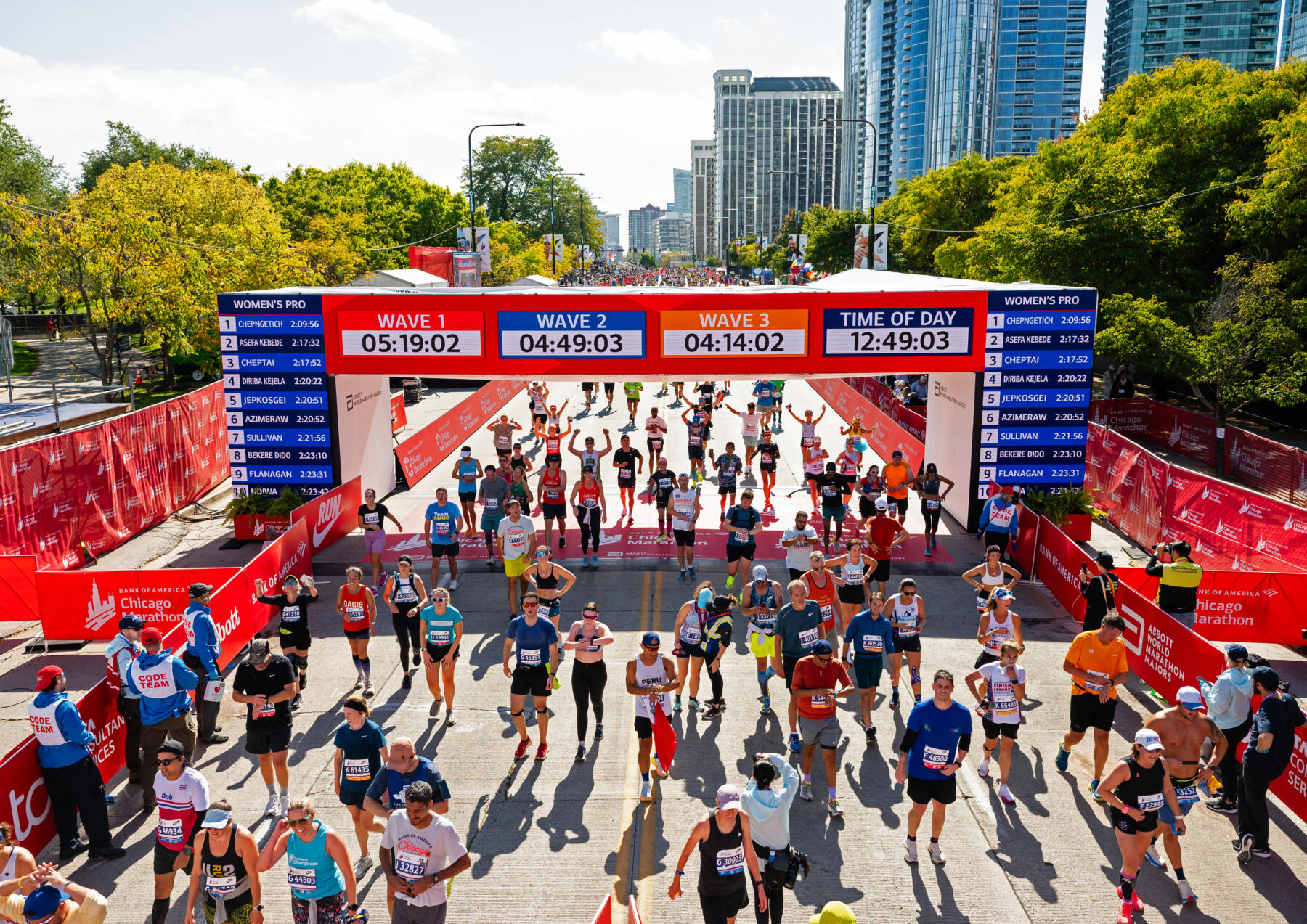
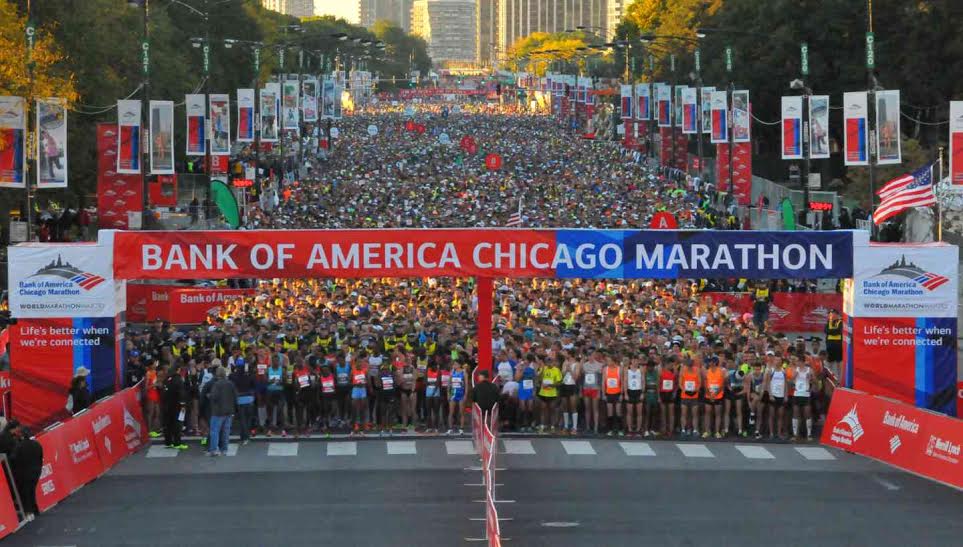
The Chicago Marathon typically kicks off with the earliest categories, ensuring they have optimal conditions. The Marathon Wheelchair Start (Men & Women) usually begins around 7:20 AM. This is a powerful and inspiring start, showcasing incredible athleticism and determination. Following shortly after, the Handcycle Start generally takes place at 7:23 AM. The pinnacle of the race, the Elite Runner Start (Men & Women), typically commences at 7:30 AM, featuring some of the world’s fastest athletes vying for victory. After the elite field has set off, the vast majority of participants begin their journey. Wave 1 (Red, Corrals A-F) is usually scheduled for 7:30 AM, starting concurrently with the elite runners. This wave comprises the fastest recreational runners. Wave 2 (Blue, Corrals G-K) typically follows at 8:00 AM, and finally, Wave 3 (Orange, Corrals L-P) begins at 8:35 AM.
Each wave and corral has a designated start line access time, which runners must adhere to for security and logistical reasons. Participants are advised to arrive at Grant Park well in advance of their assigned start time, typically 60-90 minutes prior, to allow for bag drop-off, security checks, and making their way to the corrals. The staggered starts are meticulously planned with timing mats at various points to accurately record each runner’s individual race time from when they cross the start line until they cross the finish line. This ensures fair competition and accurate results for all participants, regardless of their start wave. Spectators should also plan to arrive early to secure good vantage points, especially near the start and finish lines, which tend to get very crowded.
Pre-Race Logistics for Runners and Spectators
Navigating race morning in Chicago requires strategic planning, especially concerning transportation and access to Grant Park. Downtown Chicago experiences significant road closures on race day, making public transportation the most recommended method of travel. The CTA ‘L’ trains and buses offer extensive coverage, with several lines stopping within walking distance of Grant Park. Runners should check the CTA website for specific route changes or additional services offered on marathon morning. Planning your route beforehand and purchasing fare cards in advance can save valuable time and reduce stress. For runners, the runner’s gear check tents open early, often around 5:30 AM, in Grant Park. It’s imperative to use the clear plastic bag provided at the expo for gear check and attach your designated bag tag. Security is tight, so only official race bags are permitted, and strict protocols are enforced.
Spectators also have important logistics to consider. Identifying key viewing areas along the course beforehand is essential. Popular spots include the beginning of the race near Grant Park, various points in the Loop and Streeterville for early glimpses, and further along the course in neighborhoods like Lincoln Park, Chinatown, or Pilsen. Each offers a unique atmosphere and cultural experience. Using the official marathon app to track runners can help spectators pinpoint their loved ones and move to different viewing spots. Remember to dress in layers, bring snacks and water, and wear comfortable shoes as you’ll likely be doing a fair amount of walking and standing. Understanding the flow of the race and the layout of the park will enable both runners and their supporters to have a smoother and more enjoyable marathon morning.
Planning Your Marathon Weekend in Chicago: Travel & Accommodation
The Chicago Marathon weekend isn’t just about the race; it’s an opportunity for a memorable travel experience in one of America’s greatest cities. Given the event’s popularity, careful planning for your trip, particularly regarding where you’ll stay and how you’ll get around, is crucial. Chicago offers a vast array of accommodation options, from luxurious hotels to cozy apartments, catering to every preference and budget. However, rooms book up incredibly fast, often a year in advance, and prices surge during marathon weekend. Therefore, securing your lodging well ahead of time is not just recommended, it’s essential. Beyond the stay, understanding the city’s transportation network is vital to navigate the event effectively, especially with the extensive road closures.
Securing Your Stay: Hotels Near the Action
When it comes to marathon weekend, proximity to Grant Park – the start and finish line – is often a top priority for runners and spectators alike. The Loop neighborhood, which surrounds Grant Park, is an ideal choice, offering numerous hotels within easy walking distance. Areas like the Magnificent Mile, Streeterville, and River North are also excellent choices, providing a balance of convenience, dining options, and access to other Chicago attractions. These neighborhoods are well-served by public transport, ensuring you can still reach the race activities with ease.
For those seeking luxury, resorts and high-end suites from renowned brands like Hyatt, Hilton, and Marriott are abundant in downtown Chicago. Many offer exceptional amenities such as pre-race breakfast buffets tailored for runners, late check-out options, and on-site fitness centers. If you’re traveling with family or prefer more space and the option for self-catering, consider booking serviced apartments or even short-term villas through various booking platforms. These can provide a more home-like feel and often better value, especially for longer stays. Regardless of your choice, make sure to check reviews and compare amenities to ensure the hotel meets your specific needs for a comfortable and stress-free race weekend. Factors like quiet rooms, comfortable beds, and proximity to grocery stores or pharmacies can make a big difference for runners.
Navigating Chicago: Getting Around for the Marathon
Chicago’s public transportation system, managed by the CTA (Chicago Transit Authority), is extensive and highly efficient, making it the best way to get around during marathon weekend. The ‘L’ train system, with its various colored lines, offers quick access to most parts of the city, including direct routes to Grant Park and many of the popular spectating spots along the marathon course. Buses complement the train network, reaching areas not served by the ‘L’. Purchasing a Ventra card for easy tap-and-go travel is highly recommended.
On race day, driving is strongly discouraged due to widespread road closures that affect not only the marathon route but also surrounding streets. Taxis and ride-sharing services will also face significant delays and detours. Walking is often the quickest and most enjoyable way to get around the downtown area, especially if your accommodation is within a mile or two of Grant Park. Familiarize yourself with a map of Chicago and the marathon route to understand potential disruptions and plan your movements accordingly. Many hotels offer maps and concierge services that can provide personalized guidance, or you can use various navigation apps that integrate public transport information. Remember that large crowds will be present, so allow extra travel time, especially in the hours leading up to the race start and immediately after the finish.

Beyond the Race: Experiencing Chicago’s Landmarks and Culture
While the Chicago Marathon is undeniably the main event, a visit to Chicago offers far more than just the race. The city is a treasure trove of iconic landmarks, world-class museums, stunning architecture, and a vibrant culinary scene. Incorporating some exploration into your marathon weekend can transform your trip into a richer, more holistic tourism experience. Whether you’re recovering from the race, entertaining spectators, or simply want to discover the city’s unique charm, Chicago provides an abundance of activities to suit every interest. From historical sites to modern art, and from deep-dish pizza to gourmet dining, the city promises memorable moments long after the final runner crosses the finish line.
Top Chicago Attractions for Marathon Visitors
Chicago boasts an impressive array of attractions that appeal to all types of travelers. A must-visit is Millennium Park, home to the famous Cloud Gate sculpture, affectionately known as “The Bean.” This reflective masterpiece offers fantastic photo opportunities and is an integral part of Chicago’s public art landscape. Adjacent to the park, the Art Institute of Chicago is a world-renowned museum housing an extensive collection spanning centuries and cultures, perfect for an afternoon of cultural immersion.
For breathtaking panoramic views, head to Skydeck Chicago at the top of the Willis Tower (formerly Sears Tower), where you can step onto “The Ledge,” a glass balcony extending four feet outside the building. Another popular destination is Navy Pier, offering family-friendly entertainment, dining, and unparalleled views of the city skyline and Lake Michigan. Nature enthusiasts and history buffs will appreciate the Museum Campus, which includes the Field Museum (natural history), Shedd Aquarium (aquatic life), and Adler Planetarium (astronomy). No visit to Chicago is complete without experiencing its legendary architecture. A Chicago Architecture River Cruise offers a unique perspective on the city’s iconic buildings and their fascinating history, guided by knowledgeable experts.
Savoring Chicago’s Culinary Scene
Chicago’s food scene is as diverse and dynamic as its skyline, offering culinary experiences for every palate. Post-marathon, there’s nothing better than indulging in the city’s famous specialties. The undisputed king of Chicago cuisine is deep-dish pizza. Iconic establishments like Lou Malnati’s, Giordano’s, and Pequod’s Pizza serve up hearty, cheese-laden pies that are perfect for carb-loading or celebratory feasting. Another local delicacy you must try is the Chicago hot dog – an all-beef frankfurter in a poppy seed bun, “dragged through the garden” with mustard, chopped white onions, bright green sweet pickle relish, a dill pickle spear, tomato slices or wedges, pickled sport peppers, and a dash of celery salt.
Beyond these staples, Chicago boasts an impressive number of Michelin-starred restaurants and a vibrant fine dining scene, particularly in neighborhoods like West Loop and River North. For more casual dining, explore the diverse ethnic eateries in neighborhoods like Chinatown, Pilsen (Mexican), and Little Italy. After the race, a celebratory meal is a must. Many restaurants offer special menus or discounts for marathon participants, so be sure to inquire. Whether you’re craving upscale dining, comforting classics, or international flavors, Chicago’s gastronomic offerings are sure to delight and satisfy hungry runners and food enthusiasts alike.
Lifestyle & Tips for an Unforgettable Chicago Marathon Experience
The Chicago Marathon weekend is a unique blend of athletic endeavor and urban exploration, offering a distinct lifestyle experience. To truly make the most of your visit, it’s essential to consider how your travel style aligns with the myriad options available in Chicago. From budgeting for your trip to navigating the nuances of race day, a few strategic tips can enhance your overall experience. Whether you’re prioritizing luxury and indulgence or seeking budget-friendly adventures, the city caters to all. Understanding these elements will not only simplify your planning but also ensure your Chicago Marathon journey is as smooth and enjoyable as possible, leaving you with lasting memories.
Lifestyle Considerations: Luxury Travel vs. Budget Travel
Chicago is well-equipped to cater to a spectrum of travel preferences, from lavish getaways to economical adventures. For those embracing luxury travel, the city offers an abundance of high-end hotels, Michelin-starred restaurants, and exclusive shopping experiences along the Magnificent Mile. You can opt for suites with stunning city views, indulge in spa treatments pre- or post-race, and enjoy gourmet dining. Many luxury establishments provide concierge services that can arrange bespoke tours, private car services, and priority reservations, ensuring a seamless and pampered experience.
Conversely, budget travel in Chicago is entirely feasible and equally rewarding. The city boasts a strong public transportation system, allowing you to save on taxi fares. Affordable accommodation can be found in boutique hotels outside the immediate downtown core, or through hostels and vacation apartments if booked well in advance. Many of Chicago’s top attractions, such as Millennium Park and parts of the Lakefront Trail, are free to explore. Eating like a local at hot dog stands or enjoying delicious and affordable ethnic cuisine can also significantly cut down on food expenses. If you are on a family trip, consider visiting the Lincoln Park Zoo, which offers free admission, or exploring the Museum of Science and Industry, which combines education and entertainment. For those on a business stay looking to combine work with the excitement of the marathon, many hotels offer business-friendly amenities and meeting facilities, allowing you to seamlessly transition between professional commitments and race-day exhilaration.
Essential Tips for Race Day and Beyond
Preparing for Chicago’s weather is crucial. Early October can bring a mix of conditions, from crisp autumn air to unseasonably warm temperatures, or even rain. Runners should pack layers and monitor the forecast closely in the days leading up to the race. Spectators should also dress warmly, as standing for extended periods can feel colder. Comfortable shoes are a must, as you’ll be doing a lot of walking.
For spectators, identifying key vantage points along the course is important. The section through Lincoln Park (miles 7-10) offers beautiful scenery, while the atmosphere in Pilsen (miles 18-19) and Chinatown (mile 21) is incredibly vibrant, with enthusiastic crowds and local culture. Consider downloading the official marathon app to track your runner’s progress, allowing you to move to different locations to cheer them on multiple times. Remember to bring plenty of water, snacks, and perhaps even a portable charger for your phone.
Beyond race day, dedicate time to explore Chicago’s diverse neighborhoods. Each district offers a unique flavor, from the artistic streets of Wicker Park to the historic charm of Old Town. Consider booking popular tours, like the Chicago Architecture River Cruise, in advance to secure your spot, especially during a high-demand weekend. Lastly, embrace the friendly atmosphere; Chicagoans are generally welcoming, and local residents often come out in droves to support the marathon, making for an incredibly engaging experience for everyone involved.
The Chicago Marathon is far more than just a race; it’s an immersive travel destination and a quintessential Chicago experience. From the precise start times that orchestrate this massive event to the vibrant landmarks and rich local culture that define the city, every aspect contributes to an unforgettable journey. By meticulously planning your accommodation, understanding the race-day logistics, and reserving ample time to explore Chicago’s iconic attractions and diverse culinary scene, you’re setting yourself up for an incredible adventure. Whether you’re chasing a personal best, cheering on a loved one, or simply soaking in the electric atmosphere, the Chicago Marathon offers a dynamic backdrop for creating lasting memories. So, mark your calendars, start your planning, and prepare to be swept away by the energy of this world-class event in a truly magnificent city.
LifeOutOfTheBox is a participant in the Amazon Services LLC Associates Program, an affiliate advertising program designed to provide a means for sites to earn advertising fees by advertising and linking to Amazon.com. Amazon, the Amazon logo, AmazonSupply, and the AmazonSupply logo are trademarks of Amazon.com, Inc. or its affiliates. As an Amazon Associate we earn affiliate commissions from qualifying purchases.