
The question “When was the Chicago World Fair?” might seem straightforward, but it actually refers to two distinct, monumental events that captivated the world and left an indelible mark on the city of Chicago and global culture. The first, and arguably most famous, was the World’s Columbian Exposition of 1893. Four decades later, Chicago once again hosted a grand international showcase, the A Century of Progress Exposition, held across 1933 and 1934. Both fairs were spectacular achievements in their respective eras, reflecting the spirit of their times, demonstrating incredible human ingenuity, and drawing millions of visitors from across the globe, significantly shaping the landscape of travel, tourism, and lifestyle for future generations.
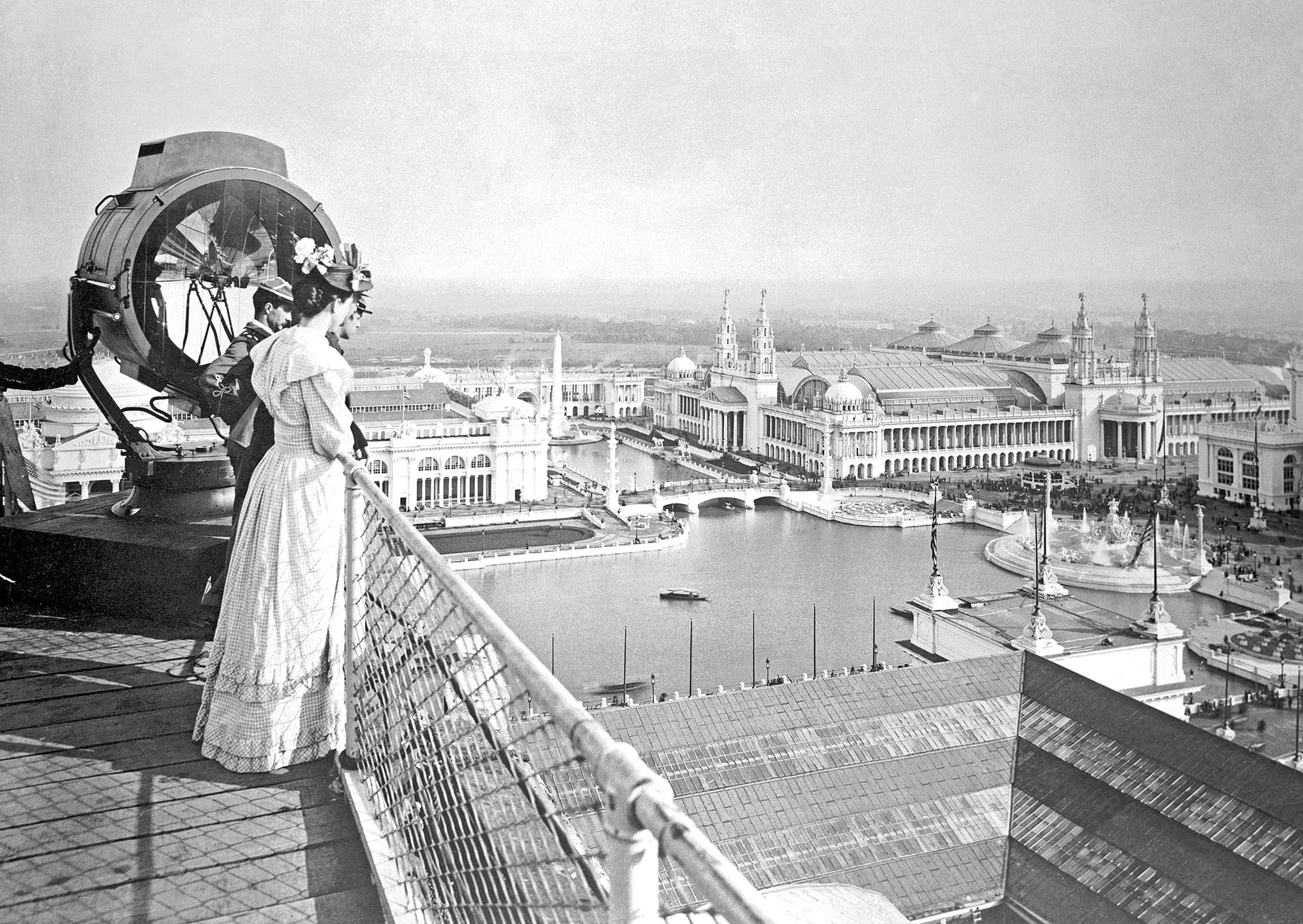
The World’s Columbian Exposition of 1893 celebrated the 400th anniversary of Christopher Columbus‘s arrival in the Americas (though it was delayed by a year). It officially opened to the public on May 1, 1893, and concluded on October 30, 1893. For six magnificent months, this fair transformed Chicago into a dazzling “White City” that symbolized progress and ambition. The A Century of Progress Exposition, on the other hand, was held from May 27, 1933, to November 12, 1933, and then extended for a second season from May 26, 1934, to October 31, 1934. This second fair, designed to uplift spirits during the Great Depression, offered a vision of a technologically advanced future. Both events were much more than mere exhibitions; they were catalysts for change, influencing everything from urban planning and architecture to consumer products and the very concept of leisure travel.
The Grand Spectacle of 1893: The World’s Columbian Exposition
The World’s Columbian Exposition of 1893 stands as one of the most significant cultural events in United States history. Conceived to showcase American industrial might, artistic achievement, and cultural diversity, it drew over 27 million visitors, a staggering number for its time. This fair firmly cemented Chicago’s reputation as a major global city, rising from the ashes of the Great Chicago Fire just two decades prior.
A Vision for the Future: Planning and Construction
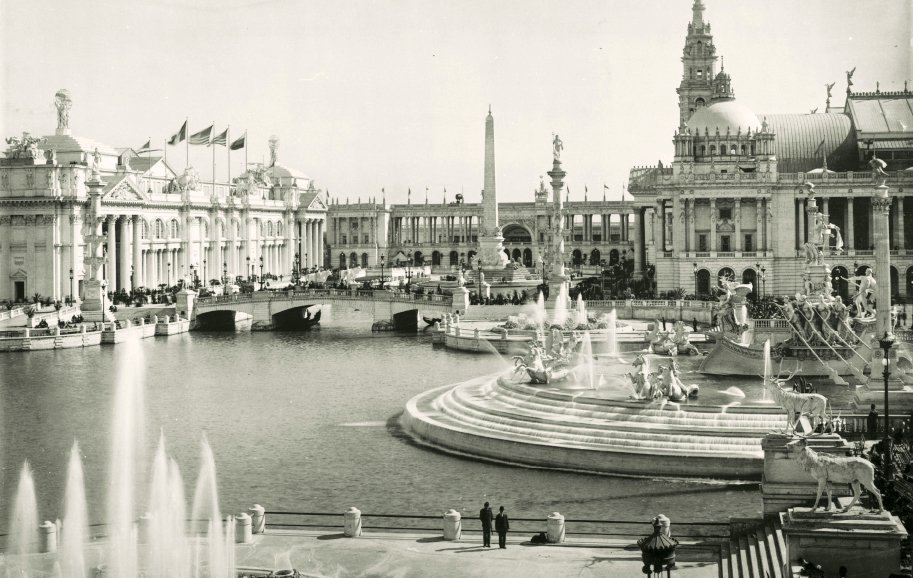
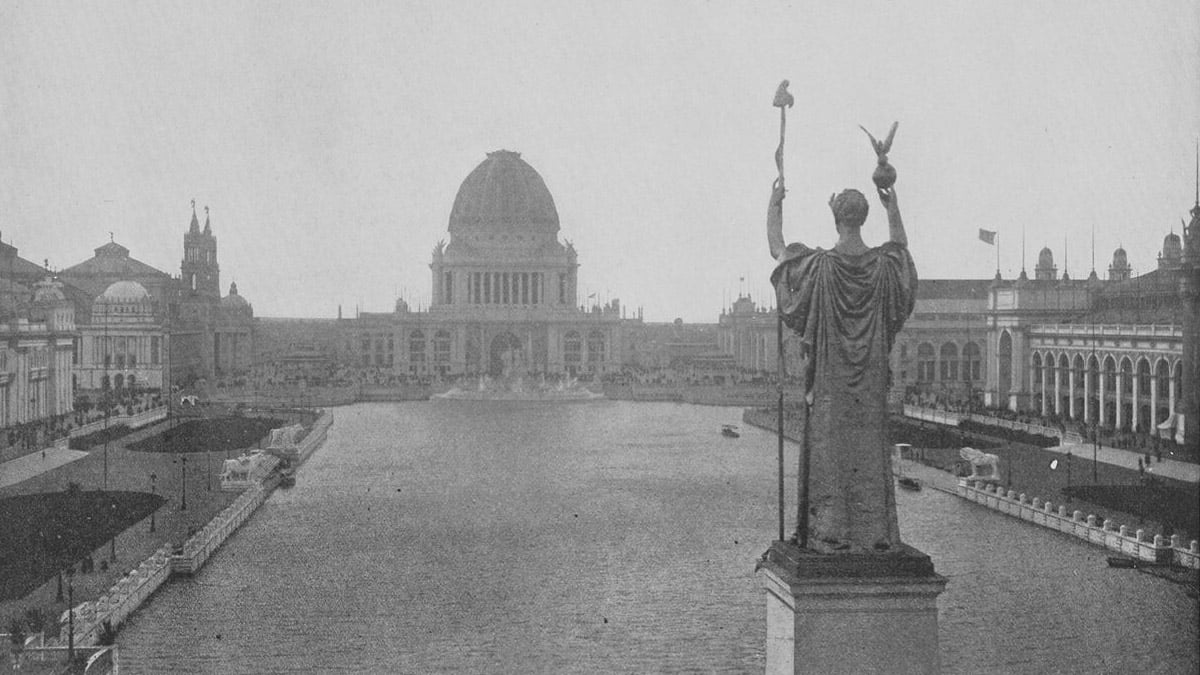
The planning for the 1893 fair was an monumental undertaking led by some of the era’s most brilliant minds. Famed architect Daniel Burnham served as the Director of Works, overseeing an ambitious project that transformed 600 acres of swampy land in Jackson Park on the city’s south side into an architectural marvel. Working alongside landscape architect Frederick Law Olmsted, the visionary behind New York City‘s Central Park, they created a neoclassical dreamscape. The primary exhibition buildings, designed by a consortium of America’s leading architects, were predominantly white, earning the fair its nickname, the “White City.” These grand structures, though temporary, left a lasting legacy, inspiring the “City Beautiful Movement” and influencing urban planning and architecture for decades.
The fair’s conception also spurred significant advancements in Chicago’s infrastructure. Hotels and accommodation options proliferated, ranging from opulent suites in newly constructed grand hotels to more modest boarding houses for the influx of tourists. This era truly marked a shift in how mass travel and tourism were facilitated, with the city becoming a major destination requiring robust services for visitors. Modern luxury hotels like The Palmer House Hilton, originally built decades earlier, expanded and catered to the elite, while the concept of resort-like experiences within a bustling urban setting began to take shape.
Unforgettable Attractions and Innovations
The World’s Columbian Exposition was a wonderland of innovation and entertainment. Its most iconic attraction was undoubtedly the original Ferris Wheel, a colossal engineering feat designed by George Washington Gale Ferris Jr. that offered breathtaking views of the fairgrounds and Lake Michigan. This magnificent structure alone drew countless visitors and inspired similar attractions worldwide. Beyond thrilling rides, the fair was a showcase for cutting-edge technology. George Westinghouse and Nikola Tesla famously illuminated the fairgrounds using alternating current (AC) electricity, a dazzling display that far outshone Thomas Edison‘s direct current (DC) system. This demonstration effectively launched the AC era, fundamentally changing how power was distributed globally.
Visitors could also marvel at the first movable sidewalk, experience early motion picture demonstrations with Edison’s kinetoscope, and encounter new consumer products like Cracker Jack and shredded wheat. The fair also featured ethnological exhibits, scientific displays, and vast art collections, providing cultural experiences previously unimaginable to many. It was a crucible where ideas, art, science, and commerce converged, giving birth to a new understanding of what was possible and shaping the modern lifestyle. For many, it was their first exposure to global cultures and advanced technologies, making it a pivotal moment in the history of tourism and exploration.
Economic and Cultural Impact on Chicago and Beyond
The 1893 World’s Fair had a profound and multifaceted impact. Economically, it provided a massive boost to Chicago, attracting investment and spurring development in transportation, accommodation, and hospitality sectors. The city’s railway network was expanded, and new streetcar lines were laid to handle the immense crowds, illustrating how such large-scale events drive infrastructure improvements that benefit residents and future tourists alike. Culturally, the fair fostered a sense of national identity and pride, showcasing American ingenuity on a global stage. The “White City” vision influenced urban planning and architecture, particularly through the City Beautiful Movement, advocating for organized, aesthetically pleasing urban environments. Many landmarks in Chicago and other major United States cities bear the stylistic hallmarks of this movement. The lasting structure of the fair is the former Palace of Fine Arts, which was later rebuilt in stone and became the renowned Museum of Science and Industry, a popular attraction in Jackson Park to this day. Other cultural institutions, such as the Art Institute of Chicago, were founded or significantly enhanced around this period, solidifying the city’s status as a cultural hub.
A Century of Progress: Chicago’s Second World Fair (1933-1934)
Forty years after its first triumphant fair, Chicago once again opened its doors to the world with the A Century of Progress Exposition. This fair was distinct from its predecessor in both theme and execution, serving as a beacon of hope during the darkest years of the Great Depression.
Responding to a New Era: Themes and Triumphs
The A Century of Progress Exposition aimed to celebrate Chicago’s centennial and, more broadly, a century of scientific and industrial progress. Crucially, it was designed to be financially self-sustaining, a testament to its forward-thinking organizers during a period of severe economic hardship. The fair’s theme emphasized the triumphs of technology and science, presenting a hopeful vision for the future. Unlike the neoclassical grandeur of the 1893 fair, the 1933 fair embraced modernism, Art Deco, and Streamline Moderne architectural styles, reflecting a new aesthetic and a focus on functionality and technological advancement.
The fair’s success, even amidst economic turmoil, demonstrated the public’s hunger for diversion, education, and inspiration. It became a significant tourist draw, providing a much-needed boost to local businesses, including hotels, restaurants, and transportation services. Despite the challenging economic climate, visitors from across the country still sought accommodation and travel experiences, highlighting the enduring human desire for discovery and escape, even on a budget. The extension into a second year, due to its immense popularity, further solidified its success and impact on the recovery efforts.
Architectural Marvels and Technological Leaps
Situated along the beautiful shore of [Lake Michigan](https://lifeoutofthebox.com/lake michigan) in Burnham Park, the 1933-34 fair featured brightly colored, geometrically striking buildings that represented different industries and nations. Notable attractions included the Sky-Ride, a cable car system offering panoramic views, and exhibits showcasing innovations like high-speed diesel trains, air conditioning, early television demonstrations, and streamlined automobiles. The “House of Tomorrow” was a particularly popular exhibit, giving visitors a glimpse into future living spaces equipped with modern conveniences.
The fair was a masterclass in engaging storytelling, using dramatic light shows, interactive exhibits, and live demonstrations to educate and entertain. It was also pioneering in its use of corporate sponsorship, which became a model for future expositions and events. For travelers, it offered an unparalleled opportunity to witness scientific breakthroughs firsthand and imagine a future transformed by technology, truly a unique experience that blended education with entertainment.
The Enduring Legacy: How World’s Fairs Shape Travel and Tourism
The Chicago World Fairs, like many grand expositions throughout history, played a crucial role in shaping modern travel and tourism. They were early pioneers in creating destination-specific experiences, drawing millions to a single location for cultural immersion, education, and entertainment.
Modern Echoes: World’s Fairs as Travel Destinations
In their time, world’s fairs were prime examples of large-scale tourism events. They necessitated significant infrastructure development, from roads and railways to hotels and local guides, foreshadowing the comprehensive tourism strategies of today. Visitors planned extensive trips, often staying for several days or weeks, exploring everything from global culinary delights to groundbreaking scientific displays. This focus on immersive experiences, diverse attractions, and accessible accommodation laid the groundwork for modern travel guides and destination marketing.
Today, while world’s fairs are less frequent, their legacy lives on in cities like Chicago. The landmarks that remain, such as the Museum of Science and Industry (a direct descendant of the 1893 fair’s Palace of Fine Arts), continue to draw tourists interested in history, science, and the arts. The very idea of an urban escape, where one can explore history, enjoy cultural activities, and discover new experiences, can be traced back to the allure of these magnificent expositions. Travelers seeking unique experiences will find that understanding these historical events enriches their visits to cities that once hosted such grand spectacles.
Planning Your Visit to Chicago’s Historical Landmarks
For anyone planning a trip to Chicago today, the spirit of innovation and architectural grandeur from its World Fairs is still palpable. Modern Chicago offers a wealth of landmarks and attractions that are either direct remnants of the fairs or were influenced by their vision. A visit to Jackson Park allows you to walk the grounds where the “White City” once stood, and the Museum of Science and Industry offers a tangible link to the past, providing fascinating insights into science and technology. Similarly, a stroll through Burnham Park along Lake Michigan evokes the modernist landscape of the 1933-34 fair.
When considering accommodation, Chicago boasts a diverse range of options, from luxury hotels like The Peninsula Chicago and The Drake Hotel to boutique hotels and serviced apartments. Travelers can find suites offering stunning city views or budget-friendly accommodations ensuring a comfortable stay. Online booking platforms, reviews, and comparison tools make finding the perfect hotel easier than ever, whether you’re seeking amenities for a family trip, a business stay, or a romantic getaway. Many hotels are conveniently located near current landmarks and cultural attractions, allowing easy access to the city’s rich history and vibrant present.
Beyond the Fair: Experiencing Chicago Today
While the great World Fairs of the past are now cherished memories, their legacy has profoundly shaped Chicago into the world-class city it is today – a vibrant hub for travel, tourism, and lifestyle. The ambition and vision demonstrated during these expositions continue to inspire the city’s architecture, cultural institutions, and its welcoming spirit for visitors from all walks of life.
Today’s travelers to Chicago can embark on a rich array of experiences, building upon the foundations laid by the World’s Fairs. You can ascend the Willis Tower for panoramic views that perhaps the original Ferris Wheel could only dream of. Explore the renowned collections at the Art Institute of Chicago or the Field Museum, marvel at marine life at the Shedd Aquarium, and gaze at the stars from the Adler Planetarium – all institutions thriving within a city that learned to host the world. The lively entertainment at Navy Pier and the artistic installations of Millennium Park, including the iconic “Bean” (Cloud Gate), offer modern interpretations of public spectacle and innovation.
For those interested in local culture and food, Chicago offers a culinary landscape as diverse as the exhibits at its fairs. From deep-dish pizza to Michelin-starred restaurants, there are dining experiences to suit every taste and budget. Walking tours, architectural river cruises, and vibrant neighborhood explorations provide deep dives into the city’s character. Whether you are on a luxury travel adventure, a budget-conscious family trip, or a quick business stay, Chicago offers a dynamic blend of historical reverence and contemporary excitement. The city’s accommodation options range from historic hotels offering suites with old-world charm to modern resorts with state-of-the-art amenities, ensuring that every visitor finds their ideal base for exploring.
In conclusion, while “When was the Chicago World Fair?” pinpoints specific dates in 1893 and 1933-34, understanding these events opens a window into the evolution of travel, tourism, and the very essence of what makes a city a destination. The legacy of these fairs continues to shape how we experience cities, highlighting Chicago‘s enduring role as a landmark of progress and a vibrant hub for global travelers.
LifeOutOfTheBox is a participant in the Amazon Services LLC Associates Program, an affiliate advertising program designed to provide a means for sites to earn advertising fees by advertising and linking to Amazon.com. Amazon, the Amazon logo, AmazonSupply, and the AmazonSupply logo are trademarks of Amazon.com, Inc. or its affiliates. As an Amazon Associate we earn affiliate commissions from qualifying purchases.