
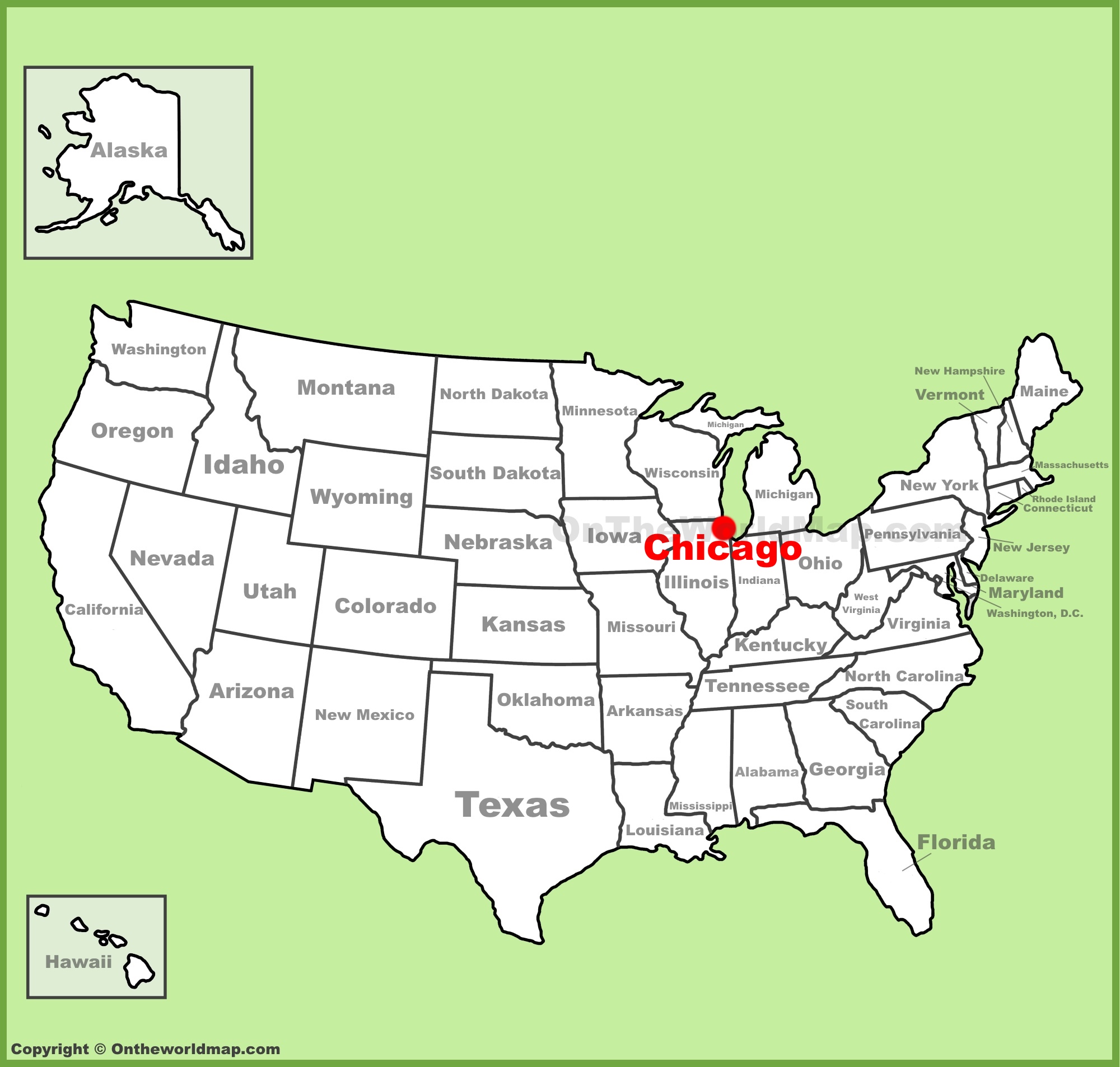
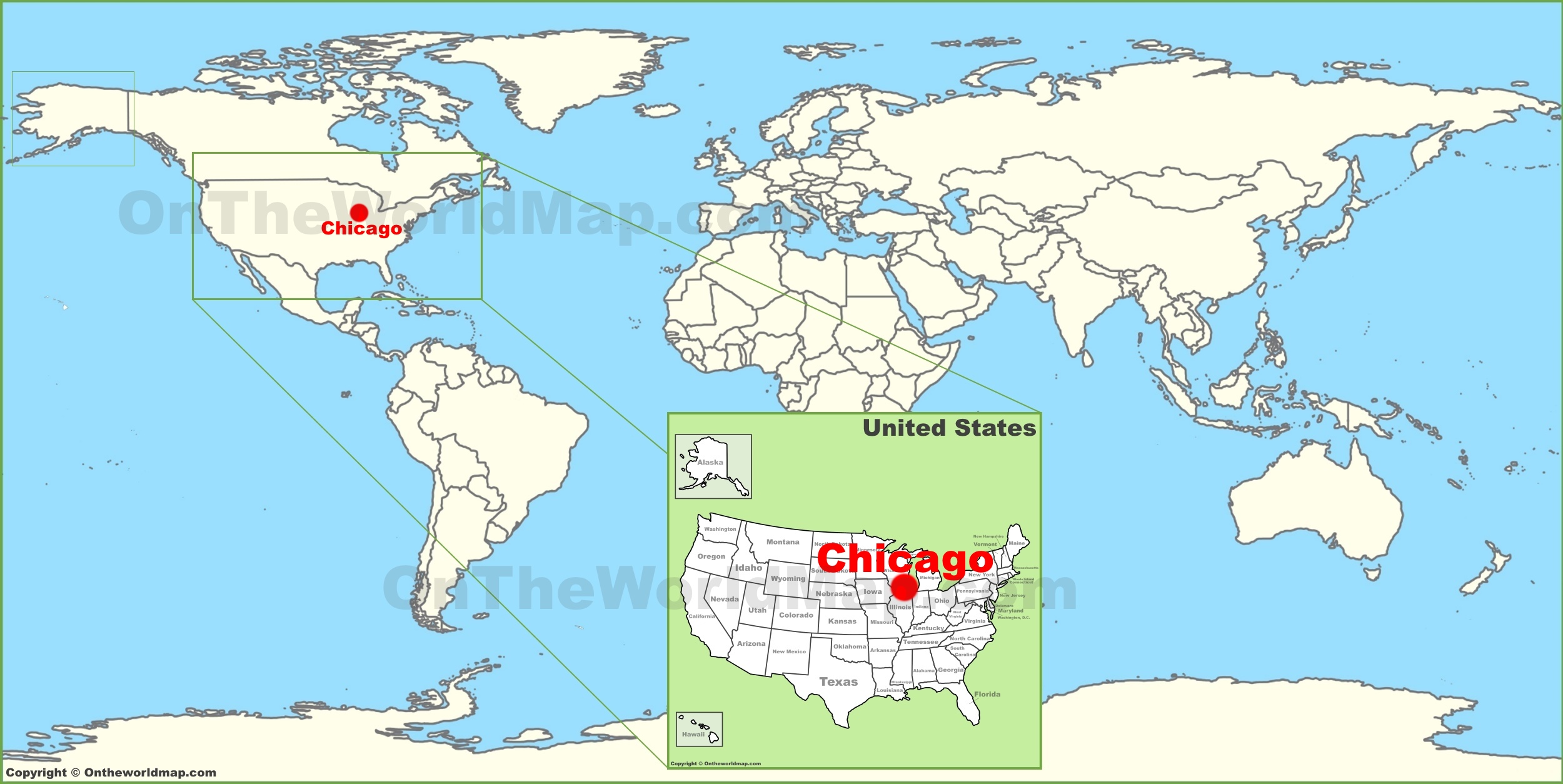
When planning a trip across the United States, understanding the geographical layout of its major cities is often the first step. For many, Chicago stands out as a beacon of culture, innovation, and architectural marvel. But precisely where is Chicago on the America map? This sprawling metropolis, often referred to as the “Windy City,” holds a prominent position in the heartland of America, serving as a critical hub for travel, commerce, and tourism.
Located in the state of Illinois, Chicago anchors the Midwest region, making it an accessible destination from virtually any corner of the country. Its distinctive placement on the southwestern shore of Lake Michigan, one of the five magnificent Great Lakes, grants it a unique character, blending urban sophistication with refreshing lakeside vistas. This article will delve into Chicago’s exact geographical context, explore why it’s a quintessential American destination, and provide comprehensive insights into planning your visit, from iconic landmarks to top-tier accommodation.

Pinpointing Chicago: A Midwestern Gem
Understanding Chicago’s location is key to appreciating its historical development, economic significance, and cultural identity. It’s not just a dot on a map; it’s a strategically positioned city that has shaped American history.
Geographical Significance
Chicago is situated at 41.8781° N latitude and 87.6298° W longitude, placing it firmly in the north-central part of the United States. It’s the most populous city in Illinois and the third-most populous city in the United States, following New York City and Los Angeles. The city’s eastern border is defined by the expansive Lake Michigan, offering miles of stunning waterfront, beaches, and a vibrant harbor. To its west, the land stretches across the fertile plains of the Midwest, connecting it to a vast agricultural and industrial heartland.
Its location near the mouth of the Chicago River, which historically connected the Great Lakes to the Mississippi River basin, was pivotal in its growth as a transportation and trade hub. This strategic position facilitated its rise as a major railroad center in the 19th century and continues to make it a vital crossroads for air travel and freight today. The city is neighbored by states like Wisconsin to the north, Indiana to the east, and Missouri and Iowa to the west, making it an accessible and attractive destination for regional and international travelers alike.
A City of Firsts and Innovation
Chicago’s place on the map isn’t just geographical; it’s also historical. Rising from the ashes of the Great Chicago Fire in 1871, the city became a crucible for architectural innovation, pioneering the steel-frame skyscraper. This spirit of resilience and forward-thinking has permeated every aspect of its development, from its world-class institutions to its diverse neighborhoods. It’s a city that continuously reinvents itself, always offering something new to discover, reflecting a dynamic blend of deep-rooted history and cutting-edge modernity. This unique combination makes it a magnet for tourists interested in its past, present, and future.
Why Visit Chicago? Unveiling Its Allure
Beyond its geographical location, Chicago’s appeal lies in its rich tapestry of experiences. It’s a city that caters to every interest, from art aficionados to foodies, history buffs to sports enthusiasts. The wealth of attractions and experiences solidifies its reputation as a premier travel destination in the United States.
Iconic Landmarks and Architecture
Chicago’s skyline is an unmistakable beacon of human ingenuity, dominated by towering skyscrapers and architectural masterpieces. The city is a living museum of modern architecture, offering an unparalleled experience for those who appreciate design and urban planning.
- Willis Tower (formerly Sears Tower): Once the world’s tallest building, the Willis Tower remains an iconic structure. Visitors can ascend to the Skydeck Chicago on the 103rd floor for breathtaking panoramic views that stretch across four states on a clear day.
- Millennium Park: This award-winning park is a vibrant public space that seamlessly blends art, architecture, and landscape design. It’s home to the famous Cloud Gate, affectionately known as “The Bean,” and the interactive Crown Fountain.
- Art Institute of Chicago: Ranked among the top museums in the world, the Art Institute of Chicago houses an extraordinary collection spanning centuries and cultures, from Impressionist masterpieces to contemporary art.
- Navy Pier: Stretching into Lake Michigan, Navy Pier is a bustling hub of entertainment, featuring carnival rides, dining options, boat tours, and the Chicago Children’s Museum. It’s perfect for family trips and offers stunning city views from its Ferris wheel.
- Museum Campus: This picturesque area along the lakefront hosts three of Chicago’s most renowned institutions: the Field Museum (natural history), Shedd Aquarium (aquatic life), and Adler Planetarium (astronomy).
- Other notable architectural gems include the Museum of Science and Industry, the beautiful Lincoln Park Zoo, and various structures designed by legendary architects like Frank Lloyd Wright, including his iconic Robie House. The city’s architectural boat tours are consistently rated as one of the best ways to experience Chicago’s urban landscape and learn about its storied past.
A Hub of Culture, Food, and Entertainment
Chicago’s vibrant cultural scene is as diverse as its population. From world-class theater to legendary music venues, and a culinary landscape that rivals any global city, there’s an experience for every palate and preference.
- Food Scene: Chicago is synonymous with its deep-dish pizza, a must-try for any visitor. But its culinary offerings extend far beyond, encompassing Michelin-starred restaurants, innovative farm-to-table eateries in areas like Fulton Market, and a thriving street food scene. From upscale dining experiences to casual, authentic ethnic cuisines, Chicago is a foodie’s paradise.
- Music and Arts: The city is a historical mecca for blues and jazz, with numerous clubs in neighborhoods like Lincoln Park and Hyde Park keeping the traditions alive. It’s also home to renowned theaters, comedy clubs like The Second City, and hosts major music festivals such as the Blues Festival, Jazz Festival, and Lollapalooza.
- Shopping: The Magnificent Mile on Michigan Avenue offers a luxurious shopping experience with flagship stores of international brands, high-end boutiques, and department stores.
- Sports: Chicago is a passionate sports city, home to legendary teams across all major leagues: the Chicago Cubs (MLB), Chicago White Sox (MLB), Chicago Bulls (NBA), Chicago Blackhawks (NHL), and Chicago Bears (NFL). Catching a game, especially at historic Wrigleyville, is an experience in itself.
Planning Your Chicago Experience: Travel and Accommodation
Embarking on a journey to Chicago requires thoughtful planning to maximize your time and budget. The city is well-equipped to handle tourists, offering diverse transportation options and an array of accommodation choices to suit every traveler.
Getting There and Around
Chicago is one of the most accessible cities in the United States, thanks to its robust transportation infrastructure.
- Airports: The city is served by two major international airports: O’Hare International Airport (ORD), one of the busiest airports in the world, and Midway International Airport (MDW), a hub for domestic travel. Both offer convenient public transit options to downtown.
- Train and Bus: For those preferring ground travel, Amtrak provides extensive rail service to Union Station in Chicago, connecting it to major cities across the country. Various bus lines also operate into the city.
- Public Transportation (CTA): Once in Chicago, getting around is a breeze with the efficient Chicago Transit Authority (CTA). The “L” train system (elevated and subway lines) and extensive bus network cover virtually every neighborhood, making it easy to reach attractions without a car. For suburban travel, Metra commuter rail is an excellent option.
- Walking and Biking: Many of Chicago’s central neighborhoods, like the Loop and River North, are highly walkable. The city also boasts numerous bike paths, especially along the lakefront, offering a scenic way to explore.
Where to Stay: Hotels and Beyond
Chicago offers an impressive range of accommodation options, from opulent luxury resorts to charming boutique hotels and budget-friendly apartments, ensuring a perfect stay for every type of traveler.
- Luxury Hotels: For those seeking an indulgent experience, Chicago’s luxury hotel scene is second to none. Establishments like The Langham Chicago, Four Seasons Hotel Chicago, Peninsula Chicago, and Hyatt Park Chicago offer exquisite suites, world-class amenities, and impeccable service, often located near the Magnificent Mile or in the sophisticated Gold Coast neighborhood.
- Boutique and Mid-Range: Numerous boutique hotels provide unique charm and personalized service. Options like the Thompson Chicago or the Kimpton Gray Hotel blend stylish design with comfortable stays. Mid-range hotels offer a great balance of comfort and value, often found throughout the Loop or River North areas, providing easy access to attractions.
- Budget-Friendly and Long-Term Stays: Travelers on a budget can find numerous hostels, guesthouses, and hotel chains that offer competitive rates without compromising on location or basic amenities. For longer visits, serviced apartments and villas are available, offering more space and home-like comforts, which can be particularly beneficial for family trips or business stays.
- Neighborhoods for Accommodation:
- Loop: Ideal for business travelers and first-time visitors, offering proximity to major landmarks, theater, and public transport.
- River North: Known for its vibrant nightlife, art galleries, and diverse dining scene, with many upscale and boutique hotels.
- Magnificent Mile/Gold Coast: Perfect for luxury travelers and shoppers, featuring high-end hotels and exclusive boutiques.
- Wicker Park/Logan Square: Offers a more local, bohemian vibe with trendy restaurants, bars, and unique accommodation options, suitable for those looking for local culture.
Booking in advance, especially during peak season or major events, is always recommended to secure the best rates and desired accommodation. Websites offering reviews and comparison tools can assist in finding the perfect fit.
Experiencing Chicago: Tips for Tourists and Locals Alike
Whether you’re a first-time visitor or a seasoned Chicagoan exploring your own city, a few tips can enhance your experience. Embracing the local culture and planning smart can lead to a truly memorable trip.
Must-Do Activities and Experiences
To truly capture the essence of Chicago, integrate a mix of its most celebrated attractions and unique local experiences into your itinerary.
- Architectural Boat Tour: This is arguably the most recommended activity in Chicago. Led by knowledgeable guides, these tours on the Chicago River offer unparalleled views and insights into the city’s pioneering architecture. Consider booking through the Architecture Foundation Center.
- Explore Grant Park: Known as “Chicago’s front yard,” this massive park is home to Millennium Park, the Art Institute of Chicago, and the stunning Buckingham Fountain.
- Indulge in the Food Scene: Beyond deep-dish pizza, explore the diverse culinary landscape. Try a Chicago-style hot dog, experience a Michelin-starred meal, or enjoy ethnic cuisine in one of the city’s many vibrant neighborhoods.
- Catch a Show or Game: Immerse yourself in Chicago’s entertainment scene, whether it’s a Broadway production in the Theater District, live blues music, or cheering for one of the city’s legendary sports teams.
- Visit a Museum: With world-class institutions like the Field Museum, Shedd Aquarium, and Art Institute of Chicago, there’s a museum to captivate every interest.
Practical Tips for a Memorable Trip
- Best Time to Visit: Summer (June-August) offers warm weather, festivals, and vibrant outdoor activities, but also larger crowds and higher prices. Spring (April-May) and Fall (September-October) provide pleasant temperatures, beautiful foliage (in fall), and fewer tourists, making them ideal for sightseeing. Winter (November-March) can be very cold and snowy, but offers unique festive experiences and opportunities for budget travel.
- Budgeting: Chicago can be an expensive city, but there are ways to enjoy it on a budget. Utilize public transportation, look for free attractions (like Millennium Park or Lincoln Park Zoo), and consider dining at casual eateries or taking advantage of happy hour deals. City passes like the Chicago CityPASS can offer significant savings on multiple attractions.
- Safety: Like any large city, it’s important to be aware of your surroundings. Stick to well-lit, populated areas, especially at night. Public transportation is generally safe, but common sense precautions apply.
- Packing: Dress in layers, especially during spring and fall, as the weather can change quickly. Comfortable walking shoes are a must. In winter, be prepared for severe cold with warm coats, hats, gloves, and scarves.
In conclusion, Chicago’s location in the heart of the United States on the shores of Lake Michigan makes it an accessible and endlessly fascinating destination. From its iconic skyline and world-class museums to its vibrant food scene and deep cultural roots, the “Windy City” offers a travel experience unlike any other. Whether you’re planning a luxury getaway, a budget-conscious family trip, or a deep dive into American history and architecture, Chicago awaits with open arms, promising unforgettable memories.
LifeOutOfTheBox is a participant in the Amazon Services LLC Associates Program, an affiliate advertising program designed to provide a means for sites to earn advertising fees by advertising and linking to Amazon.com. Amazon, the Amazon logo, AmazonSupply, and the AmazonSupply logo are trademarks of Amazon.com, Inc. or its affiliates. As an Amazon Associate we earn affiliate commissions from qualifying purchases.