
For anyone planning a trip to the bustling metropolis of New York City, whether for an exhilarating sightseeing adventure, a crucial business engagement, or a long-term stay, a fundamental question often arises: Is the tap water safe to drink? It’s a valid concern for travelers globally, as water quality can significantly impact health and overall trip enjoyment. The good news, and a fact that might surprise many first-time visitors, is a resounding yes. New York City’s tap water is not only safe but is renowned for its exceptional quality, often praised as some of the best-tasting municipal water in the world.
This article delves deep into the fascinating journey of New York’s water, from its pristine origins in protected upstate watersheds to the rigorous testing protocols that ensure its safety. We’ll explore why this city, home to millions, boasts such a remarkable water supply, offering insights that are invaluable for tourists, those considering accommodation options, and anyone keen on understanding the lifestyle and sustainability aspects of this iconic destination. For travelers focused on health and eco-conscious choices, knowing the reliability of the local tap water simplifies planning, reduces reliance on single-use plastic bottles, and allows for a more authentic and worry-free New York experience. From the grandeur of Grand Central Terminal to the serene paths of Central Park, knowing you can safely hydrate with a refillable bottle is a small yet significant detail that enhances the entire journey.
The Pristine Source: Where Does New York’s Water Come From?
The secret behind New York City’s outstanding water quality lies hundreds of miles upstate, in a vast, naturally protected region. Unlike many major urban centers that rely on nearby rivers or highly treated local sources, New York benefits from an extensive, gravity-fed watershed system. This unique geographic advantage provides the city with water that is exceptionally pure even before it undergoes treatment. Understanding this origin story is key to appreciating the city’s commitment to clean water and its historical foresight in securing such a vital resource.
The Catskill and Delaware Watershed Systems
The primary sources of New York City’s drinking water are the Catskill Watershed and Delaware Watershed systems, which collectively cover an area of nearly 2,000 square miles across several upstate counties. This immense region, a breathtaking landscape of forests, streams, and reservoirs, acts as a massive natural filter. The city proactively acquired land and implemented strict regulations in these areas decades ago to prevent contamination. Farmers and landowners within the watershed are often supported by city programs to adopt environmentally sound practices, ensuring the long-term purity of the water.
Water from these watersheds travels through a sophisticated network of tunnels and aqueducts – primarily the Catskill and Delaware Aqueducts – to reach the city. This gravity-fed system is remarkably efficient, reducing the need for extensive pumping and thereby lowering energy consumption. The natural filtration provided by the soil, rocks, and vegetation in the watershed removes many impurities, setting the stage for minimal treatment requirements upon arrival. For visitors interested in exploring beyond the city limits, these picturesque regions of the Hudson Valley and Catskills offer stunning natural beauty and opportunities for outdoor activities, providing a tangible connection to the source of the city’s clean water. Many people enjoy hiking, fishing, or simply appreciating the serene landscapes that contribute to New York’s unique advantage.
The Croton Watershed System
While the Catskill and Delaware systems supply about 90% of New York City’s daily water needs, the remaining 10% comes from the Croton Watershed, located closer to the city in Westchester and Putnam counties. The Croton System is the city’s oldest water supply, with its first aqueduct completed in 1842. Due to its closer proximity and more developed surroundings compared to the Catskill and Delaware systems, water from the Croton Watershed requires more conventional filtration before it is blended with the other sources and delivered to homes and businesses. This system serves as a crucial backup, providing resilience and ensuring a continuous supply of water, especially during times of drought or maintenance on the larger upstate systems. The integration of these diverse sources underscores the comprehensive and robust nature of New York City’s water infrastructure, a marvel of engineering and environmental stewardship that consistently delivers high-quality water to every borough, from Manhattan to Staten Island.
From Mountains to Metropolis: The Journey and Treatment Process
The journey of New York City’s water is a testament to sophisticated engineering and rigorous public health standards. Once collected in the upstate reservoirs, the water embarks on a gravity-fed voyage through massive tunnels, often lying hundreds of feet below the earth’s surface. This natural flow, powered by elevation differences, eliminates the need for energy-intensive pumping for much of the delivery, making the system incredibly sustainable and cost-effective. However, even with such pristine origins, the water undergoes a meticulous treatment and testing process to guarantee it meets, and often exceeds, all federal and state drinking water standards before it reaches your tap.
Minimal Filtration, Maximum Purity
What truly sets New York City’s water apart is that a significant portion of it—nearly 90% from the Catskill and Delaware Watersheds—is so naturally clean that it typically does not require conventional filtration, a process that many other major cities must employ. This unique advantage was granted by the Environmental Protection Agency (EPA) through a “filtration avoidance waiver,” a testament to the effectiveness of the city’s watershed protection programs. Instead, this water undergoes a multi-stage disinfection process. It is first treated with ultraviolet (UV) light, which effectively inactivates harmful microorganisms like Giardia and Cryptosporidium without using chemicals. Following UV treatment, chlorine is added to kill any remaining bacteria and maintain disinfection throughout the distribution system. Finally, fluoride is added for dental health benefits, and a corrosion inhibitor is introduced to protect the pipes and minimize lead leaching from older plumbing. This minimal yet highly effective treatment ensures the water remains pure and safe, contributing to its famously fresh taste.
Rigorous Testing and Quality Control
The commitment to water safety in New York City extends far beyond its initial treatment. The New York City Department of Environmental Protection (NYCDEP) operates one of the most comprehensive water quality monitoring programs in the nation. This involves collecting and analyzing over half a million water samples annually, taking millions of individual tests from various points: in the upstate reservoirs, within the distribution aqueducts, and directly from taps across all five boroughs—Manhattan, Brooklyn, Queens, The Bronx, and Staten Island. These tests check for a vast array of potential contaminants, including bacteria, viruses, lead, pesticides, and industrial chemicals, ensuring compliance with strict standards set by the EPA, the World Health Organization (WHO), and the Centers for Disease Control and Prevention (CDC).
The NYCDEP regularly publishes detailed water quality reports, making this information transparent and accessible to the public. This level of transparency and continuous monitoring provides an exceptional degree of assurance for both residents and visitors. When you’re staying in one of New York’s diverse accommodation options, from luxury suites near Times Square to cozy apartments in Brooklyn, you can be confident that the water flowing from your tap has met some of the highest safety benchmarks in the world. This meticulous oversight is a cornerstone of the city’s public health infrastructure and a key element of its appeal as a safe and enjoyable travel destination.
Navigating Water in the Big Apple: Tips for Travelers and Residents

For anyone experiencing New York City, understanding the local water situation can greatly enhance your visit, influencing everything from daily hydration habits to environmental impact. The city’s excellent tap water quality presents a fantastic opportunity for both health-conscious travelers and those aiming for a more sustainable trip. Integrating local insights into your travel plans can save money, reduce waste, and truly immerse you in the New York lifestyle.
Tap vs. Bottled: Making the Smart Choice
Given the exceptional quality and safety of New York City’s tap water, the choice between tap and bottled water becomes clear: opt for tap water. Not only is it vastly more economical, eliminating the recurring cost of bottled water during your stay, but it’s also a significantly more environmentally friendly choice. The production, transportation, and disposal of plastic water bottles contribute to pollution and carbon emissions, issues that a conscious traveler might wish to avoid. Many New Yorkers pride themselves on their tap water, often describing its taste as crisp, clean, and refreshing, a taste profile often superior to that of many bottled brands. When exploring famous landmarks like the Empire State Building or browsing the shops at Rockefeller Center, carrying a reusable water bottle filled with city tap water is a smart and sustainable practice.
Specific Concerns & Exceptions
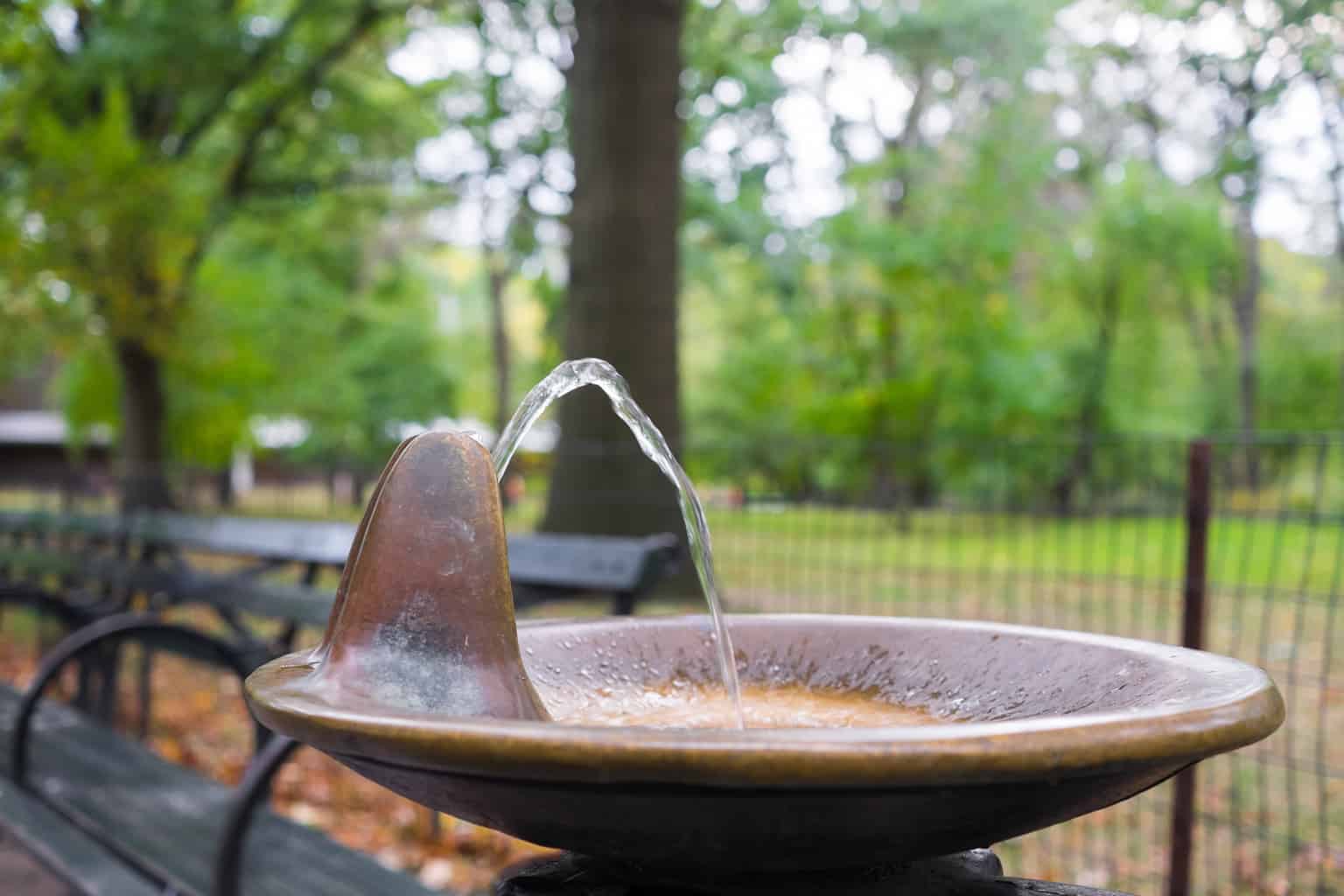
While New York City’s water supply is consistently excellent, it’s worth noting a few minor considerations, particularly concerning older buildings. Some very old buildings, particularly those constructed before 1986, might still have lead pipes connecting to the street main or lead plumbing within the building itself. Although the NYCDEP adds corrosion inhibitors to the water to prevent lead leaching, residents in such buildings are often advised to flush their taps for a minute or two in the morning or after extended periods of inactivity to clear out any water that may have been sitting in the pipes. This is a localized building-specific issue, not a problem with the city’s water source or distribution mains. For most tourists staying in modern hotels or well-maintained rental apartments, this is rarely a concern. Public water fountains, found in parks like Central Park and other public spaces, are also regularly maintained and safe for use, offering convenient spots for travelers to refill their bottles on the go.
Hydration and Lifestyle in New York
Staying hydrated is crucial for maintaining energy levels, especially when you’re navigating a vibrant city like New York with its endless walking, sightseeing, and immersive experiences. From catching a Broadway show to exploring the diverse neighborhoods of Manhattan, you’ll be on your feet for extended periods. Embracing New York’s tap water as your primary source of hydration is a seamless way to integrate into the local lifestyle. Many restaurants will readily serve tap water, and some even bottle it on-site, a testament to its quality. Hotels, from budget-friendly options to luxurious resorts, consistently provide safe tap water in rooms. Carrying a reusable water bottle not only keeps you hydrated but also serves as a subtle nod to local environmental consciousness. It’s a practical tip for any traveler, enabling you to focus on enjoying the city’s rich culture, incredible food, and unforgettable attractions without the constant worry of finding safe drinking water.
Beyond the Tap: New York’s Water Infrastructure as a Landmark
While the everyday practicality of clean drinking water is paramount, the sheer scale and ingenuity behind New York City’s water system are engineering marvels in their own right. This vast network of reservoirs, aqueducts, tunnels, and treatment facilities is more than just infrastructure; it represents centuries of planning, innovation, and a profound understanding of urban sustainability. For those fascinated by history, architecture, or simply the hidden workings of a major metropolis, New York’s water system offers an often-overlooked dimension to its identity, comparable in its historical significance to other iconic landmarks.
Engineering Marvels: Aqueducts and Tunnels
The construction of New York City’s water supply system involved some of the most ambitious engineering projects of their time. The Croton Aqueduct, completed in 1842, and its successor, the New Croton Aqueduct, built in 1890, revolutionized public health in the burgeoning city, dramatically reducing disease and enabling rapid population growth. These underground rivers, some large enough to drive a truck through, transport billions of gallons of water daily, relying almost entirely on gravity. The more modern Catskill and Delaware Aqueducts are even more impressive in scale, tunneling through mountains and under rivers to bring water from hundreds of miles away. These systems are so critical that they are considered the lifeblood of the city, requiring continuous maintenance and strategic upgrades, such as the recently completed third city water tunnel, a project decades in the making.
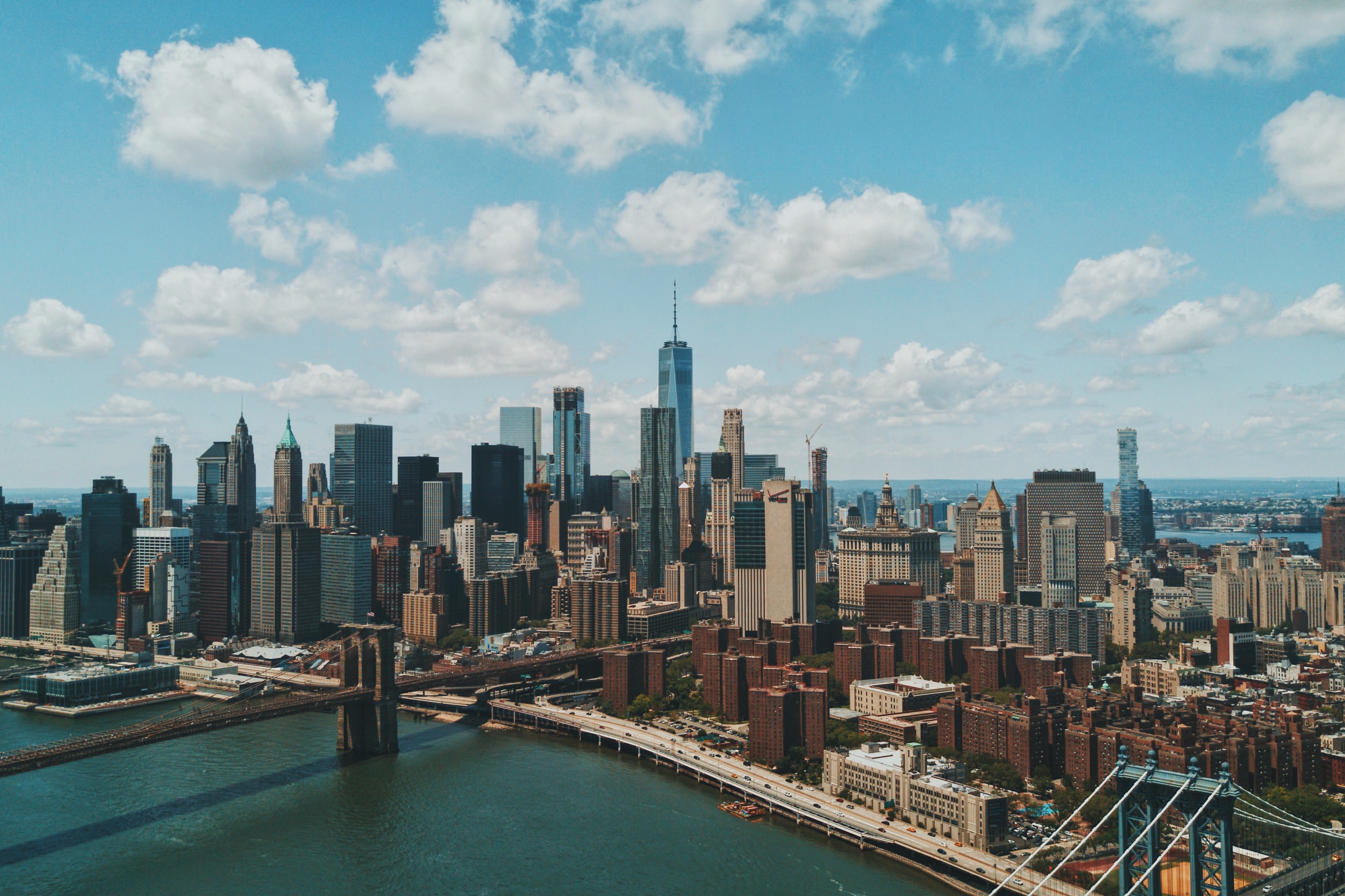
Understanding these subterranean arteries adds a layer of appreciation for the city’s visible landmarks. Imagine the engineering feats that had to be overcome to deliver this vital resource to every corner of Manhattan, Brooklyn, Queens, The Bronx, and Staten Island. It underscores the robust foundation upon which the city’s vibrant lifestyle is built, a testament to human ingenuity and foresight. These systems are not merely functional; they are monumental achievements that deserve recognition alongside the Statue of Liberty or the Brooklyn Bridge for their impact on New York’s development and its continuing status as a global hub. The fact that an organization like the American Water Works Association often highlights New York City’s system as a model speaks volumes about its distinction.
Water and New York City Life
The reliable and high-quality water supply has been instrumental in shaping New York City’s unique lifestyle and public spaces. From the iconic drinking fountains scattered throughout Central Park and other green spaces, offering refreshment to joggers and tourists alike, to the elegant public bathrooms found in major commercial centers, the constant availability of safe water is woven into the fabric of daily life. It supports the city’s thriving culinary scene, from its famous bagels and pizza, which many attribute partly to the specific mineral content of the local water, to the myriad of cafes and upscale restaurants.
The confidence in tap water also fosters a culture of sustainability among locals. The widespread use of refillable water bottles is commonplace, especially among those embracing an active lifestyle or commuting across the city. This aspect of conscious living extends to hotels and various accommodation providers, many of whom are actively promoting water conservation and encouraging guests to utilize the city’s tap water rather than relying on bottled alternatives. Thus, the city’s water infrastructure is not just a hidden network of pipes and tunnels but an active contributor to the daily rhythm, health, and environmental ethos that defines New York City as a premier destination for both residents and discerning travelers seeking an authentic and responsible experience.
Conclusion
In summary, the answer to “Is New York Water Safe To Drink?” is an emphatic and confident yes. Travelers and residents alike can fully trust the quality and safety of the tap water flowing throughout New York City. This assurance is not by chance but is the result of a meticulously managed system, from the pristine, protected upstate Catskill and Delaware Watersheds to the rigorous testing and treatment protocols overseen by the New York City Department of Environmental Protection (NYCDEP). The city’s investment in environmental protection and cutting-edge infrastructure has culminated in a drinking water supply that consistently meets, and often surpasses, the highest national and international standards.
For anyone planning a visit or considering long-term stays, this superior water quality offers numerous benefits. It means you can confidently refill your water bottle at your hotel, in public spaces, or at any restaurant, thereby reducing plastic waste and saving money. It contributes to a healthier lifestyle, ensuring you stay well-hydrated while exploring iconic landmarks like Times Square or enjoying the vibrant culture of different boroughs. Embracing New York’s tap water is not just a practical choice; it’s a step towards experiencing the city like a local and contributing to its sustainability efforts. So, whether you’re here for tourism, business, or a lifestyle change, drink freely and confidently. New York’s water is not just safe; it’s a point of civic pride and a testament to the city’s enduring commitment to public health and environmental stewardship. Enjoy your stay, and savor the taste of truly great water in the heart of the Big Apple.
LifeOutOfTheBox is a participant in the Amazon Services LLC Associates Program, an affiliate advertising program designed to provide a means for sites to earn advertising fees by advertising and linking to Amazon.com. Amazon, the Amazon logo, AmazonSupply, and the AmazonSupply logo are trademarks of Amazon.com, Inc. or its affiliates. As an Amazon Associate we earn affiliate commissions from qualifying purchases.