
Colorado, the Centennial State, beckons with its majestic Rocky Mountains, vibrant cities, and endless outdoor adventures. From skiing down powdery slopes in Vail or Aspen to exploring the cultural gems of Denver or the red rock formations near Colorado Springs, it offers an unforgettable experience for every traveler. As you plan your dream Colorado getaway, whether it’s a luxurious stay at The Broadmoor or a budget-friendly road trip through the national parks, one often-overlooked aspect of travel budgeting is sales tax. While it might not be the most exciting topic, understanding Colorado sales tax is crucial for smart financial planning and ensuring your trip remains within your desired lifestyle budget, preventing any unexpected surprises on your final bills.

For visitors, sales tax isn’t just a number; it’s a small percentage added to nearly everything you purchase, from your morning coffee to your souvenir ski jacket. Unlike some states with no sales tax, Colorado does levy a sales tax, and what makes it particularly interesting (and sometimes confusing) is the layered approach of state, county, and municipal taxes, along with various special district taxes. This intricate system means that the sales tax rate can vary significantly depending on where you are within the state, impacting the cost of your accommodation, dining, activities, and shopping. This guide will demystify Colorado sales tax, offering insights that will help you budget effectively for your next adventure, allowing you to focus more on the breathtaking scenery and less on unexpected expenses.
Understanding Colorado’s Sales Tax for Travelers
At its core, Colorado’s sales tax structure is relatively straightforward, but the nuances come into play when you factor in the various local jurisdictions. For travelers, this means that while the state’s baseline rate is consistent, the total percentage you pay can fluctuate dramatically from one town to the next, sometimes even within different parts of the same city. Recognizing these layers is the first step toward becoming a savvy traveler in the Centennial State.
State Sales Tax: The Baseline
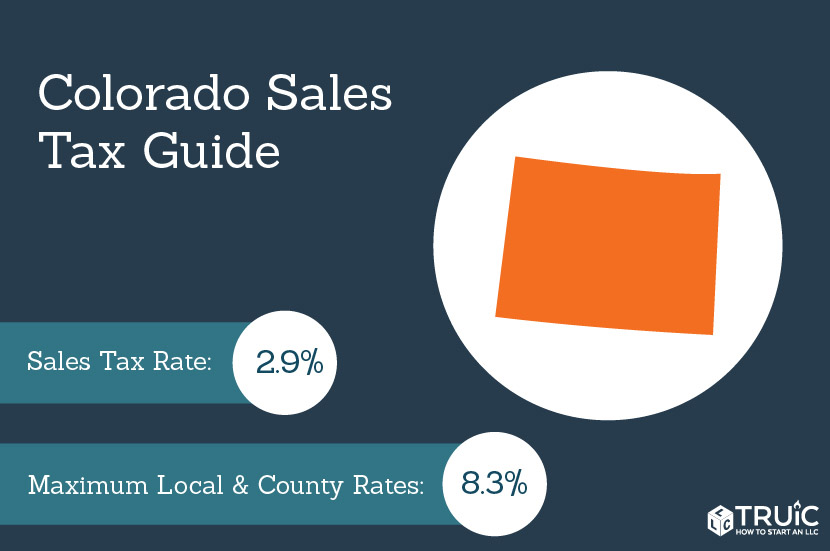
The foundation of Colorado’s sales tax system is the state sales tax, which applies uniformly across all transactions unless specifically exempted. As of the most recent updates, Colorado imposes a statewide sales tax rate of 2.9%. This is one of the lower state sales tax rates in the United States, which might initially lead travelers to believe that their purchases will be considerably cheaper. However, this base rate is just the beginning. This 2.9% is applied to the retail sale of tangible personal property and certain services. For instance, when you buy a new piece of hiking gear in Boulder or souvenirs in Durango, this 2.9% is always a component of the tax you pay. It’s important to note that certain items, such as most unprepared food items (groceries), prescription drugs, and some services, are generally exempt from this state sales tax, which can provide some relief for those managing their daily expenses during a longer stay.
Local Taxes: Where the Variation Begins
The true complexity, and where travelers often encounter surprises, lies in the addition of local sales taxes. Cities, counties, and various special districts in Colorado have the authority to levy their own sales taxes, which are stacked on top of the state’s 2.9%. This means that the combined sales tax rate can range significantly, often exceeding 8% or even 9% in certain popular destinations.
For example, a purchase made in downtown Denver will include the state tax, Denver city tax, and potentially other district taxes. Similarly, a ski resort town like Breckenridge or Telluride will have its own municipal tax rates, often higher than those found in less tourist-dependent areas, designed to fund local infrastructure and services that visitors frequently use. These local taxes directly impact the price of restaurant meals, clothing, general merchandise, and even admissions to attractions like the Denver Art Museum or tours of historic sites. Understanding that a simple dinner out might cost 5-7% more in one city than in another due to these local variations is crucial for accurate budgeting and avoiding sticker shock, especially if you’re planning an extended itinerary covering multiple Colorado regions.
Sales Tax Impact on Your Colorado Vacation Budget
The cumulative effect of state and local sales taxes, coupled with specific lodging taxes, can significantly sway your overall travel budget in Colorado. From luxurious resort stays to humble campground fees, and from gourmet dining to simple gas station snacks, understanding how these taxes apply to various aspects of your trip is key to managing your finances effectively.
Accommodation Costs and Lodging Taxes
When budgeting for a trip to Colorado, accommodation is often the largest single expense. While the general state sales tax of 2.9% typically applies to the rental of hotel rooms, vacation apartments, and other lodging, it’s the additional lodging taxes that really add up. Many Colorado cities and counties levy specific lodging taxes, also known as occupancy taxes, which are separate from general sales tax. These can vary widely, from a few percentage points to over 10% in some areas.
For instance, staying at a boutique hotel in Boulder, a sprawling resort near Keystone Resort, or a cozy Airbnb in Grand Junction will all incur these additional lodging taxes. A night at a premium establishment like the Hyatt Regency Denver could see a substantial chunk added to the advertised room rate once state sales tax and city/county lodging taxes are applied. For travelers planning a long-term stay, perhaps renting a villa or apartment for an extended period, these cumulative taxes can escalate quickly. Always check the total price, including all taxes and fees, before finalizing your booking to get an accurate picture of your accommodation expenses. This approach helps in comparing different accommodation options and ensuring your booked suite or resort falls within your planned budget.
Dining, Shopping, and Activities
Beyond lodging, almost every other aspect of your Colorado experience will be subject to sales tax.
- Dining: Eating out, from a quick bite at a food truck near Union Station in Denver to a fine dining experience in Aspen, will incur the full combined state and local sales tax rate applicable to that specific location. Remember, while unprepared groceries are often exempt from state sales tax, prepared foods consumed on-site or purchased for immediate consumption are generally taxable. So, that delicious microbrewery meal in Fort Collins or a hearty breakfast in Colorado Springs will have the local sales tax added to the bill.
- Shopping: Whether you’re buying outdoor gear, clothing, local artisan crafts, or souvenirs from a gift shop at Rocky Mountain National Park, sales tax will be applied. The higher combined rates in popular tourist hubs like Vail or Breckenridge mean that the same item could cost slightly more there than in a less bustling area. This is particularly relevant for those planning to splurge on luxury travel items or extensive souvenir hauls.
- Activities: Many recreational activities and experiences are also subject to sales tax. This includes lift tickets at ski resorts, guided tours, museum admissions, concert tickets, and equipment rentals for everything from skis to kayaks. When booking excursions or purchasing passes, factor in that an additional percentage will be added to the advertised price. Even seemingly small purchases throughout your day, like a bottled water or a snack from a convenience store, will accumulate these taxes.
Rental Cars and Transportation
For many visitors, especially those exploring the vast landscapes beyond Denver’s public transit system, renting a car is essential. Rental cars in Colorado are subject to the standard state sales tax and applicable local sales taxes. Additionally, Colorado imposes specific rental car surcharges and fees that are distinct from general sales tax. These fees often include a state rental car fee and sometimes local concession fees if you rent from an airport. While not strictly “sales tax,” these surcharges function similarly by increasing the total cost of your rental and should be factored into your transportation budget. A multi-day rental, particularly for a spacious SUV or a luxury vehicle suitable for mountain driving, can see these additional taxes and fees add a significant sum to the base rental rate. Always get a breakdown of the total cost, including all taxes and fees, when booking a rental car to avoid surprises at the counter.
Navigating Taxes in Popular Colorado Destinations
Given the significant variability in local sales tax rates, understanding how they differ across Colorado’s most visited destinations can save you money and headaches. Each region and city often has its own unique financial structure that impacts the final price of goods and services.
Denver, Boulder, and Front Range Cities
The populous Front Range corridor, encompassing cities like Denver, Boulder, Fort Collins, and Colorado Springs, is where many travelers begin their Colorado journey. These urban centers generally feature a combination of the 2.9% state sales tax plus various city and county sales taxes, often bringing the total to anywhere from 7% to over 8%.
- In Denver, for example, the combined sales tax rate (including city and various special districts) often hovers around 8.81% on most taxable purchases. This rate applies to your hotel stay, your meal in LoDo, and any souvenirs you pick up.
- Boulder, known for its vibrant downtown and proximity to outdoor activities, typically has a combined rate that can be slightly higher than Denver due to its specific city taxes.
- Colorado Springs, home to Garden of the Gods and a gateway to the southern Rockies, generally has a combined rate of around 8.25%.
Understanding these general ranges for the Front Range helps in budgeting for cultural experiences, diverse culinary explorations, and urban shopping sprees, whether you’re enjoying luxury travel or a more budget-conscious trip.
Mountain Resorts: Vail, Aspen, and Breckenridge
The famous mountain resort towns like Vail, Aspen, Breckenridge, Telluride, Winter Park, and Beaver Creek are renowned for their world-class skiing, upscale amenities, and often, higher cost of living. It’s no surprise that their sales tax rates can also be on the higher end, reflecting the extensive infrastructure and services required to support a thriving tourism industry.
- In Vail, the combined sales tax rate can push upwards of 9.4% or more, impacting everything from your ski pass to your après-ski dinner.
- Aspen, known for its luxury lifestyle and high-end boutiques, also features a higher combined sales tax, often in a similar range.
- Breckenridge, another popular destination, also applies a significant combined sales tax rate.
These elevated rates in resort areas mean that even small purchases can add up, making careful budgeting even more critical for those planning a mountain getaway, whether it’s for a family trip or a business stay at one of the many exquisite resorts.
Exploring National Parks and Rural Areas
Venturing into Colorado’s vast national parks and more rural, less populated areas offers a different tax landscape. Destinations like Rocky Mountain National Park, Great Sand Dunes National Park, or Mesa Verde National Park might not have the same high municipal sales taxes as the bustling cities or resort towns. However, purchases made in gateway towns or unincorporated areas will still be subject to the 2.9% state sales tax and typically a county sales tax.
For example, a purchase made in a small town outside Rocky Mountain National Park might have a combined sales tax rate closer to 5-6%, significantly lower than in Denver or Vail. If you’re planning an itinerary focused on nature, camping, and self-catering, understanding these lower rates can translate into minor savings. However, remember that options for shopping and dining might be more limited, and the cost of essential services or specialized gear in these remote areas could be higher due to logistics, even with a lower sales tax. Balancing these factors is part of the charm and challenge of exploring Colorado’s diverse landscapes.
Smart Budgeting Strategies for a Tax-Savvy Trip
Navigating the various layers of Colorado sales tax doesn’t have to be daunting. With a few smart budgeting strategies, you can ensure your trip remains enjoyable and financially sound, allowing you to maximize your experiences without any unexpected fiscal surprises. These tips are especially valuable for all types of travelers, from those on a tight budget to those indulging in luxury travel.
Planning Ahead for Hidden Costs
The most effective way to manage sales tax is to account for it from the very beginning of your trip planning.
- Research Specific Rates: Before you finalize your itinerary, do a quick search for the combined sales tax rates in the specific cities and counties you plan to visit. Websites for the Colorado Department of Revenue and individual city/county government sites often publish these rates. This will give you a clearer picture of how much extra to expect on your major purchases like accommodation, dining, and activities.
- All-Inclusive Pricing: When booking hotels or resorts, especially for longer stays, always ask for the “total price including all taxes and fees.” Many booking platforms will show a base rate, and then add taxes and other charges (like resort fees or destination fees) at the very end. Getting the final figure upfront helps prevent sticker shock. This is particularly relevant for premium accommodations or if you’re comparing different suite or resort options.
- Set a Buffer: Always budget a small buffer, perhaps an extra 5-10% beyond your initial estimates, for sales taxes and other miscellaneous expenses. This financial cushion will absorb any unexpected tax variations or impulse purchases, ensuring your trip remains stress-free.
Tips for Saving on Your Colorado Adventure
While sales tax is largely unavoidable on taxable items, there are ways to minimize its impact and stretch your travel dollars further.
- Self-Catering and Groceries: As unprepared food items (groceries) are generally exempt from Colorado’s state sales tax, consider purchasing groceries and preparing some of your own meals, especially if your accommodation includes a kitchen or kitchenette. This is a significant saving compared to dining out for every meal, which is subject to full sales tax. Even if you’re staying in a hotel without extensive cooking facilities, opting for picnic lunches or buying snacks and drinks from a grocery store rather than convenience stores will help reduce your overall taxable spending.
- Look for Tax-Exempt Experiences: Some experiences might be structured in a way that minimizes sales tax, though this is less common for typical tourist activities. For example, direct donations to non-profit organizations are generally not taxed. Focus on free attractions like hiking trails in Rocky Mountain National Park or exploring the natural beauty of Garden of the Gods, where the main cost is simply getting there.
- Prioritize Purchases: If you’re planning to buy specific items, like expensive outdoor gear or electronics, consider if purchasing them in a lower-tax area (if it aligns with your itinerary) could save you a few dollars. While this might not justify a special trip, it’s something to keep in mind if you’re passing through different towns.
- Public Transportation and Walking: Especially in cities like Denver and Boulder, utilizing public transportation or exploring on foot can reduce reliance on rental cars, thereby avoiding rental car fees and the associated sales tax. Many city attractions are within walking distance or easily accessible via bus or light rail. This aligns well with sustainable tourism practices and provides a more immersive local experience.
By understanding what Colorado sales tax entails and proactively incorporating it into your budget, you can embark on your adventure with confidence. Whether you’re seeking the thrill of the slopes, the tranquility of a mountain lake, or the vibrant culture of its cities, being tax-savvy ensures your focus remains on creating unforgettable memories in the stunning Centennial State.
LifeOutOfTheBox is a participant in the Amazon Services LLC Associates Program, an affiliate advertising program designed to provide a means for sites to earn advertising fees by advertising and linking to Amazon.com. Amazon, the Amazon logo, AmazonSupply, and the AmazonSupply logo are trademarks of Amazon.com, Inc. or its affiliates. As an Amazon Associate we earn affiliate commissions from qualifying purchases.