
Embarking on a journey across the vast and diverse landscapes of Nevada from the dazzling lights of Las Vegas to the vibrant “Biggest Little City in the World,” Reno, promises an unforgettable adventure. This iconic route cuts through some of America’s most striking natural beauty and offers a unique blend of urban excitement and serene wilderness. Whether you’re planning a direct drive, a leisurely road trip peppered with scenic detours, or considering alternative modes of transport, understanding the distance, potential routes, and available amenities is key to a rewarding experience. Our comprehensive guide will navigate you through everything you need to know, from mileage and driving times to must-see attractions, accommodation options, and crucial travel tips, ensuring your journey is as smooth and enjoyable as possible.
The distance between Las Vegas and Reno isn’t just a number; it represents a passage through the heart of the Silver State, revealing its rich history, geological wonders, and a lifestyle that seamlessly blends adrenaline-pumping entertainment with laid-back charm. This expedition is more than just getting from point A to point B; it’s an invitation to explore the true essence of the American West, offering insights into local culture, culinary delights, and a diverse array of activities suitable for every type of traveler, from luxury seekers to budget-conscious adventurers, families, and business travelers alike.
The Journey Unveiled: Distance and Driving Routes
The expanse separating Las Vegas and Reno is considerable, typically spanning around 440 to 450 miles, depending on the exact route taken. This distance translates to an average driving time of approximately 6.5 to 7.5 hours without significant stops, though the allure of Nevada’s diverse landscape often encourages travelers to extend this duration. Choosing your path involves more than just speed; it’s about deciding what kind of experience you wish to have, whether a direct transit or a meandering exploration of the state’s hidden treasures.
The Direct Path: I-95 and US-95 North
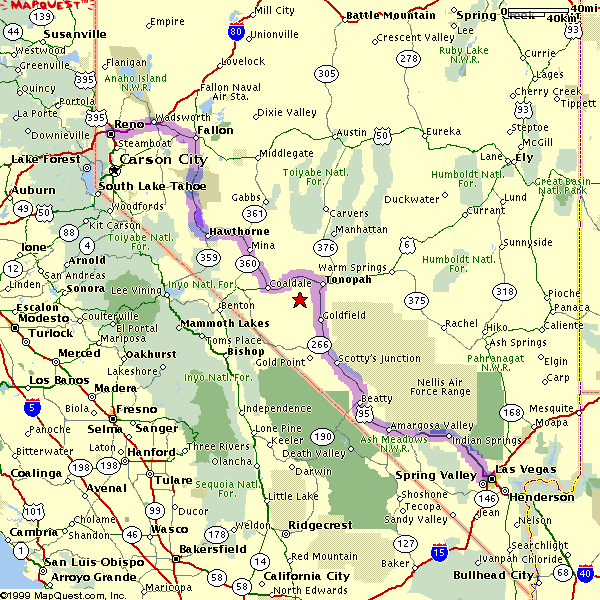
The most common and efficient way to travel from Las Vegas to Reno is primarily via US-95 North. This route offers a straightforward drive, largely bypassing major population centers after leaving the Las Vegas metropolitan area. It’s characterized by long stretches of open road, passing through vast desert landscapes, high desert plains, and small, historic mining towns that dot the Nevada terrain.
Starting from Las Vegas, you’ll head northwest on US-95 North. The initial part of the journey takes you through the edges of the Mojave Desert, gradually transitioning into the cooler, higher elevations of the Great Basin Desert. Towns like Indian Springs, Beatty, Goldfield, and Tonopah serve as potential fuel stops and offer glimpses into Nevada’s rich mining history. Tonopah, often referred to as the “Queen of the Silver Camps,” is a particularly interesting stop, with its historic Tonopah Historic Mining Park and the famously haunted Clown Motel.
Further north, US-95 continues towards Hawthorne, home to the world’s largest ammunition depot, and then to Schurz near Walker Lake, an ancient natural lake. From here, you’ll generally connect with US-50 West near Fallon and continue towards Reno, passing through the agricultural heartland of Nevada. While direct, this route still offers expansive views and a sense of remote beauty, allowing travelers to appreciate the stark contrasts of the Nevada landscape.
The Scenic Detour: Embracing Nevada’s Natural Beauty
For those with more time and a desire to immerse themselves in breathtaking natural landscapes, a slightly longer but infinitely more picturesque route via US-395 North offers an unparalleled experience. This option takes you westward from Las Vegas towards the California border, eventually linking up with US-395 North through the stunning Eastern Sierra region before re-entering Nevada near Lake Tahoe.
From Las Vegas, you might head towards Pahrump and then north towards Death Valley National Park. While traversing Death Valley adds significant mileage and time, especially in the summer heat, the surreal landscapes, salt flats, and unique geological formations make it an extraordinary detour. Following California State Route 190 or similar roads will lead you to US-395 North near Lone Pine.
The drive along US-395 North is legendary. It skirts the eastern edge of the Sierra Nevada mountains, offering continuous panoramic views of towering peaks, alpine forests, and crystal-clear lakes. You’ll pass through charming towns like Bishop, Mammoth Lakes, and June Lake, each offering recreational opportunities like hiking, fishing, and skiing depending on the season. The route eventually brings you to the south shore of Lake Tahoe, where you can opt for a scenic drive around the lake itself, visiting places like South Lake Tahoe and Stateline on the border of Nevada and California. From Lake Tahoe, Reno is a relatively short drive north, usually via US-395 North or NV-431 (Mount Rose Highway), offering a final majestic descent into the city. This scenic option is perfect for those who want to turn the journey into a destination in itself, prioritizing natural beauty and outdoor exploration.
Essential Stopovers and Hidden Gems Along the Way
No road trip through Nevada is complete without a few well-chosen stops. Both the direct and scenic routes offer unique attractions that range from natural wonders to historic towns, providing opportunities for rest, rejuvenation, and memorable experiences. These stopovers not only break up the long drive but also enrich your understanding of the region’s diverse offerings, aligning perfectly with themes of tourism and landmarks.
Natural Wonders and Outdoor Adventures
The landscapes between Las Vegas and Reno are a testament to nature’s artistry.
- Near Las Vegas: Before you even hit the open road, consider a short detour to the Red Rock Canyon National Conservation Area. Just a few miles west of the city, its vibrant red sandstone peaks and seasonal waterfalls offer spectacular hiking and photography opportunities. Alternatively, the breathtaking geological formations of Valley of Fire State Park (northeast of Las Vegas) and the engineering marvel of the Hoover Dam (southeast) provide excellent pre-road trip excursions.
- Along US-95 North: The vastness of the Great Basin Desert itself is a wonder. Keep an eye out for wildlife, particularly wild horses, and enjoy the pristine dark skies at night, perfect for stargazing. Walker Lake near Hawthorne offers beautiful lakeside views and fishing opportunities. Further off the main path, but still accessible, Berlin-Ichthyosaur State Park preserves both a historic ghost town and the fossilized remains of ancient marine reptiles, a fascinating blend of history and paleontology.
- Along US-395 North (Scenic Route): This route is an outdoor enthusiast’s dream. Lake Tahoe stands out as a jewel, offering year-round activities from skiing and snowboarding at resorts like Heavenly Mountain Resort and Squaw Valley Alpine Meadows (now Palisades Tahoe) to kayaking, paddleboarding, and hiking along its scenic trails. Other highlights include the Ancient Bristlecone Pine Forest in the White Mountains (a significant detour, but home to some of the oldest living organisms on Earth) and the otherworldly landscapes of Mono Lake with its unique tufa towers.
Quaint Towns and Unique Experiences
Beyond the natural grandeur, Nevada’s towns offer a glimpse into its past and present culture.
- Tonopah: As mentioned, this historic mining town is a must-see for history buffs. Explore the Tonopah Historic Mining Park and spend a night in the haunted Mizpah Hotel or the quirky Clown Motel for a truly unique accommodation experience.
- Goldfield: Another former boomtown, Goldfield boasts intriguing remnants of its prosperous past, including a historic hotel and numerous dilapidated structures that serve as photographic subjects.
- Hawthorne: Home to the Hawthorne Army Depot and the Hawthorne Ordnance Museum, this town offers a glimpse into military history.
- Carson City: If taking the scenic route or desiring a detour from Reno, Nevada’s capital, Carson City, is rich in history. Visit the Nevada State Museum or stroll through its historic district.
- Virginia City: A short drive from Reno and Carson City, Virginia City is a living ghost town, preserving the glory days of the Comstock Lode silver rush. Ride a historic train, explore old saloons, and immerse yourself in the Wild West.
- Fallon: Known as the “Oasis of Nevada” for its fertile farmlands, Fallon offers a different side of the state with agricultural tours and the nearby Stillwater National Wildlife Refuge for birdwatching.

Beyond the Drive: Alternative Transportation Options
While a road trip offers unparalleled flexibility and the chance to explore at your own pace, driving isn’t the only way to travel between Las Vegas and Reno. For those preferring not to drive, or seeking a quicker alternative, air travel, buses, and even the concept of a scenic train journey (though not direct) present viable options, catering to different budgets and travel styles.
Taking to the Skies: Flights Between Nevada’s Hubs
The quickest way to bridge the distance between Las Vegas and Reno is by air. Several airlines offer direct flights, typically taking around 1 to 1.5 hours.
- Airlines: Major carriers like Southwest Airlines and Spirit Airlines (and sometimes others depending on demand) frequently operate routes between Harry Reid International Airport (LAS) in Las Vegas and Reno-Tahoe International Airport (RNO).
- Benefits: Speed, convenience, and often competitive pricing, especially if booked in advance. This option is ideal for business travelers or those with limited time who want to maximize their stay in each city without the added travel time of driving.
- Considerations: Factor in airport check-in times, security, and travel to and from the airports in both cities. While the flight itself is short, the entire process can take 3-4 hours door-to-door. Baggage fees might also apply, affecting budget travel plans.
Bus and Rail: A More Relaxed Pace
For budget-conscious travelers or those who prefer to sit back and enjoy the journey without the stress of driving, bus services offer a practical solution.
- Bus Services: Greyhound operates daily bus services between Las Vegas and Reno. The journey is considerably longer than driving, typically ranging from 9 to 12 hours due to multiple stops and transfers, but it’s a cost-effective option.
- Benefits: Affordability, no need to rent a car or navigate, and the opportunity to relax or work during transit.
- Considerations: Longer travel times, potentially less comfortable than a private vehicle or flight, and fewer scenic route options.
- Rail (Indirect): While there’s no direct train service between Las Vegas and Reno, a truly unique and scenic rail journey could be pieced together. One could travel from Las Vegas to Los Angeles by bus or air, and then take an Amtrak train like the California Zephyr or Coast Starlight that passes through northern California and connects to Reno via a bus link or another train from the Bay Area. This is a significantly longer and more complex option, primarily for rail enthusiasts who value the journey itself over efficiency.
Maximizing Your Stay: Hotels, Attractions, and Local Culture
Whether you begin or end your journey in Las Vegas or Reno, both cities offer a rich tapestry of experiences, from world-class accommodation to unique cultural attractions and diverse culinary scenes. Understanding what each city has to offer is crucial for planning your itinerary and making the most of your travel.
Las Vegas: The Entertainment Capital of the World
Las Vegas is synonymous with glamour, excitement, and unparalleled entertainment. It’s a city designed to dazzle, offering something for everyone.
- Hotels and Resorts: The city boasts some of the world’s most iconic hotels and resorts, each a destination in itself. For luxury travel, consider staying at the Bellagio with its famous fountains, the opulent The Venetian Resort Las Vegas, or the majestic Caesars Palace. Mid-range options like MGM Grand and New York-New York Hotel & Casino offer vibrant experiences, while budget-friendly choices like Circus Circus Hotel and Casino cater to families and those watching their wallets. Many resorts offer suites, villas, and apartments, providing diverse accommodation styles.
- Attractions and Experiences: Beyond gambling, Las Vegas is home to world-class shows, from resident performers like Cirque du Soleil to top musical acts. Explore the Fremont Street Experience downtown for a different vibe, visit the Neon Museum for a historical art experience, or enjoy high-end shopping and dining along The Strip. For outdoor activities, the nearby Red Rock Canyon offers hiking and rock climbing.
- Local Culture and Food: Las Vegas offers a global culinary journey, from celebrity chef restaurants to diverse ethnic eateries. Explore local gems off The Strip for authentic and budget-friendly meals. The city’s lifestyle caters to every whim, whether it’s a luxurious spa day, a lively pool party, or a quiet round of golf.
Reno: The Biggest Little City in the World
Reno, while smaller than Las Vegas, possesses its own unique charm, blending casino action with a vibrant arts scene and proximity to outdoor adventures.
- Hotels and Resorts: Reno also boasts impressive hotels. The Peppermill Resort Spa Casino is known for its luxurious amenities and spa, while the Grand Sierra Resort and Casino offers a wide array of entertainment, including a bowling alley and cinema. The Eldorado Resort Casino Reno is another popular choice downtown, known for its dining options and classic casino atmosphere. For those seeking more boutique or budget-friendly accommodation, there are numerous hotels and motels closer to the Riverwalk District.
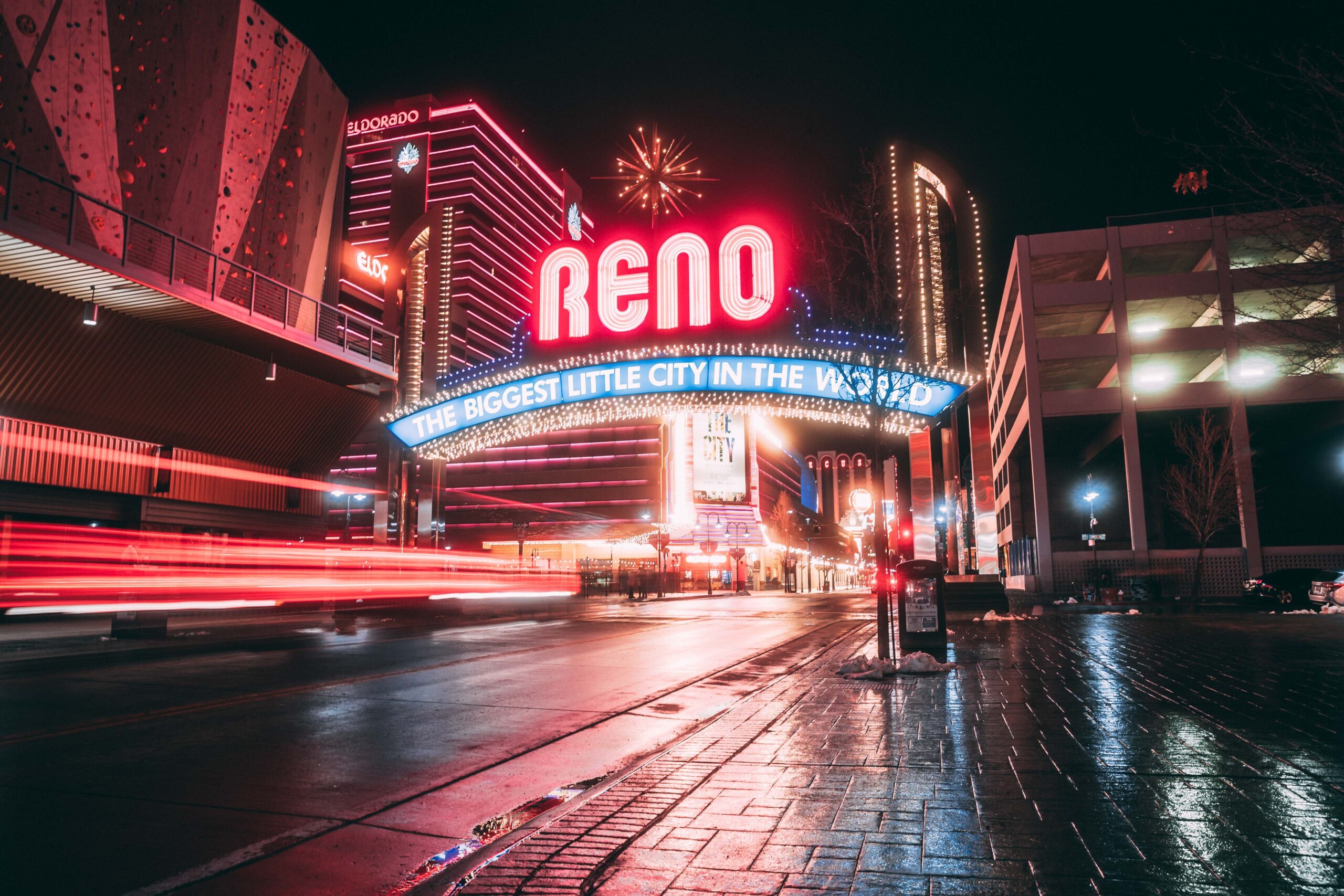
- Attractions and Experiences: Don’t miss the iconic Reno Arch and a stroll along the Truckee Riverwalk, which offers cafes, shops, and art installations. The National Automobile Museum, home to the Harrah Collection of classic cars, is a must-visit for enthusiasts. For sports fans, the National Bowling Stadium is an impressive landmark. Reno’s proximity to Lake Tahoe means world-class skiing, hiking, and water sports are just a short drive away.
- Local Culture and Food: Reno’s food scene is growing, with an emphasis on farm-to-table dining and craft breweries. The Riverwalk District is a hub for dining and local culture. The city hosts numerous events and festivals throughout the year, including Hot August Nights (classic car show) and the Great Reno Balloon Race, offering unique experiences that showcase Nevada’s community spirit.
Planning Your Trip: Accommodation and Lifestyle Considerations
A well-planned trip enhances the overall experience, especially when navigating the diverse offerings between Las Vegas and Reno. From securing the right accommodation to embracing specific travel lifestyles, thoughtful preparation can make all the difference.
Booking Your Stay: From Luxury Resorts to Budget-Friendly Options
Accommodation choices significantly impact the overall tone and budget of your trip. Both Las Vegas and Reno, as well as towns along the routes, offer a wide spectrum.
- Las Vegas Accommodation:
- Luxury: Resorts like The Cosmopolitan of Las Vegas, Wynn Las Vegas, and ARIA Resort & Casino provide opulent suites, fine dining, and extensive amenities like spas and designer boutiques. These cater to those seeking a high-end lifestyle experience.
- Mid-Range: Properties such as Park MGM, Planet Hollywood Resort & Casino, and Luxor Hotel and Casino offer comfortable rooms, diverse entertainment, and solid value.
- Budget: Options like Stratosphere Casino, Hotel & Tower (now The STRAT Hotel, Casino & Skypod) or properties off The Strip can provide more economical stays, perfect for budget travelers or long-term stays. Consider booking in advance, especially during peak seasons or major conventions, to secure better rates and availability.
- Reno Accommodation:
- Luxury/Resort: Atlantis Casino Resort Spa and Silver Legacy Resort Casino offer high-end experiences with spas, multiple dining options, and entertainment.
- Mid-Range: Downtown hotels like Circus Circus Reno (part of the Row Reno complex) or independent hotels offer good value with easy access to attractions.
- Budget: Motels and smaller hotels provide affordable options, often suitable for travelers focusing on outdoor activities around Lake Tahoe or those on a tight budget.
- Along the Route: For road trippers, small towns like Tonopah and Hawthorne offer basic motels and historic hotels, often providing a unique, local experience. Booking ahead is advisable, especially in more remote areas where choices are limited. Comparison websites and reviews are invaluable tools for finding the best deals and ensuring a pleasant stay.
Tailoring Your Journey: Lifestyle Choices and Travel Tips
Your travel style dictates many aspects of your trip, from the route you choose to the activities you pursue.
- Luxury Travel: If luxury is your priority, opt for the scenic route through the Eastern Sierra and Lake Tahoe, staying at upscale resorts in Las Vegas and Reno and indulging in fine dining. Consider hiring a luxury car for the drive or flying private.
- Budget Travel: For those on a budget, stick to the direct US-95 North route, pack snacks and drinks, and choose budget-friendly accommodations. Bus travel is a very economical alternative. Look for free attractions and deals on activities.
- Family Trips: Both cities offer family-friendly attractions. In Las Vegas, consider hotels with large pools or family-oriented entertainment. In Reno, Wild Island Family Adventure Park and the proximity to Lake Tahoe’s outdoor activities are ideal. Plan stopovers with parks or interesting landmarks to keep children engaged.
- Business Stays: If traveling for business, consider flying for efficiency. Hotels in both cities cater to business travelers with meeting facilities, business centers, and reliable Wi-Fi. Many resorts also offer corporate rates and long-term stay options.
- General Tips:
- Best Time to Travel: Spring (April-May) and Fall (September-October) offer the most pleasant weather for driving and outdoor activities. Summers in Nevada can be extremely hot, especially in the southern parts and Death Valley. Winters can bring snow and icy conditions, particularly on mountain passes on the scenic route.
- Packing: Pack layers, as desert temperatures can fluctuate dramatically between day and night. Bring plenty of water, especially for road trips, as services can be sparse on remote stretches. Sunscreen, hats, and sunglasses are essential.
- Vehicle Preparation: If driving, ensure your vehicle is in good condition, especially tires and fluid levels. It’s wise to carry an emergency kit.
- Flexibility: While planning is good, allow for some spontaneity. You might discover a charming diner or a captivating viewpoint that wasn’t in your original itinerary.
The journey from Las Vegas to Reno is more than just a matter of distance; it’s an opportunity to experience the diverse heart of Nevada. Whether you opt for the direct path through the desert’s stark beauty or the scenic route skirting the majestic Sierra Nevada, each mile unfolds a new facet of this remarkable state. With careful planning, a sense of adventure, and the insights provided, your trip between these two iconic cities will undoubtedly be a highlight of your travel experiences.
LifeOutOfTheBox is a participant in the Amazon Services LLC Associates Program, an affiliate advertising program designed to provide a means for sites to earn advertising fees by advertising and linking to Amazon.com. Amazon, the Amazon logo, AmazonSupply, and the AmazonSupply logo are trademarks of Amazon.com, Inc. or its affiliates. As an Amazon Associate we earn affiliate commissions from qualifying purchases.