
Colorado, a state synonymous with majestic mountains, vibrant cities, and an unparalleled outdoor lifestyle, captivates millions of travelers annually. Whether you’re planning a thrilling skiing adventure in Vail, a cultural exploration in Denver, or a serene escape into the Rocky Mountains, understanding its time zone is a crucial first step for seamless travel and accommodation planning. So, for those pondering “What time is Colorado in?”, the answer is straightforward yet impactful: Colorado primarily observes Mountain Time (MT). This means it operates under Mountain Standard Time (MST) for roughly five months of the year and transitions to Mountain Daylight Time (MDT) during the warmer seasons.

This temporal detail isn’t merely a matter of setting your watch; it influences everything from flight schedules and hotel check-ins to the timing of your outdoor activities and your ability to connect with loved ones back home. For avid travelers and prospective visitors, grasping the nuances of Colorado’s time zone ensures a more organized, enjoyable, and well-adjusted experience, allowing you to fully immerse yourself in the Centennial State’s rich culture and breathtaking landscapes.
Understanding Time Zones in the Centennial State
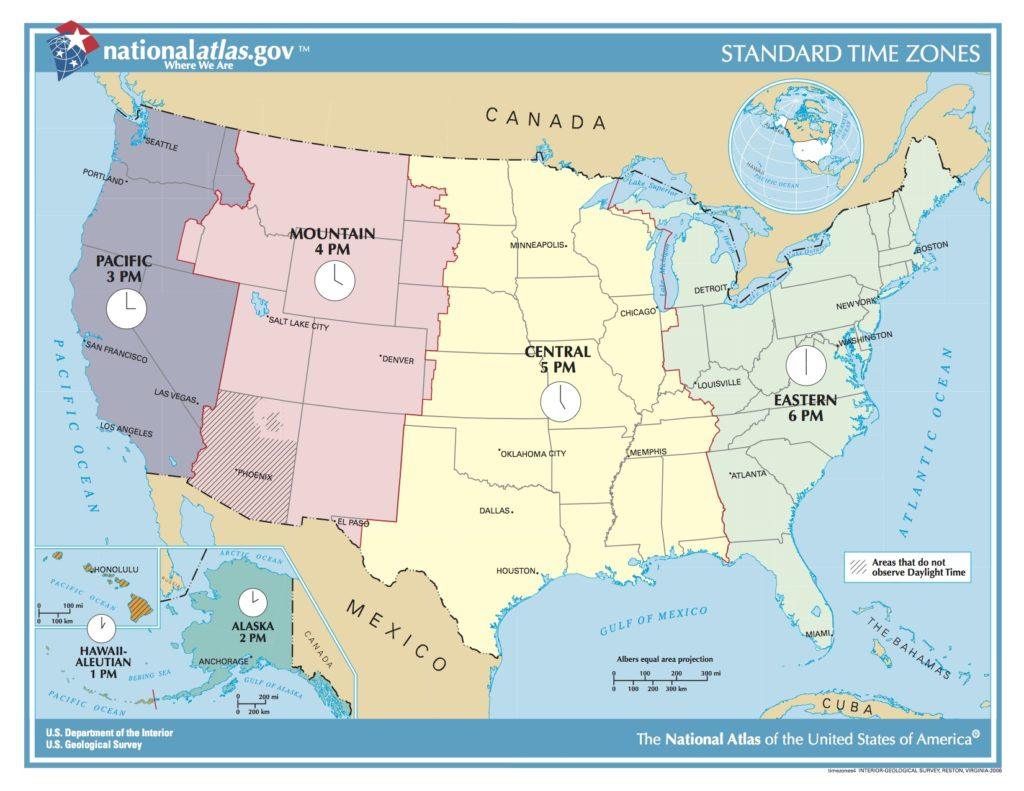
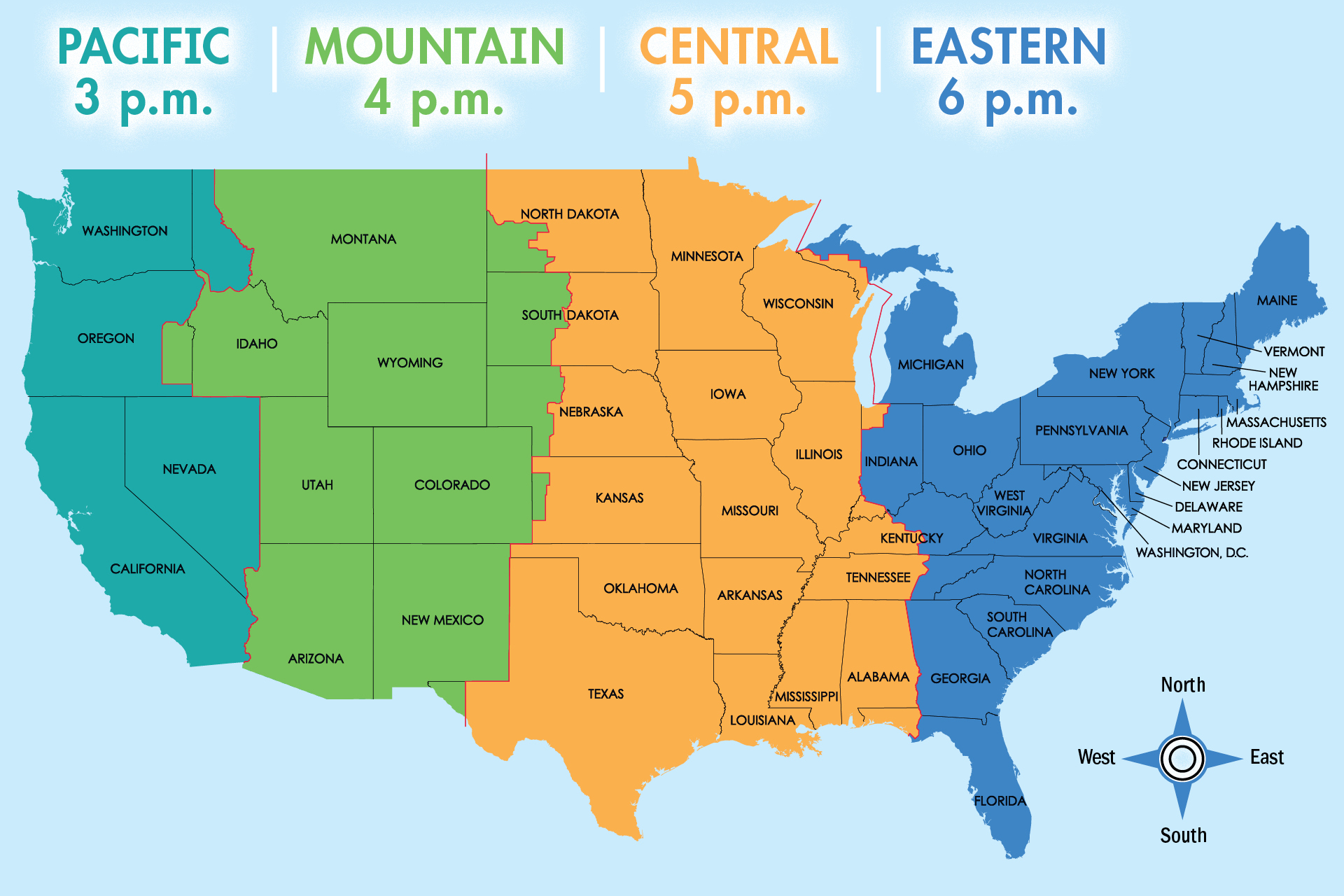
Colorado’s geographical placement in the Western United States positions it within the Mountain Time Zone, a designation it shares with several other states. This continental time zone governs the daily rhythm for millions, dictating business hours, school schedules, and the timing of local events. For visitors, this means anticipating a time shift that can range from one to three hours if arriving from the Pacific or Eastern Time Zones within the U.S. alone, let alone international arrivals.
Mountain Time Zone Explained
The Mountain Time Zone (MT) spans a significant portion of the North American continent, encompassing states such as Colorado, New Mexico, Utah, Wyoming, Montana, and parts of Idaho, Arizona (which largely does not observe Daylight Saving Time), North Dakota, South Dakota, Nebraska, Kansas, and Texas. During the standard period, Mountain Standard Time (MST) is in effect, which is UTC-7 hours (seven hours behind Coordinated Universal Time). This timing is designed to maximize daylight during the working day, aligning natural light with daily activities, which is particularly beneficial for a state so deeply connected to its outdoor environment. When planning tourism activities, such as visiting national parks or attending local festivals, being aware of this baseline time is essential for optimal scheduling. The slightly later sunset, especially noticeable in summer, often means more time to enjoy Colorado’s stunning natural beauty after typical work hours, perfectly catering to a vibrant post-activity lifestyle.
Daylight Saving Time in Colorado
As with most of the United States, Colorado observes Daylight Saving Time (DST). This annual adjustment occurs on the second Sunday in March when clocks “spring forward” one hour, shifting from Mountain Standard Time (MST) to Mountain Daylight Time (MDT). During MDT, Colorado is UTC-6 hours, providing an extra hour of daylight in the evening. This change is particularly welcomed by those partaking in Colorado’s myriad outdoor activities, from hiking in the Rocky Mountain National Park to enjoying an evening stroll through Denver’s 16th Street Mall.
The clocks then “fall back” one hour on the first Sunday in November, returning to MST. These transitions can sometimes catch travelers off guard, particularly if their arrival or departure dates coincide with these changes. It’s always prudent to confirm flight times, hotel bookings, and scheduled tours with local businesses, such as a resort in Aspen or an attraction in Colorado Springs, to ensure you’re operating on the correct local time and avoid any mix-ups during these bi-annual shifts.
Planning Your Trip Around Colorado’s Time Zone
A memorable Colorado experience begins with thoughtful planning, and factoring in the time zone is indispensable. It affects your initial adjustment, how you schedule your days, and even your overall energy levels.
Arriving in Colorado: Battling Jet Lag and Scheduling Flights
For visitors traveling from time zones further east (e.g., Central or Eastern Time Zones), the shift to Mountain Time can induce a mild form of jet lag. A two or three-hour difference, while less severe than international travel, can still impact your sleep patterns and energy during the first day or two. To mitigate this, consider scheduling your arrival at Denver International Airport (DIA) earlier in the day. This allows more daylight hours for your body to adjust to the new rhythm, even if it’s just by taking a leisurely walk or enjoying a casual meal.
Many accommodations, from upscale hotels in Downtown Denver to charming villas in mountain towns like Breckenridge, often offer luggage storage or early check-in options, which can be invaluable. Adjusting your watches and electronic devices to Mountain Time immediately upon arrival is a simple yet powerful psychological and practical step. Prioritizing hydration and light activity on your first day can also significantly aid in a smoother transition.
Coordinating Business and Leisure Activities
Colorado’s appeal lies in its dynamic blend of economic opportunity and boundless recreational activities. For business travelers or digital nomads, understanding the Mountain Time offset is vital for virtual meetings or client calls. A 10 AM meeting in New York City (Eastern Time) means a 7 AM start in Denver, requiring an early wake-up. Conversely, collaborating with colleagues on the West Coast might extend your workday slightly later into the evening.
For leisure travelers, this synchronization extends to booking popular tours (e.g., at Mesa Verde National Park), securing dining reservations at renowned restaurants, or attending events at venues like Red Rocks Amphitheatre. Always double-check operating hours and reservation times against local Mountain Time to ensure you don’t miss out on planned experiences.
Making the Most of Daylight: Colorado’s Outdoor Adventures
The allure of Colorado largely revolves around its outdoor activities. From summer hiking and mountain biking to winter skiing and snowboarding at world-class resorts like Telluride or Winter Park, maximizing daylight is essential. During Daylight Saving Time, the extended evening daylight is a huge advantage, allowing for longer outdoor excursions, scenic drives near Estes Park, or even a round of golf at courses near Castle Rock after a day of sightseeing.
In contrast, during the winter months, when daylight hours are shorter, meticulous planning of morning activities becomes paramount. Many ski areas and national parks have specific operating hours that align with the natural light, with lift closures or trail access restrictions happening earlier in the afternoon. Consulting local guides or official park websites for the most up-to-date information, always noting the Mountain Time schedule, is crucial for both enjoyment and safety.
Exploring Colorado: Iconic Destinations and Their Timings
Colorado’s vast and varied landscape offers an abundance of iconic destinations, each with its own rhythm and operating hours, all fundamentally governed by Mountain Time.
Urban Adventures: Denver and Colorado Springs
Denver, the vibrant state capital, is a hub for culture, art, and diverse culinary experiences. Attractions such as the Denver Art Museum, the Denver Museum of Nature & Science, and the Denver Botanic Gardens typically adhere to standard city hours, opening mid-morning and closing in the late afternoon or early evening. Similarly, Colorado Springs, famed for Pikes Peak and the stunning Garden of the Gods, follows a similar schedule.
When navigating these urban centers, factor in travel time between attractions and remember that “rush hour” in Mountain Time might differ from what you’re accustomed to. Early mornings are often ideal for experiencing popular outdoor sites with fewer crowds and cooler temperatures. Evening activities, from fine dining to catching a game at Coors Field, are perfectly aligned with the local evening pace, allowing visitors to fully immerse themselves in the city’s lively lifestyle.
Alpine Escapes: Aspen, Vail, and the Rocky Mountains
For those drawn to Colorado’s majestic high country, towns like Aspen and Vail offer world-class alpine experiences. Ski resorts typically operate their lifts from around 8:30 AM or 9 AM until 3:30 PM or 4 PM, with precise timings depending on the season and specific resort (e.g., Beaver Creek). These hours are carefully set to align with daylight cycles and safety considerations inherent to mountain environments. During the warmer months, activities like scenic gondola rides or mountain biking will also follow daylight-dependent schedules.
When booking your accommodation – perhaps a luxurious suite in Frisco or a cozy apartment in Telluride – always confirm the operating hours for any planned activities. The sheer scale of the Rocky Mountains means that travel between towns and attractions can be lengthy. Therefore, accurately accounting for Mountain Time in your road trip itineraries is essential to avoid missing tour times or arriving at your hotel after check-in has closed.
Historical Wonders and Natural Beauty: Mesa Verde National Park and Beyond
Colorado is also home to profound historical sites and unique natural landmarks. Mesa Verde National Park, a UNESCO World Heritage Site near Cortez, offers an extraordinary glimpse into the lives of the Ancestral Puebloans. Guided tours of its ancient cliff dwellings operate on strict schedules to preserve these fragile historical sites.
Similarly, exploring the otherworldly Great Sand Dunes National Park and Preserve near Alamosa, or the geological wonders of Roxborough State Park outside Littleton, requires adherence to their specific operational hours, all set to Mountain Time. Given that many of these attractions are in more remote areas, punctuality is critical; missing a scheduled tour could mean a substantial wait for the next available slot. Diligent planning of your travel routes and allowing for generous buffer time will ensure a smooth and enriching exploration of Colorado’s invaluable treasures.
Accommodation and Lifestyle Considerations
The local time zone profoundly influences the daily rhythm of life in Colorado, from the practicalities of booking accommodation to the scheduling of social activities, shaping the overall lifestyle for both residents and visitors.
Hotel Check-ins and Check-outs: Mountain Time Implications
When securing your stay in Colorado – be it a luxury resort, a boutique hotel, or a cozy vacation rental – standard check-in times typically fall between 3 PM and 4 PM Mountain Time, with check-out usually around 11 AM or 12 PM. If you’re arriving from a distant time zone, particularly with an early morning flight, you might face several hours before your room is ready. Conversely, a late afternoon departure could mean checking out well before your flight, necessitating luggage storage solutions.
Many hotels, especially those offering luxury suites or catering to business travelers, are accustomed to these needs and often provide flexible options or concierge services to assist. It’s always advisable to confirm these details in advance, especially during peak seasons or when staying at unique accommodations that might have more rigid schedules, such as a historic inn in Golden or an apartment rental in Boulder.
Dining and Entertainment Schedules
Colorado’s diverse culinary scene and vibrant entertainment options are naturally timed to the Mountain Time Zone. Breakfast services at hotels and cafes generally commence by 7 AM, with lunch typically served from 11:30 AM to 2 PM. Dinner service usually begins around 5 PM and can extend late into the evening, particularly in bustling downtown areas like Denver or Fort Collins.
Nightlife, encompassing bars, live music venues, and theaters, often comes alive after 8 PM and continues until local closing times. When making dining reservations, always confirm the local time and consider how it aligns with your internal clock. A later dinner in Mountain Time might feel like an earlier one if you’re accustomed to the Eastern Time Zone, potentially making your adjustment smoother or prompting a deliberate shift in your dining habits.
Remote Work and Digital Nomad Lifestyle
For the increasing number of digital nomads and remote workers, Colorado’s Mountain Time Zone offers both distinct advantages and challenges. The state boasts excellent connectivity and a high quality of life, making it an attractive base. However, if your team or clients are predominantly on the East Coast, your workday will likely begin earlier in Colorado to align with their schedules. Conversely, collaborations with individuals on the West Coast might extend your workday later into the evening.
Many co-working spaces and hotels equipped with robust business amenities cater to this flexible lifestyle. Understanding the time difference is paramount for seamless communication, meeting deadlines, and maintaining a healthy work-life balance while still enjoying Colorado’s breathtaking natural beauty. Opting for an extended-stay hotel or a furnished apartment can provide the comfort and flexibility needed to establish a productive temporary office.
Essential Tips for a Seamless Colorado Experience
Navigating time zones doesn’t have to be a source of stress. With a few proactive steps, you can ensure your visit to Colorado is as smooth and enjoyable as possible, regardless of your origin.
Setting Your Devices
The simplest and most crucial tip is to ensure all your electronic devices – smartphones, tablets, laptops, and smartwatches – are configured to automatically update their time zones. Upon landing at Denver International Airport or crossing into Colorado by car, your devices should typically adjust to Mountain Time almost instantly. However, a quick double-check of this setting is always a wise practice. For analog watches, manually adjust them as soon as you arrive. Having the correct local time displayed on all your instruments will prevent confusion when scheduling activities, making calls, or simply knowing when the next meal is. Many travel apps also offer integrated time zone converters, which can be incredibly helpful for visualizing differences with your home time zone.
Communicating with Those Back Home
Maintaining contact with family, friends, or colleagues in other time zones requires a little foresight. Before initiating an important call or scheduling a video chat, quickly consult a world clock or use a time zone converter to ensure you’re not calling at an inconvenient hour for them. For instance, if you’re in Denver at 6 PM Mountain Time, it’s already 8 PM in Chicago (Central Time) and 9 PM in New York City (Eastern Time). Clearly communicating your local time when making arrangements can prevent misunderstandings and foster smoother interactions, whether it’s checking in with loved ones or coordinating a virtual meeting.
Embracing the Pace of Mountain Time
Finally, and perhaps most importantly, embrace the rhythm of Mountain Time. Colorado’s lifestyle, particularly in its mountain towns, often feels a bit more relaxed than the bustling pace of the East Coast. The emphasis here is on enjoying the natural surroundings and making the most of the abundant daylight. Allow yourself time to adjust, resist the urge to overschedule your first few days, and be flexible with your plans. This mindful approach, combined with a clear awareness of the local clock, will empower you to fully appreciate everything Colorado has to offer, from its majestic Rocky Mountains to its vibrant urban centers. Whether you’re here for skiing, hiking, cultural tourism, or simply a relaxing getaway, understanding “What Time Is Colorado In?” is your first step toward a memorable and perfectly timed adventure.
LifeOutOfTheBox is a participant in the Amazon Services LLC Associates Program, an affiliate advertising program designed to provide a means for sites to earn advertising fees by advertising and linking to Amazon.com. Amazon, the Amazon logo, AmazonSupply, and the AmazonSupply logo are trademarks of Amazon.com, Inc. or its affiliates. As an Amazon Associate we earn affiliate commissions from qualifying purchases.