
The vast, icy expanses of the Earth’s polar regions have always held a powerful allure, conjuring images of untamed wilderness, unique cultures, and breathtaking natural phenomena. Among these awe-inspiring territories, Greenland and Alaska stand out as titans of the North, often sparking curiosity about their relative sizes and distinct offerings for the intrepid traveler. A common misconception, often fueled by world maps, might lead one to believe they are comparable in scale, or even that Alaska eclipses its northern neighbor. However, the truth is far more astonishing: Greenland is, in fact, substantially larger than Alaska.

This article will not only settle the geographical debate but also delve into the unique travel, tourism, and lifestyle experiences that each of these magnificent destinations offers. From the challenges of cartography to the thrill of dog sledding across ancient ice, and from the comfort of luxury lodges to the rustic charm of remote cabins, we’ll explore what makes Greenland and Alaska essential entries on any adventurer’s bucket list.
The Great Northern Giants: A Size Comparison
Before embarking on a journey through their unparalleled beauty and adventure, understanding the sheer scale of Greenland and Alaska is paramount. These two territories, while both part of the Arctic Circle, represent different political entities and geographical characteristics, yet both captivate with their formidable presence.
Unveiling the True Dimensions: Greenland vs. Alaska
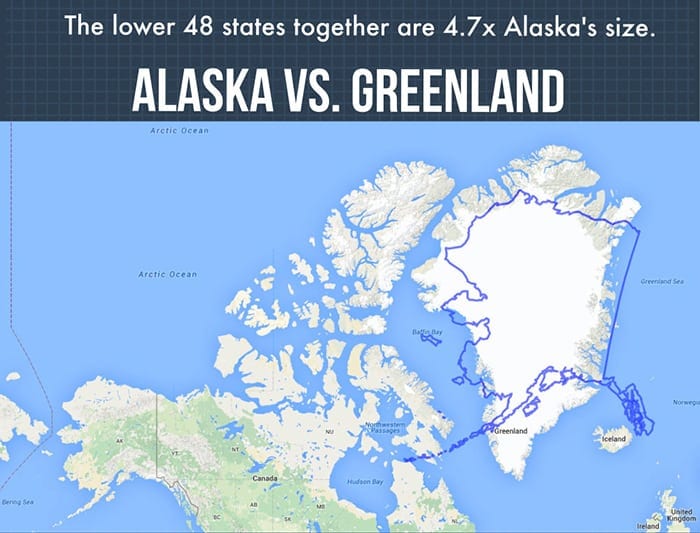
Let’s address the central question directly: Greenland is undeniably much larger than Alaska.
- Greenland: As the world’s largest island (that is not a continent), Greenland covers an immense area of approximately 2,166,086 square kilometers (836,330 square miles). Over 80% of this landmass is covered by the world’s second-largest ice sheet. Politically, it is an autonomous territory within the Kingdom of Denmark.
- Alaska: The largest state in the United States, Alaska spans an impressive 1,723,337 square kilometers (665,384 square miles). While vast, it is significantly smaller than Greenland, with a difference of over 440,000 square kilometers (170,000 square miles). This area difference is roughly the size of Sweden or California.
The sheer scale of Greenland’s ice cap makes it a geographical marvel, a frozen continent within itself, influencing global climate patterns and ocean currents. Alaska, on the other hand, boasts an incredible diversity of landscapes, from towering mountain ranges and extensive forests to vast tundras and intricate coastlines, making it a microcosm of natural wonders.
The Mercator Projection: A Cartographic Deception
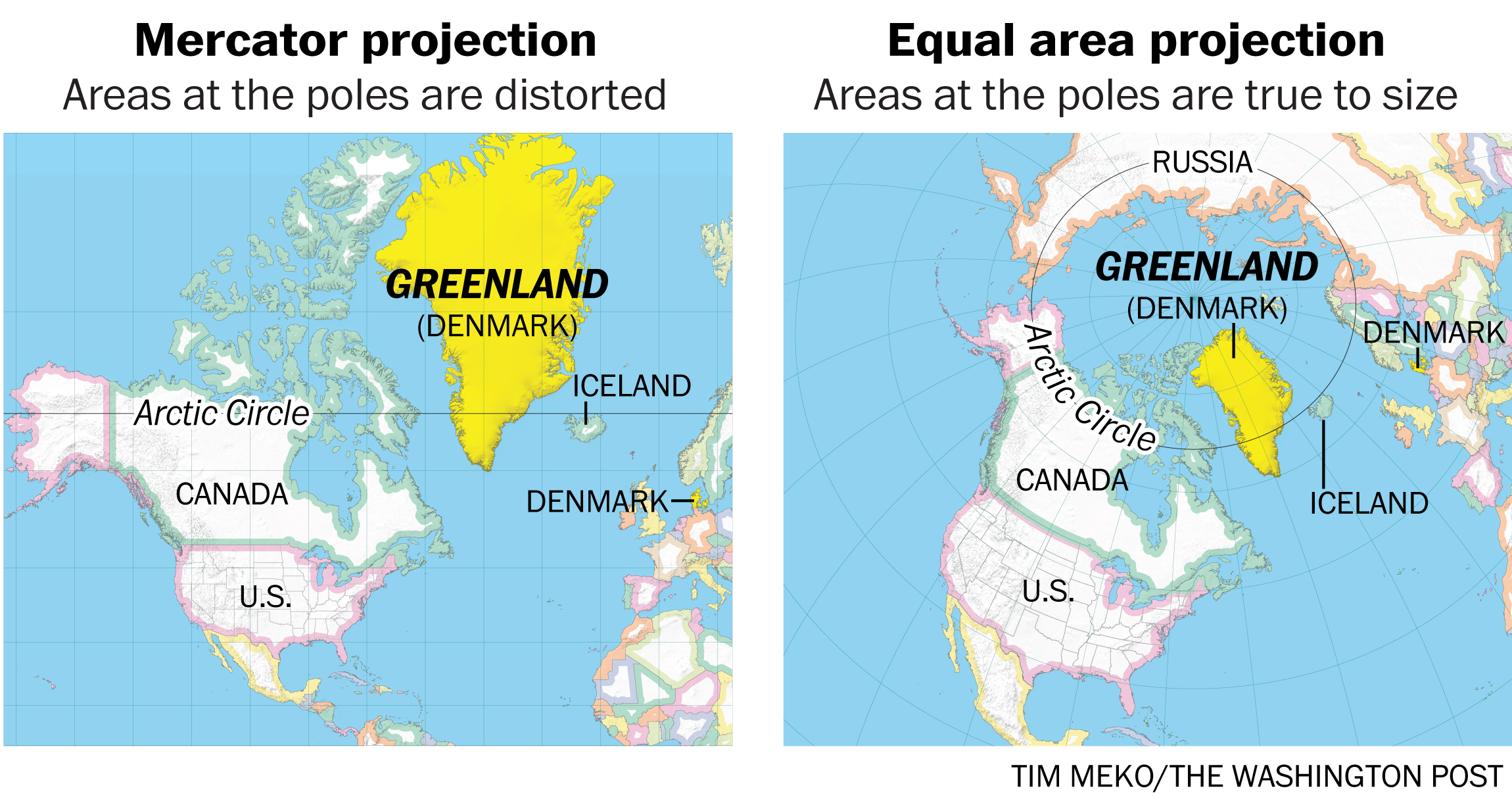
So, why the common confusion regarding their sizes? The answer lies in the limitations of mapping a spherical Earth onto a flat, two-dimensional surface. The culprit is often the Mercator Projection, a map projection developed in the 16th century by Gerardus Mercator. While invaluable for nautical navigation due to its ability to represent true compass bearings, it significantly distorts the sizes of landmasses as they get closer to the poles.
On a Mercator Projection, Greenland appears disproportionately massive, often looking as large as or even larger than Africa or South America, when in reality, Africa is approximately 14 times larger and South America is 8 times larger. Alaska also appears larger than its true size relative to equatorial regions, contributing to the perception that it might rival Greenland. This cartographic trickery is a fascinating reminder of how our perception of the world can be shaped by the tools we use to visualize it, highlighting the importance of understanding geographical facts beyond a single map view.
Journey to the Arctic: Exploring Greenland’s Unique Allure
With its vast ice sheet, dramatic fjords, and a scattering of vibrant settlements along its coast, Greenland offers an unparalleled travel experience. It’s a destination for those seeking profound solitude, breathtaking natural beauty, and a deep dive into Inuit culture.
Beyond the Ice Cap: Must-See Destinations in Greenland
While the ice cap is its defining feature, Greenland’s coastal regions are where life thrives and where travelers will find their most memorable experiences.
- Nuuk: The Capital City Charm. As the capital and largest city, Nuuk is a fascinating blend of ancient Inuit traditions and modern Nordic countries influences. Here, visitors can explore the Greenland National Museum, home to the famous Qilakitsoq mummies, and wander through the old colonial harbor with its colorful houses. Nuuk serves as an excellent base for boat tours into the spectacular Nuuk Fjord, kayaking amongst icebergs, or even whale watching. Accommodation ranges from modern hotels to cozy guesthouses, providing comfort after a day of exploration.
- Ilulissat Icefjord: A UNESCO World Heritage Site. No trip to Greenland is complete without witnessing the majesty of the Ilulissat Icefjord, a UNESCO World Heritage site. Located on the west coast, this natural wonder is where the Sermeq Kujalleq glacier calves immense icebergs into Disko Bay. Visitors can take boat trips through the fjord, marveling at icebergs the size of cathedrals, or hike along the trails offering panoramic views. The town of Ilulissat itself is charming, with good options for accommodation and local eateries serving fresh Arctic delicacies.
- Kangerlussuaq: Gateway to the Ice Sheet. Kangerlussuaq is Greenland’s main international airport and often the first point of entry. More than just a transit hub, it offers direct access to the ice sheet, with organized tours taking visitors onto the vast, ancient ice. It’s also one of the best places in Greenland to witness the spectacular Northern Lights due to its stable, dry climate.
- South Greenland: The Green Pastures. Contrary to popular belief, Greenland has fertile areas, particularly in the south. Towns like Qaqortoq are known for their colorful houses, historical buildings, and sheep farms. This region offers kayaking, hiking, and boat trips to hot springs, providing a different perspective of Greenland’s diverse landscapes.
Experiencing Greenland: Activities, Culture, and Accommodation
Travel in Greenland is an adventure in itself, characterized by its remoteness and reliance on air and boat travel between settlements.
- Activities: The range of activities is intrinsically linked to its environment. Dog sledding is a quintessential Greenland experience, especially in winter, offering a traditional mode of transport and a profound connection to the landscape. Whale watching is popular in summer, with various species frequenting the coastal waters. Kayaking amongst icebergs, hiking scenic trails, ice fishing, and cultural tours to Inuit settlements are also highlights. For those chasing the Northern Lights, the clear, dark skies offer spectacular displays from autumn to spring.
- Local Culture and Food: Greenlandic culture is deeply rooted in Inuit traditions, adapting to and thriving in a harsh environment. Visitors can experience this through traditional storytelling, music, and art. The local cuisine heavily features fresh seafood – seal, whale, musk ox, and various fish species are staples. Dining experiences range from fine-dining restaurants in Nuuk to home-cooked meals in guesthouses, offering authentic flavors of the Arctic.
- Accommodation: Given its remote nature, accommodation in Greenland tends to be more limited compared to larger, more developed tourist destinations. However, what it lacks in quantity, it makes up for in character. Options include small, boutique hotels, cozy guesthouses, private apartments, and even wilderness cabins for the truly adventurous. Booking in advance, especially during peak season (June-August for summer activities, March-April for winter sports and Northern Lights), is highly recommended. Many tour operators also offer package deals that include accommodation, activities, and internal travel.
Alaska: The Last Frontier’s Grandeur and Adventures
Known as “The Last Frontier,” Alaska captivates with its immense scale, dramatic landscapes, and abundant wildlife. It’s a destination that promises adventure, whether you’re cruising through fjords or scaling towering peaks.
Iconic Alaskan Destinations and Natural Wonders
Alaska’s vastness means a diverse array of experiences, from bustling cities to pristine wilderness.
- Denali National Park and Preserve: Crown Jewel of the North. Home to Denali (formerly Mount McKinley), North America’s tallest peak, this park is a must-visit. Its vast wilderness protects grizzly bears, moose, caribou, wolves, and eagles. Limited road access preserves its pristine nature, with shuttle buses providing transport and incredible wildlife viewing opportunities. Accommodation options range from lodges just outside the park entrance (like those in Talkeetna) to primitive campgrounds within.
- Anchorage: The Urban Gateway. As Alaska’s largest city, Anchorage serves as the primary hub for travelers. It offers a wealth of amenities, including excellent hotels, diverse restaurants, and cultural attractions like the Anchorage Museum. From Anchorage, visitors can easily access day trips to nearby glaciers, hiking trails, and even flightseeing tours over Denali.
- Kenai Fjords National Park and Seward. Located on the Kenai Peninsula, this park is a spectacular coastal wilderness of tidewater glaciers, marine wildlife, and lush rainforests. Boat tours from Seward are the best way to experience its beauty, offering chances to see whales, puffins, and sea lions. Seward itself is a picturesque port town with a charming atmosphere and various accommodation options.
- Juneau: The Capital and Mendenhall Glacier. Alaska’s capital, Juneau, is unique in that it’s only accessible by air or sea, nestled in the heart of the Inside Passage. Its most famous landmark is the stunning Mendenhall Glacier, easily reachable from the city center. Whale watching, hiking, and exploring the historic downtown are popular activities.
- Fairbanks: Gateway to the Arctic and Northern Lights. Located in the interior of Alaska, Fairbanks is an ideal spot for viewing the Northern Lights due to its position under the auroral oval and often clear winter skies. It’s also a great base for exploring the Arctic wilderness, with opportunities for dog mushing, ice sculpting, and visiting the Arctic Circle monument.
Planning Your Alaskan Adventure: Tips for Travelers
Alaska’s vastness requires careful planning to make the most of your trip.
- Activities: Alaska is synonymous with outdoor adventure. Popular activities include wildlife viewing (bears, moose, eagles, whales), hiking, fishing (especially salmon and halibut), kayaking, glacier trekking, flightseeing tours, and dog mushing. In winter, skiing, snowboarding, and chasing the Northern Lights take center stage. The famous Iditarod Trail Sled Dog Race starts in Anchorage and ends in Nome every March, attracting visitors globally.
- Local Culture and Food: Alaskan culture is a rich tapestry woven from Native Alaskan traditions, Gold Rush history, and pioneering spirit. Visitors can explore Native arts and crafts, learn about indigenous languages, and experience local festivals. The food scene is heavily influenced by its bounty of seafood, particularly salmon, crab, and halibut. Local berries, wild game, and comfort food are also prominent. Dining experiences range from upscale restaurants in Anchorage to roadside diners and brewpubs.
- Accommodation: Alaska offers a wide spectrum of accommodation, catering to various travel styles and budgets. This includes luxury resorts, wilderness lodges, boutique hotels, and well-known chains in cities like Anchorage and Fairbanks. For those seeking a more immersive experience, cabins, RV parks, and campgrounds are plentiful, especially near national parks. Booking well in advance, particularly for peak summer travel (June-August), is crucial to secure preferred lodging. Many cruise lines also offer land-based packages that include accommodation and excursions.
Arctic Lifestyle and Sustainable Tourism
Both Greenland and Alaska offer more than just destinations; they offer a profound immersion into an Arctic lifestyle and a lesson in sustainable tourism.
Embracing the Arctic Lifestyle
The people of Greenland and Alaska have forged unique ways of life, shaped by their formidable environments. In Greenland, the Inuit culture emphasizes a deep respect for nature, traditional hunting and fishing practices, and community resilience. Visitors can engage with this by participating in cultural tours, visiting local markets, and appreciating local art. The rhythm of life is often dictated by the seasons, from the perpetual daylight of summer to the long, dark nights of winter, each offering its own set of activities and traditions.
In Alaska, the lifestyle is often characterized by a spirit of independence, a love for the outdoors, and a strong connection to the state’s pioneering past. Many Alaskans embrace subsistence living, fishing, hunting, and foraging. The lifestyle here can range from urban sophistication in Anchorage to remote, off-grid living in the wilderness, fostering a diverse cultural mosaic. Whether it’s family trips focused on wildlife or business stays for those in the resource industry, the Alaskan way of life is about resilience and connection to the vast land.
Sustainable Travel Practices in the High North
Given the fragile ecosystems of the Arctic and the impacts of climate change, responsible tourism is not just a recommendation but a necessity in both Greenland and Alaska.
- Respect Local Cultures: Engage respectfully with local communities, learn about their traditions, and support local businesses. Always ask for permission before photographing people.
- Minimize Environmental Impact: Stick to marked trails, dispose of waste properly, and avoid disturbing wildlife. Choose tour operators and accommodations that prioritize sustainable practices.
- Support Conservation Efforts: Many tourism operations contribute to conservation. By choosing them, you indirectly support the protection of these unique environments.
- Travel Lightly: Both destinations, particularly Greenland, rely on small aircraft and boats for internal travel, making luggage restrictions common. Efficient packing is a part of sustainable travel.
- Book Responsibly: When comparing hotels or accommodation, look for those with verifiable eco-certifications. Utilize booking platforms that highlight sustainable options.
These practices ensure that these magnificent destinations can be enjoyed by future generations, preserving their pristine beauty and vibrant cultures.
Choosing Your Arctic Expedition: Greenland or Alaska?
The question “Is Greenland Bigger Than Alaska?” leads to a deeper understanding of these Arctic giants. While Greenland holds the title for sheer landmass, both offer distinct and compelling travel experiences.
Choose Greenland if you seek:
- An ultra-remote, raw, and pristine wilderness experience dominated by ice.
- Deep immersion into Inuit culture.
- Unparalleled iceberg scenery and direct access to the vast Greenland ice sheet.
- A more challenging, off-the-beaten-path adventure.
- A luxury travel experience defined by exclusivity and breathtaking natural grandeur.
Choose Alaska if you seek:
- A diverse range of landscapes, from mountains and forests to glaciers and coastlines.
- Abundant and easily accessible wildlife viewing opportunities.
- A mix of well-developed tourist infrastructure and remote wilderness.
- Options for various budget travel styles, from luxury resorts to camping.
- A blend of Native American heritage, Gold Rush history, and modern American adventure.
Ultimately, both Greenland and Alaska promise unforgettable journeys into the heart of the Arctic. Their grandeur is not just in their size but in the unique adventures they offer, the cultures they nurture, and the profound connection they foster with the wild, untamed beauty of our planet. Whether you choose the colossal ice island or the magnificent last frontier, you are guaranteed an expedition that will redefine your understanding of the world.
LifeOutOfTheBox is a participant in the Amazon Services LLC Associates Program, an affiliate advertising program designed to provide a means for sites to earn advertising fees by advertising and linking to Amazon.com. Amazon, the Amazon logo, AmazonSupply, and the AmazonSupply logo are trademarks of Amazon.com, Inc. or its affiliates. As an Amazon Associate we earn affiliate commissions from qualifying purchases.