
California, a land of unparalleled natural beauty, vibrant cities, and a laid-back lifestyle, beckons millions of travelers each year. From the iconic beaches of Santa Monica and the bustling boulevards of Los Angeles to the majestic redwoods and the serene vineyards of Napa Valley, the Golden State offers an endless array of experiences for every type of globetrotter. Whether you’re planning a luxurious escape to a five-star resort, an adventurous road trip through national parks like Yosemite National Park, or a cultural immersion in a city like San Francisco, the key to a truly unforgettable and stress-free journey lies not just in meticulous planning of your itinerary or accommodation, but also in a fundamental understanding of local laws and customs.
While the primary focus of any travel enthusiast is typically on destinations, attractions, and exquisite hotels, an often-overlooked aspect—but one crucial for a seamless trip—is legal awareness. Just as you’d research the best local eateries or the most efficient public transport, understanding the legal framework of your destination, particularly regarding minor infractions, can prevent significant disruptions to your travel plans. In California, as in any jurisdiction, various categories of offenses exist, and among them, misdemeanors are particularly relevant for travelers. These are offenses less severe than felonies but more serious than simple infractions, carrying penalties that can severely impact your vacation, your finances, and even your future travel aspirations. This comprehensive guide aims to demystify what a misdemeanor entails in California, outlining common scenarios travelers might encounter, the potential consequences, and essential tips for ensuring your visit remains joyous and unburdened by legal woes.
Understanding Misdemeanors: A Traveler’s Guide to California’s Legal Landscape
Embarking on a journey through California is an exciting prospect, filled with the promise of stunning vistas and enriching experiences. However, like any destination, it operates under a specific legal code designed to maintain public order and safety. For travelers, distinguishing between different types of offenses is the first step toward responsible tourism.
Defining Misdemeanors vs. Felonies
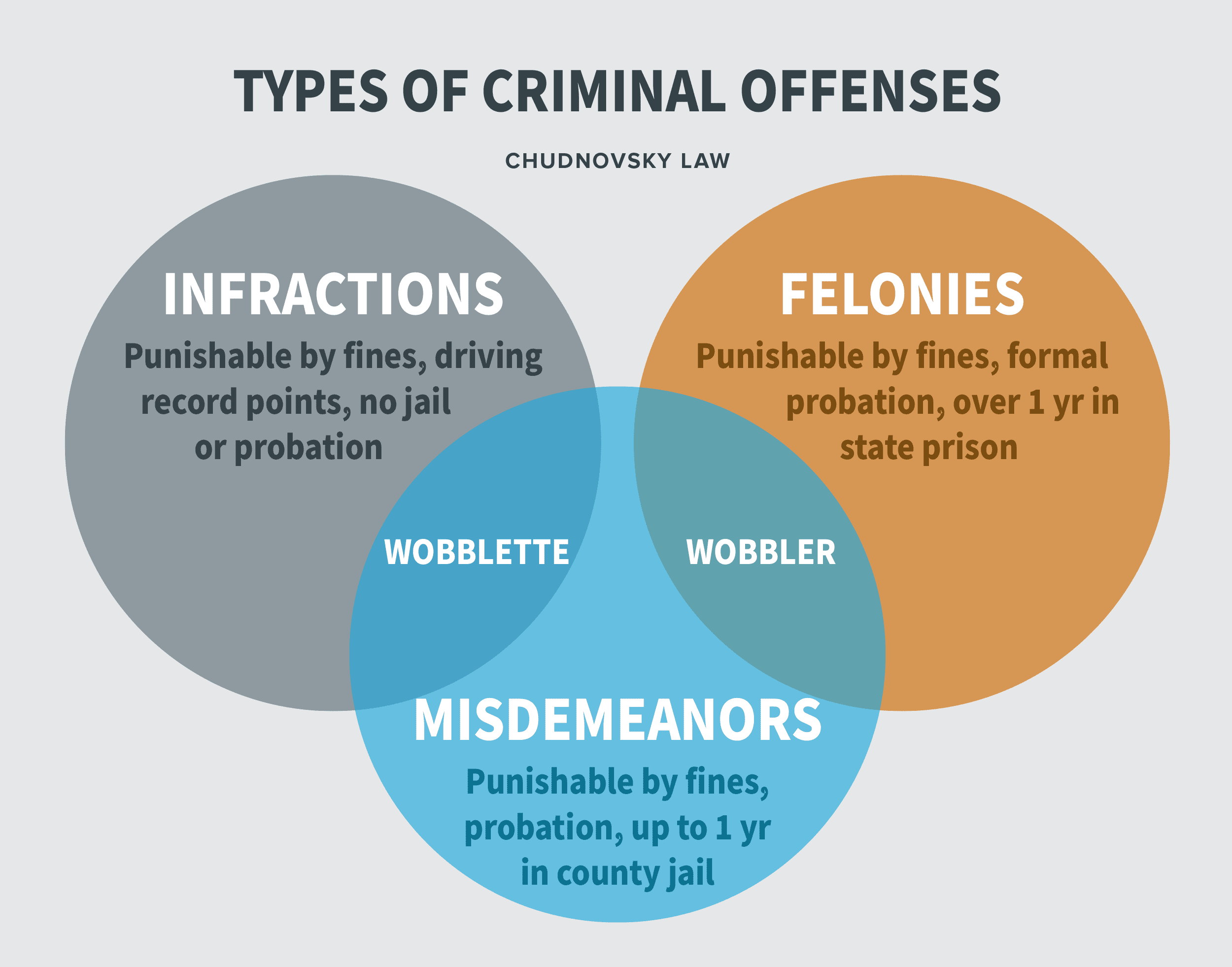
In California, criminal offenses are broadly categorized into three main types: infractions, misdemeanors, and felonies. Each carries a different level of severity and corresponding penalties.
- Infractions are the least serious offenses, typically punishable by fines and do not involve jail time or a jury trial. Common examples include minor traffic violations like parking tickets or speeding tickets. While annoying, an infraction rarely derails travel plans beyond the immediate fine.
- Misdemeanors represent a middle ground. They are more serious than infractions but less severe than felonies. In California, a misdemeanor is generally punishable by a county jail sentence of up to one year, a fine (which can be substantial, often up to $1,000, but sometimes higher depending on the specific offense), probation, community service, or a combination of these. Unlike infractions, a misdemeanor conviction will appear on one’s criminal record, which can have long-lasting implications.
- Felonies are the most serious crimes, carrying potential penalties of state prison time (often exceeding one year), hefty fines, and significant loss of civil rights. Examples include serious assaults, grand theft, and major drug offenses. While serious and impactful, it is less common for tourists to inadvertently commit felony offenses without significant intent.
For the purposes of travel and general awareness, understanding misdemeanors is paramount. These are the types of offenses that an otherwise law-abiding tourist might inadvertently stumble into, especially if unaware of local nuances or if inhibitions are lowered during vacation. A single misdemeanor charge can quickly transform a dream vacation into a nightmare, leading to arrests, court appearances, and substantial unplanned expenses, utterly disrupting your carefully curated travel itinerary and potentially impacting future trips.
Common Misdemeanors Travelers Might Encounter
California’s diverse environments, from bustling urban centers like Hollywood to serene natural parks, mean that the types of minor offenses one might encounter are equally varied. Being aware of these common pitfalls can help travelers steer clear of legal trouble.
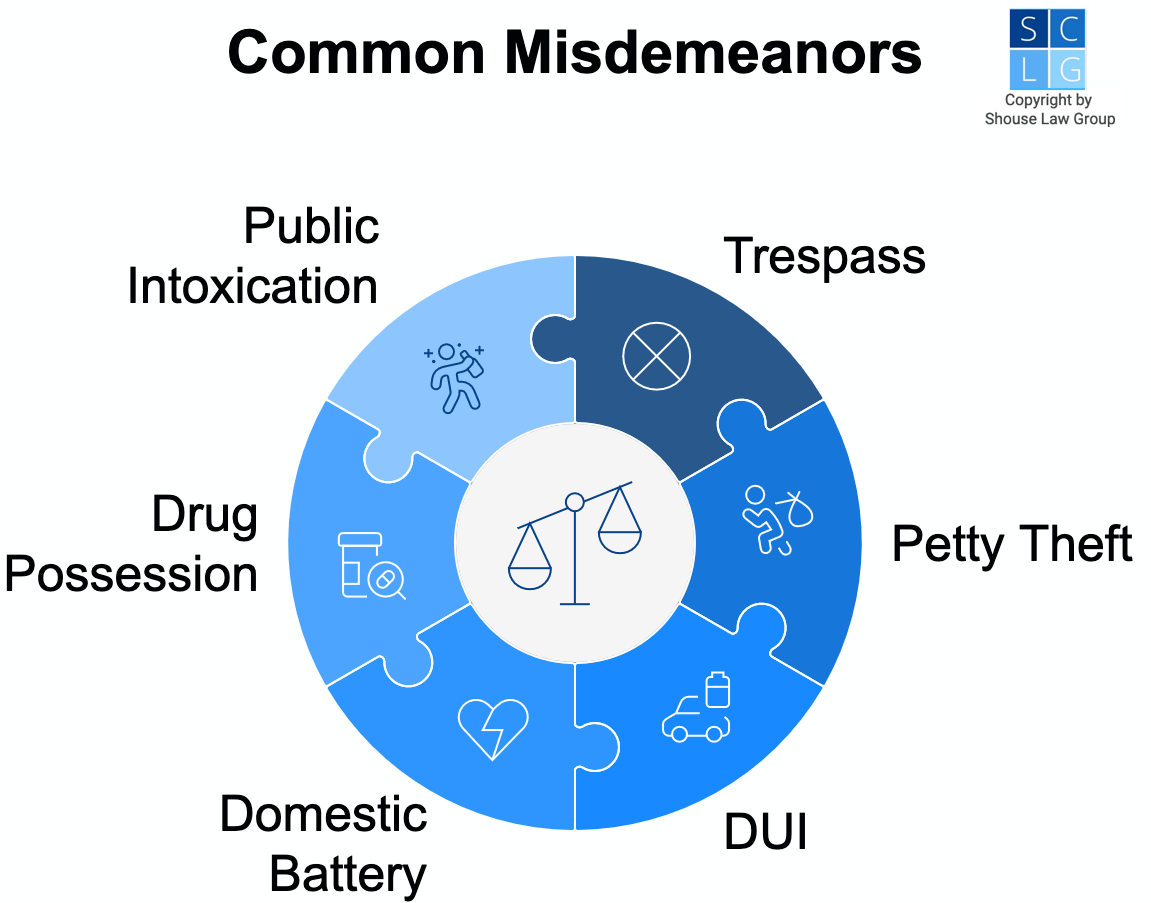
- Public Intoxication (Penal Code 647(f) PC): This is perhaps one of the most common misdemeanors associated with tourists enjoying the vibrant nightlife in areas like San Diego’s Gaslamp Quarter or Los Angeles’s entertainment districts. While enjoying a drink or two is part of many vacations, being so intoxicated in a public place that you are unable to care for your own safety or the safety of others, or are obstructing public ways, can lead to arrest. This is particularly relevant when visiting popular tourist spots or attending festivals where alcohol flows freely.
- Disorderly Conduct (Penal Code 647 PC): Beyond public intoxication, disorderly conduct can encompass a range of behaviors, including loitering, soliciting prostitution, or engaging in lewd acts in public. This can also apply to individuals causing disturbances at popular attractions like Disneyland or major sporting events, impacting the experience of other visitors.
- Petty Theft (Penal Code 484(a) PC / 488 PC): While it might seem obvious, the allure of souvenirs or forgotten items can sometimes lead to poor judgment. Petty theft, defined as taking property valued at $950 or less, includes shoplifting from a boutique in Beverly Hills or even taking something inconsequential from a hotel. The consequences, regardless of value, are a misdemeanor conviction.
- Vandalism (Penal Code 594 PC): Defacing property, whether public or private, is a misdemeanor. This can range from graffiti on a city wall in San Francisco to minor damage within a hotel room or a rented villa. Even seemingly minor acts can result in significant fines and a criminal record.
- Driving Under the Influence (DUI) (Vehicle Code 23152 VC): Though often treated with greater severity and sometimes charged as a felony depending on circumstances or prior convictions, a first-time, non-injury DUI can be a misdemeanor. Given California’s expansive road networks and the popularity of scenic drives, many travelers rent cars. Driving under the influence of alcohol or drugs, even if you feel only slightly impaired, is a serious offense with immediate and long-lasting repercussions, including license suspension, hefty fines, mandatory education programs, and potentially jail time.
- Marijuana Laws and Public Consumption: While recreational cannabis is legal for adults 21 and over in California, its use is still heavily regulated. Public consumption (smoking or vaping in public places), possession of more than the legal limit, or consumption in areas where prohibited (like federal lands such as Yosemite National Park or on many hotel properties) are common misdemeanors or infractions. Travelers must understand that “legal” does not mean “unrestricted.”
- Disturbing the Peace (Penal Code 415 PC): This offense covers a variety of disruptive behaviors, such as loud noise (especially in residential areas or late at night in hotels or rented accommodations), fighting in public, or using offensive language likely to incite violence. A raucous party in your hotel suite or vacation rental could easily escalate into a disturbing the peace charge, causing not only legal trouble but also potentially leading to eviction from your accommodation.
The Impact of a Misdemeanor on Your California Experience and Beyond
A legal issue is arguably the last thing any traveler wants to face, yet neglecting to understand the potential repercussions of even minor offenses can turn a dream vacation into an administrative and financial burden. The impact of a misdemeanor extends far beyond the immediate moment of arrest, casting a long shadow over your current trip and potentially influencing your future travel and lifestyle choices.
Immediate Consequences During Your Trip
The most immediate and tangible effect of a misdemeanor charge is the disruption it causes to your travel itinerary.
- Arrest and Detention: Being arrested means being taken into custody, processed at a police station, and potentially held in a county jail. This process can take hours, if not days, immediately cancelling pre-booked tours, missing flights, and disrupting meticulously planned hotel stays or cruises. The loss of time and the emotional stress alone can ruin an entire trip, turning planned leisure into an anxious wait.
- Bail and Legal Fees: Depending on the severity of the misdemeanor, a bail amount may be set for your release. This can range from hundreds to thousands of dollars, a significant and unexpected financial drain. Furthermore, navigating the legal system, especially in an unfamiliar jurisdiction, often requires the assistance of a local attorney, leading to additional legal fees that can quickly deplete a travel budget.
- Disruption to Accommodation: If arrested, you may not be able to return to your hotel or vacation rental, especially if the offense occurred on the property or if your detention extends past your check-out date. This can lead to additional accommodation costs or the complete loss of your booking, further complicating your travel plans. Some establishments, particularly higher-end resorts or luxury villas, may have clauses in their terms and conditions allowing for immediate eviction due to legal issues.
- Stress and Emotional Toll: Beyond the financial and logistical headaches, the emotional impact of being arrested in a foreign city or state is immense. The anxiety, fear, and embarrassment can severely detract from the enjoyment of your trip, leaving you with negative memories rather than cherished experiences.
Long-Term Repercussions for Travel and Lifestyle
The implications of a misdemeanor conviction can linger long after you’ve returned home, affecting various aspects of your life and future opportunities.
- Background Checks for Future Employment: Many employers, particularly those in the hospitality, tourism, or service industries, conduct background checks. A misdemeanor conviction, even for a seemingly minor offense, can appear on these checks, potentially hindering job prospects. This is especially pertinent for individuals looking to work in travel-related fields, where trust and adherence to laws are paramount.
- Difficulty Securing Certain Accommodation: While less common for short-term hotel stays, a criminal record could complicate matters for long-term rentals or stays in certain exclusive resorts or apartment complexes that conduct thorough tenant screenings. Some landlords or property management companies might view a misdemeanor conviction as a red flag, leading to denial of applications.
- Visa Applications for International Travel: For non-U.S. citizens, a misdemeanor conviction, especially one involving moral turpitude, can impact future visa applications to the United States or other countries. Even for U.S. citizens, certain countries have strict entry requirements, and a criminal record, regardless of its severity, could lead to delays or even denial of entry. This means a single lapse in judgment in California could complicate future adventures to destinations like Europe or Asia.
- Impact on Reputation and Personal Record: A criminal record, even a misdemeanor, can carry a social stigma. It can affect personal reputation and create difficulties in various aspects of life, from professional networking to community involvement.
- Restrictions on Certain Licenses or Permits: Depending on the nature of the misdemeanor, it could lead to restrictions on professional licenses, driving privileges (especially in DUI cases), or permits required for certain activities. This can impact career paths or personal freedoms in unforeseen ways.
Navigating California Laws Responsibly: Tips for a Seamless Journey
The vibrant allure of California is undeniable, and enjoying its myriad offerings responsibly ensures a truly enriching experience. By adopting a proactive and informed approach to local laws, travelers can minimize risks and fully immerse themselves in the Golden State’s charm without the shadow of legal complications.
Be Aware of Local Ordinances
California is a vast state, and while state laws provide a foundational framework, cities and counties often have their own unique ordinances. What might be permissible in one area could be restricted or illegal in another.
- City-Specific Regulations: For instance, while public intoxication is broadly prohibited, the enforcement and specific local variations might differ between the bustling streets of Los Angeles and the quaint coastal town of Carmel-by-the-Sea. Always be mindful of local signs, particularly in parks, beaches, and public squares, regarding alcohol consumption, smoking, and noise levels.
- Public Consumption Laws (Alcohol and Cannabis): The legality of recreational cannabis in California does not extend to public consumption. Smoking or vaping cannabis in public, driving under its influence, or consuming it on federal property (like national parks or monuments) remains illegal. Similarly, open container laws for alcohol are strictly enforced, prohibiting the possession of open alcoholic beverages in public spaces or while driving.
- Respect Property: Whether you are staying in a luxury suite at the Ritz-Carlton in Laguna Niguel or a charming Airbnb in Palm Springs, always treat private and public property with respect. Damage to property, even unintentional, can lead to charges and significant costs. Familiarize yourself with the rules of your accommodation regarding guests, noise, and amenities to avoid disputes.
Staying Informed and Prepared
Knowledge and preparedness are your best allies in navigating any unfamiliar environment.
- Know Your Rights: While it’s best to avoid legal entanglements, understanding your basic rights as an individual if questioned or detained by law enforcement is crucial. You have the right to remain silent and the right to an attorney. Do not resist arrest, but also do not provide information beyond your identification.
- Emergency Contacts: Always carry identification and have a list of emergency contacts, including local family, friends, or your country’s consulate/embassy. In a legal bind, these contacts can be invaluable.
- Consider Travel Insurance: While most travel insurance policies don’t cover criminal defense fees, some might offer assistance with legal referral services or help with emergency funds if you’re detained. Review your policy thoroughly before traveling.
- Local Legal Resources: Familiarize yourself with how to quickly find local legal assistance if the need arises. A quick search for “criminal defense attorney [city name], California” can be helpful, though hopefully never necessary.

Embrace Responsible Tourism
Ultimately, a truly fulfilling travel experience is built on a foundation of respect—respect for the destination, its culture, its people, and its laws.
- Respect Local Culture and Environment: California’s appeal lies in its diverse environments and communities. From the bustling Gaslamp Quarter in San Diego to the tranquil hiking trails of Big Sur, each area has its unique character. Being mindful of noise levels, disposing of waste properly, and adhering to park regulations contribute to a positive experience for everyone.
- Enjoy California’s Attractions Responsibly: Whether you’re exploring the historic landmarks of San Francisco, hitting the waves at Huntington Beach, or experiencing the magic of Universal Studios Hollywood, do so with an awareness of your surroundings and your actions. Overindulgence, recklessness, or disregard for rules can quickly lead to situations that turn a fun outing into a legal issue.
- The Golden Rule of Travel: Treat California and its residents as you would wish your own home and community to be treated. This simple principle underpins all responsible travel and helps ensure that your adventures are remembered for their joy and wonder, not for unexpected legal complications.
In conclusion, while the prospect of encountering a misdemeanor during your California travels might seem remote, a comprehensive understanding of what these offenses entail, their potential impacts, and how to prevent them is an indispensable part of savvy travel planning. By staying informed, exercising good judgment, and respecting local laws, you can ensure that your journey through the Golden State remains an unblemished tapestry of unforgettable memories, free from legal worries, allowing you to fully embrace the vibrant lifestyle, stunning landscapes, and warm hospitality that California so generously offers. Safe travels!
LifeOutOfTheBox is a participant in the Amazon Services LLC Associates Program, an affiliate advertising program designed to provide a means for sites to earn advertising fees by advertising and linking to Amazon.com. Amazon, the Amazon logo, AmazonSupply, and the AmazonSupply logo are trademarks of Amazon.com, Inc. or its affiliates. As an Amazon Associate we earn affiliate commissions from qualifying purchases.