
Absolutely, Florida, often referred to as the Sunshine State, holds the unique distinction of being the only place in the world where alligators and crocodiles coexist in the wild. This fascinating ecological fact adds an unparalleled layer of intrigue for travelers exploring the state’s diverse landscapes, from its bustling cities and pristine beaches to its vast, untamed wetlands. For visitors planning a trip to this vibrant corner of the United States, understanding these magnificent reptiles is not just about satisfying curiosity; it’s essential for safe and respectful wildlife viewing, enriching the overall travel experience, and appreciating Florida’s remarkable natural heritage. This article serves as a comprehensive guide for tourists, offering insights into these ancient creatures, where to spot them, and crucial tips for a memorable and safe encounter.
The Coexistence Conundrum: Alligators vs. Crocodiles in Florida
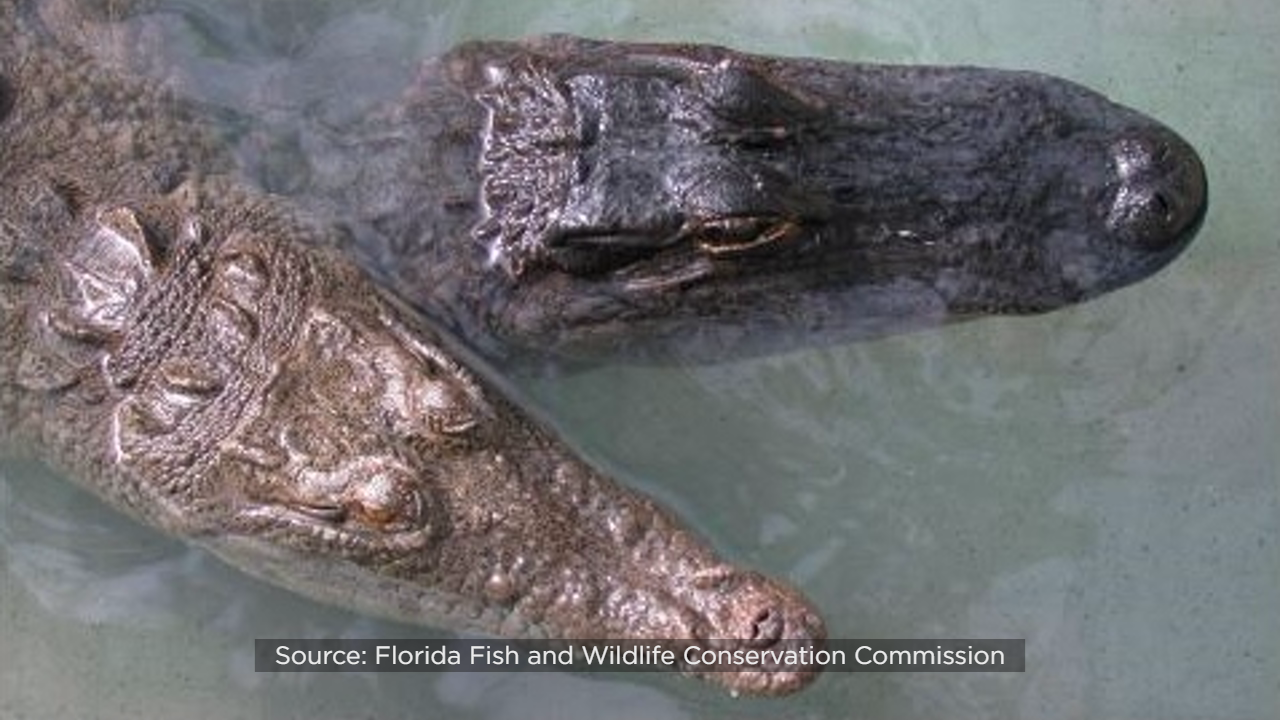
The question isn’t “Does Florida have crocodiles or alligators?” but rather, “Does Florida have both?” The answer is a resounding yes. While alligators are widespread across the southeastern United States, the American crocodile (Crocodylus acutus) has a much more restricted range, primarily found in brackish and saltwater environments of South Florida. This unique overlap creates an unparalleled opportunity for nature enthusiasts and adds a distinctive flavor to Florida’s tourism offerings, moving beyond just beaches and theme parks to a truly wild experience.
Distinguishing Features: A Quick Guide for Travelers
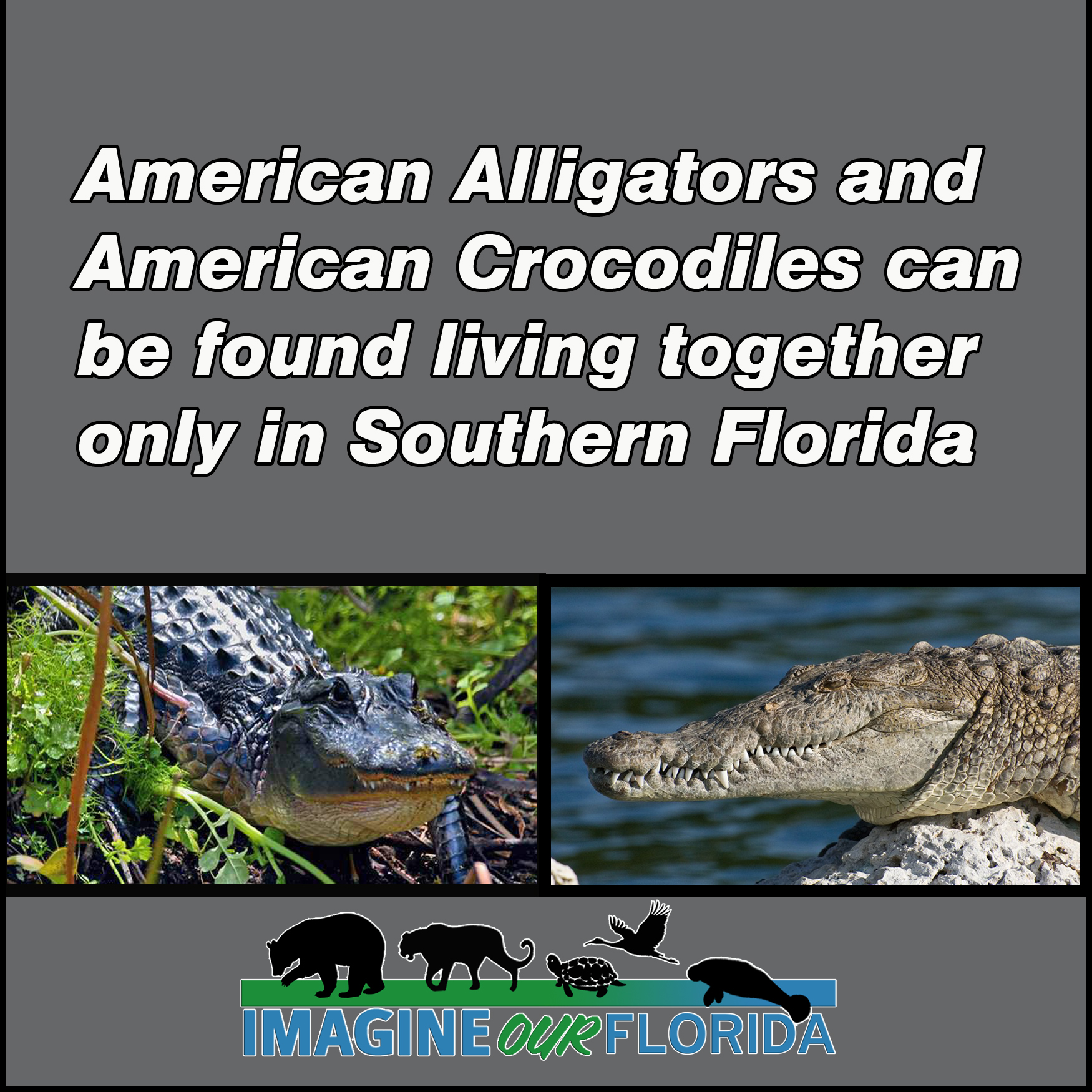
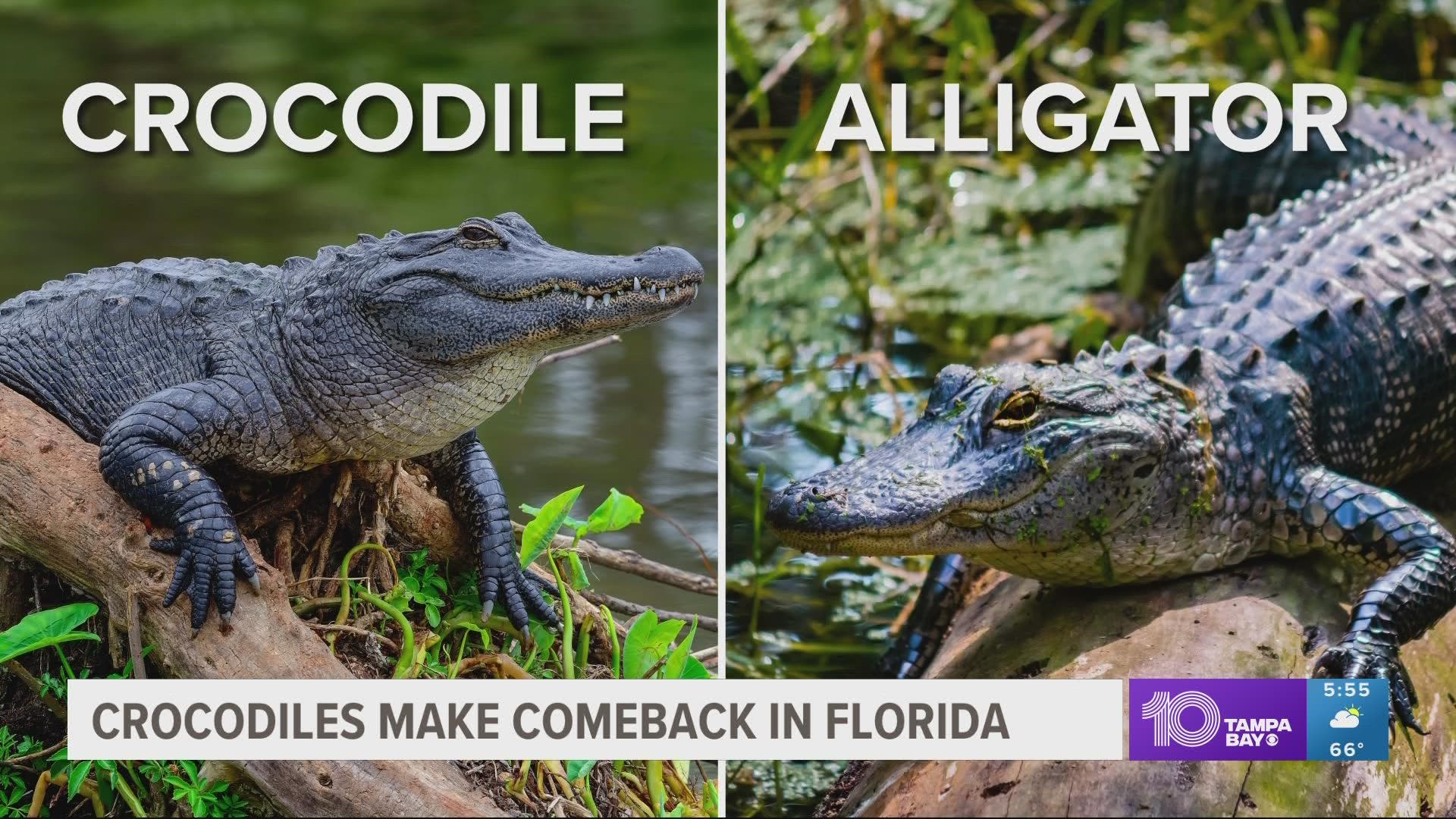
For the casual observer, differentiating between an alligator and a crocodile can seem daunting, but a few key characteristics can help identify these impressive reptiles. American alligators (Alligator mississippiensis) typically have a broad, rounded snout, almost U-shaped, and their upper jaw completely conceals their lower teeth when their mouth is closed. Their coloration tends to be darker, ranging from black to a dark greenish-brown. They are also generally larger and bulkier than their crocodile counterparts in Florida.
American crocodiles, on the other hand, possess a narrower, more pointed, V-shaped snout. When a crocodile’s mouth is closed, the fourth tooth on its lower jaw is visible, protruding up and outside the upper jaw line, a tell-tale sign. Their skin is usually lighter, often grayish-green or olive-brown. Crocodiles also tend to be more aggressive in their natural habitat compared to alligators, though both should always be treated with extreme caution and respect. Understanding these visual cues can enhance your wildlife viewing experience and deepen your appreciation for Florida’s biodiversity.
Unique Habitats: Where They Thrive
The primary distinction in their habitat preferences is crucial for understanding where to spot each species. American alligators are predominantly freshwater dwellers. They thrive in swamps, marshes, rivers, lakes, and canals throughout much of Florida, even occasionally venturing into brackish water. Their adaptability allows them to be found from the northern reaches of the state down to the southernmost tip, making encounters relatively common across various landscapes.
American crocodiles, by contrast, prefer saltwater and brackish environments. Their main stronghold in the United States is the extreme southern tip of Florida, including the Everglades National Park, Florida Bay, and the upper Florida Keys, particularly around areas like Key Largo and Homestead. They are frequently found in mangrove-lined estuaries, lagoons, and coastal areas, where the mix of fresh and saltwater suits their physiology. This makes crocodile sightings a truly special experience, as they are a protected species and rarer to encounter than alligators. Their presence underscores the delicate balance of Florida’s unique ecosystem, making a trip to these specific regions a must for wildlife enthusiasts.
Encountering Florida’s Apex Predators: Where to See Them
For travelers eager to witness these ancient reptiles in their natural environment, Florida offers numerous opportunities, ranging from expansive wilderness areas to dedicated zoological parks. Responsible tourism is key to ensuring both your safety and the preservation of these magnificent creatures. Planning your itinerary around prime viewing locations and considering guided tours will significantly enhance your wildlife adventure.
Prime Viewing Locations: From Wilderness to Zoos
The undisputed best place to see American alligators in their natural habitat is the Everglades National Park. This vast wetland, a designated International Biosphere Reserve and UNESCO World Heritage Site, is home to an estimated 200,000 alligators. Visitors can explore the Everglades via airboat tours, walking trails like Anhinga Trail near the Royal Palm Visitor Center, or by car along the Tamiami Trail. Other excellent locations for alligator sightings include Big Cypress National Preserve, Lake Okeechobee, and virtually any freshwater body across Central Florida and South Florida. Cities like Orlando, Miami, Fort Lauderdale, Naples, and Sarasota all have nearby parks and preserves where alligators can be observed.
For those hoping to spot the elusive American crocodile, focusing on the southern coastal regions is essential. The most reliable place to see them is in the Everglades National Park’s coastal areas, particularly around Flamingo and Florida Bay, as well as Biscayne National Park and the upper Florida Keys. Due to their shy nature and smaller population, a guided tour significantly increases your chances of a sighting.
For guaranteed sightings and educational experiences, several dedicated wildlife parks and zoos are highly recommended. Gatorland in Orlando proudly calls itself the “Alligator Capital of the World” and offers a close-up look at thousands of alligators and crocodiles, along with thrilling shows and unique attractions. The St. Augustine Alligator Farm Zoological Park is another historical and highly regarded institution, boasting every species of crocodilian in the world. Zoo Miami and Busch Gardens Tampa Bay also provide opportunities to observe these fascinating reptiles in well-maintained environments, often as part of broader wildlife conservation efforts. These parks offer a safe and informative way to learn about alligators and crocodiles, perfect for families and those looking for an accessible encounter.
Guided Tours and Responsible Wildlife Tourism
Engaging with a reputable guided tour company, especially for trips into the wilderness areas like the Everglades, is highly recommended. Experienced guides possess invaluable knowledge of the local ecosystem, increasing your chances of spotting wildlife while ensuring your safety and minimizing environmental impact. Airboat tours are a popular way to explore the shallow waters of the Everglades, offering exhilarating encounters with alligators and a glimpse into the diverse birdlife. Many tour operators prioritize eco-tourism, focusing on education and conservation, which aligns with a responsible travel lifestyle.
When choosing a tour, look for operators committed to ethical wildlife practices, such as maintaining a respectful distance from animals and avoiding any activities that could disturb their natural behavior or habitat. These tours not only provide an exciting adventure but also contribute to the local economy and conservation efforts, making your visit to Florida a more meaningful one.
Safety and Respect: Essential Tips for Visitors
While encountering alligators and crocodiles can be a highlight of your Florida trip, it’s paramount to remember that these are wild, powerful predators. Safety should always be your top priority. Adhering to guidelines from local authorities and understanding their behavior will ensure a pleasant and risk-free experience for everyone.
Understanding Their Behavior: A Traveler’s Precautionary Guide
The golden rule for interacting with alligators and crocodiles is to maintain a safe and respectful distance. Never approach them, even if they appear docile or small. Alligators can move surprisingly quickly on land and in water. Feeding these animals is illegal and extremely dangerous, as it habituates them to humans, leading them to associate people with food and increasing the risk of aggressive encounters. Keep pets on a leash and away from the water’s edge, as they can resemble natural prey. Small children should also be closely supervised at all times when near freshwater bodies.
Early morning and dusk are often when these reptiles are most active, so exercise extra caution during these times, especially in areas known to be their habitats. If you are boating or kayaking, be mindful of your surroundings and avoid disturbing basking animals. While incidents are rare, they usually occur when animals are provoked, fed, or when people venture into designated habitat areas without proper caution. By respecting their space and natural instincts, you can safely observe these incredible creatures from a distance.
Coexisting with Wildlife: Rules and Regulations
The Florida Fish and Wildlife Conservation Commission (FWC) provides clear guidelines for living and vacationing in alligator country. These regulations are designed to protect both humans and wildlife. Always obey posted signs in parks and natural areas, which often indicate the presence of alligators or crocodiles and provide specific safety instructions. Swimming or wading in unapproved areas, especially at night, is strongly discouraged due to the increased risk of encountering these animals.
If you encounter an alligator or crocodile that appears aggressive or is in a residential area, it’s crucial not to intervene yourself. Instead, contact the FWC’s Nuisance Alligator Hotline. Professional trappers are trained to handle such situations safely and effectively. By adhering to these rules and guidelines, visitors contribute to the ongoing efforts to ensure the harmonious coexistence of humans and Florida’s unique wildlife, safeguarding both residents and the animals themselves.
Florida’s Unique Ecosystem and Tourism Appeal
Florida’s status as the only place on Earth where alligators and crocodiles coexist is a testament to its extraordinary biodiversity and a significant draw for tourism. This unique natural phenomenon offers travelers a chance to experience something truly special, distinguishing the Sunshine State from other popular destinations. Beyond the famous theme parks and sun-drenched beaches, Florida’s wild side presents an enriching and unforgettable adventure.
Beyond the Beaches: Embracing Florida’s Wild Side
While Florida is renowned for its stunning coastline, including famous stretches like South Beach in Miami, the historic charm of St. Augustine, or the family-friendly allure of Daytona Beach, its diverse ecosystems offer a rich tapestry of experiences. Exploring the Everglades National Park, Big Cypress National Preserve, or the aquatic wonderland of Biscayne National Park allows travelers to delve into a different aspect of Florida’s identity. These natural landmarks provide opportunities for eco-tourism, including kayaking through mangroves, birdwatching, and, of course, wildlife spotting.
This emphasis on nature-based tourism caters to a wide range of lifestyles, from adventurous solo travelers seeking unique experiences to families looking for educational and engaging activities outside of the typical theme park visit to places like Walt Disney World Resort or Universal Orlando Resort. It also appeals to those interested in local culture and the pristine natural beauty of a destination. Learning about the delicate balance of these ecosystems and the conservation efforts required to protect them adds depth to any travel itinerary, creating memories that last long after the vacation ends.
Planning Your Wildlife Adventure: Accommodation and Logistics
Planning a wildlife-focused trip to Florida involves considering various aspects of travel and accommodation. Depending on your budget and desired level of comfort, Florida offers a vast array of accommodation options. In popular tourist hubs like Orlando and Miami, you’ll find everything from luxury hotels and resorts with extensive amenities to budget-friendly apartments and villas suitable for longer stays. Many of these hotels can serve as excellent bases for day trips to nearby natural attractions and wildlife parks.
For those planning to explore the Everglades or the Florida Keys, consider staying in charming guesthouses in towns like Homestead or boutique resorts in Key Largo. Booking your accommodation in advance, especially during peak seasons, is always a good practice. Online reviews and comparison websites can help you find the perfect stay that aligns with your lifestyle and travel needs, whether it’s a family trip, a romantic getaway, or a solo adventure.
Additionally, consider transportation logistics. Renting a car offers the most flexibility for exploring diverse locations, from the Gulf Coast beaches of Sanibel Island and Clearwater Beach to the Atlantic Coast wonders near West Palm Beach. Many wildlife tours also offer pick-up services from major hotels, simplifying your travel plans. By combining thrilling wildlife encounters with comfortable accommodation and well-planned logistics, your Florida journey will be an unparalleled adventure.
In conclusion, Florida is indeed a land where both alligators and crocodiles thrive, making it a truly remarkable destination for wildlife enthusiasts. This unique ecological phenomenon, coupled with the state’s diverse landscapes and vibrant tourism infrastructure, offers an extraordinary travel experience. By understanding the differences between these ancient reptiles, knowing where to find them, and adhering to crucial safety guidelines, visitors can embark on a responsible and unforgettable adventure into the wild heart of the Sunshine State. So, pack your bags, prepare your camera, and get ready to witness the incredible coexistence of two of the world’s most fascinating predators in the one-of-a-kind setting of Florida.
LifeOutOfTheBox is a participant in the Amazon Services LLC Associates Program, an affiliate advertising program designed to provide a means for sites to earn advertising fees by advertising and linking to Amazon.com. Amazon, the Amazon logo, AmazonSupply, and the AmazonSupply logo are trademarks of Amazon.com, Inc. or its affiliates. As an Amazon Associate we earn affiliate commissions from qualifying purchases.