
For anyone planning a visit, conducting business, or simply curious about one of the world’s most dynamic urban centers, understanding “What time is New York City in?” is a fundamental first step. New York City, a bustling metropolis that truly earns its reputation as a city that never sleeps, operates within the Eastern Time Zone. This time zone, often abbreviated as ET, includes both Eastern Standard Time (EST) and Eastern Daylight Time (EDT), depending on the time of year. Specifically, during the cooler months, from early November to mid-March, New York City observes EST, which is Coordinated Universal Time minus five hours (UTC-5). As spring approaches, typically from the second Sunday in March to the first Sunday in November, the city switches to EDT, moving the clocks forward by one hour to UTC-4. This shift to Daylight Saving Time is crucial for travelers, as it impacts everything from flight schedules to museum opening hours and even the rhythm of daily life in the city. Navigating these time shifts, especially for international visitors or those crossing multiple time zones within the United States, is key to a seamless and enjoyable New York experience. From planning your arrival at one of the major airports like JFK Airport or LaGuardia Airport, to booking an evening show on Broadway, understanding New York’s time is more than just a trivial detail; it’s a fundamental aspect of your travel itinerary.

Understanding New York’s Time Zone Dynamics
The concept of time zones might seem straightforward, but for a global hub like New York City, its implications are far-reaching. The Eastern Time Zone is one of four primary time zones observed in the contiguous United States, positioned to the east of the Central, Mountain, and Pacific Time Zones. This geographical positioning means a significant time difference for travelers arriving from Europe or Asia, as well as those coming from the West Coast of the United States.
Eastern Standard Time vs. Daylight Saving Time
The distinction between Eastern Standard Time (EST) and Eastern Daylight Time (EDT) is a recurring element of life in New York and much of the United States. The transition to Daylight Saving Time in spring, when clocks “spring forward” an hour, extends daylight into the evening, offering longer hours for sightseeing and outdoor activities. Conversely, the “fall back” in autumn means earlier sunsets, which can influence how you plan your evening activities, particularly if you’re keen on exploring outdoor attractions like Central Park or the Brooklyn Bridge during daylight hours. Awareness of these shifts is vital. A flight scheduled to arrive at 3 PM EST in March will land an hour later by the clock if EDT has already begun. Similarly, if you’ve booked a dinner reservation for 7 PM in early November, ensure your internal clock has adjusted to the switch back to EST to avoid being an hour early. For tourism, EDT is often preferred, as the extended daylight allows visitors more flexibility to explore New York’s diverse neighborhoods and iconic landmarks, stretching their travel experiences well into the evening.
Why Time Zones Matter for Travelers
For travelers, time zones are far more than an academic concept; they are a practical consideration that impacts almost every aspect of a trip. From the moment you search for flights, the arrival and departure times are always localized to the specific time zone of the airport. This means understanding the time difference between your origin and New York City is crucial for accurate flight planning. Beyond logistics, managing jet lag is perhaps the most significant challenge. Traveling eastbound across multiple time zones can be particularly taxing, as your body struggles to adjust to an earlier day. This can affect your energy levels, sleep patterns, and overall enjoyment of your trip, making the first few days a potential struggle. Knowing the time difference allows you to begin adjusting your sleep schedule before you even depart, minimizing the impact of jet lag. Furthermore, time zone awareness is essential for practical matters like coordinating with tour groups, making restaurant reservations, attending business meetings, or simply calling home to share your adventures without disturbing family and friends in a different part of the world. Even seemingly simple tasks like checking in at your hotel or accessing amenities can be influenced by local time rules and staff availability.
Navigating Time Differences: Planning Your New York Trip
Effective planning is paramount when visiting a city like New York, where every minute can be packed with opportunities. Being mindful of the time difference enables you to optimize your itinerary, making the most of your precious travel time.
Overcoming Jet Lag: Tips for a Smooth Arrival
Jet lag can significantly dampen the initial excitement of arriving in New York City. The key to overcoming it lies in proactive strategies. Start adjusting your sleep schedule a few days before your trip by incrementally shifting your bedtime closer to New York time. During your flight, try to sleep if it aligns with nighttime in New York, and stay awake otherwise. Upon arrival, immerse yourself in the local time as quickly as possible. Expose yourself to natural light during the day, which helps reset your circadian rhythm. Avoid napping for too long; short power naps are acceptable, but aim to stay awake until the local bedtime. Staying hydrated, avoiding excessive caffeine and alcohol, and engaging in light physical activity like walking through Central Park or exploring a neighborhood can also aid in adjustment. For business travelers, a smooth adjustment means being alert for crucial meetings in the Financial District or Midtown Manhattan. For leisure tourists, it means having the energy to fully appreciate attractions like the Statue of Liberty or a show on Broadway.
Scheduling Attractions and Dining
New York City offers an endless array of attractions, from world-class museums like the Metropolitan Museum of Art and the Museum of Modern Art (MoMA), to iconic landmarks such as the Empire State Building and Times Square. Each of these has specific operating hours, which can vary by season and often require advance booking. When planning, always refer to the local New York time. For instance, if you plan to visit the 9/11 Memorial & Museum, check their website for current hours, keeping in mind the EST/EDT shift. The same applies to dining. New York is a culinary paradise, with restaurants ranging from Michelin-starred establishments to casual New York-style pizza joints. Popular spots often require reservations weeks in advance, and showing up at the wrong time due to a time zone miscalculation could mean missing out on a coveted meal. Always double-check your booking confirmations and set reminders for New York time. Consider that peak dining hours might be later than what you’re accustomed to in some other parts of the world, with dinner often starting around 7 PM or 8 PM.
Business and Communication Across Time Zones
For business travelers, understanding New York’s time zone is non-negotiable. Meetings with local clients or colleagues in Manhattan’s financial district need precise scheduling. If you’re communicating with clients or teams in Europe or Asia, be mindful of the significant time differences. For example, when it’s 9 AM in New York (EST), it’s already 3 PM in London and 10 PM in Tokyo. This requires strategic scheduling to find suitable overlap for calls or virtual meetings. Many businesses use tools that automatically convert time zones, but a manual check is always recommended to avoid errors. Furthermore, for those staying long-term for work, or even considering booking an apartment for an extended stay, aligning personal communications with your home time zone requires conscious effort. Staying connected with family and friends also requires careful planning to avoid late-night or early-morning calls.
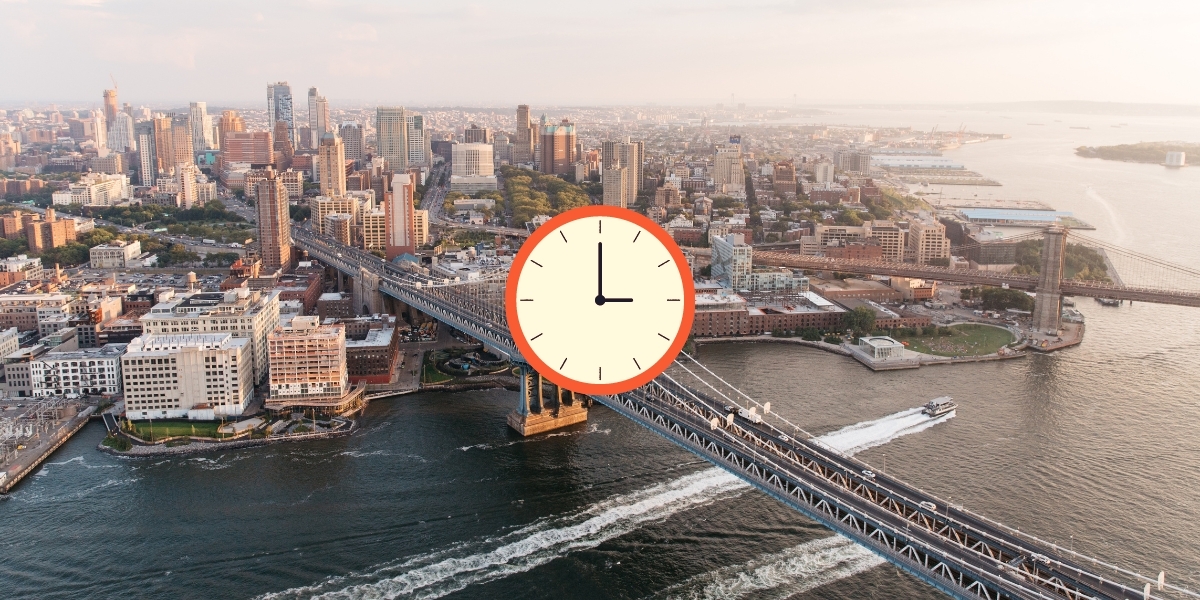
Experiencing New York: A City That Never Sleeps (But Still Keeps Time)
New York City’s moniker, “the city that never sleeps,” is well-deserved, but even perpetual motion operates on a clock. From dawn to late into the night, the city’s schedule dictates how its vibrant life unfolds.
Iconic Landmarks and Their Operating Hours
The grandeur of New York’s landmarks is timeless, but their accessibility is strictly time-bound. A sunrise visit to the Top of the Rock at Rockefeller Center might require an early start, while a sunset cruise to see the Statue of Liberty will be meticulously timed with the fading light. Museums like the Guggenheim Museum or the American Museum of Natural History typically open mid-morning and close in the late afternoon or early evening. Many, however, offer extended hours on certain days, which can be an excellent opportunity for visitors. For example, some museums might stay open until 9 PM on a Friday, allowing for a post-dinner cultural experience. Understanding these nuances, and cross-referencing them with the current EST/EDT period, ensures you don’t arrive only to find the doors closed. The 9/11 Memorial & Museum, for instance, has specific hours that are important to note for those planning a visit to this solemn site. Even outdoor attractions like The High Line have opening and closing times, often adjusted seasonally to maximize daylight access.
Culinary Adventures: Breakfast, Lunch, and Dinner in NYC
New York’s food scene is legendary, offering everything from classic New York bagels and street food to exquisite fine dining. The rhythm of meals in New York can be a little different from other parts of the world. Breakfast often starts early, catering to commuters, but brunch, especially on weekends, is a leisurely affair that can extend into the early afternoon. Lunch typically runs from noon to 2 PM, while dinner service usually begins around 5:30 PM or 6 PM and can continue until 10 PM or even later for trendy spots. Some iconic diners, like those found in Greenwich Village or the Upper West Side, are open 24 hours, truly embodying the “never sleeps” ethos. When making reservations, it’s always in New York local time, and restaurants are generally strict about punctuality, especially for popular evening slots. Consider enjoying a pre-theater dinner in the Theater District, where restaurants cater specifically to show-goers with earlier set menus, allowing you to comfortably make your 7 PM or 8 PM Broadway curtain time.
Nightlife and Entertainment: Embracing the Late Hours
When the sun sets, New York City truly comes alive. Its nightlife scene is diverse, catering to every taste, from jazz clubs in Harlem to rooftop bars in SoHo and energetic dance clubs in Chelsea. The time zone factor here is less about initial adjustment and more about stamina. Nightlife typically kicks off later than in many other cities. Bars and lounges might not get truly busy until 9 PM or 10 PM, and clubs often stay open until the early hours of the morning, sometimes as late as 4 AM. Broadway shows usually have evening performances starting between 7 PM and 8 PM, and matinees in the afternoon. Comedy clubs, live music venues like Radio City Music Hall or Carnegie Hall, and sports events at Madison Square Garden also have their own schedules. Planning your entertainment schedule requires knowing the local showtimes and factoring in travel time between venues, perhaps using the city’s extensive subway system which operates 24/7. Embracing these later hours is part of the quintessential New York experience, allowing you to soak in the city’s vibrant energy after dark.
Beyond Time: Essential Travel Tips for New York
While understanding New York’s time zone is a critical logistical element, a successful trip encompasses much more. The city’s vast offerings mean that planning for accommodation, transportation, and exploring its unique culture is equally important.
Accommodation Choices: From Luxury to Budget
New York City boasts an unparalleled range of accommodations, catering to every preference and budget. For those seeking luxury travel, renowned establishments like The Plaza Hotel overlooking Central Park, or the modern elegance of the Four Seasons Hotel New York in Midtown offer exceptional suites, amenities, and impeccable service. Budget-conscious travelers can find numerous boutique hotels, hostels, or even consider apartments for rent, particularly for longer stays. Neighborhoods play a significant role in accommodation choice; a stay in Times Square puts you at the heart of the action, while Greenwich Village offers a more bohemian charm, and Brooklyn provides a local, vibrant feel. When booking, always factor in potential check-in and check-out times relative to your arrival and departure, especially if you’re battling jet lag. Many hotels offer early check-in or luggage storage, which can be a lifesaver. Comparing prices and reading reviews on booking platforms is always recommended to find the best fit for your trip style and needs, whether it’s a family trip, a business stay, or a romantic getaway.
Getting Around: Public Transport and More
Navigating New York City is part of the adventure. The most efficient and cost-effective way to get around is the subway system, which operates 24 hours a day, 7 days a week. An MetroCard provides access to both subways and buses, connecting all five boroughs: Manhattan, Brooklyn, Queens, The Bronx, and Staten Island. Taxis, particularly the iconic yellow cabs, are readily available, especially in Manhattan, and ride-sharing services are also prevalent. For unique experiences, consider walking tours through historic neighborhoods like the West Village, or renting a bike to explore Governors Island. Knowing your destination’s location relative to subway lines will save you time, ensuring you make your scheduled appointments or show times without unnecessary delays.

Exploring Diverse Neighborhoods
Beyond the major landmarks, New York City is a mosaic of distinct neighborhoods, each with its own local culture, food scene, and unique attractions. Dedicate time to wander through SoHo for its cast-iron architecture and upscale boutiques, or explore Chinatown and Little Italy for vibrant culinary and cultural experiences. A visit to DUMBO in Brooklyn offers stunning views of the Manhattan skyline and the Brooklyn Bridge, while a trip to Coney Island provides classic seaside amusement. Tips for exploring include wearing comfortable shoes, downloading offline maps, and allowing for serendipitous discoveries. Each neighborhood offers a glimpse into the diverse lifestyles that make New York so captivating. From the historic grandeur of Grand Central Terminal to the bustling energy of Wall Street, and the tranquility of Washington Square Park, every corner of NYC promises a unique experience that goes beyond the clock, but is certainly enhanced by understanding its pulse.
LifeOutOfTheBox is a participant in the Amazon Services LLC Associates Program, an affiliate advertising program designed to provide a means for sites to earn advertising fees by advertising and linking to Amazon.com. Amazon, the Amazon logo, AmazonSupply, and the AmazonSupply logo are trademarks of Amazon.com, Inc. or its affiliates. As an Amazon Associate we earn affiliate commissions from qualifying purchases.