
Florida, often affectionately known as the Sunshine State, is a premier destination for travelers worldwide, boasting everything from pristine beaches and vibrant cities to sprawling theme parks and unique natural wonders. Beyond its postcard-perfect scenery, Florida is also a state with a distinct political landscape that subtly influences everything from its infrastructure and environmental policies to its economic incentives for the hospitality industry. For both prospective residents eyeing a move to its warm climate and seasoned travelers planning their next getaway, understanding the fundamental aspects of Florida’s governance, such as gubernatorial term limits, offers a fascinating glimpse into the state’s long-term trajectory.
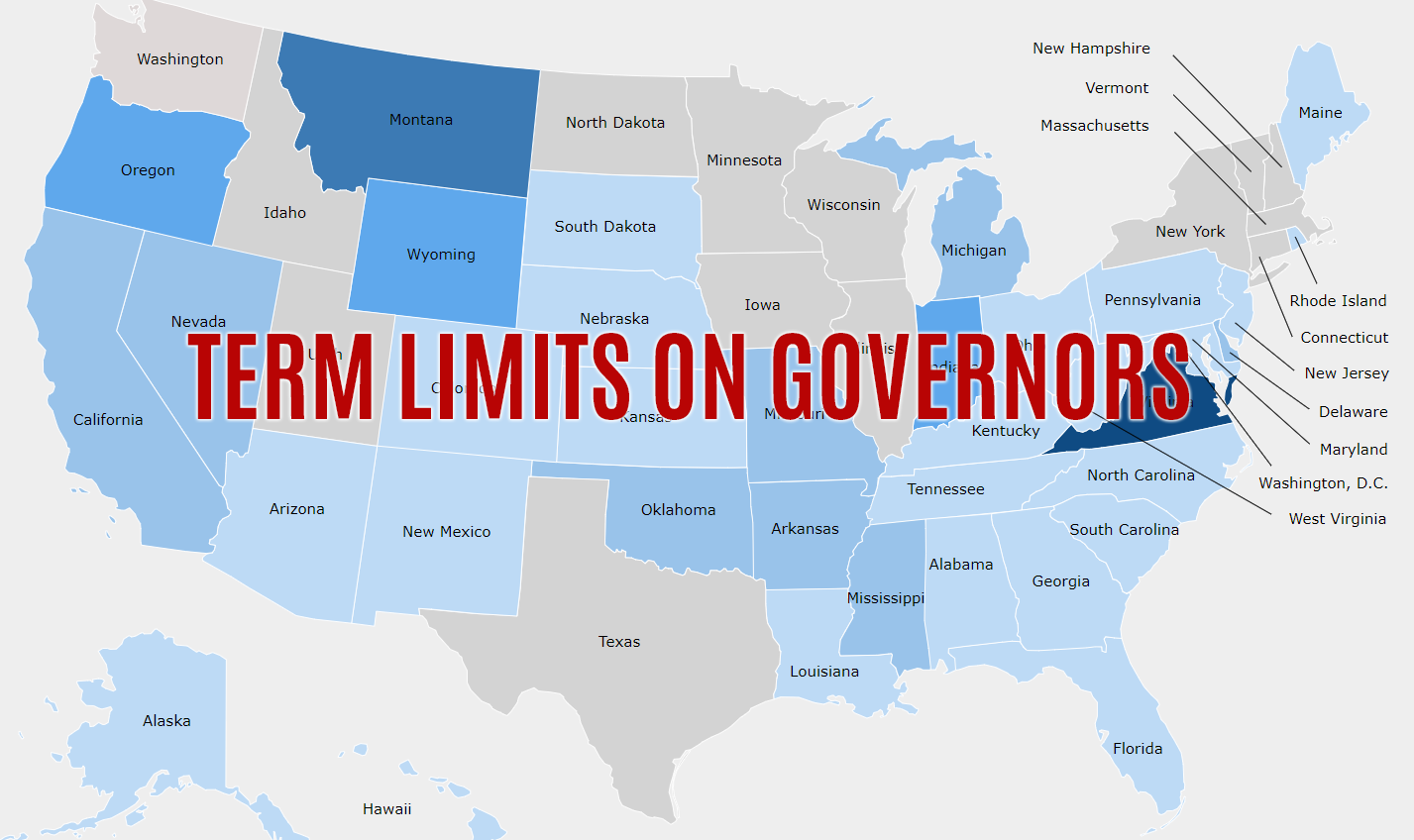
The question “Does Florida have term limits for Governor?” is not merely a political query but one that echoes through various aspects of life and business in the state. The answer, unequivocally, is yes. Like many states in the United States, Florida has constitutionally mandated limits on how long an individual can serve as its chief executive. This framework ensures a regular rotation of leadership, bringing fresh perspectives and new priorities to the forefront every few years, which can, in turn, shape the very experiences that draw millions to its shores annually.
The Foundation of Florida’s Gubernatorial Term Limits
At the heart of Florida’s governance structure lies its commitment to democratic principles, including the regular transfer of power. This is explicitly enshrined in the state’s supreme legal document.
Constitutional Mandate: Understanding the Two-Term Limit
The term limits for Florida’s Governor are clearly defined in the Florida Constitution. Specifically, Article IV, Section 5, states that “No person may be elected to the office of Governor for more than two consecutive terms.” Each term spans four years, meaning a Governor can serve a maximum of eight consecutive years. While a former Governor could theoretically run again after a break in service, the immediate consecutive limit is the key restriction. This constitutional provision is a cornerstone of political stability and democratic accountability within the Sunshine State, ensuring that no single individual can accumulate excessive power or influence over an extended period without renewed mandates from the electorate.
This limit is not unique to Florida; it reflects a broader trend across the United States, where many states and the federal government (for the presidency) have adopted similar measures. The intent is clear: to prevent political stagnation, encourage new leadership, and maintain a vibrant and responsive government. For travelers and investors, this underlying political stability, characterized by predictable leadership transitions, contributes to an environment where long-term projects, such as major infrastructure developments or large-scale resort expansions, can be planned with a reasonable degree of certainty regarding state-level support and policy continuity.
Historical Context and Evolution
The concept of term limits has deep roots in American political thought, stemming from a desire to prevent the concentration of power that could lead to monarchy or tyranny. While some early states allowed unlimited terms for governors, the trend towards limiting executive power gained traction over time. In Florida, the current two-term limit for the Governor was solidified as part of broader constitutional reforms aimed at modernizing the state’s governance. This evolution reflects a careful balance between allowing experienced leadership to guide the state and ensuring fresh perspectives are regularly introduced into the highest office.
Understanding this historical context helps to appreciate the stability and predictability that term limits bring. When a Governor knows their time in office is finite, it can sometimes influence their approach to policy-making – focusing on legacy projects or issues that can be tangibly addressed within their tenure. This can include initiatives directly impacting tourism, such as funding for state parks, improvements to major roadways connecting destinations like Miami and Orlando, or support for cultural festivals that define local experiences. Similarly, policies related to environmental protection, crucial for preserving natural attractions like the Everglades National Park or the delicate ecosystem of the Florida Keys, can be shaped significantly by gubernatorial priorities that align with their term.
The Rationale Behind Term Limits: Stability and Progress
The implementation of term limits is driven by several key principles that aim to foster a dynamic and accountable political environment. These principles have tangible, if indirect, effects on the daily lives of residents and the experiences of visitors.
Fostering Accountability and Preventing Stagnation
One of the primary arguments for term limits is that they enhance accountability. Knowing that their time in office is finite, governors are often compelled to achieve concrete results and deliver on campaign promises within their limited tenure. This creates a sense of urgency and focuses efforts on impactful policies rather than perpetual campaigning or accumulating power. For the hospitality industry, this might translate into expedited regulatory processes for new hotels in areas like South Florida or proactive state-led marketing campaigns to boost tourism to specific regions or attractions.
Furthermore, term limits are designed to prevent political stagnation. Long tenures can sometimes lead to entrenched interests, a lack of innovation, and a disconnect from evolving public needs. By mandating a change in leadership, term limits open the door for new ideas, diverse policy approaches, and a refreshed engagement with the electorate. This constant influx of new leadership can be particularly beneficial for a state as dynamic and rapidly growing as Florida, which continually adapts to new challenges and opportunities in areas like environmental conservation, technological advancement, and catering to a diverse, global tourist base.
Encouraging New Ideas and Diverse Perspectives
A change in gubernatorial leadership often ushers in a new set of priorities and a different approach to governance. This can be invigorating for a state that thrives on innovation and adaptability. For instance, a new governor might prioritize investment in sustainable tourism practices, support for emerging tech hubs in cities like Tampa, or initiatives to expand cultural tourism beyond traditional beach destinations. These shifts, while political in nature, directly impact the “lifestyle” and “travel” aspects of the state that our readers cherish.
Consider the potential for infrastructure projects. One governor might focus on expanding high-speed rail connections between major cities, making travel more convenient for tourists exploring Florida’s diverse regions. Another might prioritize enhancing port facilities to accommodate larger cruise ships, thereby boosting the cruise tourism sector centered in places like Miami and Port Canaveral. These long-term visions, influenced by the leadership’s agenda, are made possible and regularly reviewed due to the predictable cycle of gubernatorial change brought about by term limits.

Impact on Florida’s Tourism and Economic Landscape
Florida’s economy is heavily reliant on tourism and related industries. The state’s political stability and the priorities set by its leadership have a direct bearing on its appeal as a global destination and a place for investment.
Sustaining the Sunshine State’s Appeal
The continuity, or sometimes the intentional shift, in policy direction brought about by gubernatorial transitions can have a profound effect on Florida’s tourism sector. While basic services and protections for visitors remain constant, the emphasis on certain types of tourism, marketing initiatives, and regulatory frameworks can evolve. For example, a governor might launch a statewide campaign promoting eco-tourism, drawing attention to areas like the Ocala National Forest or the pristine springs of North Florida, encouraging visitors to explore beyond the theme parks of Orlando.
Similarly, policies related to coastal management, beach nourishment, and water quality are critical for maintaining the allure of Florida’s renowned beaches along the Gulf Coast and Atlantic Coast. Gubernatorial leadership plays a vital role in funding and overseeing these efforts, ensuring that the natural landmarks that attract millions remain preserved and accessible. The consistent cycle of leadership, while introducing new priorities, also ensures a regular evaluation of existing programs and an opportunity to adapt to new environmental challenges or tourist demands.
Infrastructure Development and Environmental Stewardship
Governors hold significant power in shaping the state’s infrastructure and environmental policies. During their terms, they can champion major transportation projects, such as improvements to interstates and airports, which are crucial for facilitating travel within and into the state. Think of the seamless travel experiences from Orlando International Airport to Disney World or the ongoing efforts to enhance traffic flow around urban centers like Jacksonville. These developments are often long-term endeavors, but the commitment to them is frequently renewed or reprioritized with each administration.
In terms of environmental stewardship, gubernatorial decisions are paramount. Florida, with its delicate ecosystems, vulnerability to hurricanes, and reliance on natural beauty for tourism, requires strong environmental leadership. Governors can initiate or support programs for Everglades restoration, marine conservation, and renewable energy, all of which indirectly enhance the state’s appeal as a sustainable and responsible travel destination. The regular change in leadership ensures that these critical issues are revisited and addressed with potentially new strategies every eight years, fostering a dynamic approach to environmental governance.
Attracting Investment and Innovation
Beyond tourism, gubernatorial policies influence the broader economic landscape, including how attractive Florida is for businesses and investors. A stable political environment with predictable leadership transitions can signal confidence to companies looking to relocate or expand, including those in the hotel and accommodation sectors. Tax incentives, regulatory reforms, and support for emerging industries (like space tourism centered around the Kennedy Space Center) are often championed by governors seeking to boost the state’s economy.
The regular rotation of governors, by potentially introducing new economic development strategies, can keep the state competitive. One administration might focus on attracting international businesses, leading to an increase in luxury hotels and corporate travel. Another might emphasize supporting small businesses and local entrepreneurs, fostering unique boutique accommodations and authentic local experiences in historic areas like St. Augustine. This dynamic interplay of continuity and change, guided by term limits, helps maintain a vibrant and diversified economy.
Florida’s Political Cycle and its Influence on Lifestyle
The rhythm of Florida’s political cycle, dictated by gubernatorial term limits, has tangible effects on the lifestyle of its residents and the overall visitor experience.
Navigating the Gubernatorial Transition
Every four to eight years, Florida experiences a gubernatorial election, culminating in either the re-election of an incumbent or the inauguration of a new leader in Tallahassee, the state capital. This transition period, while inherently political, often sparks public discourse about the state’s future direction. For residents, this means renewed attention to issues affecting their daily lives: education, healthcare, property taxes, and job growth. For those considering relocating to Florida, observing these political cycles provides valuable insight into the state’s evolving priorities and the kind of lifestyle it aims to foster.
The transition also impacts the state’s symbolic landmarks and institutions. The Governor’s Mansion and the Capitol Building become focal points of state activity, representing the continuity and change of power. During these periods, public interest in state affairs often peaks, leading to increased discussions about how new leadership might shape everything from the preservation of historic sites like the Art Deco Historic District in Miami Beach to the future of large-scale attractions like Universal Studios or Busch Gardens.

Quality of Life for Residents and Visitors
Ultimately, the policies enacted by Florida’s governors over their maximum eight-year tenure directly influence the quality of life for its diverse population, from retirees in Naples to young professionals in Tampa and families enjoying the attractions of Orlando. These policies can affect everything from the availability of affordable housing to the quality of public schools and the accessibility of healthcare. For visitors, a well-governed state often translates to better public services, safer communities, and well-maintained public spaces – all contributing to a more enjoyable travel experience.
For example, a governor committed to robust public safety programs ensures that cities remain welcoming and secure for tourists exploring South Beach or enjoying the nightlife in Key West. Similarly, investments in cultural programs and state parks enhance the leisure options available to both residents and visitors, enriching the overall lifestyle proposition of the Sunshine State. The dynamic nature of Florida’s leadership, shaped by its term limits, ensures that these fundamental aspects of life and travel are consistently on the political agenda, subject to review and renewal in a predictable cycle.
In conclusion, the question of whether Florida has term limits for its Governor is met with a clear affirmative. This constitutional mandate shapes the state’s political rhythm, ensuring a regular infusion of new leadership and ideas. While seemingly a dry piece of political trivia, this fundamental aspect of Florida governance subtly yet significantly influences the state’s trajectory. From the development of its world-class travel infrastructure and the preservation of its iconic landmarks to the economic vitality that underpins its thriving tourism sector and the overall quality of life for its residents, the cycle of gubernatorial leadership has a far-reaching impact. For anyone considering Florida as a destination for their next adventure, a potential new home, or a place for investment, understanding this political cornerstone offers a deeper appreciation of the forces shaping this vibrant and ever-evolving Sunshine State.
LifeOutOfTheBox is a participant in the Amazon Services LLC Associates Program, an affiliate advertising program designed to provide a means for sites to earn advertising fees by advertising and linking to Amazon.com. Amazon, the Amazon logo, AmazonSupply, and the AmazonSupply logo are trademarks of Amazon.com, Inc. or its affiliates. As an Amazon Associate we earn affiliate commissions from qualifying purchases.