
Detroit, Michigan, often hailed as the Motor City, is a place of profound resilience, rich history, and dynamic transformation. When travelers and prospective residents consider a visit or a move to this iconic American city, one of the fundamental questions that arises is about its populace: “How many people live in Detroit, MI?” This seemingly simple query unlocks a deeper understanding of the city’s identity, its ongoing revitalization, and the vibrant communities that shape its character. Beyond a mere number, the population figure of Detroit offers insights into its economic landscape, cultural richness, and the evolving lifestyle it offers to both long-term residents and transient visitors exploring its unique charm.

The number of people living in Detroit has fluctuated dramatically throughout its history. Once a booming industrial powerhouse, it experienced significant decline in the latter half of the 20th century. However, the 21st century has heralded a period of renewed investment, innovation, and a growing sense of optimism that continues to reshape the urban fabric. Understanding these demographic shifts is crucial for appreciating the various facets of Detroit today – from its burgeoning culinary scene and world-class museums to its distinctive neighborhoods and an array of accommodation options designed to welcome a diverse influx of guests.
The Dynamic Population of Detroit: A Snapshot
The population of a city is more than just a statistic; it’s a reflection of its vitality, its challenges, and its potential. Detroit’s demographic journey is particularly compelling, mirroring broader trends of urbanization, industrial change, and community resilience in the United States. Examining its current population figures provides context for understanding its evolution into a compelling destination for travel, tourism, and a unique urban lifestyle.
Understanding Detroit’s Current Demographics
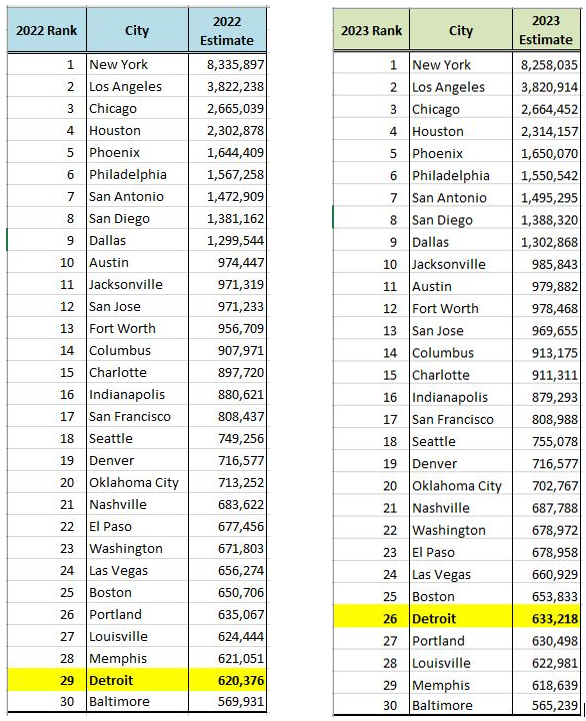
According to the U.S. Census Bureau, the population of Detroit, Michigan, as of the 2020 Census, was 639,111. This figure marked a decrease from the 2010 Census population of 713,777, continuing a trend of population decline that began in the mid-20th century. However, it’s essential to view this number within the larger narrative of Detroit’s resurgence. While the city proper has seen a reduction in its official census count, there are strong indicators of stabilization and growth in specific areas, particularly within its vibrant downtown and revitalized neighborhoods.
Current estimates often show a slight uptick or stabilization in the population since 2020, as new residents are drawn to job opportunities, affordable housing, and a burgeoning cultural scene. Detroit remains the largest city in Michigan and the seat of Wayne County, anchoring a much larger metropolitan area. The broader Detroit metropolitan statistical area, which includes its sprawling suburbs, is home to over 4.3 million people, making it one of the largest economic regions in the Midwest. This distinction is crucial, as the economic pull and cultural influence of the wider metro region significantly impact the core city. The racial and ethnic composition of Detroit is predominantly African American, making it one of the largest Black-majority cities in the United States, contributing to its unique cultural identity and heritage.
Factors Influencing Population Trends
Several complex factors have shaped and continue to influence Detroit’s population trends. Historically, the decline was primarily driven by the exodus of manufacturing jobs, particularly in the automotive industry, and the subsequent movement of residents to the suburbs. This created a cycle of economic hardship, urban decay, and population loss.
However, in recent years, the narrative has shifted dramatically. A significant factor in the city’s stabilization and potential future growth is economic development. Major investments from corporations like Ford Motor Company (e.g., the revitalization of Michigan Central Station), along with new tech startups and a booming entrepreneurial ecosystem, are creating new jobs and attracting a younger, diverse workforce. This renewed economic vitality contributes to migration back into the city, particularly among young professionals, artists, and families seeking an authentic urban experience without the prohibitive costs of other major U.S. cities.
Furthermore, improvements in the quality of life have played a critical role. Extensive urban planning and development projects have transformed downtown and key neighborhoods, introducing new parks, retail spaces, and residential buildings. The increasing availability of high-quality housing – from renovated historic lofts to modern apartment complexes – provides appealing options for new and returning residents. The city’s rich cultural scene, growing food and beverage industry, and commitment to public spaces like the Detroit Riverwalk also contribute to a higher quality of life, making Detroit an increasingly desirable place to live and visit. These developments are integral to understanding why, despite past census figures, many perceive Detroit as a city on an upward trajectory.
Beyond the Numbers: What Detroit Offers Residents and Visitors
The population figure, while important, merely scratches the surface of Detroit’s allure. For those interested in travel, tourism, and lifestyle, the essence of the city lies in its vibrant culture, rich history, and the unique experiences it offers. Detroit is a city that constantly reinvents itself, building on its storied past while embracing a bold future.
A Hub of Culture and History
Detroit is a treasure trove for history buffs and culture enthusiasts. Its pivotal role in the automotive industry earned it the moniker Motor City, and this legacy is celebrated at institutions like The Henry Ford Museum of American Innovation and Greenfield Village in nearby Dearborn, which offer immersive experiences into American ingenuity. Music, too, is woven into Detroit’s DNA, most famously through the sound of Motown. A visit to the iconic Motown Museum, housed in the original Hitsville U.S.A. building, is an essential pilgrimage for music lovers, offering a glimpse into the studio where legends like The Supremes and Marvin Gaye recorded their timeless hits.
The city also boasts an impressive arts scene, centered around the Detroit Institute of Arts (DIA), which houses one of the largest and most significant art collections in the United States, including Diego Rivera’s magnificent “Detroit Industry Murals.” The Detroit Historical Museum provides a comprehensive overview of the city’s complex journey, while numerous galleries and public art installations across downtown and Midtown showcase the city’s contemporary artistic spirit. Landmarks like the majestic Fisher Building and the opulent Fox Theatre stand as architectural masterpieces, reminding visitors of Detroit’s grandeur during its heyday and its ongoing preservation efforts.
Economic Revival and Urban Development
Detroit’s economic revival is palpable, particularly in its downtown core. The central business district, once quiet, now buzzes with activity, reflecting significant private and public investment. Tech companies are flocking to the city, recognizing its potential, affordable real estate, and growing talent pool. Developers are converting historic buildings into modern office spaces and residential units, breathing new life into structures that once lay dormant.
This urban development extends beyond downtown, with strategic investments in public infrastructure and neighborhood revitalization projects. The QLine streetcar connects popular districts along Woodward Avenue, improving accessibility for residents and tourists alike. Entrepreneurship is thriving, especially in the hospitality sector, with new restaurants, cafes, and boutiques opening regularly, adding to the city’s vibrant street life and supporting local economies. The transformation of areas like Campus Martius Park into a year-round gathering place, complete with seasonal ice skating and outdoor concerts, exemplifies Detroit’s commitment to creating engaging public spaces that foster community and attract visitors.

Diverse Neighborhoods and Community Life
One of Detroit’s greatest strengths lies in its diverse and distinct neighborhoods, each with its own character, history, and community spirit. From the historic brick homes of Corktown, the city’s oldest surviving neighborhood, now home to a lively bar and restaurant scene, to the academic and cultural hub of Midtown with its universities and museums, there’s a unique vibe to discover around every corner.
Greektown offers a taste of the Mediterranean with its vibrant restaurants, casinos, and entertainment venues. The Eastern Market district, a historic public market, transforms into a bustling hub every weekend, drawing crowds for fresh produce, artisan goods, and a lively atmosphere. Further north, the New Center area boasts grand architecture and the historic Fisher Building. These neighborhoods aren’t just places on a map; they are living communities, each contributing to the multifaceted tapestry of Detroit, offering residents a strong sense of belonging and visitors an authentic glimpse into local life.
Navigating Accommodation and Lifestyle in the Motor City
For any traveler, the experience is profoundly shaped by where they stay and how they immerse themselves in the local lifestyle. Detroit’s resurgence has brought with it an impressive array of accommodation options and a burgeoning lifestyle scene that caters to every preference, from luxury seekers to budget-conscious adventurers.
Hotels and Lodging Options for Every Traveler
The revitalization of Detroit has led to a significant upgrade in its hospitality offerings. Travelers seeking luxury accommodations will find opulent choices that blend historic grandeur with modern amenities. The Detroit Marriott at the Renaissance Center, situated within the iconic Renaissance Center skyscrapers, offers breathtaking views of the city and the Detroit River looking towards Canada. For a more boutique experience, the Shinola Hotel and The Siren Hotel provide stylish, design-centric stays, reflecting Detroit’s creative spirit with exceptional service and unique atmospheres. Casino resorts like MGM Grand Detroit, MotorCity Casino Hotel, and Hollywood Casino at Greektown combine lodging with entertainment, dining, and nightlife.
For those on a budget travel plan, or seeking longer stays, numerous reputable chain hotels offer comfortable and affordable options throughout downtown and the surrounding areas. The rise of apartment rentals and boutique guesthouses also provides an opportunity for visitors to experience Detroit like a local, often in beautifully renovated historic buildings or vibrant neighborhoods like Corktown or Midtown. Whether one prefers the amenities of a resort, the charm of an independent hotel, or the practicality of a long-term stay apartment, Detroit caters to a diverse range of preferences, ensuring that every visitor finds their ideal base for exploration.
Embracing Detroit’s Lifestyle: From Gastronomy to Green Spaces
Detroit’s lifestyle scene is as dynamic as its population trends, offering a rich tapestry of experiences for both residents and visitors. The city’s gastronomy has exploded, moving far beyond its famous Coney Island hot dogs (though those are still a must-try!). Award-winning chefs are establishing innovative restaurants, offering everything from upscale farm-to-table dining to international cuisines that reflect the city’s diverse ethnic communities. The burgeoning craft brewery and distillery scene adds another layer to Detroit’s culinary appeal, with unique tasting rooms and vibrant social spots.
Beyond food, Detroit offers a wealth of green spaces and outdoor activities. Belle Isle Park, a 982-acre island park designed by Frederick Law Olmsted (the landscape architect behind New York City’s Central Park), provides stunning views of the skyline, walking trails, an aquarium, and a conservatory. The Detroit Riverwalk offers miles of scenic paths perfect for walking, jogging, or cycling, connecting various attractions and offering glimpses across the Detroit River to Windsor, Canada.
The city’s entertainment scene is also thriving, with venues like the Fox Theatre, Detroit Opera House, and Detroit Music Hall Center for the Performing Arts hosting world-class performances. Sports fans can catch professional games for the Detroit Tigers (MLB) at Comerica Park, the Detroit Red Wings (NHL) and Detroit Pistons (NBA) at Little Caesars Arena, and the Detroit Lions (NFL) at Ford Field. This blend of cultural institutions, recreational opportunities, and a flourishing culinary landscape makes Detroit a dynamic place where there’s always something new to experience, fostering a truly engaging urban lifestyle.
Planning Your Visit to Detroit: Insights and Tips
For anyone planning a trip to Detroit, understanding the layout, key attractions, and local nuances can significantly enhance the experience. The city’s ongoing transformation means that there’s always something new to discover, making every visit unique.
Must-Visit Landmarks and Attractions
When exploring Detroit, certain landmarks stand out as essential stops. Beyond the already mentioned Motown Museum and Detroit Institute of Arts, the majestic Renaissance Center not only dominates the skyline but also serves as a vibrant complex of shops, restaurants, and offices. The recently revitalized Michigan Central Station is a testament to Detroit’s resilience, transforming from a symbol of urban decay into a beacon of future innovation and connectivity.
Don’t miss a stroll through Campus Martius Park, the city’s lively public square that hosts events year-round. Architectural enthusiasts will appreciate the stunning art deco designs of buildings like the Guardian Building and the Penobscot Building. For a unique experience, consider driving across the Ambassador Bridge or taking the tunnel to Windsor, Canada, offering a distinct international border town experience, just minutes away. Each of these landmarks tells a piece of Detroit’s compelling story, reflecting its past glories, struggles, and triumphant comeback.
Experiencing Local Culture and Events
To truly grasp the pulse of Detroit, immerse yourself in its local culture and vibrant events. The city is a hub for music, hosting the annual Movement Electronic Music Festival and numerous jazz, blues, and gospel performances throughout the year. The Detroit Jazz Festival, typically held over Labor Day weekend, is one of the largest free jazz festivals in the world.
Beyond music, the Eastern Market is not just a place for groceries; it’s a cultural institution, especially during its Saturday and Sunday markets, offering a sensory overload of local flavors, crafts, and community spirit. Explore the diverse cuisines in neighborhoods like Mexicantown or the authentic Greek fare in Greektown. Engage with local artists at gallery openings in Midtown or explore the independent boutiques along Woodward Avenue. Checking local event listings before your visit can reveal a plethora of unique festivals, concerts, sporting events, and community gatherings that offer an authentic taste of Detroit’s dynamic and welcoming culture.
In conclusion, while the precise number of people living in Detroit, MI, hovers around 639,111 based on the most recent census data, this figure only serves as a starting point. Detroit is a city in constant motion, defying simple categorization. Its population trends reflect a profound history of industrial might, challenges, and an ongoing, inspiring revitalization. For travelers, this means a city rich in cultural heritage, brimming with new economic energy, offering diverse accommodation choices, and an ever-evolving lifestyle that promises unique and memorable experiences. Whether you’re drawn by its historic landmarks, its burgeoning food scene, or its resilient community spirit, Detroit invites you to explore, discover, and become part of its remarkable story.
LifeOutOfTheBox is a participant in the Amazon Services LLC Associates Program, an affiliate advertising program designed to provide a means for sites to earn advertising fees by advertising and linking to Amazon.com. Amazon, the Amazon logo, AmazonSupply, and the AmazonSupply logo are trademarks of Amazon.com, Inc. or its affiliates. As an Amazon Associate we earn affiliate commissions from qualifying purchases.