
The story of how the United States acquired Florida is a fascinating tale interwoven with centuries of exploration, geopolitical struggles, and the relentless march of a young nation’s expansionist ambitions. Today, Florida stands as a premier global destination, celebrated for its sun-kissed beaches, vibrant culture, and world-class attractions. Yet, behind every historic landmark, every Spanish-influenced dish, and every fort echoing with tales of old, lies a complex history of shifting flags and intricate diplomacy that shaped the peninsula into the beloved “Sunshine State” we know today. Understanding this journey not only enriches the travel experience but also offers a profound appreciation for the diverse heritage that makes Florida a unique confluence of European and American cultures.
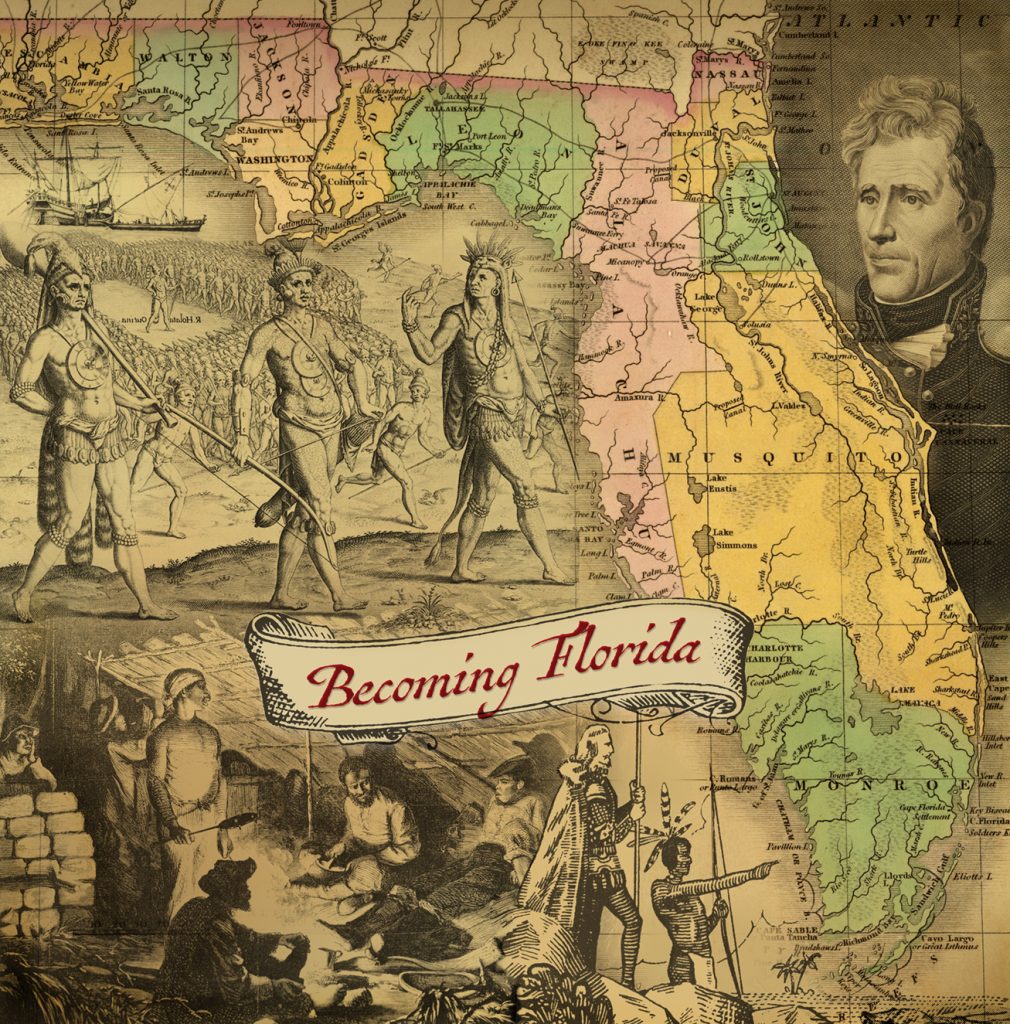
A Land of Early Ambition: Spain’s Claim on La Florida
Long before it became a bustling hub for tourism and a haven for those seeking the ultimate lifestyle of leisure, Florida was a vast, untamed wilderness, rich in natural beauty and strategic importance. Its historical journey began with the earliest European explorers, setting the stage for centuries of imperial rivalry and territorial claims.
The Arrival of Ponce de León and the Dawn of European Exploration
In 1513, Juan Ponce de León, a Spanish explorer, became the first European to reach the shores of what he christened “La Florida” – the “Land of Flowers.” He landed near what is now St. Augustine, claiming the territory for Spain. This momentous event marked the beginning of sustained European interest in North America. For travelers interested in diving deep into this foundational history, St. Augustine remains an essential destination. As the oldest continuously inhabited European-established settlement in the continental United States, its historic district offers an unparalleled journey back in time, allowing visitors to walk the same cobblestone streets and explore the same fortifications that witnessed centuries of Spanish dominion. The city’s unique blend of culture, architecture, and historical attractions provides an immersive experience that resonates with the adventurous spirit of early explorers. Many boutique hotels and charming accommodations in St. Augustine echo this rich heritage, offering a truly unique stay.
Contested Shores: French and British Interests Emerge
Spain’s claim to Florida was not unchallenged for long. Its strategic location, guarding the lucrative shipping lanes of the Gulf of Mexico and the Caribbean, made it a coveted prize for other European powers. The French attempted to establish a foothold with Fort Caroline in 1564, only to be brutally expelled by the Spanish a year later, leading to the founding of St. Augustine as a military outpost. Later, the British began to assert their presence, encroaching from their colonies to the north. This period of intense rivalry profoundly shaped the early culture and defensive architecture of Florida. Today, visitors exploring historical landmarks like the Castillo de San Marcos in St. Augustine can witness firsthand the impressive fortifications built to protect Spanish interests against these competing powers. These sites are not just relics; they are vibrant attractions that offer guided tours, reenactments, and museums, providing a tangible link to Florida’s contested past and serving as major draws for tourism, blending history with adventure.
The Shifting Sands of Ownership: From Spanish Colony to British Province and Back Again
The 18th century proved to be a tumultuous period for Florida, as its ownership became a pawn in the larger geopolitical games played out across the Atlantic. This era of flux contributed to a unique cultural tapestry that modern travelers can still appreciate, from architectural styles to local traditions.
The First Spanish Period: Centuries of Frontier Life
For over 200 years, from 1513 to 1763, Florida remained primarily a Spanish colony, albeit one characterized by sparse settlements and constant frontier challenges. St. Augustine and Pensacola served as key administrative and military outposts, fending off attacks from Native American tribes and rival European powers. Life was harsh, but the seeds of a distinct Florida culture, heavily influenced by Spain, were sown. Today’s tourists can explore the enduring legacy of this period through historical sites, museums, and even the culinary traditions that hint at a deep Spanish heritage. Exploring these early settlements offers a glimpse into a rugged lifestyle that contrasts sharply with today’s luxury travel options, providing a fascinating perspective for those interested in the evolution of the region’s identity and its transformation into a top-tier destination.
The British Interlude: A Brief Era of Development
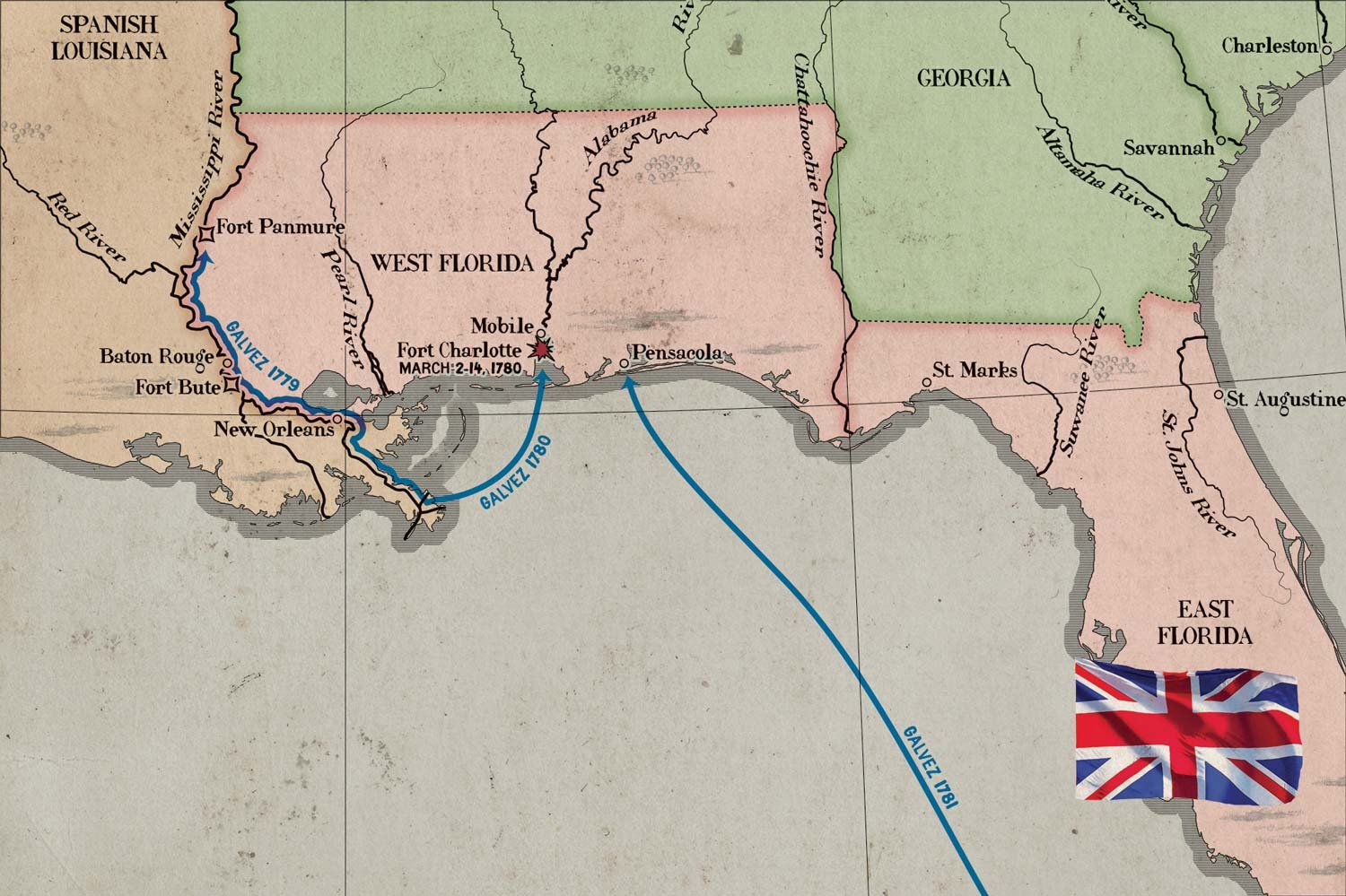
A significant shift occurred in 1763 following the French and Indian War (known as the Seven Years’ War in Europe). In the Treaty of Paris (1763), Spain ceded Florida to Great Britain in exchange for Havana, Cuba. The British divided the territory into two parts: East Florida, with its capital at St. Augustine, and West Florida, with its capital at Pensacola. During their twenty-year rule, the British encouraged settlement and agricultural development, introducing new crops and attempting to establish plantations. While their presence was relatively brief, it left an indelible mark, especially on the administrative and economic structures of the region. Traces of British influence, though less dominant than the Spanish, can still be found in certain historical records and archaeological sites, adding another layer to the diverse tapestry that defines Florida’s cultural tourism.
Return to Spain: The Legacy of the American Revolution
The tides turned once more with the conclusion of the American Revolution. Spain, having allied with France against Great Britain, regained control of Florida in the Treaty of Paris (1783). This “second Spanish period” saw Spain attempting to reassert its authority, but with significantly diminished resources and facing growing pressure from the nascent United States of America to its north. This period, characterized by internal struggles and external pressures, would ultimately set the stage for Florida’s eventual transfer to American hands. Visitors today, particularly those interested in strategic military history, can visit remnants of fortifications from this era, understanding the perpetual state of vigilance that defined life in colonial Florida. These sites not only serve as landmarks but also as educational attractions, vital for understanding the region’s historical significance within wider North American and global conflicts.
The Young American Republic’s Growing Aspiration
With its independence secured, the United States cast its eyes southward, viewing Florida as both a strategic necessity and a natural extension of its burgeoning territory. The presence of a weak Spanish colony bordered by an expanding American republic created an inevitable friction that would ultimately lead to a transfer of ownership.
Border Disputes and Geopolitical Tensions
The borders between Spanish Florida and the United States were a constant source of tension. Runaway slaves from Georgia and other southern states sought refuge in Florida, often integrating with Seminole and other Native American communities, creating a formidable frontier population. Additionally, Native American raids emanating from Florida into American territory further inflamed relations. Spain, weakened by its engagements in Europe and its vast colonial empire, struggled to effectively govern or defend its distant Florida provinces. These borderlands became a lawless frontier, ripe for American intervention. For those interested in historical travel, understanding these tensions contextualizes many of the historical markers and museum exhibits found across Florida and the southern United States.
The Enigma of West Florida and American Expansionism
The situation was further complicated by the ambiguous status of West Florida. Following the Louisiana Purchase in 1803, the United States claimed that West Florida was part of the territory acquired from France, a claim that Spain vehemently disputed. In 1810, American settlers in West Florida revolted against Spanish rule, declared independence, and were quickly annexed by the United States. This bold move highlighted the American intent to expand and solidified its presence along the Gulf Coast, directly bordering East Florida. The episode underscored the American policy of Manifest Destiny, laying the groundwork for further territorial acquisitions. Modern visitors to the panhandle region of Florida and neighboring Alabama can still feel the echoes of this contentious period, where cultural influences from Spanish, French, and American settlers converged to create a unique regional identity, offering a rich experience for those seeking local culture and historical immersion.
The Road to Acquisition: Conflicts, Diplomacy, and the Adams-Onís Treaty
The path to American ownership of Florida was ultimately paved through a combination of military pressure and astute diplomacy, culminating in a pivotal treaty that redefined the southern border of the United States.
Andrew Jackson and the Seminole Wars
The tensions along the Florida border escalated into open conflict, famously known as the Seminole Wars. In 1818, General Andrew Jackson, a prominent military figure, led an unauthorized invasion into Spanish Florida to address what he perceived as threats from Seminole and Creek tribes, as well as runaway slaves. His aggressive campaign saw him seize Pensacola and execute two British subjects, causing an international incident. Despite the controversy, Jackson’s actions demonstrated Spain’s inability to control its territory and effectively deterred further incursions into American lands. For history buffs and those interested in military landmarks, sites associated with the Seminole Wars across central and northern Florida offer compelling narratives of frontier conflict, often found near state parks and historical societies, providing excellent opportunities for educational travel.
Negotiating a Future: The Florida Purchase Treaty of 1819
Recognizing Spain’s weak hold on Florida and its pressing issues elsewhere in its crumbling empire, the United States initiated diplomatic efforts to acquire the territory. Secretary of State John Quincy Adams skillfully negotiated with Spanish minister Luis de Onís, leading to the signing of the Adams-Onís Treaty (also known as the Transcontinental Treaty or the Florida Purchase Treaty) in 1819. Under the terms of this landmark agreement, Spain ceded Florida to the United States in exchange for the U.S. assuming $5 million in claims by American citizens against Spain and defining a clear boundary between American territory and Spanish possessions in what is now the American Southwest and the Pacific Ocean. This treaty was a triumph of diplomacy, resolving longstanding border disputes and solidifying American control over the vast expanse of land west of the Mississippi River to the Pacific. For those interested in the intricacies of international relations and historical landmarks of diplomatic significance, visiting archives and historical societies in Washington D.C. or St. Augustine can offer deeper insights into this pivotal moment.
Florida Under the American Flag: From Territory to Sunshine State
With the formal transfer in 1821, Florida officially became a territory of the United States, embarking on a new chapter of its history that would see it transform from a sparsely populated frontier into a global tourism powerhouse.
Establishing Order and Paving the Way for Statehood
Upon acquiring Florida, the United States faced the challenge of establishing civil government, integrating diverse populations, and managing ongoing conflicts with Native American tribes. Andrew Jackson himself briefly served as the military governor. The territorial period, lasting until 1845, was characterized by continued development, especially in agriculture, and the contentious issue of slavery, which would play a significant role in its eventual statehood. Despite these challenges, the territory began to attract new settlers, slowly building the infrastructure and communities that would form the foundation of the modern state. Travelers interested in this transitional period can explore various historical sites that depict early American settlement, showcasing the blend of pioneering spirit and developing civic life. The historical societies in cities like Tallahassee, Florida’s capital, offer fascinating insights into this era.

The Legacy: Florida’s Enduring Allure for Travelers
On March 3, 1845, Florida was admitted to the Union as the 27th state. From a land once primarily valued for its strategic position in imperial rivalries, it evolved into a beacon for opportunity, relaxation, and adventure. Today, the legacy of its acquisition and rich multicultural past is visible everywhere. The Spanish influence is evident in the architecture of St. Augustine and the vibrant culture of Miami. The echoes of its frontier past can be felt in the natural preserves like the Everglades National Park and the historic forts that dot its coastline, such as Fort Zachary Taylor in Key West and Fort Jefferson in the Dry Tortugas.
Florida now boasts world-renowned attractions like Walt Disney World in Orlando, the Kennedy Space Center, and countless miles of pristine beaches. Its diverse ecosystems, from the coral reefs of the Keys to the untouched wilderness of the panhandle, offer a lifestyle and experience for every type of traveler. Whether seeking luxury travel in a five-star resort, a budget-friendly family trip, or an immersive cultural experience, Florida delivers. Its journey from a contested colonial outpost to a thriving American state is a testament to its enduring appeal and strategic importance. The next time you find yourself enjoying the sun, sand, and historical sites of Florida, take a moment to appreciate the centuries of history, diplomacy, and ambition that ultimately led to the United States gaining its “Land of Flowers.”
LifeOutOfTheBox is a participant in the Amazon Services LLC Associates Program, an affiliate advertising program designed to provide a means for sites to earn advertising fees by advertising and linking to Amazon.com. Amazon, the Amazon logo, AmazonSupply, and the AmazonSupply logo are trademarks of Amazon.com, Inc. or its affiliates. As an Amazon Associate we earn affiliate commissions from qualifying purchases.