
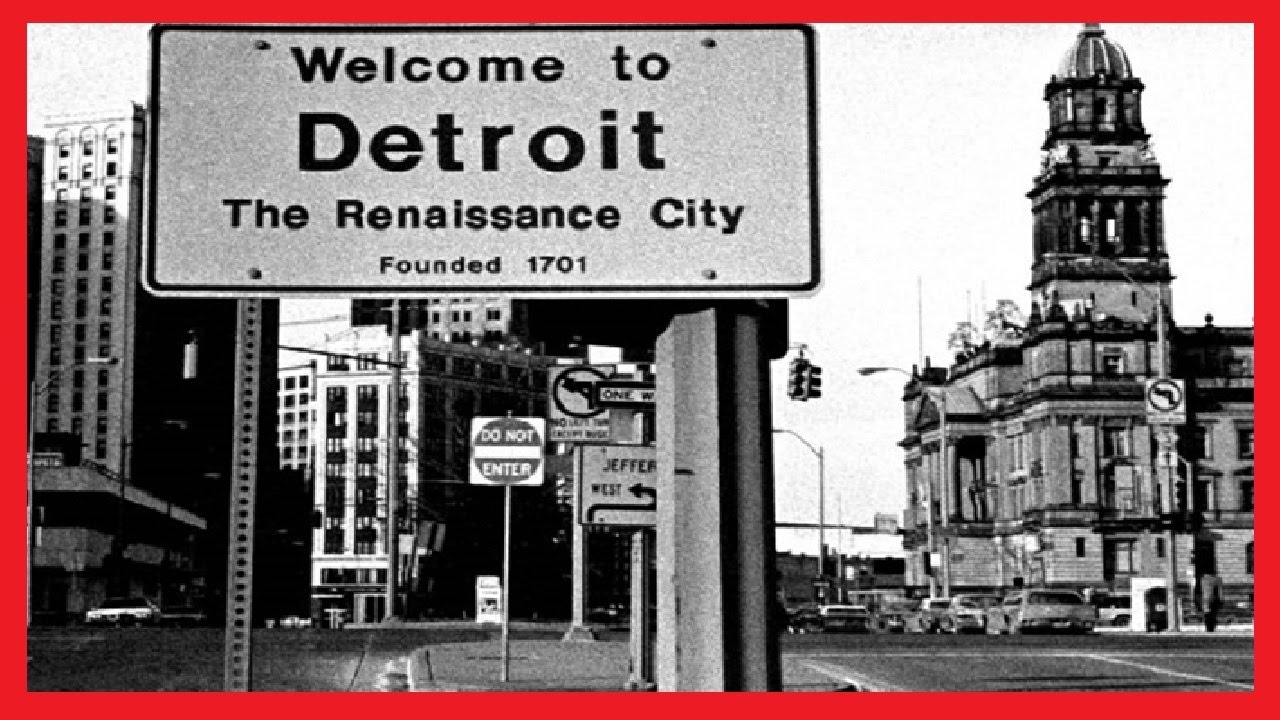
The story of Detroit is a compelling narrative of resilience, innovation, and rebirth, stretching back more than three centuries. A city synonymous with American industry and cultural output, its foundations were laid not by American settlers, but by French explorers seeking to expand their colonial empire. The precise answer to “When was Detroit founded?” is July 24, 1701, when French officer and explorer Antoine de la Mothe Cadillac established a trading post and fort known as Fort Pontchartrain du Détroit.
This pivotal moment in history marked the genesis of a settlement that would eventually grow into a powerful industrial hub, a beacon of cultural change, and today, a vibrant destination for travelers worldwide. From its early days as a strategic fur trading post to its legendary status as the “Motor City,” Detroit’s journey is as multifaceted as it is fascinating, offering a rich tapestry of history, urban development, and a unique modern travel experience. Understanding its origins is key to appreciating the depth of its character and the layers of its present-day appeal, whether you’re seeking historical landmarks, world-class accommodations, or a taste of its distinctive lifestyle.
The Dawn of a Dynamic City: Antoine de la Mothe Cadillac and the Founding of Fort Pontchartrain
The establishment of Detroit in the early 18th century was no accident but a calculated move within the broader geopolitical ambitions of New France. The French were eager to solidify their control over the lucrative fur trade and establish a stronger presence in the vast Great Lakes region. It was this strategic imperative that led Antoine de la Mothe Cadillac, an intrepid and ambitious French military officer, to seek a prime location for a new settlement.
A Strategic Location on the Detroit River
Cadillac, after serving as commander of Fort Michilimackinac, recognized the immense strategic value of the strait connecting Lake Huron and Lake Erie. This waterway, which the French called le détroit du lac Érié (the strait of Lake Erie), offered a natural choke point for trade and military control. It was here, along the banks of what is now known as the Detroit River, that Cadillac envisioned a robust settlement that would serve as a permanent base for the fur trade, a barrier against British expansion, and a hub for alliances with indigenous peoples.
On July 24, 1701, Cadillac and a contingent of approximately 100 people, including soldiers, artisans, and two priests, disembarked from their canoes and began the arduous task of constructing Fort Pontchartrain du Détroit. Named in honor of Louis Phélypeaux, comte de Pontchartrain, the French Minister of Marine, the fort was strategically positioned to control access through the Detroit River. This act not only marked the official founding of Detroit but also established a crucial French presence in the heart of North America, laying the groundwork for what would become a complex blend of cultures and economies.
Today, while the original fort no longer stands, the spirit of its founding permeates the city’s historical districts. Visitors interested in delving into this rich past can explore areas like the Detroit Riverwalk, which offers panoramic views of the very waterway that was so vital to Cadillac’s vision. Nearby historical markers and museums provide context to this initial French colonial footprint, allowing travelers to connect with the city’s earliest beginnings and understand the strategic importance of its location.
From Fort to Frontier Town
The early years of Fort Pontchartrain du Détroit were characterized by a mix of growth and challenges. The fur trade flourished, attracting diverse groups including French settlers, voyageurs, and various Native American tribes who engaged in commerce and sometimes conflict with the nascent European presence. The settlement quickly grew beyond the confines of its palisade walls, developing into a small but vibrant frontier town. Its French character was deeply ingrained, evident in the language, customs, and initial architecture.
However, the fate of Detroit was tied to the shifting powers of colonial empires. After decades under French rule, the city became a pawn in the global struggle between France and England. Following the French and Indian War, and as a consequence of the Treaty of Paris in 1763, Detroit was ceded to the British. This transition was not without strife, as evidenced by Pontiac’s War, a major Native American uprising led by Odawa Chief Pontiac against British rule, with Detroit at its epicenter. The British maintained control of the strategic outpost for several decades, even after the American Revolutionary War. It wasn’t until 1796, under the terms of the Jay Treaty, that Detroit finally became part of the newly formed United States.
This period of shifting allegiances profoundly shaped Detroit’s identity, leaving a legacy of diverse cultural influences that are still visible today. For travelers interested in urban history, tracing these transitions provides a unique understanding of how European colonial aspirations evolved into the American frontier. The historical areas of Detroit offer glimpses into this past, and the city’s vibrant modern culture reflects this long history of adaptation and change.
Detroit’s Enduring Spirit: Milestones and Metamorphosis
From its humble beginnings as a fur trading post, Detroit has faced numerous trials and triumphs, each leaving an indelible mark on its character. The city’s story is one of constant metamorphosis, a testament to the resilience of its people and its strategic importance on the North American continent.
Surviving Fires and Wars
One of the most defining moments in early American Detroit’s history occurred on June 11, 1805, when a devastating fire swept through the settlement, destroying virtually every building. The inferno left the burgeoning town in ashes, presenting an existential crisis just nine years after it became an American possession and only a few months after being designated the capital of the Michigan Territory.
Yet, from the ashes, a new vision for Detroit emerged. The territorial governor, William Hull, and Judge Augustus B. Woodward embarked on an ambitious plan to rebuild the city with a forward-thinking, radial street design inspired by Pierre Charles L’Enfant’s layout for Washington D.C.. This innovative urban planning gave Detroit its distinctive broad avenues and public squares, elements of which are still recognizable in the downtown area today, offering visitors an interesting contrast to the grid systems found in many other American cities.
Just a few years later, Detroit was once again embroiled in conflict during the War of 1812. It was briefly surrendered to British forces in 1812 but was retaken by American troops in 1813, solidifying its place within the United States. These early struggles forged a spirit of tenacity and a commitment to rebuilding, characteristics that would define the city for centuries to come. For history buffs and those interested in urban planning, Detroit’s ability to not only survive but strategically re-envision itself after such devastation offers a compelling case study.
The Industrial Revolution and the Rise of “Motor City”
While Detroit’s early history was marked by colonial rivalries and territorial disputes, its true global prominence would emerge in the late 19th and early 20th centuries with the advent of the automobile. The city possessed the perfect storm of resources, talent, and infrastructure – including access to iron ore via the Great Lakes and a skilled labor force – to become the epicenter of the nascent automotive industry.
Pioneering figures like Henry Ford, Ransom E. Olds, and the Dodge Brothers established their operations in and around Detroit. Henry Ford’s development of the assembly line at Ford Motor Company revolutionized manufacturing, making automobiles affordable for the masses and earning Detroit its enduring nickname: the “Motor City.” Major players like General Motors and Chrysler soon followed suit, turning Detroit into an industrial powerhouse and a symbol of American innovation and economic prowess.
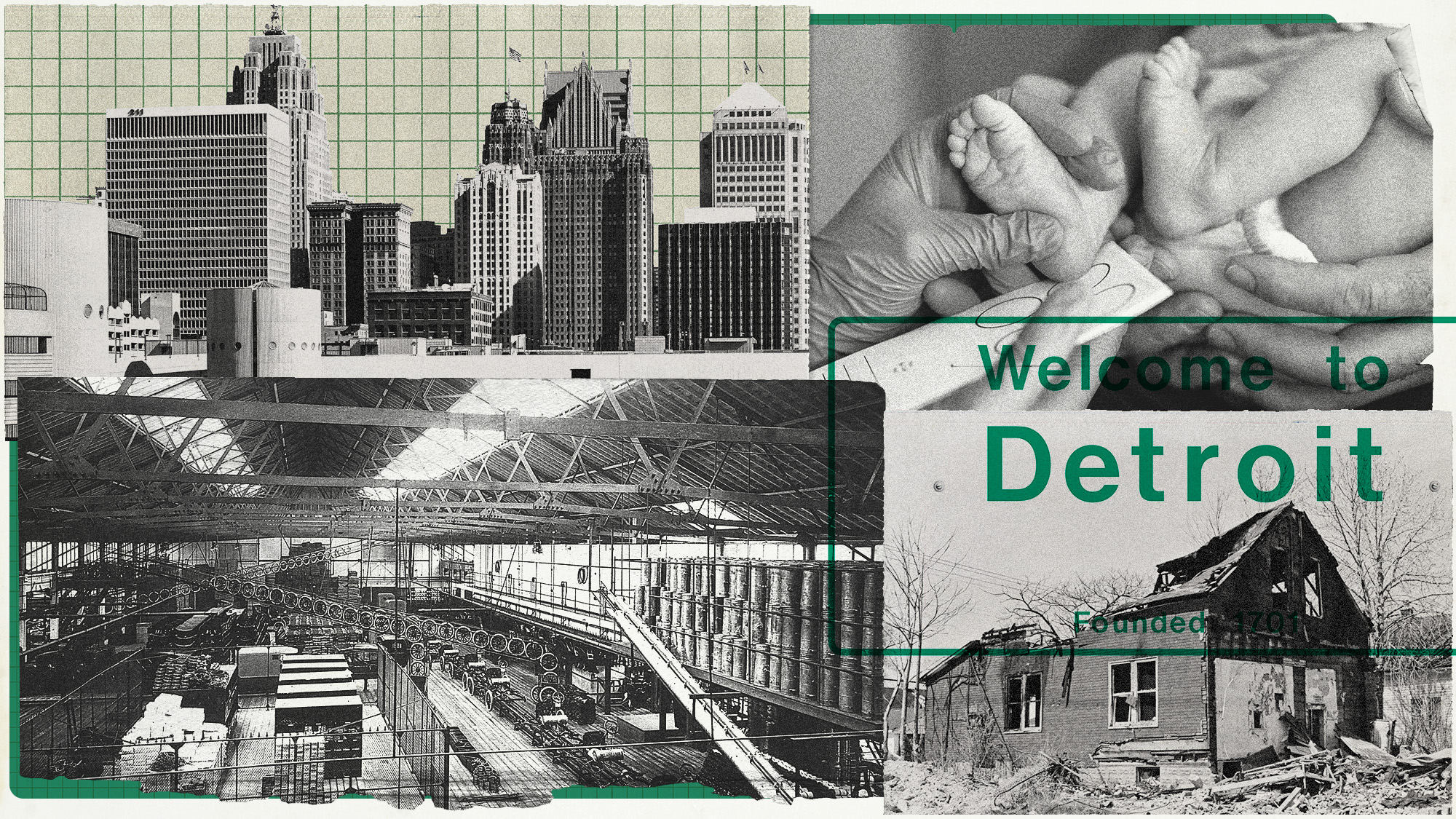
This boom attracted millions of immigrants and migrants seeking opportunity, leading to an unprecedented population explosion and profound cultural transformations. The city became a melting pot, fostering incredible diversity and giving rise to new forms of music, art, and community. The “American Dream” was forged on Detroit’s assembly lines, influencing not just industrial production but also shaping the American lifestyle.
For today’s traveler, this era is vividly brought to life at institutions like The Henry Ford Museum of American Innovation and Greenfield Village in nearby Dearborn, offering an immersive experience into the ingenuity that defined the automotive age. The history of Detroit is incomplete without exploring its automotive legacy, making these landmarks essential stops for anyone interested in American industry and the lifestyle it created.
Modern Detroit: A Resurgent Destination for Travelers
While its history is foundational, modern Detroit is a city in constant evolution, showcasing remarkable resilience and innovation. Far from being defined solely by its industrial past, Detroit has emerged as a dynamic travel destination, brimming with cultural attractions, a diverse culinary scene, and a tangible sense of revitalization that captivates visitors. It’s a city that offers a unique blend of historical depth, contemporary urban energy, and a welcoming community spirit.
Iconic Landmarks and Cultural Attractions
For those exploring Detroit, the city’s numerous landmarks and cultural institutions offer a comprehensive journey through its storied past and vibrant present. The Detroit Institute of Arts, with its world-class collection spanning centuries and continents, is a must-visit, housing Diego Rivera’s iconic Detroit Industry Murals. The aforementioned Henry Ford Museum and Greenfield Village transport visitors back to the peak of American innovation and everyday life.
No trip to Detroit would be complete without paying homage to its profound musical legacy at the Motown Museum. Housed in the original Hitsville U.S.A. building, it’s where legends like The Supremes, The Temptations, and Marvin Gaye recorded their timeless hits, profoundly shaping global popular culture. The Fox Theatre, a magnificently restored movie palace and performing arts venue, stands as a testament to the city’s architectural grandeur and entertainment heritage.
Beyond museums, Detroit’s public spaces are attractions in themselves. Belle Isle Park, designed by Frederick Law Olmsted (of Central Park fame), is a sprawling urban oasis offering stunning skyline views, a conservatory, an aquarium, and ample recreational opportunities. Campus Martius Park serves as the city’s vibrant public square, hosting events, concerts, and ice skating in winter, encapsulating the city’s revitalized community spirit. These landmarks are not just static points of interest; they are living testaments to Detroit’s multifaceted identity, inviting travelers to explore its rich cultural tapestry.
Where to Stay and What to Experience
Detroit’s resurgence has brought with it an impressive array of accommodation options, catering to every traveler’s preference and budget. From luxurious high-rise hotels offering panoramic views to boutique establishments steeped in local charm, the city provides excellent choices for booking and long-term stays.
For those seeking luxury and convenience, the Detroit Marriott at the Renaissance Center, nestled within the iconic Renaissance Center complex, offers modern amenities and unparalleled vistas of the Detroit River and across to Windsor, Canada. Boutique hotel enthusiasts will appreciate the meticulously designed Shinola Hotel, which blends classic design with contemporary comfort in the heart of downtown. For resort-style amenities including gaming and entertainment, the MGM Grand Detroit stands as a premier choice, offering a comprehensive leisure experience. When comparing hotels, guests will find options ranging from well-known brands to unique local stays, often with excellent reviews highlighting the city’s hospitality.
Beyond lodging, Detroit’s lifestyle experiences are incredibly diverse. The culinary scene is burgeoning, with a mix of classic diners, innovative farm-to-table restaurants, and ethnic eateries that reflect its rich immigrant history, particularly in neighborhoods like Corktown (Irish), Greektown, and Mexicantown. Nightlife ranges from sophisticated cocktail bars to lively music venues where techno, born in Detroit, still thrives.
Sports enthusiasts can catch a professional game, cheering on the Detroit Tigers at Comerica Park, the Detroit Lions at Ford Field, or the Detroit Red Wings at Little Caesars Arena. Exploring distinct neighborhoods like the historic Corktown, the artistic hub of Midtown, or the bustling Eastern Market (one of the oldest and largest historic public markets in the United States) provides a true sense of local culture and community. These varied experiences highlight why Detroit is increasingly recognized as a comprehensive travel destination.
Planning Your Visit to Historic Detroit
Embarking on a journey to Detroit means preparing for an adventure filled with historical insights, cultural discoveries, and modern urban experiences. Whether you’re planning a short trip or a longer stay, thoughtful preparation can enhance your visit to this city of enduring spirit.
Navigating the City and Beyond
Getting around Detroit is relatively straightforward, with various transportation options available to travelers. The downtown core and popular neighborhoods like Midtown and Corktown are increasingly walkable, and the QLine streetcar offers convenient access along Woodward Avenue, connecting many key attractions. Ride-sharing services, taxis, and public buses also operate throughout the city. For those venturing further afield or planning day trips, renting a car is often recommended to fully explore the broader Michigan area.
The best time to visit Detroit largely depends on your interests. Summer (June to August) offers warm weather ideal for enjoying outdoor festivals, the Detroit Riverwalk, and sporting events. Spring and fall provide milder temperatures, perfect for sightseeing and exploring the city’s architecture and parks without the summer crowds. Winters, while cold, offer unique experiences like ice skating at Campus Martius Park and cozy indoor attractions.
Beyond the city limits, Detroit’s location offers excellent opportunities for day trips. You can easily cross the border into Windsor, Canada, to experience a different culture just a short drive or tunnel ride away. The charming small towns and natural beauty of rural Michigan are also within easy reach, providing a serene contrast to the urban landscape. Guides for navigating these excursions and finding hidden gems are plentiful, allowing for a truly customized travel experience.

Embracing Detroit’s Future
From its founding by Antoine de la Mothe Cadillac in 1701 to its evolution into the “Motor City,” Detroit has a history as rich and complex as any city in the world. It is a place that has faced immense challenges, yet continually reinvents itself, driven by the enduring spirit of its diverse communities.
Today, Detroit stands as a testament to resilience, a city that honors its past while boldly forging its future. It’s a prime example of urban regeneration, attracting innovators, artists, and entrepreneurs, alongside travelers drawn to its authentic character. For those seeking a destination that offers a deep dive into American history, a vibrant contemporary culture, and a genuine sense of optimism, Detroit promises an unforgettable experience. Whether you’re booking a stay in a luxury hotel or exploring its historic neighborhoods, Detroit invites you to discover its unique story and become part of its ongoing journey.
LifeOutOfTheBox is a participant in the Amazon Services LLC Associates Program, an affiliate advertising program designed to provide a means for sites to earn advertising fees by advertising and linking to Amazon.com. Amazon, the Amazon logo, AmazonSupply, and the AmazonSupply logo are trademarks of Amazon.com, Inc. or its affiliates. As an Amazon Associate we earn affiliate commissions from qualifying purchases.