
Florida, often affectionately known as the Sunshine State, beckons millions of visitors each year with its pristine beaches, vibrant cities like Miami and Orlando, world-class attractions such as Walt Disney World and Universal Studios Florida, and diverse natural landscapes ranging from the expansive Everglades National Park to the charming Florida Keys. For those planning a vacation, a business trip, or even considering a longer stay, understanding the local laws and regulations is paramount to a smooth and enjoyable experience. Among the myriad of regulations, a question that has garnered significant attention, especially among those who exercise their Second Amendment rights, is whether Florida is a constitutional carry state. The answer is a resounding yes, as of July 1, 2023.

This legislative change has significant implications not just for residents of Florida but also for the millions of tourists and travelers who visit from across the United States and around the globe. Navigating the legal landscape of firearm possession and carry can be complex, and it’s essential for anyone traveling to or through the Sunshine State to be fully informed. This comprehensive guide aims to demystify Florida’s constitutional carry law, providing crucial insights for visitors, addressing common concerns, and offering practical advice to ensure a safe and legally compliant journey through this popular travel destination. Whether you’re planning to relax on South Beach, explore the historic streets of St. Augustine, or experience the thrilling rides in Tampa, understanding this law is a vital component of responsible travel in Florida.
Understanding Constitutional Carry in Florida
The term “constitutional carry” might sound formidable, but at its core, it refers to a legal principle rooted in the Second Amendment of the United States Constitution, which protects the right of the people to keep and bear arms. In states that adopt constitutional carry laws, eligible individuals are generally permitted to carry a handgun, openly or concealed, without needing a government-issued permit or license. This differs from “permitless carry,” where a permit might still be required for open carry but not concealed, or “shall-issue” states, where permits are required but must be issued to qualified applicants.
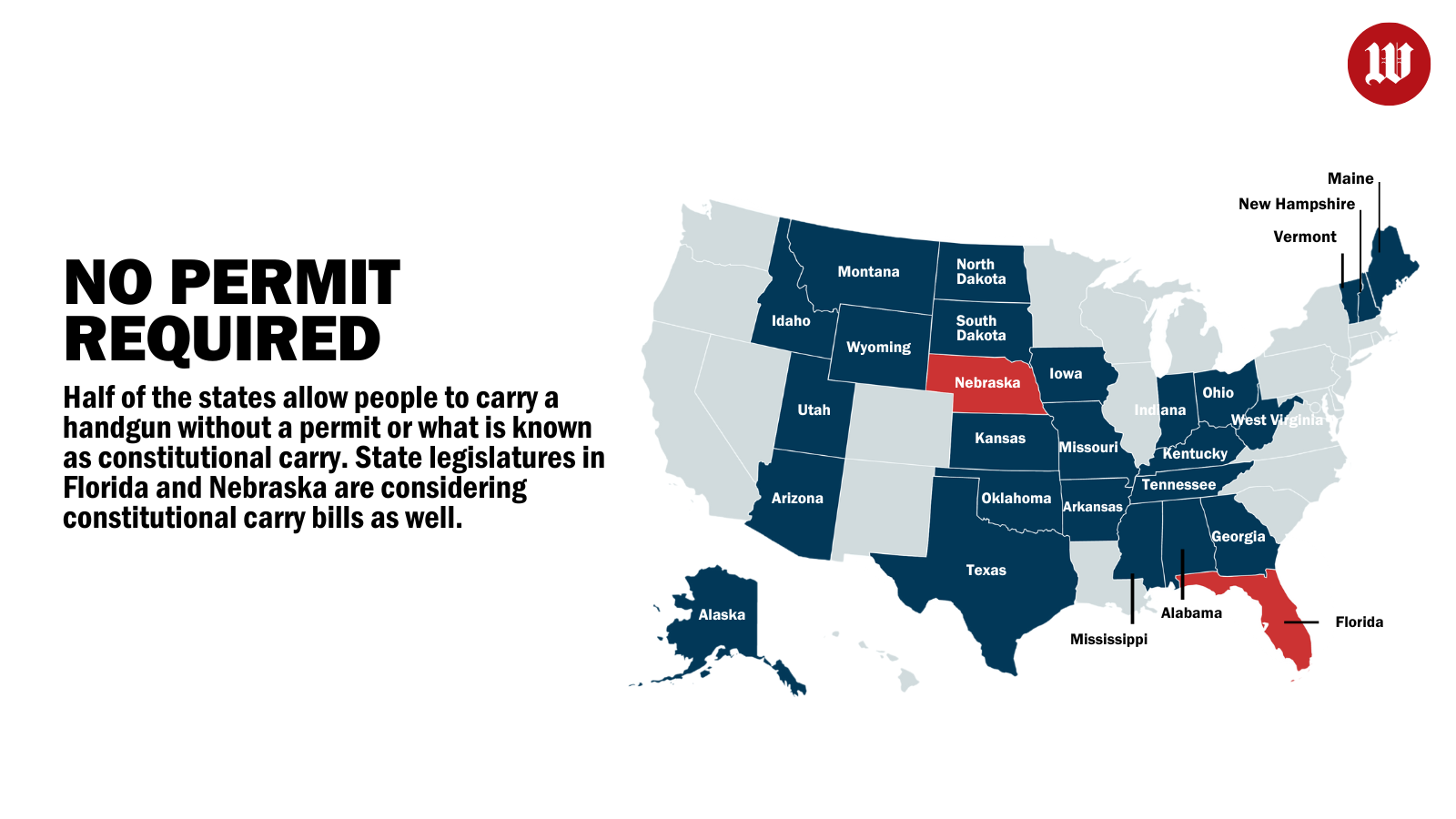
Florida’s journey to becoming a constitutional carry state culminated with the enactment of House Bill 543, signed into law by Governor Ron DeSantis. This landmark legislation officially made Florida the 27th state in the nation to recognize the right of individuals to carry a concealed firearm without a government-issued permit, effective July 1, 2023. It’s crucial to note that while the term “constitutional carry” is widely used, Florida’s law specifically pertains to concealed carry without a permit. Open carry of firearms generally remains prohibited in most public places, with very specific exceptions. This distinction is vital for both residents and visitors to comprehend.
What Does “Constitutional Carry” Actually Mean for You?
For eligible individuals aged 21 or older who can legally own a firearm under state and federal law, the new legislation means they no longer need to obtain a Concealed Weapon or Firearm License (CWFL) from the Florida Department of Agriculture and Consumer Services to carry a concealed handgun. This change streamlines the process for many, removing a bureaucratic hurdle that previously required a background check, fingerprinting, and a training course specifically for the CWFL.
However, “constitutional carry” does not equate to “unrestricted carry.” All existing laws regarding firearm possession, storage, and the types of places where firearms are prohibited remain firmly in effect. This includes federal prohibitions for certain individuals, such as convicted felons, those with domestic violence convictions, or individuals subject to restraining orders. Florida’s law also maintains requirements for responsible carry, such as carrying in a holster or other secure manner, and mandates that individuals carrying a firearm without a permit must still be prepared to show identification and demonstrate that they are lawfully entitled to carry the firearm if asked by law enforcement. The onus of understanding and adhering to all applicable laws falls squarely on the individual.
The Specifics of Florida’s Law
Florida’s constitutional carry law is detailed and specific. While it eliminates the permit requirement for concealed carry, it does not alter the fundamental eligibility criteria for firearm ownership. To legally carry a concealed firearm in Florida without a permit, an individual must:
- Be 21 years of age or older.
- Be a United States citizen or a permanent resident alien.
- Not be a convicted felon.
- Not have a domestic violence injunction against them.
- Not have been adjudicated mentally defective or committed to a mental institution.
- Not be subject to any other federal or state disqualifications for firearm possession.
Furthermore, the law explicitly states that a firearm carried without a permit must be “securely encased” or “otherwise not readily accessible for immediate use.” This phrasing is crucial. While “concealed” means not openly displayed, the “securely encased” clause (which also applies to vehicles) suggests a level of responsible storage. For travelers staying in hotels, resorts, or rental apartments, this implies a need for secure storage in their accommodation, whether in a hotel safe, a locked container, or within a vehicle in a manner that complies with state law. Ignorance of these specifics is not a valid defense.
Key Considerations for Travelers and Tourists
For the millions who flock to Florida for its diverse attractions, the implementation of constitutional carry adds another layer of legal consideration. Whether you’re visiting Orlando’s theme parks, enjoying the beaches of Clearwater Beach, or exploring the vibrant nightlife of Fort Lauderdale, understanding how this law impacts you as a traveler is essential for a worry-free trip.
Permitted and Prohibited Locations
One of the most critical aspects for travelers to grasp is that constitutional carry does not grant the right to carry a firearm everywhere. Numerous locations remain strictly off-limits for firearms, even for those legally entitled to carry. These prohibited places are often referred to as “gun-free zones” and include, but are not limited to:
- Schools and Universities: This includes K-12 schools, colleges, and university campuses.
- Polling Places: During an election.
- Courthouses: And any courtrooms.
- Government Meetings: Of the state legislature or a local governing body.
- Airports: Specifically, the sterile areas beyond security checkpoints. While you can often transport firearms in checked luggage in compliance with TSA regulations, carrying them into secure areas is strictly prohibited.
- Law Enforcement Facilities: Including police stations, sheriff’s offices, and detention centers.
- Correctional Facilities: Jails and prisons.
- Establishments that primarily sell alcoholic beverages for on-premises consumption: While you can carry in a restaurant that serves alcohol, you cannot carry in a bar whose primary purpose is to sell alcohol for consumption on site.
- Any location prohibited by federal law: Such as post offices or certain federal buildings.
- Private Property: Property owners, including hotels, resorts, theme parks, and private businesses, retain the right to prohibit firearms on their premises. Many popular attractions like Walt Disney World and Universal Orlando Resort have strict no-weapons policies, which visitors must respect to avoid trespassing charges.
Travelers should diligently check the policies of any private establishment, accommodation, or attraction they plan to visit. Ignoring “no weapons” signs on private property can lead to legal issues, including being asked to leave or facing charges.
Non-Residents and Reciprocity
For non-residents, Florida’s constitutional carry law applies equally to them as it does to residents, provided they meet the same eligibility criteria (age 21+, not disqualified under federal or state law, etc.). This means that if you are a visitor from another state and are legally allowed to possess a handgun under federal and your home state’s laws, you can carry a concealed handgun in Florida without a Florida CWFL.
However, the existing concealed carry permit reciprocity agreements that Florida has with other states are still in effect. If you hold a valid concealed carry permit from a state that Florida recognizes (and there are many), you can continue to carry under the authority of that permit. This might offer certain advantages, such as providing a readily recognizable document to law enforcement, or it might be simpler for those who prefer to rely on their established permits. It is always prudent to check Florida’s current reciprocity agreements if you plan to carry under a non-Florida permit. The key takeaway for non-residents is to understand that while a Florida permit is no longer required for concealed carry, all other legal responsibilities and prohibitions still apply.
Navigating Florida: Safety, Awareness, and Enjoying Your Trip
Traveling to Florida is an exciting prospect, filled with opportunities for adventure, relaxation, and cultural immersion. Understanding the legal framework around constitutional carry is just one part of ensuring a safe and memorable trip. Responsible behavior, awareness of your surroundings, and respect for local customs and laws are paramount, regardless of your stance on firearm ownership.
Responsible Gun Ownership and Travel
For those who choose to exercise their right to concealed carry while traveling in Florida, responsibility is key. This extends beyond merely knowing the law. It includes:
- Training: While a permit is no longer required, professional training in firearm safety, handling, and marksmanship remains highly recommended.
- Situational Awareness: Always be aware of your environment, especially in crowded tourist areas like Disney Springs or International Drive in Orlando, or on bustling streets in South Beach or downtown Tampa.
- Secure Storage: When not carrying, ensure your firearm is securely stored, especially in hotels, rental cars, or vacation homes, to prevent theft or unauthorized access, particularly by minors. Many hotels offer in-room safes, but specific firearm security measures might require additional equipment.
- Interaction with Law Enforcement: If you are stopped by law enforcement, inform the officer that you are carrying a firearm and follow all instructions precisely. This transparency can help prevent misunderstandings.
- Alcohol and Firearms: The responsible consumption of alcohol and the carrying of firearms do not mix. It is illegal to carry a firearm while intoxicated.
- Transportation: When flying, adhere strictly to TSA regulations for transporting firearms and ammunition in checked luggage. Do not attempt to carry firearms into the airport’s sterile areas. When traveling by car, understand the legal requirements for transporting firearms in vehicles, especially if they are not concealed on your person.
By adhering to these principles, visitors can ensure their exercise of constitutional carry rights aligns with overall public safety and responsible travel practices.
Beyond the Law: Experiencing the Sunshine State
While understanding Florida’s constitutional carry law is important, it should not overshadow the myriad of experiences awaiting you. Florida offers an incredible array of destinations and activities that cater to every type of traveler.
- Destinations & Attractions: From the vibrant art scene of Wynwood in Miami to the historic charm of St. Augustine, and the thrilling space exploration at the Kennedy Space Center to the natural beauty of the Florida Everglades, there’s an adventure for everyone. Families can delight in the magic of Walt Disney World and Universal Studios Florida, while nature lovers can explore John Pennekamp Coral Reef State Park or the pristine shores of the Gulf Coast.
- Accommodation: The state boasts an impressive range of accommodation options. You can find luxury resorts in Palm Beach, charming boutique hotels in Key West, family-friendly suites near Orlando’s attractions, and budget-friendly apartments for longer stays. Many coastal towns like Sarasota and Naples offer exquisite beachfront villas, perfect for a relaxing getaway.
- Tourism & Lifestyle: Immerse yourself in local culture by sampling the fresh seafood on the Atlantic Coast, enjoying Latin-inspired cuisine in Miami, or attending one of the state’s many festivals. Florida offers diverse lifestyles, from the energetic pulse of Jacksonville to the laid-back island vibes of the Florida Keys, and the equestrian communities near Ocala to the bustling metropolis of Tampa.
Remember to plan your itinerary, book your accommodations in advance, and stay informed about any local advisories or specific attraction policies to make the most of your Florida adventure.

Conclusion: Making Informed Choices in the Sunshine State
Florida’s transition to a constitutional carry state for concealed handguns marks a significant shift in its legal landscape. As of July 1, 2023, eligible individuals, including visitors, can carry a concealed handgun without a state-issued permit, provided they meet all other legal requirements. This change reflects a broader trend across the United States and underscores the importance of staying current with firearm laws, especially when traveling.
For those planning to visit the Sunshine State, a thorough understanding of these laws is not just advisable, but essential. While the permit requirement has been removed, the fundamental responsibilities of gun ownership, strict prohibitions in specific locations, and the rights of private property owners to restrict firearms remain fully intact. Responsible travel dictates that visitors educate themselves on these nuances, ensure secure storage of firearms, and always prioritize safety and legal compliance.
Ultimately, Florida remains a premier destination offering unparalleled experiences, from the excitement of Daytona Beach to the tranquility of its many state parks. By being informed, making responsible choices, and respecting the laws and customs of the state, travelers can fully embrace all that Florida has to offer, ensuring a safe, enjoyable, and legally sound journey through this captivating corner of the world.
LifeOutOfTheBox is a participant in the Amazon Services LLC Associates Program, an affiliate advertising program designed to provide a means for sites to earn advertising fees by advertising and linking to Amazon.com. Amazon, the Amazon logo, AmazonSupply, and the AmazonSupply logo are trademarks of Amazon.com, Inc. or its affiliates. As an Amazon Associate we earn affiliate commissions from qualifying purchases.