
The cinematic landscape is rich with films that delve into pivotal moments of history, often using dramatic license to craft compelling narratives. Among these, Mississippi Burning, the 1988 film directed by Alan Parker and starring Gene Hackman and Willem Dafoe, stands out as a powerful, albeit controversial, depiction of the Civil Rights Movement in the American South. The movie, a gritty thriller centered on an FBI investigation, left a profound mark on audiences, bringing the brutal realities of racial violence in 1960s Mississippi to the forefront of popular culture. But as with many historical dramas, the question lingers: how much of Mississippi Burning is a true story, and how much is a dramatized interpretation?
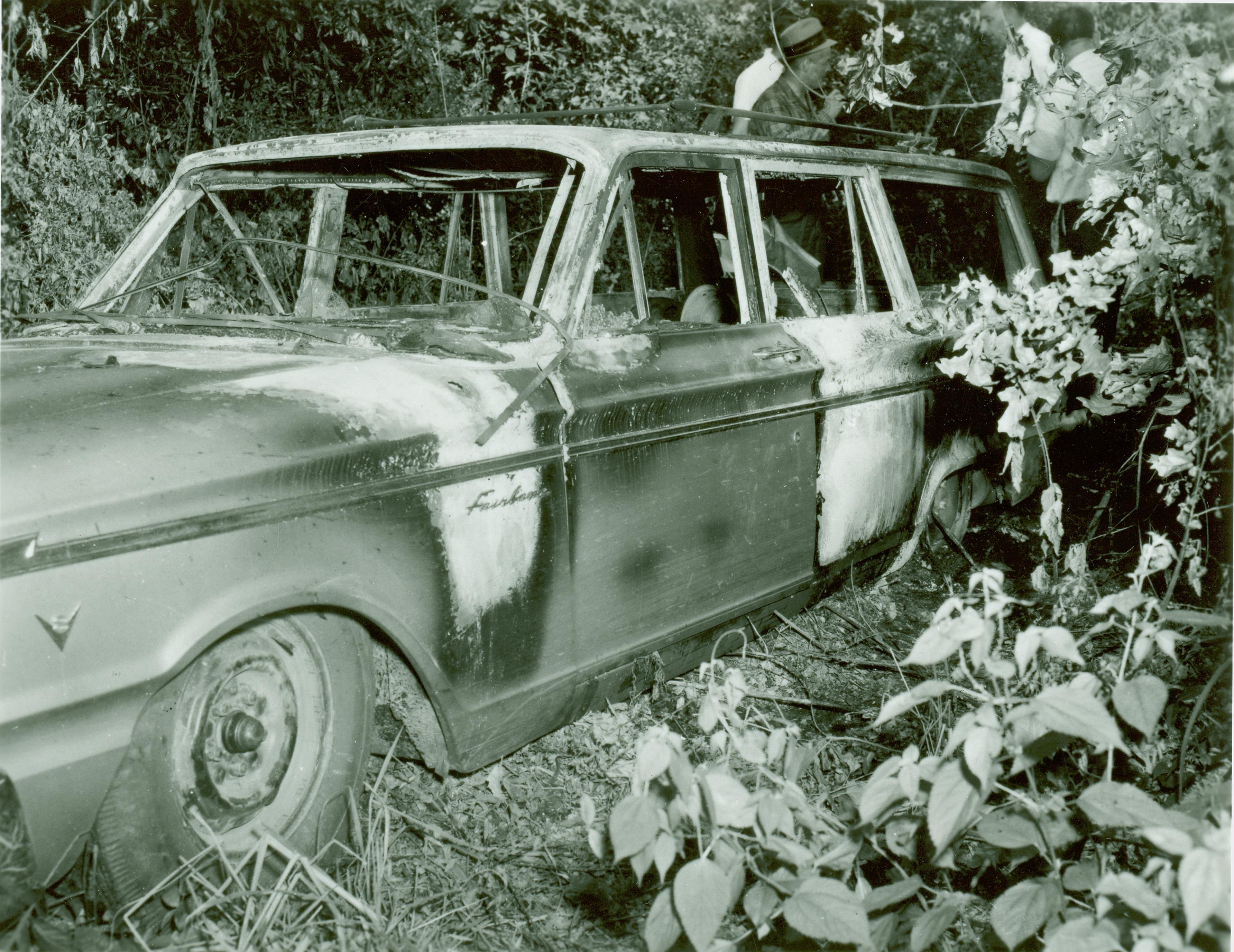
For travelers interested in understanding the deeply complex tapestry of American history, particularly those embarking on journeys through the Southern states, dissecting the truth behind such narratives is crucial. This article will explore the historical events that inspired the film, examine the creative liberties taken by the filmmakers, and ultimately guide those who wish to experience the powerful landmarks and cultural richness of Mississippi through the lens of its civil rights legacy. From the rolling farmlands of Neshoba County to the bustling streets of Jackson, Mississippi, the echoes of the past remain, inviting a journey of profound reflection and understanding.
The Fictional Lens: How “Mississippi Burning” Interpreted History
Mississippi Burning burst onto the screen with an intense, often brutal, portrayal of the racial tensions that simmered and exploded in the Jim Crow South. The film’s narrative focuses on two fictional FBI agents, Agent Alan Ward (Dafoe) and Agent Rupert Anderson (Hackman), as they investigate the disappearance of three civil rights workers in a fictional Mississippi town. While the agents and many of the specific events depicted are products of cinematic invention, the core premise draws directly from one of the most infamous hate crimes of the era: the 1964 murders of James Chaney, Andrew Goodman, and Michael Schwerner in Neshoba County.
The Core Narrative: Fact vs. Fiction in the Film
The movie opens with the shocking ambush and murder of the three activists, immediately establishing a tone of pervasive fear and corruption. The plot follows the FBI agents as they encounter a deeply entrenched system of racial prejudice, with local law enforcement and community members actively colluding with the Ku Klux Klan (often referred to simply as the Klan). The film portrays the agents as outsiders struggling against an unyielding wall of silence and intimidation, eventually resorting to unorthodox and even illegal tactics to achieve justice. Agent Anderson, a former Mississippi sheriff, uses his local knowledge and tough-guy persona to elicit confessions, while Agent Ward struggles to maintain adherence to federal law.
From a narrative perspective, Mississippi Burning is a powerful thriller, effectively conveying the oppressive atmosphere of the era. However, this dramatic effectiveness often comes at the expense of historical accuracy. For instance, the film significantly elevates the role of white FBI agents in solving the case, sometimes diminishing the agency and contributions of Black activists and local communities who were at the forefront of the Civil Rights Movement. The real FBI investigation, though massive, was initially slow to gain traction and faced immense challenges, often relying on informants and meticulous evidence gathering rather than the confrontational tactics shown in the movie. Moreover, the film’s depiction of the local Black community, while showing their suffering, often presents them as passive victims rather than active participants in their own liberation struggle. The brave, organized efforts of local civil rights leaders and residents, who risked their lives daily, are largely relegated to the background.
Critical Reception and Historical Debate
Upon its release, Mississippi Burning was met with critical acclaim, earning multiple Academy Award nominations and winning one for Best Cinematography. Its commercial success undeniably brought the story of the 1964 murders to a vast global audience, fostering a greater awareness of the brutalities faced during the Civil Rights Movement.
However, the film also sparked significant controversy and debate among historians, civil rights activists, and journalists. Many critics, particularly those within the African American community, argued that the film distorted history by centering the narrative on white heroes. Julian Bond, a prominent civil rights leader, famously stated that the film “turned history on its head” by ignoring the significant role Black people played in their own struggle for freedom. Others pointed out that the graphic violence, while shocking, could inadvertently overshadow the systemic nature of racial injustice and the deep-seated political and social structures that enabled such atrocities.
Understanding these criticisms is essential for anyone traveling to historical civil rights sites. It underscores the importance of seeking out diverse perspectives and going beyond popular media portrayals to grasp the full complexity of the past. Mississippi Burning serves as a powerful entry point to understanding a dark chapter in American history, but it should be viewed as a dramatization inspired by true events, rather than a definitive historical account.
The Unvarnished Truth: The 1964 Neshoba County Murders
To truly answer the question “Is Mississippi Burning a true story?”, one must turn to the horrifying events of the summer of 1964, a period known as Freedom Summer. This was a massive campaign to register African American voters in Mississippi, organized by the Council of Federated Organizations (COFO), a coalition of civil rights groups. Thousands of volunteers, many of them students from outside the South, poured into the state, aiming to challenge the deeply entrenched system of segregation and disenfranchisement.
The Activists and Their Mission
The three young men at the heart of the true story were James Chaney, a 21-year-old Black Mississippian and a core organizer for the Congress of Racial Equality (CORE); Andrew Goodman, a 20-year-old Jewish college student from New York City; and Michael Schwerner, a 24-year-old Jewish social worker, also from New York City and a prominent CORE field worker.
Their mission on June 21, 1964, was to investigate the burning of Mount Zion Methodist Church in Neshoba County, a Black church that had agreed to host a Freedom School and was subsequently torched by the Klan in retaliation. After inspecting the ruins and meeting with congregants, the three men set out to return to Meridian, Mississippi, where CORE had its local headquarters.
The Chilling Events of June 21, 1964
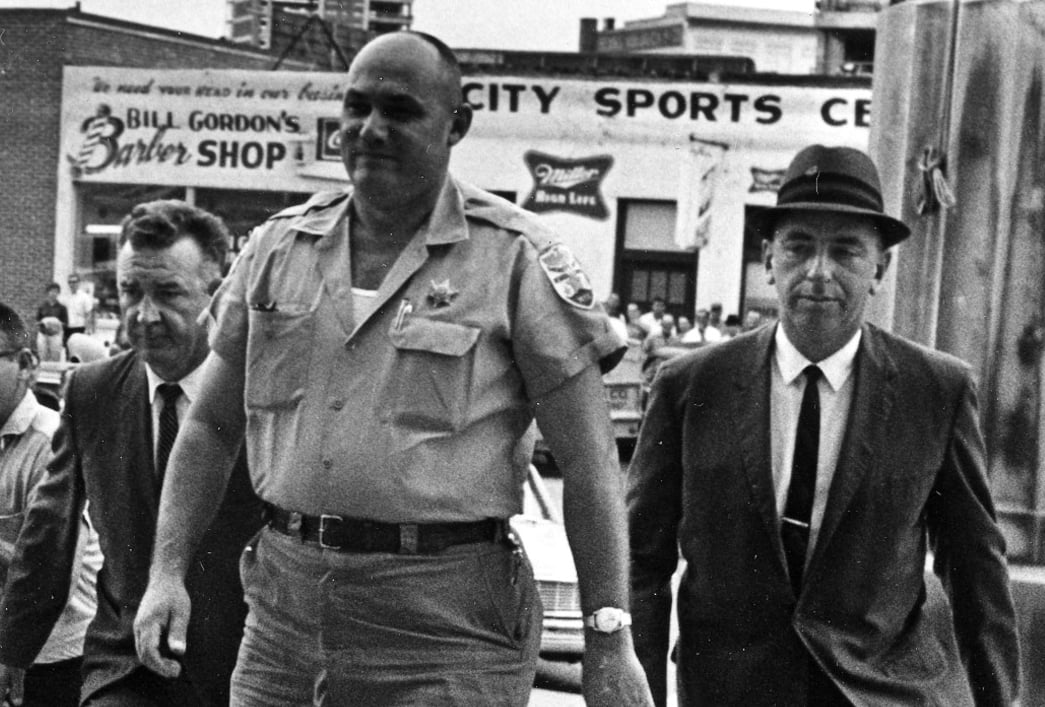
As Chaney, Goodman, and Schwerner drove through Philadelphia, Mississippi, the county seat of Neshoba County, they were pulled over by Deputy Sheriff Cecil Price for speeding. They were arrested, detained in the local jail, and held for several hours. This was a common tactic to intimidate civil rights workers. Crucially, Deputy Price was a member of the local White Knights of the Ku Klux Klan and had coordinated with fellow Klansmen to set up an ambush.
Late that evening, the three men were released and began their drive back to Meridian. However, they were soon re-intercepted by Price and a group of Klansmen. The activists were driven to a remote dirt road, brutally beaten, and then shot dead. Their bodies were subsequently buried in an earthen dam that was under construction on a farm.
The disappearance of the three civil rights workers ignited a national outcry. President Lyndon B. Johnson launched a massive federal investigation, codenamed “Mississippi Burning” by the FBI itself, led by J. Edgar Hoover. Hundreds of agents flooded Neshoba County, facing fierce resistance from local authorities and a hostile community. After a 44-day search that involved federal agents, naval personnel, and even reward money for information, the bodies of Chaney, Goodman, and Schwerner were discovered on August 4, 1964.
Despite overwhelming evidence and the arrests of several Klansmen, including Deputy Price, the state of Mississippi refused to prosecute the murderers. It wasn’t until 1967 that the federal government successfully prosecuted some of the perpetrators for civil rights violations, not murder, leading to convictions and prison sentences for seven individuals. However, the mastermind of the plot, Edgar Ray Killen, a local Klan leader and minister, was initially acquitted due to a hung jury.
Justice for Chaney, Goodman, and Schwerner was agonizingly slow. It took more than four decades for the state of Mississippi to bring murder charges against Killen. In 2005, at the age of 80, he was finally convicted of three counts of manslaughter and sentenced to 60 years in prison, a testament to the persistent efforts of civil rights advocates, journalists, and family members. This belated justice offered a measure of closure but could never erase the profound loss and the stain on the nation’s history.
Retracing History: Civil Rights Tourism in Mississippi and Beyond
For those inspired by stories like Mississippi Burning to delve deeper into the historical truths, Mississippi offers an incredibly rich and poignant travel experience. Civil rights tourism is a growing segment of historical travel, offering visitors an opportunity to connect with the past, honor those who fought for justice, and reflect on the enduring legacy of the Civil Rights Movement.
Exploring Key Landmarks and Memorials
A journey through Mississippi can take you directly to the sites of these powerful historical events. Your first stop might be Neshoba County itself, particularly Philadelphia, Mississippi. Here, visitors can find the Neshoba County Historical Society Museum, which offers local context to the events. While the specific site of the murders and gravesite is on private land, the county remains a powerful place for quiet reflection. The spirit of the Mount Zion Methodist Church fire and the subsequent tragedy resonates deeply.
Beyond Neshoba County, the entire Mississippi Civil Rights Trail offers an immersive journey. A crucial destination is the state capital, Jackson, Mississippi. The city is home to the stunning Mississippi Civil Rights Museum, an incredibly moving and comprehensive institution that tells the story of the movement in Mississippi through interactive exhibits, powerful artifacts, and personal testimonies. Nearby, the Old Capitol Museum also offers insights into the state’s political history.
Other significant stops on the trail include Meridian, Mississippi, where Chaney, Goodman, and Schwerner were based. A small memorial stands in honor of the three civil rights workers. For those with more time, extending the journey to other pivotal sites in the South is highly recommended. Selma, Alabama, known for the Edmund Pettus Bridge and the Selma to Montgomery marches, Montgomery, Alabama (the first capital of the Confederacy, central to the bus boycott, and home to the Legacy Museum and National Memorial for Peace and Justice), and Birmingham, Alabama (site of the 16th Street Baptist Church bombing and the Birmingham Civil Rights Institute) all offer equally powerful and essential historical experiences.

Planning Your Reflective Journey: Travel, Accommodation, and Local Culture
Undertaking a civil rights tour in the South is more than just sightseeing; it’s a journey of education, empathy, and remembrance. To make the most of this powerful experience, careful planning around travel, accommodation, and engaging with local culture is key.
Travel: While some organized civil rights tours exist, many visitors prefer the flexibility of driving their own vehicle or a rental car, allowing them to linger at sites that resonate most deeply. Roads are generally well-maintained, and signage for historical markers is common. Consider a flexible itinerary, as you might find yourself wanting to spend more time than anticipated at particularly impactful locations.
Accommodation: When planning your stay, cities like Jackson, Mississippi and Meridian, Mississippi offer a range of hotels and accommodations, from well-known chains to charming boutique options. In Jackson, for example, you might consider the modern comforts of the Fairfield Inn & Suites Jackson or the Hilton Garden Inn Jackson Downtown, both offering convenient access to the Civil Rights Museum and other city attractions. Opting for hotels that are centrally located can enhance your travel experience, allowing for easy access to historical sites and local dining. For a unique lifestyle experience, research historic inns that might offer a deeper sense of place, though these are more common in smaller towns or specific heritage districts. Booking in advance, especially during peak travel seasons, is always a wise decision to secure the best rates and locations.
Tourism and Local Culture: Beyond the museums and memorials, engage with the living culture of Mississippi. Taste the rich flavors of Southern cuisine – from soul food to barbecue – and support local businesses. Many small towns have local historical societies or community centers that can offer personal insights into the region’s past and present. Engaging in conversations with locals can provide a deeper understanding of how these historical events continue to shape communities and identities today. Remember that while the past was often fraught with tension, modern Mississippi is welcoming and diverse, with many individuals and institutions dedicated to preserving history and fostering reconciliation.
Lifestyle: This type of travel isn’t a typical vacation; it’s a profound educational journey. It’s about reflective tourism – a lifestyle choice to seek deeper meaning and understanding through travel. Whether you choose a budget-friendly road trip or a more luxurious stay in historic hotels, the focus remains on the experience itself. It encourages a slower pace, allowing time for contemplation and processing the heavy emotions that such sites can evoke. It’s an opportunity to connect with American history on a deeply personal level, fostering a greater appreciation for the struggles and triumphs that paved the way for modern civil rights.
In conclusion, Mississippi Burning is not a true story in the strictly factual sense, but it is deeply rooted in real history. It serves as a fictionalized dramatization of the horrific 1964 murders of James Chaney, Andrew Goodman, and Michael Schwerner in Neshoba County, Mississippi. While the film took liberties for dramatic effect, it undeniably brought crucial awareness to a dark chapter in the Civil Rights Movement. For travelers, this cinematic portrayal can be a powerful catalyst to embark on a journey of discovery through the American South, exploring the authentic sites and stories that truly shaped a nation. It is a journey that promises not just sightseeing, but a profound connection to courage, resilience, and the enduring fight for justice.
LifeOutOfTheBox is a participant in the Amazon Services LLC Associates Program, an affiliate advertising program designed to provide a means for sites to earn advertising fees by advertising and linking to Amazon.com. Amazon, the Amazon logo, AmazonSupply, and the AmazonSupply logo are trademarks of Amazon.com, Inc. or its affiliates. As an Amazon Associate we earn affiliate commissions from qualifying purchases.