
Understanding the intricacies of time zones, especially when planning a dynamic travel experience, is far more than a mere logistical detail—it’s the very foundation of a seamlessly executed getaway. In the vibrant and diverse landscape of Florida, often affectionately known as the Sunshine State, this understanding becomes paramount. While the question “What time right now in Florida?” seems simple, its answer unfolds into a fascinating discussion of geographical nuances, travel planning strategies, and how to maximize every precious moment in this captivating destination. For travelers embarking on adventures from the theme parks of Orlando to the historic streets of St. Augustine, or the serene beaches of the Panhandle, knowing the correct local time is crucial for everything from booking flights and hotel check-ins to scheduling attraction visits and making dinner reservations. This article delves deep into Florida’s time zones, their impact on your travel plans, and how to harness this knowledge for an unforgettable Florida adventure.
Navigating Florida’s Dual Time Zones: A Traveler’s Guide
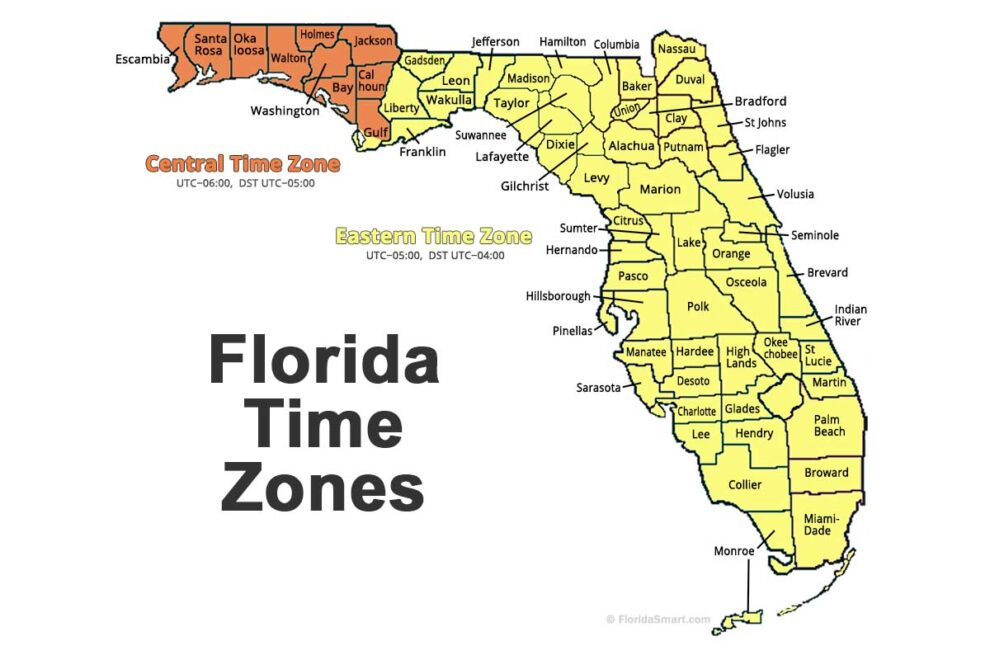
One of the most important aspects for any visitor to comprehend is that Florida spans two distinct time zones: the majority of the state observes the Eastern Time Zone (ET), while a significant portion of its western Panhandle region operates on Central Time Zone (CT). This geographical split, roughly at the Apalachicola River, means that a journey from, say, Miami to Pensacola involves not just a change in scenery but also a one-hour shift in time.
The Eastern Time Zone: The Heart of Florida Tourism
The vast majority of Florida’s most popular tourist destinations fall within the Eastern Time Zone. This includes bustling metropolitan areas like Miami, Orlando, Tampa, Jacksonville, Fort Lauderdale, Sarasota, and Key West. When you’re planning your visit to world-renowned attractions such as Walt Disney World Resort, Universal Orlando Resort, or Kennedy Space Center, all your schedules—from park opening times to dinner reservations at a Miami Beach hotspot—will adhere to ET.
During Daylight Saving Time, which is observed across all of Florida, the Eastern Time Zone becomes Eastern Daylight Time (EDT), shifting an hour forward from its standard Eastern Standard Time (EST) counterpart. This annual adjustment, typically from March to November, is critical for travelers arriving from areas that do not observe Daylight Saving Time, as it can impact initial flight arrivals, hotel check-in procedures, and immediate activity schedules. Imagine arriving in Orlando thinking you have an hour to spare before your resort check-in, only to find you’re already behind schedule due to the time shift! Therefore, always confirm whether you’re dealing with EST or EDT based on the time of year.
The Central Time Zone: Exploring Florida’s Panhandle
The lesser-known, yet equally charming, part of Florida that observes the Central Time Zone (CT) is primarily the western stretch of the Panhandle. This includes cities like Pensacola, Destin, Fort Walton Beach, and parts of Panama City Beach west of the Bay County line. The Central Time Zone is one hour behind the Eastern Time Zone. So, when it’s 3 PM in Miami, it’s 2 PM in Pensacola.
This one-hour difference can significantly influence multi-city itineraries, especially for those who plan to explore both the Atlantic and Gulf Coasts of Florida. A morning flight from Orlando International Airport (MCO) to Pensacola International Airport (PNS) might gain you an extra hour upon arrival, effectively extending your day. Conversely, traveling eastward from the Panhandle will mean losing an hour, which could make an early morning meeting or attraction visit feel even earlier. For travelers coming from states such as Alabama or Mississippi (which are predominantly in the Central Time Zone), the Florida Panhandle will feel like a seamless transition, whereas the rest of Florida will require a time adjustment. Always double-check your arrival and departure times against the local time zones to avoid any missteps.
Time’s Influence on Your Florida Travel and Accommodation
The seemingly simple concept of time becomes a crucial planning tool when orchestrating a flawless Florida vacation. From the moment you book your initial flight to your final farewell, time zones will dictate various aspects of your journey, impacting everything from travel logistics to your daily itinerary and even your chosen accommodation.
Seamless Travel Planning: Flights, Check-Ins, and Itineraries
Considering time zones is paramount when booking flights, especially for connecting flights or when arriving from international destinations. An overnight flight from Europe to Miami, for instance, will involve a significant time difference that can lead to jet lag and require careful scheduling to prevent exhaustion. Similarly, inter-state travel within the United States to Florida demands attention to time zones to ensure smooth transitions. Many online booking platforms automatically adjust for local times, but a quick manual check is always advisable, especially if you’re traveling across the Florida time zone boundary.
Upon arrival, hotel check-in times are strictly enforced, and being aware of the local time helps avoid unnecessary waiting or late check-in fees. Most hotels, resorts, and vacation rentals in Florida have a standard check-in time, typically in the mid-afternoon. If your flight arrives significantly earlier, planning for early check-in or arranging luggage storage can optimize your first day. Conversely, if you’re arriving late at night, inform your accommodation provider to ensure a smooth, late-night check-in process. The vibrant atmosphere of Florida’s hospitality industry thrives on efficiency, and your awareness of local time contributes to that seamless experience.
For multi-destination trips, such as combining the magic of Orlando with the relaxed vibe of Clearwater Beach or the historic charm of St. Augustine, precise itinerary planning around time zones is essential. If you’re driving from Tallahassee (ET) to Pensacola (CT), remember you’ll gain an hour. This extra hour could be perfectly utilized for a leisurely lunch or an unplanned detour to a scenic spot along the Gulf Coast. Conversely, heading east will mean losing an hour, so allocate enough buffer time, especially if you have reservations or fixed appointments.

Accommodation Choices and Time Zone Considerations
Your choice of accommodation—whether it’s a luxury resort, a family-friendly suite, a boutique hotel, or a vacation rental—can also be influenced by time considerations. For example, a resort near Walt Disney World Resort in Orlando will operate entirely on Eastern Time, with early park access sometimes starting before standard operating hours. If you’re staying in a rental home on the Emerald Coast in the Panhandle, knowing it’s on Central Time will influence your breakfast plans and beach excursions.
Many resorts offer 24-hour concierge services, but specific amenities like spas, restaurants, and recreational activities often have set operating hours. Being mindful of the local time zone ensures you don’t miss out on a rejuvenating massage or a coveted dining experience. Furthermore, for those considering long-term stays, understanding the local rhythm and time zones helps in adapting to the daily life, whether it’s for remote work or extended leisure. Florida’s diverse accommodation options cater to every need, but a keen awareness of time remains a constant thread woven through every successful stay.
Maximizing Your Florida Experience: Activities, Culture, and Timing
Beyond the practicalities, understanding Florida’s time zones also profoundly impacts how you engage with its rich culture, vibrant attractions, and diverse lifestyle. Every minute counts when you’re exploring the wonders of the Sunshine State, and strategic time management ensures you get the most out of your visit.
Theme Parks and Attractions: Beating the Crowds
Florida is world-renowned for its theme parks, and timing is everything when planning visits to Walt Disney World Resort, Universal Orlando Resort, Busch Gardens Tampa Bay, or LEGOLAND Florida Resort. Park hours are strictly observed in the Eastern Time Zone. Arriving at “rope drop” (park opening) can give you a significant advantage in experiencing popular rides before crowds build up. Similarly, staying until closing allows you to enjoy evening parades and fireworks without the midday rush.
For specific attractions, such as shows at SeaWorld Orlando or character meet-and-greets, checking the schedule in local time is crucial. Many parks offer apps that provide real-time wait times and show schedules, but these are always based on the local time zone. For multi-day passes, staggering your visits and utilizing early entry options provided by some resorts can further enhance your experience. Even outside the major theme parks, attractions like the St. Augustine Alligator Farm Zoological Park or the Dali Museum in St. Petersburg have specific operating hours that must be respected according to local Eastern Time.
Cultural Experiences and Local Events
Florida’s cultural scene is as diverse as its geography, offering everything from art festivals in Sarasota to live music on South Beach and historic reenactments at the Castillo de San Marcos in St. Augustine. These events, often held at specific times, require accurate time zone awareness. A sunset cruise in Key West, for example, is intrinsically tied to the local sunset time (which will be Eastern Time), ensuring you catch the iconic light show.
Exploring historic landmarks like the Art Deco Historic District in Miami or the Vizcaya Museum & Gardens also benefits from time-sensitive planning. Visiting during off-peak hours can offer a more intimate experience. For those venturing into the Everglades National Park, airboat tours and ranger-led programs operate on scheduled times, typically starting early to avoid the midday heat.
Dining, Nightlife, and the Rhythm of Florida Life
Florida’s culinary scene, from upscale dining in Palm Beach to fresh seafood shacks on the Emerald Coast, also adheres to local time. Popular restaurants, especially in tourist hubs, often require reservations, and missing your slot due to a time zone miscalculation can be a real disappointment. Nightlife in cities like Miami and Orlando truly comes alive after dark, but knowing the local closing times of bars and clubs is important for planning your evening.
For those traveling between the Eastern and Central Time Zones, the impact on meal times can be subtle but noticeable. A 7 PM dinner reservation in Tallahassee would feel like 6 PM if you’re mentally adjusting from a recent stay in Destin. Embracing the local rhythm, even down to the simple act of checking your watch, allows for a more relaxed and immersive travel experience, making you truly feel connected to the Sunshine State’s unique lifestyle.

Conclusion: Making Every Florida Moment Count
The question “What time right now in Florida?” serves as a gateway to understanding the diverse geographical and practical considerations that shape an ideal travel experience in the Sunshine State. From the bustling metropolises and world-class attractions in the Eastern Time Zone to the serene beaches and charming towns of the Panhandle in the Central Time Zone, Florida offers an unparalleled array of experiences.
By diligently factoring in the state’s dual time zones, you empower yourself to navigate flights, hotel check-ins, and activity schedules with confidence and ease. This foresight not only prevents logistical headaches but also opens up opportunities to maximize your daylight hours, snag those coveted reservations, and immerse yourself fully in Florida’s vibrant culture and diverse lifestyle. Whether you’re chasing thrills at a theme park, exploring historic landmarks, or simply unwinding on a pristine beach, understanding the time will ensure that every precious moment of your Florida adventure is not just accounted for, but truly cherished. So, before you embark on your next journey to this captivating state, take a moment to consult your watch—and the local time zones—to guarantee a truly unforgettable and seamlessly timed Florida escape.
LifeOutOfTheBox is a participant in the Amazon Services LLC Associates Program, an affiliate advertising program designed to provide a means for sites to earn advertising fees by advertising and linking to Amazon.com. Amazon, the Amazon logo, AmazonSupply, and the AmazonSupply logo are trademarks of Amazon.com, Inc. or its affiliates. As an Amazon Associate we earn affiliate commissions from qualifying purchases.