
Florida, renowned globally for its stunning beaches, vibrant cities, and world-class attractions, is a premier destination for travelers seeking diverse experiences. From the thrilling theme parks of Orlando to the Art Deco charm of Miami’s South Beach, the Sunshine State offers an unparalleled array of travel, accommodation, and lifestyle options. Behind this bustling tourism industry, a vast workforce ensures that every visitor’s journey is seamless and memorable. Understanding the minimum wage in Florida is not just a matter of economic policy; it’s a crucial factor influencing the livelihoods of millions of workers, the operational strategies of countless businesses, and ultimately, the broader economic landscape that shapes the visitor experience.
For anyone considering travel to Florida, exploring its destinations, or even contemplating a long-term stay, grasping the state’s minimum wage policies provides valuable insight. It illuminates the economic realities for many of the individuals who power the hospitality sector – from hotel staff and restaurant servers to tour guides and attraction attendants. This knowledge can also inform budgeting for trips, understanding service charges, and appreciating the local economy. This comprehensive guide delves into Florida’s current minimum wage, its scheduled increases, and its far-reaching implications, particularly within the state’s dominant tourism and hospitality industries.
The Evolving Landscape of Florida’s Minimum Wage
Florida’s minimum wage has seen significant evolution over the past few years, reflecting both state-level initiatives and a broader national dialogue about fair compensation. Unlike the federal minimum wage, which has remained stagnant for over a decade, Florida has taken proactive steps to raise its baseline pay, aiming to provide a more livable wage for its residents. This journey, propelled by voter sentiment and legislative action, has set a clear trajectory for future increases, impacting virtually every sector of the state’s economy, with a particularly pronounced effect on the service-oriented industries that cater to tourists.
Historical Context and Recent Changes
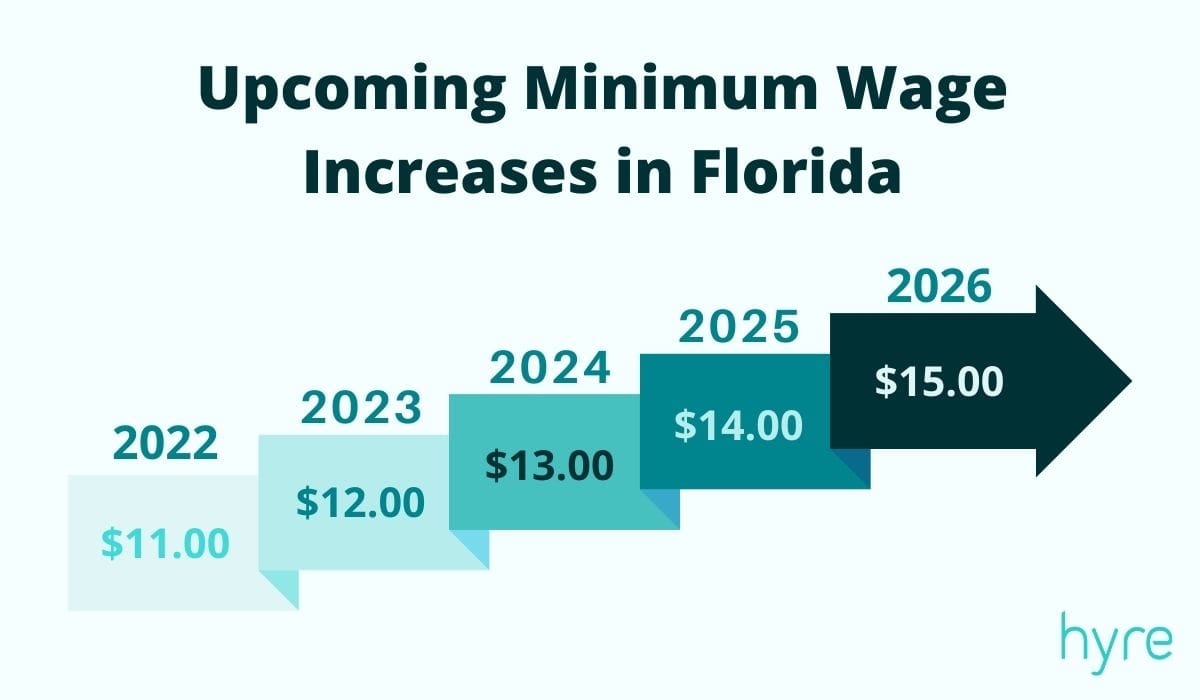
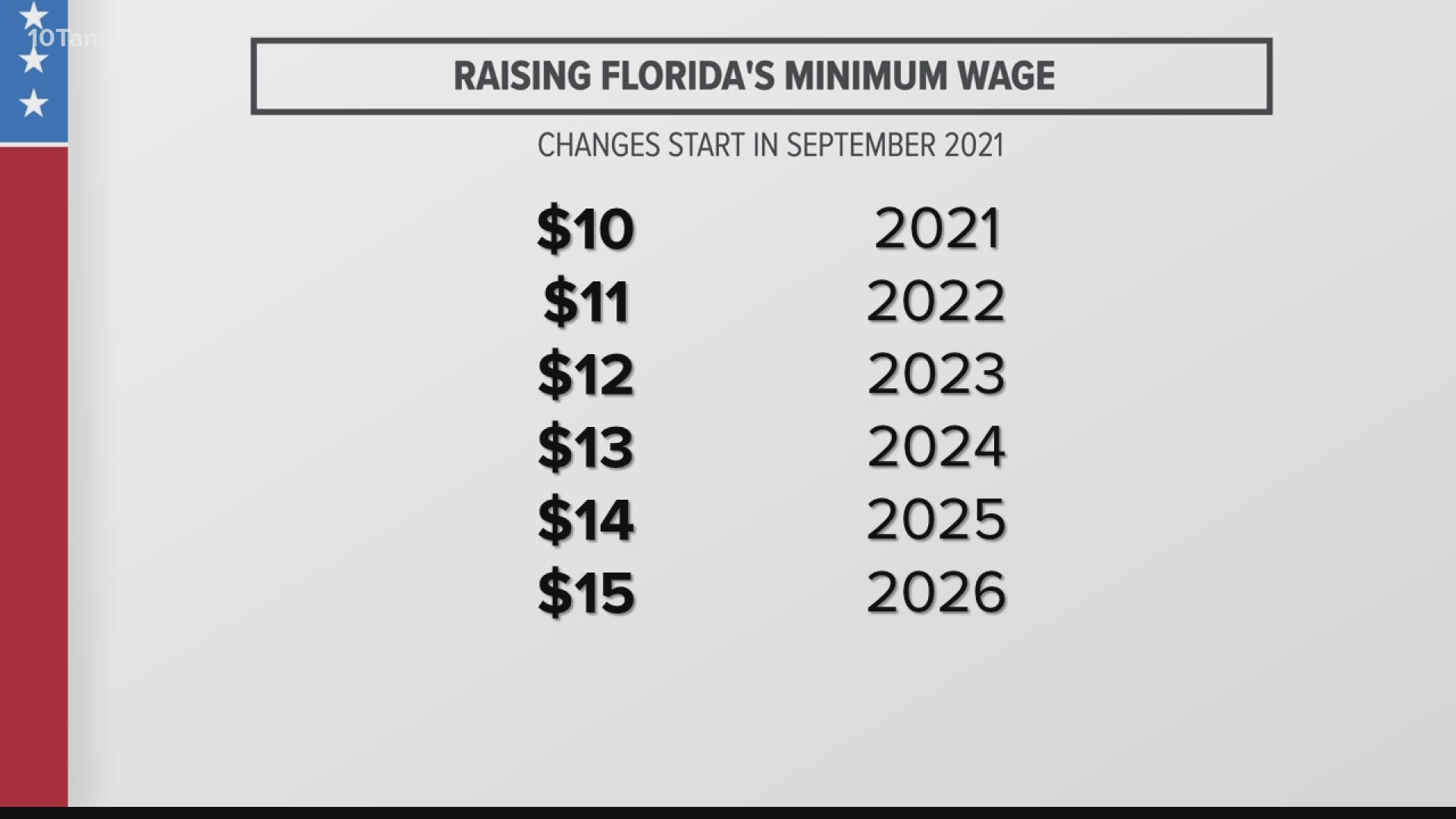
The current minimum wage trajectory in Florida is largely a result of a landmark decision made by voters in November 2020. Through Amendment 2, residents overwhelmingly approved a measure to gradually increase the state’s minimum wage to $15.00 per hour by 2026. This mandate signified a strong public desire for higher wages and set Florida on a path similar to other states and major cities across the United States that have adopted or are pursuing a $15 minimum wage.
Prior to Amendment 2, Florida’s minimum wage would adjust annually based on inflation, but it lacked a definitive roadmap for substantial growth. The federal minimum wage, currently set at $7.25 per hour, has served as a benchmark for many states, but Florida has consistently maintained a rate higher than the federal standard. The passage of Amendment 2 not only accelerated this trend but also solidified a predictable schedule for future raises, providing clarity for both employers and employees across the state.
The increases are structured to provide a gradual adjustment period for businesses, allowing them to adapt their financial models and operational strategies. This phased approach aims to mitigate potential economic shocks while still ensuring that workers see a steady rise in their earnings.
Understanding the Current Rate and Tipped Wages
As of September 30, 2023, Florida’s minimum wage is $12.00 per hour. This rate applies to the vast majority of non-exempt employees in the state. However, the journey to $15.00 is ongoing, with predetermined annual increments:
- September 30, 2024: The minimum wage will increase to $13.00 per hour.
- September 30, 2025: The minimum wage will reach $14.00 per hour.
- September 30, 2026: The minimum wage will achieve $15.00 per hour.
After September 30, 2026, the minimum wage will once again be adjusted annually for inflation, effective on September 30 of each subsequent year, ensuring its purchasing power keeps pace with the rising cost of living.
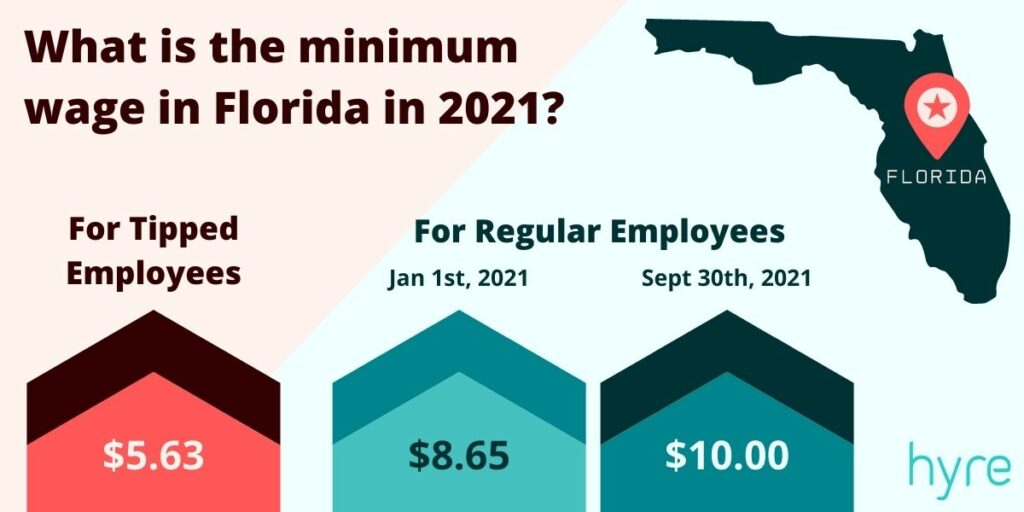
A critical aspect of Florida’s minimum wage legislation concerns tipped employees. These are individuals who customarily and regularly receive more than $30 per month in tips, often prevalent in restaurants, bars, and certain service roles common in the tourism industry. For these workers, a slightly different minimum wage applies, reflecting the expectation that tips will supplement their hourly earnings.
As of September 30, 2023, the current tipped minimum wage in Florida is $8.98 per hour. This figure is derived by allowing employers to take a maximum tip credit of $3.02 per hour. The core principle here is that an employer must ensure the total of the hourly wage ($8.98) plus the tips actually received by the employee equals at least the standard minimum wage ($12.00). If, for any reason, an employee’s tips do not bring their total compensation up to the standard minimum wage, the employer is legally obligated to make up the difference. This provision is designed to protect tipped workers, ensuring they always earn at least the state’s full minimum wage when their tips are factored in.
It’s also important to note that Florida’s minimum wage consistently remains higher than the federal minimum wage of $7.25 per hour. In situations where both federal and state minimum wage laws apply, employers are legally required to pay the higher of the two rates, which in Florida’s case, is always the state rate.
While the majority of workers are covered, certain employees may be exempt from minimum wage requirements. These typically include:
- Full-time students employed in retail or service establishments, farms, or institutions of higher education, under specific conditions.
- Apprentices, learners, and disabled workers operating under special certificates.
- Outside salespersons, whose compensation structure often differs from hourly wages.
- Executive, administrative, and professional employees who meet specific salary and duty tests.
The Florida Department of Economic Opportunity is the primary agency responsible for enforcing the state’s minimum wage laws. Employees who believe they are not being paid correctly have the right to file a wage complaint. Employers found in violation of these laws may face severe penalties, including the requirement to pay back wages, additional damages, and civil penalties, underscoring the importance of compliance.
Minimum Wage’s Impact on Florida’s Tourism and Hospitality Sector
Florida’s economy is heavily reliant on tourism and hospitality. Millions of visitors flock to destinations like Walt Disney World Resort, Universal Orlando Resort, the beaches of Miami, Tampa, and the Gulf Coast, and the historic charm of St. Augustine annually. This sector is a major employer, providing countless jobs in hotels, restaurants, attractions, and various service industries. The steady rise in minimum wage in Florida inevitably casts a significant shadow, influencing everything from staffing and service quality to operating costs and ultimately, the overall visitor experience.
Staffing, Service, and the Visitor Experience
For the vast network of hotels, resorts, and vacation rentals throughout Florida, minimum wage increases have a direct impact on labor costs. These establishments, ranging from luxury suites in Palm Beach to budget-friendly accommodations near Jacksonville, employ a significant number of minimum wage earners in roles such as housekeepers, front desk agents, maintenance staff, and entry-level positions. Higher wages can lead to several potential outcomes:
Firstly, it can improve employee morale and reduce turnover. A more competitive wage can make hospitality jobs more attractive, potentially leading to a more stable and experienced workforce. When employees feel valued and are compensated fairly, they are often more engaged, leading to better service quality. This directly translates to a more positive experience for tourists, whether it’s a cleaner hotel room, a more welcoming check-in, or more attentive service at a resort restaurant. This stability in staffing can reduce recruitment and training costs for businesses in the long run, despite higher hourly wages.
Secondly, it might influence staffing levels and service models. Some businesses, particularly smaller independent hotels or restaurants, might need to re-evaluate their staffing ratios or adopt more efficient operational strategies to offset increased labor costs. This could mean investing in technology to streamline tasks, cross-training employees for multiple roles, or even adjusting operating hours. For the traveler, this could manifest as slightly longer wait times during peak seasons or a more self-service approach in certain accommodation types.
Lastly, the emphasis on ensuring that tipped employees also meet the minimum wage threshold is crucial for sectors like fine dining and casual eateries, which are integral to the local culture and food experience for tourists. While it ensures a safety net for servers, it might also prompt some establishments to adjust menu prices or incorporate service charges more explicitly to cover labor costs.
Economic Implications for Businesses and Travelers
The economic ripples of Florida’s rising minimum wage extend to both businesses and the travelers they serve. For tourism-related businesses, particularly small and medium-sized enterprises (SMEs), the primary challenge lies in managing increased payroll expenses. Many businesses operate on thin margins, and a substantial increase in labor costs can necessitate strategic adjustments:
- Price Adjustments: The most common response is a modest increase in the prices of goods and services. This could mean slightly higher room rates for hotels, increased prices for meals at restaurants, or higher ticket prices for attractions. While businesses aim to remain competitive, passing on some of the increased costs to consumers is often unavoidable. Travelers should factor this into their budgeting for Florida trips, especially as the minimum wage approaches $15 by 2026.
- Innovation and Efficiency: Faced with higher labor costs, businesses are often incentivized to innovate. This could include adopting new technologies for booking, check-in, or food preparation; optimizing supply chains; or finding more energy-efficient solutions to reduce overhead. These efficiency gains can sometimes lead to improved overall service or more sustainable practices, benefiting both the business and the environment.
- Impact on Local Economies: Beyond the immediate tourism hubs, the minimum wage affects local economies across Florida. A higher minimum wage can boost local spending power among residents, potentially stimulating demand for local businesses. This can create a more vibrant local culture, offering authentic experiences that appeal to tourists seeking to explore beyond the main attractions.
For travelers, especially those planning budget travel or family trips, understanding these economic implications is key. While some costs might incrementally increase, the trade-off could be a more consistent quality of service and a more stable, satisfied workforce. Ultimately, the goal is to strike a balance where businesses can thrive, employees earn a fair wage, and visitors continue to enjoy the exceptional experiences Florida is famous for.
Navigating Florida: Budgeting for Travelers and Local Lifestyles
Florida’s diverse appeal caters to a wide spectrum of lifestyles and travel budgets, from luxury getaways in Key West to adventurous explorations of Everglades National Park. The minimum wage, while primarily a concern for workers, also influences the cost of living for residents and, indirectly, the overall expense of a trip for visitors. Understanding this interplay can help both those planning to move to Florida for work and those merely passing through for leisure.
Cost of Living Considerations for Workers
For individuals working at or near the minimum wage in Florida, the rising hourly rate is a critical factor in their ability to afford the state’s cost of living. While $15.00 per hour by 2026 represents a significant increase, the affordability challenge varies greatly across Florida’s diverse regions. Major metropolitan areas like Miami, Orlando, and Fort Lauderdale typically have higher housing, transportation, and general living expenses compared to smaller towns or rural areas.
The increases are intended to help minimum wage earners better meet basic needs, potentially reducing the need for multiple jobs and improving their quality of life. This can impact the local culture by fostering more stable communities and allowing residents to more fully participate in and contribute to their neighborhoods. For those considering long-term stay or working in Florida’s hospitality industry, understanding that the minimum wage is designed to rise offers a degree of financial predictability and hope for improved economic stability.
Practical Tips for Budget-Conscious Travelers
For travelers seeking to make the most of their Florida vacation without breaking the bank, considering the economic factors influenced by minimum wage can be beneficial. While the aim is to ensure fair wages, it can lead to some cost adjustments in the travel sector.
- Research Accommodation Options: Florida offers a vast range of accommodation options, from luxury resorts to budget hotels and vacation rentals. Travelers on a budget might consider staying in slightly less central locations, exploring apartments or villas for long-term stays, or booking during the off-peak season to find better deals. Websites for booking and reviews are invaluable tools for comparison.
- Dine Smart: While enjoying Florida’s vibrant food scene is a must, budget travelers can save by opting for local eateries away from prime tourist spots, taking advantage of lunch specials, or preparing some meals in accommodations with kitchenettes. Remember that restaurant prices, especially for full-service dining, may subtly reflect increased labor costs.
- Leverage Free Attractions and Experiences: Florida boasts numerous free or low-cost attractions. Its beautiful beaches, state parks, and many city landmarks offer incredible experiences without a hefty price tag. Exploring local culture through free festivals, farmers’ markets, or simply strolling through historic districts can be incredibly rewarding.
- Consider Transportation: Car rentals are popular in Florida, but ride-sharing services or public transportation in major cities can offer cost savings. Budgeting for gas and potential tolls is essential, as these costs are less directly impacted by minimum wage but still affect overall trip expenses.
- Factor in Service Charges and Tipping: Especially for those utilizing services from tipped employees, being mindful of fair tipping practices is important. While the employer is responsible for ensuring the minimum wage is met, a generous tip acknowledges excellent service and supports the individuals who make your travel experience enjoyable. Some establishments may also include automatic service charges, particularly for larger groups or in specific high-end areas.
Beyond the Paycheck: A Broader Look at Florida’s Appeal
While the minimum wage is a fundamental economic indicator, Florida’s allure extends far beyond financial figures. It’s a land of unparalleled natural beauty, from the pristine sands of the Atlantic Ocean coast to the tranquil waters of the Gulf Coast and the unique ecosystems of the Everglades. The state offers a rich tapestry of history, evident in places like St. Augustine, the oldest continuously inhabited European-established settlement in the United States. Iconic landmarks like the Kennedy Space Center Visitor Complex provide a glimpse into the future of space exploration.
The lifestyle opportunities in Florida are as diverse as its landscapes, catering to those seeking luxury travel, budget adventures, family-friendly fun, or even business stays. The ongoing commitment to a rising minimum wage underscores an effort to ensure that the individuals who contribute to this vibrant state can also enjoy a higher quality of life. This, in turn, contributes to a more stable and skilled workforce, enhancing the overall visitor experience and strengthening the state’s position as a top global destination.
For travelers and residents alike, understanding the minimum wage is one piece of the larger puzzle of Florida’s dynamic economy and culture. It reflects a societal value placed on fair compensation, impacting not just the individual worker but the entire ecosystem of businesses and services that make Florida an extraordinary place to live, work, and explore. As the state continues its path towards a $15 minimum wage, its impact will undoubtedly continue to shape the hospitality landscape, influencing how we travel, where we stay, and the quality of the experiences we seek in this remarkable corner of the world.
LifeOutOfTheBox is a participant in the Amazon Services LLC Associates Program, an affiliate advertising program designed to provide a means for sites to earn advertising fees by advertising and linking to Amazon.com. Amazon, the Amazon logo, AmazonSupply, and the AmazonSupply logo are trademarks of Amazon.com, Inc. or its affiliates. As an Amazon Associate we earn affiliate commissions from qualifying purchases.