
For anyone planning a memorable road trip through the vast and diverse landscapes of the Lone Star State, or perhaps considering a move to one of its bustling cities like Austin, Dallas, Houston, or San Antonio, understanding local driving regulations is paramount. While many aspects of Texas culture are unique and larger-than-life, some practicalities, like vehicle registration requirements, are surprisingly straightforward. One of the most frequently asked questions by visitors and new residents alike pertains to license plates: Does the State of Texas require a front license plate?
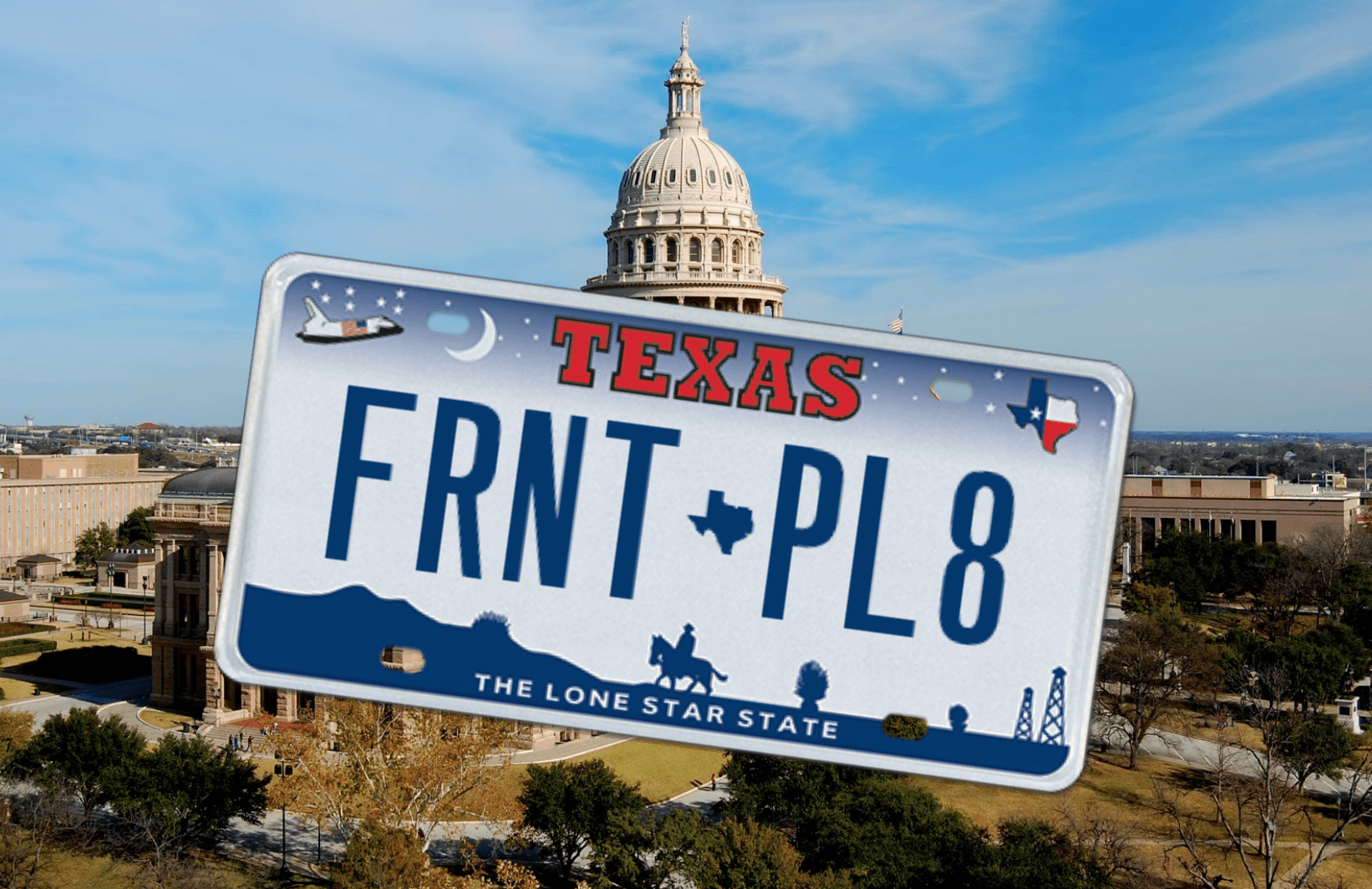
The definitive answer is a resounding yes. Under current state law, vehicles registered in Texas are legally mandated to display both a front and a rear license plate. This isn’t just a recommendation; it’s a firm legal requirement designed to ensure vehicle identification for various purposes, from law enforcement and toll road monitoring to general public safety. For travelers embarking on an epic journey across this magnificent state, or residents simply commuting, adherence to this rule is not just about avoiding a fine; it’s about ensuring a smooth, hassle-free experience.

The Definitive Answer: Texas Law on Front License Plates
Navigating the legal framework surrounding vehicle requirements can often feel complex, but Texas makes its stance on front license plates clear. The intent behind this law is deeply rooted in public safety and administrative efficiency, ensuring that every registered vehicle can be easily identified.
Understanding the Texas Transportation Code
The requirement for dual license plates is explicitly outlined in the Texas Transportation Code. Specifically, Section 504.943 dictates that “a motor vehicle must display two license plates, one at the front and one at the rear of the vehicle.” This statutory language leaves little room for interpretation. For law enforcement agencies, having both a front and rear plate significantly aids in identifying vehicles, especially in situations involving hit-and-runs, stolen vehicles, or general traffic stops. It also plays a crucial role in the operation of automated toll road systems, which are increasingly prevalent in major metropolitan areas like Dallas, Houston, and Austin, allowing for seamless electronic toll collection.
While some states in the United States have opted for single rear plate systems, Texas remains firmly in the camp of dual-plate states. This consistency provides clarity for drivers and helps maintain a uniform standard across the state’s vast network of roads. The Texas Department of Motor Vehicles (TxDMV) issues these plates, and it’s the vehicle owner’s responsibility to ensure they are properly mounted and clearly visible.
Exemptions and Special Cases
While the rule is generally applied across the board, there are a few very specific and limited exemptions. The most common exemption applies to certain types of vehicles, such as motorcycles, mopeds, and antique vehicles that were not originally manufactured to accommodate a front license plate. These unique cases are typically addressed on a case-by-case basis by the TxDMV or are clearly outlined within the Transportation Code itself.
For the vast majority of passenger cars, trucks, and SUVs, which represent the primary mode of transportation for both residents and tourists, the requirement for a front license plate holds true. This includes rental vehicles, which are always registered and licensed in accordance with the state’s laws. Therefore, when picking up a car from an airport or city rental agency, you can expect it to be fully compliant with both front and rear plates. Understanding these nuances can save visitors and residents a great deal of potential inconvenience and ensures that their focus remains on enjoying all that Texas has to offer.
Why This Matters: From Road Trips to Residency in the Lone Star State
The seemingly small detail of a front license plate carries significant weight for anyone interacting with the Texas road system. For tourists, compliance can mean the difference between a memorable adventure and an unexpected traffic stop. For new residents, it’s a fundamental step in integrating into the local driving culture.
Navigating Texas as a Visitor: Car Rentals and Out-of-State Vehicles
Imagine you’re planning an ambitious road trip, perhaps from the vibrant capital of Austin down to the historic San Antonio River Walk, or perhaps from the bustling metropolis of Houston to the natural wonders of Big Bend National Park. Your vehicle is your key to unlocking these experiences.
- Car Rentals: If you’re renting a car within Texas, rest assured that rental agencies are meticulous about adhering to state laws. The vehicle you pick up from Hertz, Enterprise, or any other reputable provider will come equipped with both front and rear license plates, properly installed. This simplifies things immensely for the traveler, as compliance is already handled.
- Out-of-State Vehicles: This is where it gets a little more complex for visitors. If you’re driving into Texas from a state that does not require a front license plate (such as Oklahoma or New Mexico), your vehicle is generally exempt from the Texas front plate requirement, provided it is properly registered in your home state and you are not a Texas resident. The principle of reciprocity applies here: a vehicle legally registered in one state is generally considered legal in another, even if its equipment standards differ slightly. However, it is crucial to carry your vehicle’s registration papers and a valid driver’s license from your home state to avoid any potential misunderstandings during a traffic stop. While the law is usually accommodating to out-of-state drivers, local law enforcement may still initiate a stop to verify registration if a front plate is missing. This can cause unnecessary delays and stress during your travel plans.
For Texas Residents and Newcomers
For those calling Texas home, or planning to do so, understanding the front license plate law is a non-negotiable part of responsible vehicle ownership.
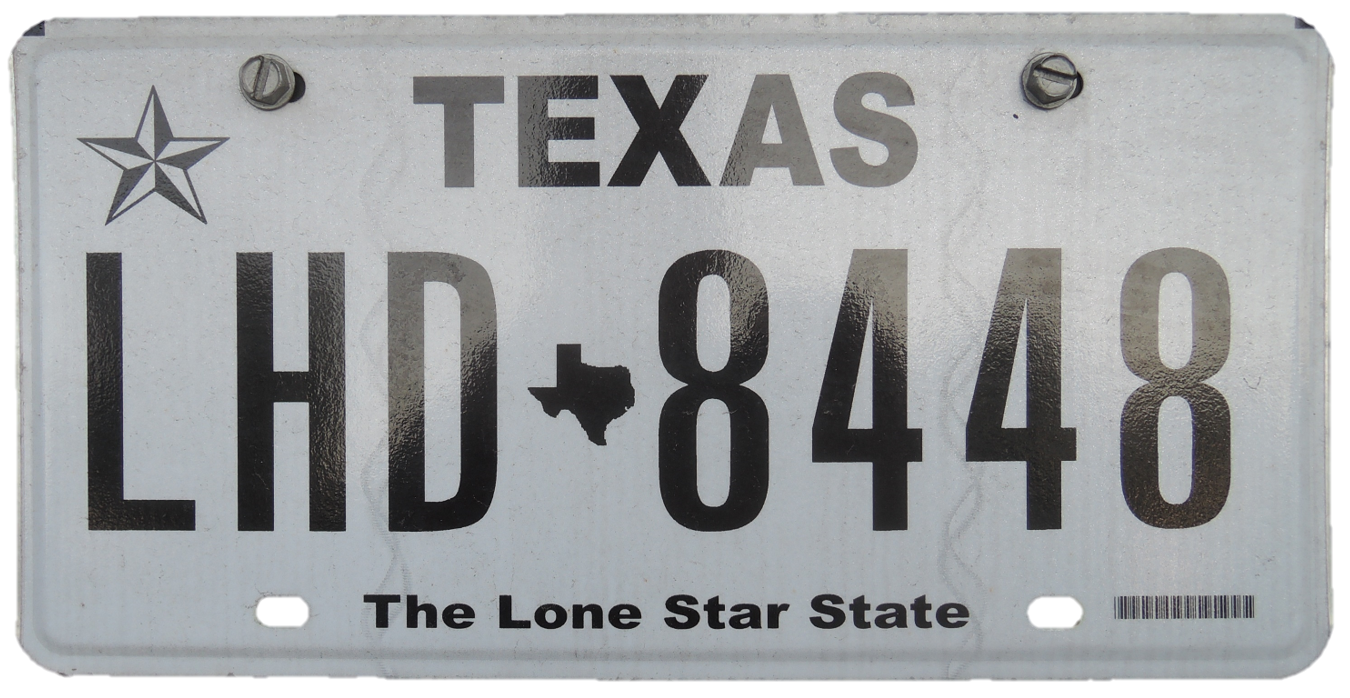
- Vehicle Registration: When you register a vehicle in Texas, the TxDMV will issue you two license plates. It is your legal responsibility to ensure both are attached to your vehicle in the designated areas. Failure to do so can result in fines and legal consequences. This includes newly purchased vehicles, where it’s essential to ensure the dealership installs both plates before you drive off the lot. If they don’t, you must do so as soon as possible after receiving your official plates.
- Vehicle Customization and Aftermarket Parts: Texas has a vibrant car culture, with enthusiasts often customizing their vehicles. However, it’s vital to remember that any modification that obstructs or prevents the proper display of the front license plate is illegal. This includes certain types of custom bumpers, grille guards, or even aftermarket light bars that might cover the plate. The plate must be clearly visible and securely attached to the front bumper or fascia, not placed on the dashboard or obscured in any way.
Adherence to this law is not just about avoiding fines; it contributes to the overall safety and efficiency of the state’s transportation system. For residents, it’s a simple civic duty that ensures smooth identification, particularly on automated toll roads, which are integral to commuting in many Texas cities.
Practical Advice and Avoiding Unnecessary Hassle
Ensuring your vehicle complies with the front license plate requirement is straightforward and can save you a great deal of potential stress, allowing you to fully immerse yourself in the rich experiences Texas offers, from exploring historic landmarks to enjoying its vibrant urban centers.
Ensuring Compliance: Installation and Placement
Proper installation of your front license plate is just as important as having one. The law specifies that the plate must be securely attached to the front of the vehicle, clearly visible, and free from any obstructions.
- Mounting Location: For most vehicles, there is a designated area on the front bumper or fascia for the license plate. If your vehicle did not come with pre-drilled holes or a mounting bracket, you might need to purchase an aftermarket bracket or have one installed. Many car dealerships offer this service, especially for vehicles sold in states like Texas that require front plates.
- Visibility: The plate must be visible from a distance and not obscured by anything, including tinted covers (which are illegal if they obscure the plate number), custom grille inserts, or even excessive dirt or snow. Law enforcement needs to be able to read the plate clearly, day or night.
- Secure Attachment: Ensure the plate is securely fastened to prevent it from falling off or flapping, which could also lead to a traffic stop. Using appropriate screws and ensuring they are tight is key.
Taking a few minutes to double-check your front license plate’s condition and placement can prevent a roadside stop and the associated inconvenience, especially if you’re on a tight schedule exploring attractions or trying to make it to your hotel reservation.
Consequences of Non-Compliance: Fines and What to Expect
Ignoring the front license plate law in Texas can lead to tangible consequences, primarily in the form of a traffic citation.
- Fines: The typical penalty for not displaying a front license plate is a misdemeanor offense, which usually results in a fine. While the exact amount can vary by county and judge, it generally falls within the range of $200-$300, plus court fees. This can quickly add up, turning a minor oversight into a costly mistake that could impact your travel budget.
- Traffic Stops: Perhaps more inconvenient than the fine itself is the actual traffic stop. Being pulled over by law enforcement, even for a minor infraction, can be stressful and consume valuable time. It can disrupt travel plans, cause delays, and for out-of-state drivers unfamiliar with Texas procedures, it can be particularly unsettling. While a missing front plate is typically a “primary offense” (meaning an officer can pull you over just for that), it can also lead to officers checking for other potential violations, adding to the hassle.
- Impact on Insurance (potentially): While a single license plate violation is unlikely to directly impact your insurance rates, accumulating multiple minor citations can, over time, signal a pattern of risky driving behavior, potentially leading to higher premiums.
For visitors enjoying the sights of Dallas or Houston, or residents commuting daily, preventing these inconveniences is simple: ensure your front plate is on, visible, and secure. This allows you to focus on the purpose of your journey, whether it’s leisure, business, or simply enjoying the open roads of Texas.
The Broader Texas Driving Experience: Beyond the License Plate
While the front license plate is a specific legal detail, it’s part of a larger picture of safe and enjoyable driving in Texas. For a state that thrives on its vast distances and diverse destinations, understanding the broader driving culture and preparing adequately can elevate any trip from good to unforgettable.
Essential Driving Tips for Exploring Texas Landmarks and Cities
Texas is a land of extremes and incredible variety, and its road network is the artery connecting these experiences. From the historical reverence of the Alamo in San Antonio to the futuristic marvels of Space Center Houston, or the classic Western charm of the Fort Worth Stockyards, driving is often the best, if not the only, way to truly explore.
- Understand the Scale: Texas is massive. Distances between major cities and attractions can be hundreds of miles. Plan your routes carefully, factoring in ample time for driving, rest stops, and unexpected delays. A drive from Dallas to El Paso, for example, is a significant undertaking that rivals journeys across multiple smaller states.
- Speed Limits: Texas is known for its high speed limits on rural interstates, sometimes reaching 75 or even 80 mph. While exhilarating, always adhere to posted limits and adjust for weather conditions.
- Toll Roads: Many urban areas, particularly Dallas, Houston, and Austin, have extensive toll road networks. Most are cashless, relying on electronic transponders (like TxTag, EZ Tag, or TollTag) or “Pay By Mail” systems that photograph your license plate and send a bill. If you’re using a rental car, clarify their toll policy to avoid unexpected charges. Your properly displayed front license plate is crucial for these systems to function correctly.
- Roadside Assistance: Given the vast distances, especially in West Texas or regions near the Gulf Coast, having a roadside assistance plan (through your insurance, auto club, or rental car company) is highly recommended. Cell service can be spotty in remote areas.
Vehicle Maintenance and Road Trip Preparedness in the Texas Climate
Texas’s climate can be demanding, from scorching summers to occasional ice storms in winter. Proper vehicle maintenance is not just good practice; it’s essential for safety and comfort.
- Tires: Ensure your tires are in good condition and properly inflated. The extreme heat of summer can be brutal on tires, and sudden downpours can create slick conditions.
- Cooling System: A well-maintained cooling system is non-negotiable for summer travel. Overheating on a desolate Texas highway is an experience no one wants.
- Emergency Kit: Always travel with an emergency kit, including water, non-perishable food, a first-aid kit, jumper cables, a flashlight, and a fully charged cell phone.
- Fuel: Keep your fuel tank topped up, especially when traversing rural areas where gas stations can be few and far between. Planning your fuel stops is just as important as planning your overnight stays.
Planning Your Texas Journey: Accommodation and Attractions
A seamless driving experience ensures you can fully immerse yourself in the journey’s true purpose: discovering new places and creating lasting memories. Texas offers an incredible array of travel experiences, fitting into all the categories our website embraces:
- Travel & Tourism: Explore the cowboy culture in Fort Worth, the music scene in Austin, the space exploration history in Houston, or the historical significance of San Antonio. Don’t miss the art installations at Cadillac Ranch or the thrill rides at Six Flags Over Texas.
- Hotels & Accommodation: From luxury resorts along the Gulf Coast to boutique hotels in historic districts, and budget-friendly suites for family trips, Texas offers options for every traveler. Many establishments offer ample parking, and knowing your vehicle is compliant adds peace of mind when leaving it overnight.
- Landmarks: Whether it’s natural wonders like the canyons of Big Bend National Park or man-made marvels like the Dallas Arts District, your vehicle is often the gateway. Ensuring legal compliance means you spend less time worrying about regulations and more time soaking in the history and beauty.
- Lifestyle: Whether you’re a budget traveler seeking free attractions, a luxury seeker indulging in high-end experiences, or a family on an adventure, a smooth driving experience is foundational. It allows you to freely pursue your travel style without the interruption of preventable legal issues.
In conclusion, while the question of a front license plate might seem like a minor detail, it is a significant component of legal and safe driving in Texas. By understanding and adhering to this requirement, both residents and visitors can ensure their journeys across the majestic Lone Star State are as enjoyable, stress-free, and memorable as the destinations themselves. Drive safely, explore widely, and let the wonders of Texas unfold before you.
LifeOutOfTheBox is a participant in the Amazon Services LLC Associates Program, an affiliate advertising program designed to provide a means for sites to earn advertising fees by advertising and linking to Amazon.com. Amazon, the Amazon logo, AmazonSupply, and the AmazonSupply logo are trademarks of Amazon.com, Inc. or its affiliates. As an Amazon Associate we earn affiliate commissions from qualifying purchases.