
Florida, often celebrated for its sun-kissed beaches, vibrant cities, and world-class attractions, holds a secret wonder that captivates visitors each year: the majestic journey of sea turtles. For many travelers, witnessing the delicate emergence of sea turtle hatchlings from their sandy nests and their determined dash to the Atlantic Ocean or Gulf of Mexico is a bucket-list experience. This natural spectacle offers a unique blend of awe, education, and connection to the wild, making it a powerful draw for those seeking memorable travel experiences in the Sunshine State. Understanding “When do sea turtles hatch in Florida?” is key to planning a trip that aligns with this magical event, offering a deeper dive into the state’s rich natural heritage beyond its famed landmarks and theme parks.
The allure of Florida as a premier tourism destination extends far beyond its theme parks and bustling urban centers. Its extensive coastline provides critical nesting grounds for several species of sea turtles, making it one of the most important places in the world for their survival. From the tranquil shores of the Panhandle to the bustling beaches of South Florida, the rhythm of sea turtle life quietly unfolds each year, offering a poignant reminder of nature’s enduring cycles. For families, nature enthusiasts, and eco-conscious travelers, timing a visit to coincide with the hatching season offers an unparalleled experience that educates, inspires, and fosters a profound respect for marine life. Preparing for such a trip involves more than just booking accommodation; it requires an understanding of these creatures, their habitats, and the crucial role humans play in their protection.
The Rhythmic Cycle: Understanding Florida’s Sea Turtle Seasons
The story of sea turtle hatching in Florida is intertwined with a broader, ancient cycle that begins much earlier in the year. To truly appreciate the hatching event, one must first understand the nesting season, when the adult females make their arduous journey ashore.
From Nesting to Emerging: A Summer Spectacle
The sea turtle nesting season in Florida typically runs from March through October, with the peak occurring between May and August. During this period, female sea turtles, often returning to the very beaches where they were born decades earlier, emerge under the cloak of darkness to dig nests in the sand dunes. Each female can lay multiple clutches of eggs in a single season, with each nest containing an average of 100 eggs. These nests are meticulously camouflaged before the mother returns to the sea, leaving her precious cargo to the forces of nature and the warmth of the sand.
The hatching season generally begins about two months after the first nests are laid, extending from late May or early June through late October or even early November. This means the prime window for witnessing hatchlings in Florida is typically July through September. However, given the natural variations in nesting patterns and incubation times, it’s possible to see hatchlings slightly earlier or later in the season. The exact timing can also vary by species and geographic location within Florida. For instance, early nesters like the Leatherback may see their hatchlings emerge in late May or June, while later-nesting Loggerheads or Green Sea Turtles might have hatchlings appearing well into September or October.
The Incubation Period: Nature’s Patience
Once laid, the eggs undergo an incubation period that typically lasts around 45 to 70 days. The temperature of the sand plays a crucial role not only in the duration of incubation but also in determining the sex of the hatchlings – warmer temperatures tend to produce more females, while cooler temperatures yield more males. This natural phenomenon, known as Temperature-Dependent Sex Determination (TSD), is a fascinating aspect of sea turtle biology and a significant concern in an era of climate change.
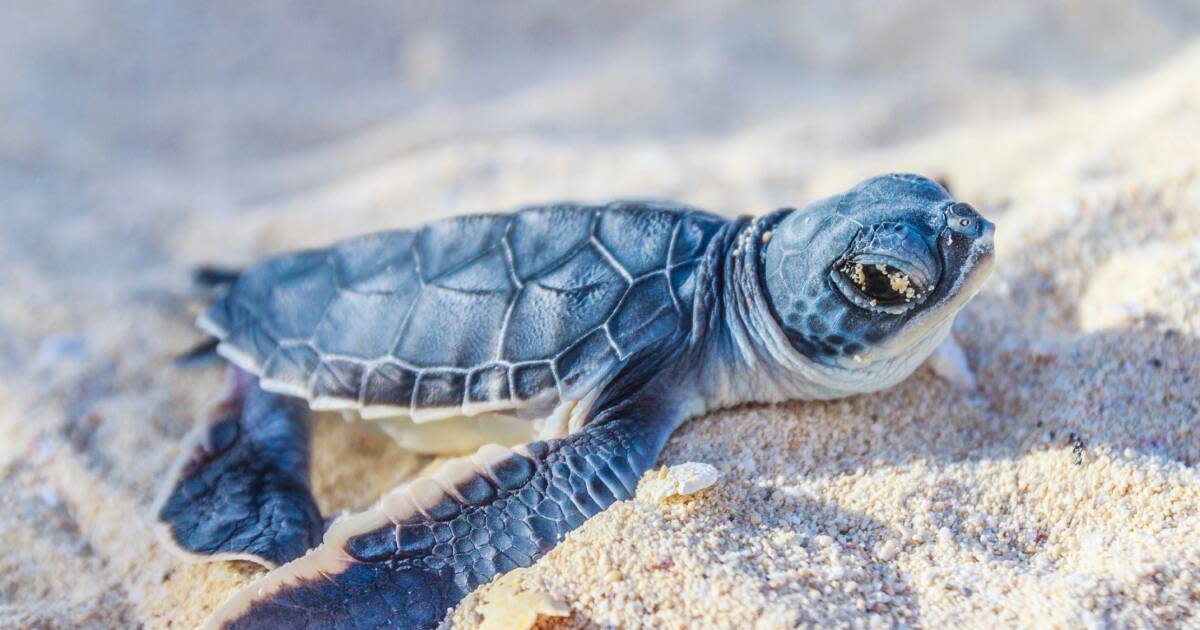
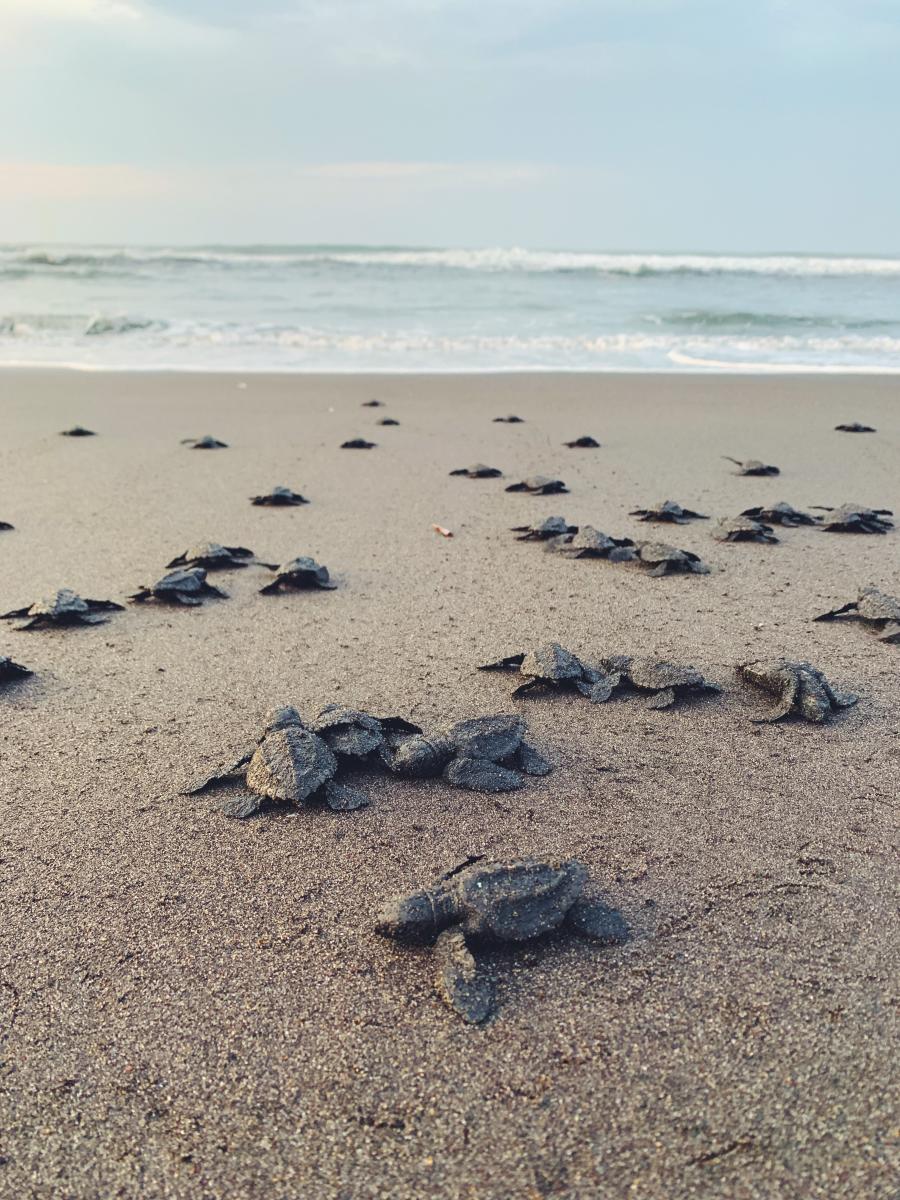
Towards the end of the incubation period, the tiny turtles, guided by instinct, begin to break free from their shells. This process, known as “pipping,” can take several days within the nest. Once all the hatchlings in a clutch have emerged from their individual eggs, they coordinate their efforts to dig their way to the surface. This group effort is essential for their survival, allowing them to overcome the weight of the sand above. They typically emerge from the nest en masse, usually at night or during the cooler hours of dawn, to avoid predators and the scorching heat of the sun, making their perilous journey towards the shimmering horizon of the ocean. The sight of dozens of tiny hatchlings scrambling across the sand, driven by an innate compass pointing them to the sea, is an unforgettable moment for anyone lucky enough to witness it.
Prime Destinations for Witnessing the Miracle of Hatching
Florida’s vast coastline, stretching over 1,350 miles, offers numerous opportunities to observe sea turtle activity. However, certain areas are particularly renowned for their significant nesting populations and dedicated conservation efforts, making them prime spots for those hoping to witness the hatching spectacle.
Iconic Beaches and Their Distinguished Visitors
The majority of sea turtle nesting in Florida occurs along the Atlantic coast, though important nesting sites can also be found on the Gulf Coast. The Loggerhead is by far the most common nesting species, but Green Sea Turtles and Leatherbacks also nest in significant numbers. Less frequently, but still crucially, the Hawksbill and critically endangered Kemp’s Ridley sea turtles also utilize Florida’s beaches.

Some of the most active nesting beaches, and therefore the best places to potentially see hatchlings, include:
- Brevard County (Space Coast): This region, particularly around Melbourne Beach, Satellite Beach, and Indialantic, boasts the highest concentration of nesting loggerheads in the entire Western Hemisphere. The Archie Carr National Wildlife Refuge within Brevard and Indian River Counties is especially critical, known for its extensive Green Sea Turtle nesting as well. Vero Beach and Sebastian are also key areas here.
- Palm Beach County: From Boca Raton up to Jupiter, this county is another hotspot, with numerous beaches hosting significant numbers of nests. Organizations like the Loggerhead Marinelife Center in Juno Beach offer guided turtle walks during nesting season and provide extensive educational programs during hatching season.
- Martin County: Adjacent to Palm Beach County, this area, including Jensen Beach and Hobe Sound, also experiences high nesting activity.
- Broward County and Miami-Dade County: While more urbanized, sections of Fort Lauderdale and Miami Beach still support nesting populations, particularly on less developed stretches.
- Southwest Florida (Gulf Coast): Sanibel Island and Captiva Island are prominent nesting areas for Loggerheads on the Gulf side. While nesting densities are generally lower than on the Atlantic, these islands offer unique charm and active conservation groups like the Sanibel-Captiva Conservation Foundation.
Protecting the Future: Conservation Efforts in Action
It’s crucial to understand that directly witnessing a hatching event in the wild is rare and depends heavily on luck and patience. Most sea turtle conservation programs discourage independent nighttime beach visits specifically to seek out hatchlings, as human presence and artificial light can disorient them. Instead, the best way to safely and ethically observe hatchling activity, and to learn more about sea turtles, is to participate in a supervised sea turtle walk or program organized by local environmental groups, state parks, or marine science centers. These guided experiences often include an educational component and, if permitted and conditions are right, may offer a controlled opportunity to see nests or even hatchlings under expert supervision.
Organizations like the Florida Fish and Wildlife Conservation Commission (FWC), local county governments, and numerous non-profit groups play a vital role in protecting nests and educating the public. They patrol beaches, mark nests, rescue injured turtles, and rehabilitate sick ones. Many Florida coastal destinations have local ordinances to protect sea turtles, such as mandatory “lights out” policies for beachfront properties during nesting season, which minimize light pollution that can disorient nesting mothers and hatchlings.
Planning Your Unforgettable Sea Turtle Adventure in Florida
Timing your Florida vacation to coincide with the sea turtle hatching season requires thoughtful planning, integrating the unique natural phenomenon with other travel interests and lifestyle preferences.
Choosing Your Sanctuary: Accommodation Options for Every Traveler
Selecting the right accommodation is paramount for a comfortable and convenient sea turtle-themed trip. Beachfront hotels and resorts in key nesting areas are popular choices, offering easy access to the sand. However, when booking such properties during hatching season (July-September), inquire about their sea turtle-friendly practices. Many upscale resorts like The Breakers Palm Beach or the Ritz-Carlton Fort Lauderdale in active nesting areas adhere to strict lighting rules, often using turtle-safe amber lights or blackout curtains for guests. Look for hotels that actively participate in conservation efforts or partner with local organizations for educational programs.
For a more independent or extended stay, vacation apartments and villas are excellent options, particularly for families or long-term stays. Websites offering reviews and comparison tools can help you find properties with good proximity to nature centers and suitable amenities. Even if staying a bit inland in cities like Orlando, it’s easy to make a day trip or an overnight stay to the Atlantic coast for turtle activities. Orlando itself boasts a huge array of hotels like the Hyatt Regency Orlando or Disney’s Animal Kingdom Lodge, providing a luxurious base for theme park adventures that can be combined with a drive to the coast. Whether your lifestyle leans towards luxury travel or budget travel, Florida offers diverse choices to make your family trip memorable.
Embracing the Local Culture and Coastal Delights
Beyond the turtles, Florida’s coastal regions offer a wealth of attractions and activities. During the day, you can explore pristine beaches, enjoy water sports, or visit local museums and art galleries. Many coastal towns, from the historic charm of St. Augustine to the vibrant nightlife of South Beach Miami, offer a rich blend of local culture and exquisite food. Seafood is a highlight, with fresh catches forming the backbone of many regional dishes.
Consider visiting nature parks and wildlife refuges, such as Everglades National Park (though a bit of a drive from primary turtle beaches, it offers an incredible ecosystem experience) or Canaveral National Seashore, which is also a significant turtle nesting site. For a blend of nature and human ingenuity, the Kennedy Space Center Visitor Complex is conveniently located near the Space Coast’s prime nesting areas.
When planning your trip, consult local travel guides and tips for the specific destination you choose. Many local tourism boards offer updated information on turtle walks, local events, and activities suitable for all ages. Remember to pack light-colored clothing, insect repellent, and, if you plan to be on the beach at night, a red-filtered flashlight to minimize disturbance to the turtles. Above all, maintain a respectful distance, never disturb nests or hatchlings, and minimize any artificial light to allow these incredible creatures the best chance at survival.
The hatching of sea turtles in Florida is more than just a seasonal event; it’s a testament to the enduring power of nature and a reminder of our responsibility to protect it. By understanding when and where this miracle occurs, and by planning your travel responsibly, you can create an unforgettable experience that blends the excitement of a Florida vacation with the profound beauty of the natural world.
LifeOutOfTheBox is a participant in the Amazon Services LLC Associates Program, an affiliate advertising program designed to provide a means for sites to earn advertising fees by advertising and linking to Amazon.com. Amazon, the Amazon logo, AmazonSupply, and the AmazonSupply logo are trademarks of Amazon.com, Inc. or its affiliates. As an Amazon Associate we earn affiliate commissions from qualifying purchases.