
For many travelers dreaming of sun-drenched beaches, volcanic landscapes, and the warm embrace of the Aloha Spirit, Hawaii stands as the ultimate Pacific Ocean paradise. Its allure is undeniable, but a common question often arises when planning a trip to this distant archipelago: “Do I need a passport for Hawaii?” The answer, while seemingly straightforward for some, can depend heavily on your citizenship and where you’re traveling from.
For the vast majority of United States citizens, the definitive answer is no, a passport is not required to travel to Hawaii. This is because Hawaii proudly holds its status as the 50th state of the United States. As a domestic destination, travel between the mainland U.S. and Hawaii is considered internal travel, much like flying from New York to California or Florida. However, while a passport isn’t mandatory for U.S. citizens, other forms of identification are absolutely essential for air travel.
For international visitors, the situation reverts to standard international travel protocols: a valid passport is indeed required, along with any necessary visas or travel authorizations. This article will delve into the specifics for both U.S. citizens and international travelers, ensuring you’re fully prepared for your journey to the Aloha State, from the necessary documentation to planning the perfect itinerary, exploring diverse accommodations, and immersing yourself in Hawaiian culture.
Understanding Hawaii’s Status: A Domestic Destination
The key to understanding the passport requirement lies in Hawaii’s political status. Annexed by the United States in 1898 and admitted as a state in 1959, Hawaii is an integral part of the nation. This means that for domestic travel within the U.S.—including to Hawaii—a passport is not the default identification document.
For U.S. Citizens: What You Do Need
While a passport isn’t necessary for U.S. citizens traveling to Hawaii, proper identification is still a non-negotiable requirement for boarding domestic flights. The Transportation Security Administration (TSA) mandates that all adult passengers (18 and older) present a valid, government-issued photo ID at airport security checkpoints.
Acceptable forms of identification include:
- State-issued Enhanced Driver’s License (EDL): Many states offer these, and they are generally accepted.
- State-issued photo identification card: For non-drivers.
- U.S. Military ID: For active duty personnel and their dependents.
- Permanent Resident Card (Green Card): For lawful permanent residents.
- U.S. Department of Defense ID, including IDs issued to dependents: For authorized individuals.
- Border Crossing Card: For those permitted to cross the U.S. border.
- Federally recognized, tribal-issued photo ID: For members of tribal nations.
- HSPD-12 PIV card: For federal employees and contractors.
- Passport (U.S. or foreign): While not required for U.S. citizens, a passport is always an acceptable form of ID for domestic travel.
- Passport Card: A smaller, more convenient card for land and sea travel to certain areas, also accepted for domestic air travel.
It’s crucial to note the REAL ID Act. This federal law, effective typically by May 7, 2025 (always check current deadlines from the Department of Homeland Security), will require that state-issued driver’s licenses and identification cards be compliant with specific security standards to be accepted for federal purposes, including boarding domestic flights. If your state-issued ID is not REAL ID-compliant, you will need to present another acceptable form of identification, such as a passport or military ID. Always verify the current status of your ID and the latest TSA guidelines before your trip.
For travelers under 18, the TSA does not require them to present identification when traveling with an adult companion within the U.S. But it’s wise to carry a birth certificate or another form of identification for minors, especially if there’s any question about parentage or guardianship.
For International Travelers: The Usual Requirements Apply
If you are not a U.S. citizen or a lawful permanent resident, your travel to Hawaii is considered international travel to the United States. Therefore, the standard U.S. entry requirements apply.
International travelers will need:
- A valid passport: Your passport must be valid for at least six months beyond your intended period of stay in the U.S., unless your country is exempt from this rule by agreement with the U.S..
- A U.S. visa: Depending on your country of citizenship and the purpose of your visit, you may need to obtain a non-immigrant visa (e.g., tourist visa, business visa) from a U.S. embassy or consulate abroad before your trip.
- ESTA (Electronic System for Travel Authorization): If you are a citizen of a country participating in the Visa Waiver Program (VWP), you can travel to the U.S. for tourism or business for up to 90 days without a visa, but you must obtain an approved ESTA prior to your departure.
All international visitors arriving in Hawaii will go through U.S. Customs and Border Protection processing, similar to arriving at any other international airport in the U.S.. Ensure all your travel documents are up-to-date and comply with current U.S. immigration laws.
Planning Your Trip to the Aloha State
With the documentation sorted, the exciting part begins: planning your Hawaiian adventure! Hawaii’s six main islands each offer distinct experiences, from vibrant city life to secluded natural wonders, catering to every type of traveler and lifestyle preference, whether you’re seeking luxury travel or a budget-friendly getaway.
Choosing Your Island Paradise
The Hawaiian Islands are diverse, and selecting the right one (or a combination) is key to an unforgettable trip.
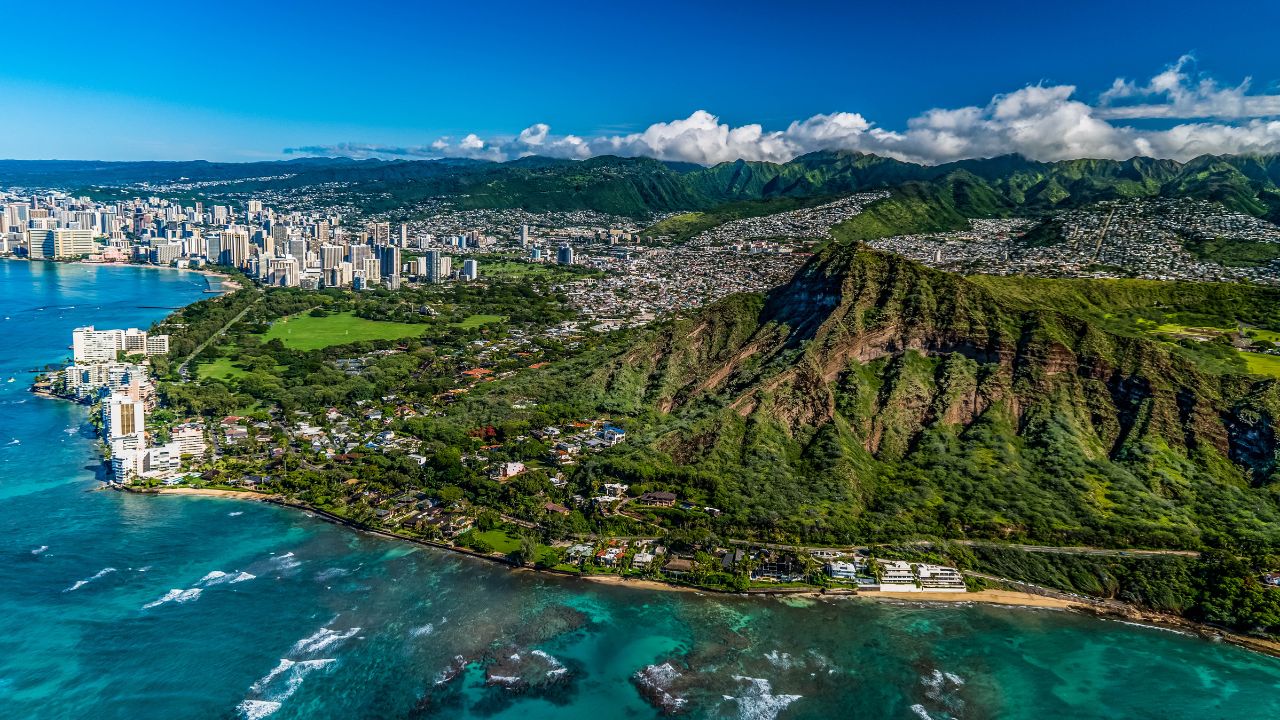
- Oahu: Known as “The Gathering Place,” Oahu is home to the capital city of Honolulu and the iconic Waikiki Beach. It’s a bustling hub offering a mix of metropolitan sophistication and natural beauty. Here, you can visit historical sites like the Pearl Harbor National Memorial, hike up to Diamond Head State Monument for panoramic views, or catch a wave on the North Shore. Oahu is perfect for those who enjoy a lively atmosphere with easy access to world-class dining, shopping, and entertainment.
- Maui: Often called “The Valley Isle,” Maui strikes a balance between Oahu’s energy and the tranquility of less developed islands. It’s renowned for its stunning beaches, lush landscapes, and the scenic Road to Hana. Watching the sunrise from the summit of Haleakala National Park is an unforgettable experience, as is whale watching during winter months. Maui is ideal for couples, families, and outdoor enthusiasts seeking a blend of adventure and relaxation.
- Kauai: “The Garden Isle” lives up to its name with verdant rainforests, dramatic cliffs, and cascading waterfalls. The breathtaking Na Pali Coast State Wilderness Park is a must-see, best explored by boat, helicopter, or a challenging hike. Kauai offers a more laid-back, rugged experience, perfect for nature lovers, hikers, and those seeking serene beauty.
- Big Island (Hawaii): The youngest and largest of the islands, the Big Island boasts incredible ecological diversity, from black sand beaches to snow-capped mountains. Its main draw is Hawaii Volcanoes National Park, where you can witness active volcanoes. The island also offers excellent snorkeling and diving on the Kona Coast and vibrant cultural experiences near Hilo. It’s an excellent choice for adventurers and those fascinated by geological wonders.

Accommodation Options in Hawaii
Hawaii offers a comprehensive range of accommodation options to suit every budget and style of travel. From opulent luxury resorts to cozy vacation rentals, finding the right place to stay is crucial for your Hawaiian experience.
- Luxury Resorts: For those seeking unparalleled service and world-class amenities, Hawaii is home to some of the finest resorts in the world. Properties like The Royal Hawaiian, a Luxury Collection Resort, Waikiki (Oahu), Four Seasons Resort Maui at Wailea (Maui), Grand Hyatt Kauai Resort & Spa (Kauai), and Mauna Lani, Auberge Resorts Collection (Big Island) offer exquisite suites, multiple pools, fine dining, and direct beach access. These resorts often cater to luxury travel and provide comprehensive travel experiences from within their grounds.
- Boutique Hotels: For a more intimate and personalized stay, boutique hotels offer unique charm and often reflect local Hawaiian culture through their design and services. They can be found across the islands, providing a distinct alternative to larger resorts.
- Vacation Rentals and Apartments: Ideal for families, long-term stays, or those on a budget, rentals from platforms like Airbnb and Vrbo are popular. These can range from modest apartments to sprawling villas, offering kitchens and more space, which can lead to significant savings on food costs. This option aligns well with accommodation comparison and finding deals.
- Budget-Friendly Hotels and Hostels: While Hawaii is known for its higher cost of living, more economical options exist, especially in areas like Waikiki or near major cities. These hotels provide essential amenities and a comfortable base for exploring the islands without breaking the bank, catering to budget travelers.
When booking accommodation, consider your preferred island, travel style, and proximity to the attractions you wish to visit. Many websites offer reviews and comparison tools to help you make an informed decision.
Essential Travel Tips for Your Hawaiian Adventure
Beyond the technicalities of identification and accommodation, a successful trip to Hawaii requires a deeper understanding of its unique tourism landscape, local culture, and practical considerations.
Exploring Hawaiian Culture and Cuisine
The heart of Hawaii lies in its rich Polynesian culture and the spirit of aloha. Embracing these elements will significantly enhance your travel experience.
- The Aloha Spirit: More than just a greeting, aloha embodies love, peace, compassion, and mutual respect. Visitors are encouraged to embody this spirit, treating the land and people with reverence.
- Lūʻaus: Attending a lūʻau is a quintessential Hawaiian experience. These traditional feasts feature hula dancing, live music, and delicious local food like kalua pig, poke, and fresh seafood. They offer a fantastic introduction to Hawaiian traditions.
- Hula: This ancient dance form is more than entertainment; it’s a storytelling art that conveys history, myths, and cultural narratives. Seek out authentic hula performances to appreciate its depth.
- Hawaiian Cuisine: Dive into the vibrant food scene. Sample fresh poke bowls, try plate lunches, savor shave ice, and enjoy the abundance of fresh tropical fruits. Many restaurants offer farm-to-table experiences, highlighting Hawaii’s agricultural bounty. Exploring local food is a major part of the tourism experience.
- Outdoor Activities: From snorkeling in crystal-clear waters, surfing legendary breaks, and hiking volcanic craters, to exploring botanical gardens and chasing waterfalls, Hawaii is an outdoor enthusiast’s dream. Be sure to engage in activities responsibly, respecting nature and local regulations.
Practical Considerations for Your Stay
A few practical tips can make your Hawaiian vacation even smoother.
- Packing Essentials: Pack light, breathable clothing suitable for warm weather. Don’t forget reef-safe sunscreen (required by law in Hawaii to protect marine life), a wide-brimmed hat, sunglasses, swimwear, comfortable walking shoes, and perhaps a light jacket for cooler evenings or higher elevations.
- Transportation: While some areas like Waikiki are walkable, a rental car is highly recommended for exploring most islands, offering flexibility to discover hidden gems. For inter-island travel, short flights are the only practical option, with local carriers providing frequent services between airports like Honolulu’s Daniel K. Inouye International Airport (HNL), Maui’s Kahului Airport (OGG), Kauai’s Lihue Airport (LIH), and the Big Island’s Kona International Airport (KOA) and Hilo International Airport (ITO).
- Budgeting: Hawaii can be an expensive destination. Plan your budget carefully, considering the costs of flights, accommodation, rental cars, activities, and food. Look for deals on hotels or vacation packages, and consider preparing some of your own meals if staying in a rental with a kitchen. This falls under the lifestyle aspect of budget travel versus luxury travel.
- Time Zone: Hawaii operates on Hawaii Standard Time (HST), which does not observe Daylight Saving Time. This means a significant time difference from the mainland U.S. (e.g., 5 hours behind Pacific Standard Time during winter, 6 hours during summer).
Beyond the Basics: Ensuring a Smooth Journey
A truly memorable trip to Hawaii goes beyond just ticking off landmarks and attractions; it involves being well-prepared for all aspects of your journey, including health, safety, and airport navigation.
Health and Safety in Hawaii
While generally a safe destination, it’s always wise to be aware of local conditions and take precautions.
- Sun Protection: The Hawaiian sun is intense. Always use broad-spectrum, reef-safe sunscreen (SPF 30+), wear protective clothing, and seek shade during peak hours (10 AM – 4 PM). Sunburn can quickly ruin a vacation.
- Ocean Safety: The Pacific Ocean can be powerful. Pay attention to warning signs, local lifeguards, and current conditions. Swim at lifeguarded beaches, understand rip currents, and never turn your back on the ocean. If unsure, consult with locals or United States Coast Guard resources.
- Hiking Safety: Many Hawaiian trails can be slippery and challenging, especially after rain. Wear appropriate footwear, carry water, and inform someone of your itinerary. Stick to marked trails.
- Respect Wildlife: Admire marine life and local animals from a respectful distance. Never feed wild animals, including feral cats or birds. Hawaiian Monk Seals and sea turtles are protected species; maintaining distance is legally required.

Navigating Airports and Security
Even for domestic travel, airport procedures can be daunting. Understanding what to expect can ease any pre-flight anxiety.
- TSA PreCheck and Clear: If you travel frequently, consider enrolling in TSA PreCheck or Clear. These programs can significantly speed up your passage through security checkpoints, allowing for a more relaxed start to your vacation.
- Arrival at Hawaii Airports: Daniel K. Inouye International Airport in Honolulu is the main gateway, with other international airports on Maui and the Big Island also serving direct flights. Be prepared for potentially long lines during peak season, especially when connecting to inter-island flights.
- Agriculture Inspection: When departing Hawaii for the mainland U.S., all passengers and their luggage are subject to agricultural inspection to prevent the spread of invasive species. This typically happens before TSA screening at the airport. Certain fruits, vegetables, plants, and seeds are prohibited from leaving the state.
In conclusion, for U.S. citizens, a passport is not a prerequisite for a trip to Hawaii. A valid government-issued photo ID, ideally a REAL ID-compliant driver’s license or state ID, will suffice for domestic air travel. International visitors, however, must adhere to standard U.S. immigration regulations, which include a valid passport and, if necessary, a visa or ESTA.
Regardless of your origin, planning is paramount. From choosing your ideal island among Oahu, Maui, Kauai, or the Big Island, to securing the perfect accommodation that fits your lifestyle and budget, and immersing yourself in the rich Hawaiian culture and cuisine, Hawaii promises an unforgettable travel experience. With the right preparation and a spirit of adventure, your journey to the enchanting Aloha State will undoubtedly be a smooth and deeply rewarding one. Enjoy the paradise!
LifeOutOfTheBox is a participant in the Amazon Services LLC Associates Program, an affiliate advertising program designed to provide a means for sites to earn advertising fees by advertising and linking to Amazon.com. Amazon, the Amazon logo, AmazonSupply, and the AmazonSupply logo are trademarks of Amazon.com, Inc. or its affiliates. As an Amazon Associate we earn affiliate commissions from qualifying purchases.