
The image of Hawaii often conjures pristine beaches, lush rainforests, and vibrant sunsets, a paradise untouched by the mundane nuisances of everyday life. For many prospective travelers, the question “Does Hawaii have mosquitoes?” might seem to jar with this idyllic vision. Yet, it’s a valid and practical concern for anyone planning a trip to the Aloha State, touching upon everything from comfort during outdoor activities to choosing the right accommodation. The simple answer is yes, mosquitoes do exist in Hawaii. However, understanding their presence, potential impact, and how to effectively manage them is key to ensuring your Hawaiian vacation remains as perfect as you’ve imagined. This comprehensive guide delves into the reality of mosquitoes in Hawaii, offering insights for travelers, tips for prevention, and context on how these tiny insects fit into the broader picture of Hawaiian tourism and lifestyle.
The Reality of Mosquitoes in the Aloha State
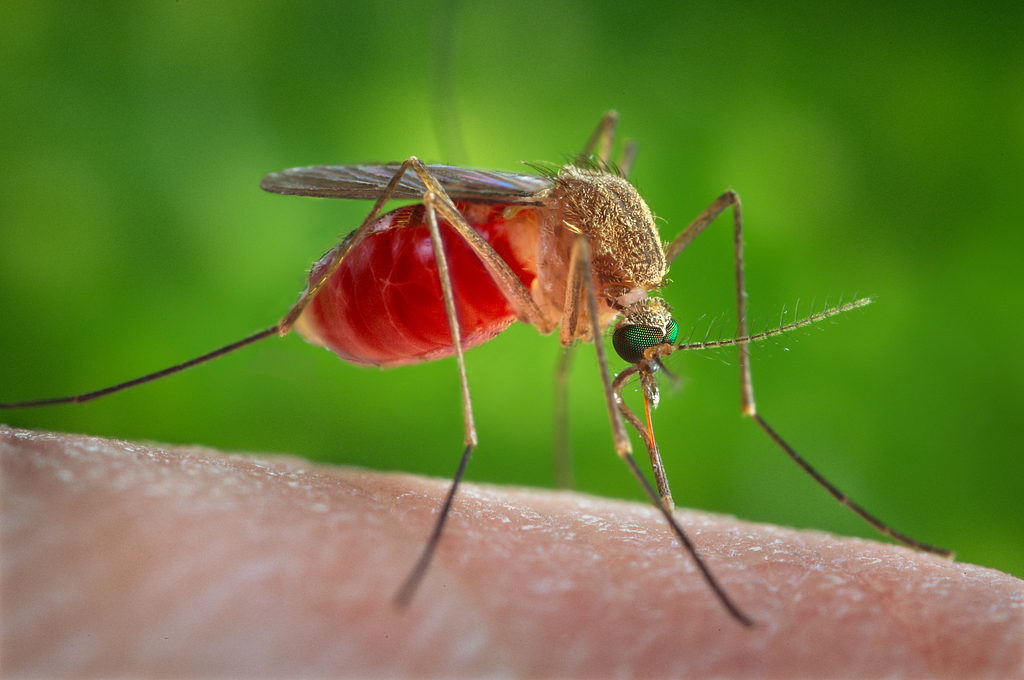
Contrary to some popular misconceptions, mosquitoes are not native to Hawaii. Like many other species that have made their way to these remote islands, they are an invasive introduction. Their presence is a testament to the dynamic ecosystem of the archipelago, constantly adapting to new elements. Knowing their history and habits is the first step in preparing for a comfortable and enjoyable trip.
A Brief History of Hawaiian Mosquitoes
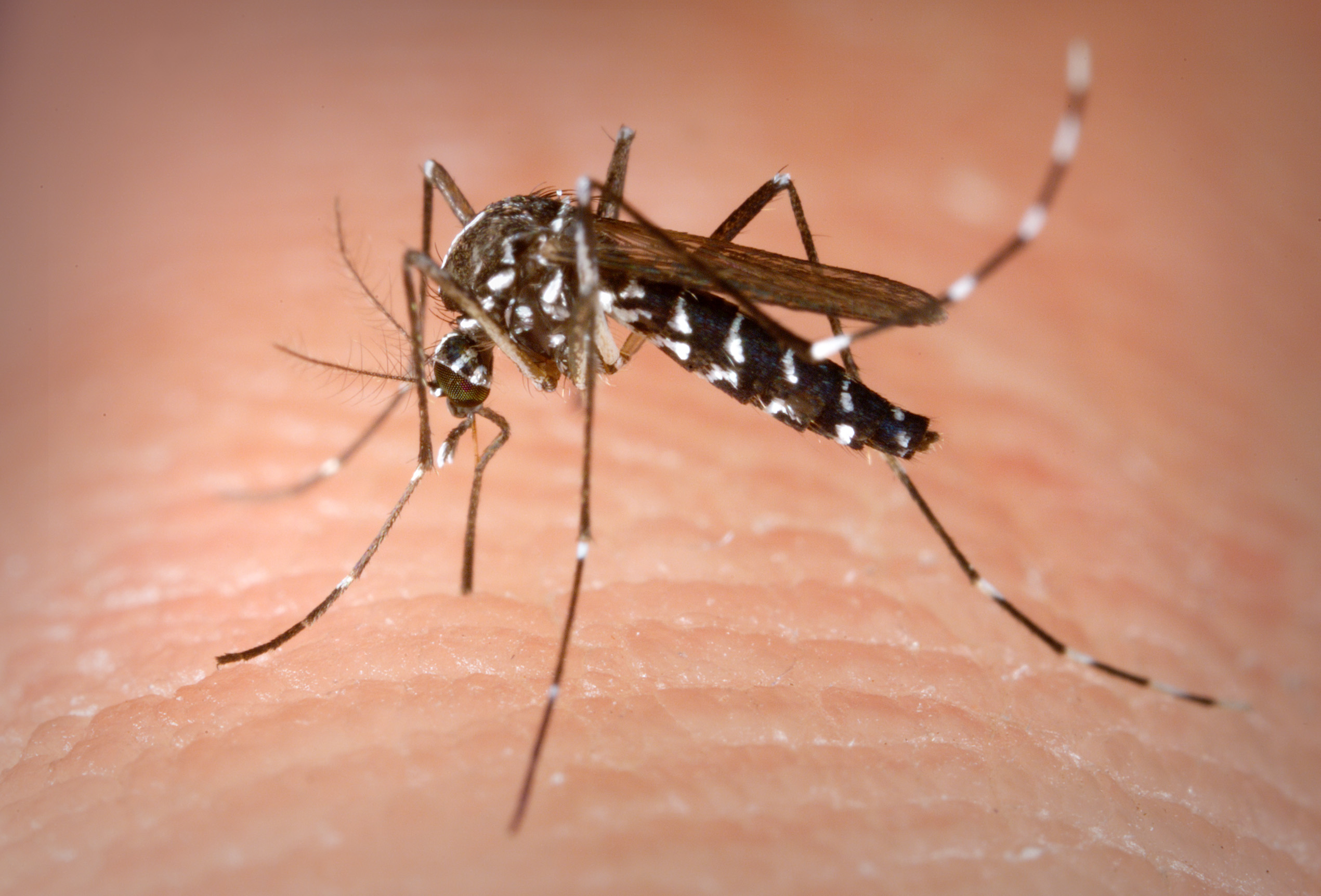
The serene isolation of Hawaii meant that for millions of years, its native flora and fauna evolved without the threat of mosquito-borne diseases. The first mosquitoes arrived on the islands in the early 19th century, believed to have been stowaways on a whaling ship in 1826. This initial species, Culex quinquefasciatus, quickly established itself, finding ideal breeding grounds in the islands’ humid climate and abundant standing water. Subsequent introductions brought other species, most notably Aedes aegypti and Aedes albopictus, which are highly efficient vectors for various human diseases. These invasive species found a thriving environment in the tropical warmth and frequent rainfall, particularly in areas with dense vegetation and freshwater sources. Their arrival irrevocably altered Hawaii’s delicate ecosystem, impacting native bird populations that had no natural immunity to avian malaria carried by these new inhabitants.
Where You’ll Find Them
While mosquitoes are present throughout the Hawaiian Islands, their distribution and density can vary significantly based on location, elevation, and time of year. Generally, you’ll encounter more mosquitoes in areas with lush, tropical vegetation, freshwater ponds, slow-moving streams, and marshy lowlands. This includes popular hiking trails leading to waterfalls, such as those found on Maui or Kauai, and many of the botanical gardens across all islands. Forested regions, particularly rainforests on the windward (eastern) sides of the islands like the Road to Hana on Maui or the lush interior of Kauai, are prime habitats.
Coastal areas, especially those with consistent breezes, tend to have fewer mosquitoes, making popular beaches in Waikiki, Kaanapali, or Kailua-Kona relatively less problematic. However, even beachgoers might encounter them at dawn or dusk, or if they venture into nearby vegetation or stagnant water. Urban centers like Honolulu can also have mosquitoes, especially in parks, garden areas, or anywhere there’s neglected standing water. The drier, leeward (western) sides of the islands, such as parts of Maui and the Big Island, typically experience fewer mosquito populations compared to their wetter counterparts. High elevations, such as the summit of Haleakala National Park on Maui or Mauna Kea on the Big Island, are generally too cold for mosquitoes to thrive.
Not Just a Nuisance: Health Concerns
While mosquito bites are often just an irritating nuisance, the primary concern in Hawaii, as in many tropical destinations, is their potential to transmit diseases. The specific species of mosquitoes present in Hawaii are known vectors for several arboviruses, including Dengue fever, Zika virus, and Chikungunya. While large-scale outbreaks are uncommon and swiftly addressed by local health authorities, localized clusters of these diseases have occurred in the past. For instance, Hawaii experienced Dengue fever outbreaks in the 2000s and again more recently.
The Hawaii State Department of Health continuously monitors mosquito populations and disease activity, implementing rapid response plans to contain any potential spread. Tourists are generally advised to stay informed through official channels and take personal protective measures. While the risk of contracting a serious mosquito-borne illness in Hawaii is relatively low, especially compared to some other tropical regions, it is not zero. Awareness and prevention are therefore paramount, not just for personal health but also for contributing to the collective effort to keep these diseases from establishing a permanent foothold in the islands.
Planning Your Hawaiian Getaway: Mosquitoes and Your Travel Experience
Mosquitoes should not deter you from experiencing the wonders of Hawaii, but they do warrant consideration in your travel planning. From choosing the right place to stay to packing wisely for your adventures, a little foresight can significantly enhance your comfort and enjoyment.
Choosing Your Accommodation Wisely
The type of accommodation you select can play a significant role in your mosquito experience. Most modern hotels and luxury resorts in Hawaii, particularly those along the coast, are designed with guest comfort in mind. Properties like the Hyatt Regency Maui Resort and Spa or the Grand Hyatt Kauai Resort & Spa typically feature air conditioning, which often means windows and doors are kept closed, reducing entry points for insects. Many also have screened windows and doors, allowing you to enjoy the fresh sea breeze without unwelcome visitors. When booking, inquire about these amenities, especially if you plan to stay in a room without central air.
For those opting for apartments, vacation rentals, or villas, particularly those nestled in more lush, garden-like settings or further inland, screens on windows and doors are a crucial consideration. Review past guest feedback for mentions of insect issues. Some properties may even provide mosquito nets or repellent as a courtesy. If you’re on a budget and staying in more rustic accommodations, be extra vigilant about open windows and consider bringing your own portable mosquito net for sleeping. Location is also key: coastal resorts with ocean breezes tend to have fewer mosquitoes than properties situated deeper within tropical vegetation or near stagnant water sources. Consider the surrounding environment of your chosen hotel; proximity to dense foliage or ponds could increase mosquito activity.
Outdoor Activities and Prevention
Hawaii is an outdoor paradise, and much of its allure lies in its natural attractions. Whether you’re planning a hike through the bamboo forest of Pipiwai Trail on Maui, exploring the majestic cliffs of the Na Pali Coast on Kauai, or visiting the Thurston Lava Tube near Kilauea on the Big Island, mosquitoes can be a factor.
To minimize bites during outdoor excursions:
- Repellent is Your Best Friend: Pack an EPA-registered insect repellent containing DEET, picaridin, oil of lemon eucalyptus (OLE), or IR3535. Apply it generously and according to package directions, especially before entering forested areas or at dawn and dusk.
- Dress Appropriately: For jungle hikes or visits to areas with dense vegetation, wear long-sleeved shirts and long pants. Opt for light-colored clothing, as dark colors can attract mosquitoes. Lightweight, breathable fabrics are best for comfort in the tropical climate.
- Timing is Everything: Mosquitoes are most active during the cooler parts of the day, particularly at dawn and dusk. If possible, plan your hikes and outdoor activities during mid-day when the sun is higher and mosquitoes are less prevalent.
- Be Mindful of Water: Avoid lingering near stagnant water sources, which are prime breeding grounds. If you’re camping or staying in a more rustic setting, ensure your campsite is not near such areas.
- Consider Permethrin-Treated Gear: For serious hikers or campers, treating clothing and gear with permethrin spray can offer an extra layer of protection. This should be done in advance, as per product instructions, and not applied directly to skin.
Protecting Your Family and Little Ones
Family trips to Hawaii are unforgettable experiences, and protecting children from mosquito bites requires special attention. Young children and infants are often more sensitive to bites and can be more susceptible to mosquito-borne illnesses.
- Child-Safe Repellents: For infants under two months, avoid repellent. Instead, use mosquito netting over strollers and carriers. For older children, use repellents with lower concentrations of active ingredients (e.g., DEET no more than 30%) and apply it to their clothing rather than directly to their skin, if possible. Always read and follow product instructions carefully.
- Protective Clothing: Dress children in lightweight, long-sleeved shirts and pants when playing outdoors, especially during peak mosquito hours.
- Supervised Application: Adults should apply repellent to children, avoiding their hands, eyes, and mouth.
- Accommodation Check: When booking family-friendly resorts like the Four Seasons Resort Hualalai or family villas, confirm they have well-screened rooms or air conditioning. Many resorts also offer kid-friendly activities that are often indoors or in well-maintained outdoor areas less prone to mosquitoes.
- Bed Nets: For infants or very young children, consider bringing a travel-friendly mosquito net for their crib or bed, especially if staying in an open-air or less protected environment.
Local Efforts and Tourist Responsibilities
Hawaii’s natural beauty is its greatest asset, and preserving it, along with the health of its residents and visitors, is a top priority. This includes proactive measures against invasive species like mosquitoes and the diseases they carry. Tourists also have a crucial role to play in these efforts.
Hawaii’s Fight Against Mosquito-Borne Diseases
The Hawaii State Department of Health and various environmental agencies are at the forefront of managing mosquito populations and preventing disease outbreaks. Their strategies include:
- Surveillance: Continuous monitoring of mosquito populations and testing for arboviruses.
- Source Reduction: Public awareness campaigns encourage residents and businesses to eliminate standing water where mosquitoes breed, such as in tires, clogged gutters, and unemptied plant pots.
- Larvicide and Adulticide Programs: Targeted application of insecticides in areas with high mosquito activity or confirmed disease cases, always with environmental considerations in mind.
- Public Education: Informing residents and tourists about prevention measures and symptoms of mosquito-borne illnesses.
- Rapid Response: Implementing swift actions to contain any localized outbreaks, including community spraying and outreach efforts. These initiatives demonstrate Hawaii‘s commitment to maintaining a safe environment for all.
Essential Prevention Tips for Visitors
As a visitor, your actions contribute to the collective health and environmental well-being of the islands. Adhering to simple prevention tips not only protects you but also supports Hawaii’s ongoing efforts.
Here’s a checklist for your trip:
- Pack Repellent: Always carry an EPA-approved insect repellent and apply it diligently, especially during outdoor activities and at dawn/dusk.
- Wear Protective Clothing: For hikes or jungle excursions, opt for long sleeves and pants.
- Check Your Accommodation: Ensure windows and doors are screened or that you have air conditioning. Report any rips in screens to staff immediately.
- Be Water Wise: Avoid leaving standing water in buckets or containers if you’re staying in a rental home. Even a small amount of water can be a breeding ground.
- Stay Informed: Keep an eye on local news or advisories from the Hawaii State Department of Health for any specific mosquito-related concerns in the areas you plan to visit.
- Use Mosquito Nets: If you’re in an open-air setting or find screens inadequate, use a mosquito net over your bed.
- Shower Off Sweat: Mosquitoes are attracted to body odor and sweat. A quick rinse after strenuous activity can help.
Sustainable Tourism and Mosquito Control
For travelers committed to sustainable tourism, understanding the impact of invasive species like mosquitoes and supporting local control efforts is part of responsible travel. By practicing diligent personal prevention, you reduce the risk of becoming a host for mosquitoes, which, in turn, helps protect others and the fragile ecosystem. Additionally, choosing eco-friendly accommodations that integrate sustainable practices, including natural pest control methods or efficient screening, aligns with the spirit of malama ‘aina (care for the land). When engaging with local culture and activities, be mindful of your surroundings and any local advisories. Hawaii’s beauty is a shared treasure, and protecting it from all threats, seen and unseen, is a collective responsibility.
Beyond the Buzz: Enjoying Hawaii Despite Mosquitoes
Ultimately, the presence of mosquitoes in Hawaii should be a minor consideration rather than a deterrent to experiencing one of the world’s most captivating destinations. With proper preparation and a sensible approach, these tiny insects won’t diminish the grandeur of your adventure.
Iconic Landmarks and Natural Wonders
Imagine witnessing the sunrise from the summit of Haleakala National Park, hiking through the vibrant green trails of Waimea Canyon on Kauai, or exploring the historic sites of Pearl Harbor on Oahu. These quintessential Hawaiian experiences, along with countless others, are readily accessible and thoroughly enjoyable with a bit of mosquito-smart planning. Even if you’re exploring the natural beauty of the Hakalau Forest National Wildlife Refuge on the Big Island, known for its unique ecosystem, taking precautions ensures your focus remains on the breathtaking scenery and unique wildlife, not on swatting bugs.
For urban explorers, a stroll along Kalakaua Avenue in Waikiki or a visit to the Diamond Head lookout may present fewer mosquito challenges, but it’s always wise to be prepared, especially if you venture into more vegetated areas. Evening luaus and outdoor dining experiences, central to the Hawaiian lifestyle, can also be enjoyed without interruption if you’ve applied repellent and chosen venues with good air circulation or insect control measures. The key is to integrate mosquito prevention seamlessly into your travel routine, allowing you to fully immerse yourself in the natural and cultural wonders that make Hawaii so special.

Embracing the Spirit of Aloha
The “Spirit of Aloha” encapsulates welcome, love, compassion, and respect for the land and its people. While dealing with mosquitoes might seem like a small annoyance, approaching it with this mindset transforms a potential problem into a manageable aspect of your journey. It’s about being prepared, respectful of the local environment and health efforts, and maintaining a positive attitude.
Your journey to Hawaii is an opportunity to connect with a unique culture, experience unparalleled natural beauty, and create lasting memories. Mosquitoes are a minor detail in this grand picture, a reminder that even paradise has its complexities. By understanding their presence, taking sensible precautions, and embracing a proactive approach, you ensure that your focus remains on the breathtaking landscapes, the warm hospitality, and the vibrant experiences that truly define a Hawaiian adventure. So pack your bags, grab your repellent, and prepare to discover the magic of Hawaii, buzzing or not.
LifeOutOfTheBox is a participant in the Amazon Services LLC Associates Program, an affiliate advertising program designed to provide a means for sites to earn advertising fees by advertising and linking to Amazon.com. Amazon, the Amazon logo, AmazonSupply, and the AmazonSupply logo are trademarks of Amazon.com, Inc. or its affiliates. As an Amazon Associate we earn affiliate commissions from qualifying purchases.